
 By Titik Puspa
In the ever-evolving landscape of social media, a million followers is the golden ticket for creators seeking influence and, more importantly, income. For years, YouTube has reigned supreme as the undisputed champion of creator monetization, its robust advertising model offering a direct path to financial reward. However, a significant shift in strategy from Instagram, the visual-first titan owned by Meta, threatens to disrupt this long-held order. With its recent testing of a new video format designed for longer content, Instagram is making a calculated gamble that could redefine the creator economy and challenge YouTube’s dominance.
Instagram’s latest announcement, detailing its exploration of a new video upload type dubbed "Features" that permits videos up to 90 minutes in length, marks a dramatic departure from its recent obsession with short-form content. For the better part of the 2020s, platforms across the digital spectrum, from TikTok to even professional networking sites like LinkedIn, have aggressively pursued the bite-sized video format. This pivot by Instagram is not merely a minor adjustment; it signifies a fundamental reevaluation of its content strategy.
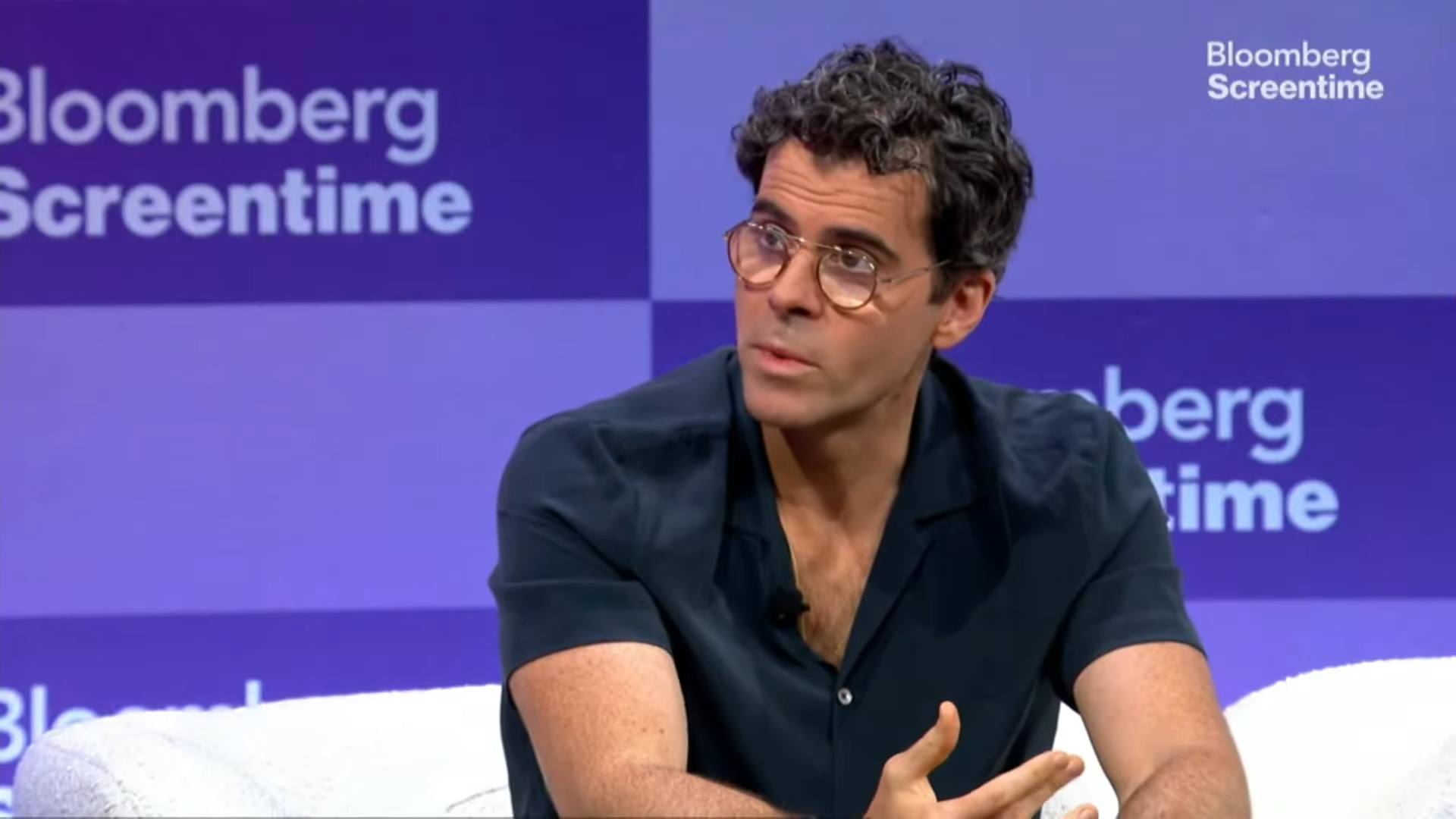
The current internet era is undeniably defined by short-form, vertical video. Yet, the creators churning out this popular content often find themselves with meager direct earnings from platforms like Instagram. While Meta-owned Instagram does offer some monetization tools, such as subscriptions, it has historically shied away from a per-view payment model that has been a cornerstone of YouTube’s success. Adam Mosseri, the head of Instagram, candidly discussed this monetization challenge on the "Colin and Samir Show," a prominent interview series focused on the creator economy. "You can get paid by the platform directly, you can get paid by a fan, and you can get paid by a brand," Mosseri explained. "And right now, the way that it works on Instagram primarily is you primarily get paid by brands. Some people get paid by fans. We have still a small performance-based program, but… we spend more money than we make back by a long shot, and so it doesn’t really make sense to scale up because we’re just burning capital." This admission highlights the financial precariousness of Instagram’s previous approach to creator compensation.
Contrast this with YouTube’s established and lucrative model. YouTube’s payment structure is significantly more transparent and creator-friendly. Advertisements are seamlessly integrated into videos, and creators who are part of YouTube’s Partner Program receive a substantial 55% of the ad revenue generated from their content. This revenue stream has proven to be immensely profitable. Last year, YouTube revealed that it had paid out an astounding sum exceeding $100 billion to creators, artists, and media companies over the preceding four years, a testament to the platform’s commitment to compensating its content creators generously.
Instagram and TikTok, while immensely popular for their short-form offerings, have struggled to replicate YouTube’s success in direct creator monetization with this format. The inherent nature of short-form video makes it significantly more challenging to monetize effectively, primarily due to the limited real estate available for ad placement. Consequently, many creators view their Instagram and TikTok accounts less as primary revenue drivers and more as promotional extensions for their more lucrative YouTube channels. This strategic reliance on YouTube for substantial income has allowed it to maintain its position as the most financially rewarding platform for long-form content creators.
Instagram’s foray into longer videos isn’t entirely unprecedented. The platform previously launched IGTV eight years ago, a dedicated app for longer-form video content, which ultimately failed to gain significant traction and was eventually sunset. However, the current initiative, dubbed "Features," appears to be a more integrated and potentially more robust attempt to capture a larger share of the creator market. Given that its parent company, Meta, derives billions from advertising, it is highly probable that ads will eventually be incorporated into these longer-form videos on Instagram.

The crucial question remains: if Meta does implement an advertising model for these longer videos, can Instagram genuinely compete with the established and profitable YouTube Partner Program for the first time? A Meta spokesperson provided a cautiously optimistic, albeit vague, response to TechCrunch: "It’s too early to share a long-term monetization model, but we’re exploring ways for creators to earn from brands, fans and Instagram, including performance-based incentives. Over time, we think there will be compounding benefits for creators to tell new stories, reach new audiences, and find new partners, which should lead to many monetization opportunities." While this statement lacks concrete details, the absence of a definitive "no" suggests that robust monetization strategies are indeed on the horizon.
Adam Mosseri, in a video announcement, elaborated on the platform’s strategic shift. He confessed to having been "against doing long-form video on Instagram for a long time," acknowledging that shorter content like Reels typically drives higher engagement in terms of shares and direct messages. However, Tessa Lyons, Instagram’s VP of Product, a vocal advocate for this change, ultimately persuaded Mosseri to revisit the long-form video concept. "Reels is still going to be a core part of Instagram," Lyons stated. "But when you want to go deeper with the creators you love and the content that they’re creating, you should be able to do that on Instagram." This indicates a desire to retain user attention and engagement within the Instagram ecosystem, preventing creators and their audiences from migrating to other platforms for deeper content experiences.
To further facilitate this integration, Instagram is testing a feature called "Clips as Reels." This functionality allows creators to extract shorter, engaging segments from their longer-form content and repurpose them as Reels. These Reels will then include links that direct viewers to the full-length video, effectively creating a symbiotic relationship between short and long-form content. Furthermore, Instagram is exploring ways for users to easily watch these longer videos on their televisions, suggesting an ambition to become a more comprehensive video consumption platform.
Currently, the "Features" and "Clips as Reels" functionalities are undergoing testing in Brazil, with a limited rollout in the U.S. on the horizon. Beyond these video advancements, Instagram is also enhancing discovery features for Live video content and developing a dedicated hub on creator profiles for episodic Reels, a feature reminiscent of TikTok’s playlist functionality, designed to showcase series of connected Reels.
Mosseri expressed his enthusiasm for the interconnectedness of short and long-form video, stating, "The thing that the team has been working on that we’re excited to share with you is trying to make it so that the short-form and the long-form video can be symbiotic." He further emphasized the platform’s commitment to supporting these diverse formats across both mobile and television applications, acknowledging that it will be a gradual process to perfect but expressing significant long-term dedication.
This strategic pivot by Instagram is not just about content formats; it’s about capturing a larger share of the creator economy, which is projected to continue its rapid growth. By offering creators more avenues for monetization and engagement, Instagram aims to become a more indispensable platform, reducing their reliance on YouTube for substantial income. The success of this endeavor will hinge on Meta’s ability to implement a fair and profitable monetization model, a challenge they have previously struggled with in the short-form video space. However, with the vast resources and advertising prowess of Meta behind this initiative, Instagram’s ambitious leap into long-form video could very well reshape the creator landscape, potentially dethroning YouTube from its long-held perch as the ultimate creator destination. The coming months will be critical in observing how these new features are adopted by creators and whether they can truly offer a compelling alternative to the established monetization powerhouses.
