
 By admin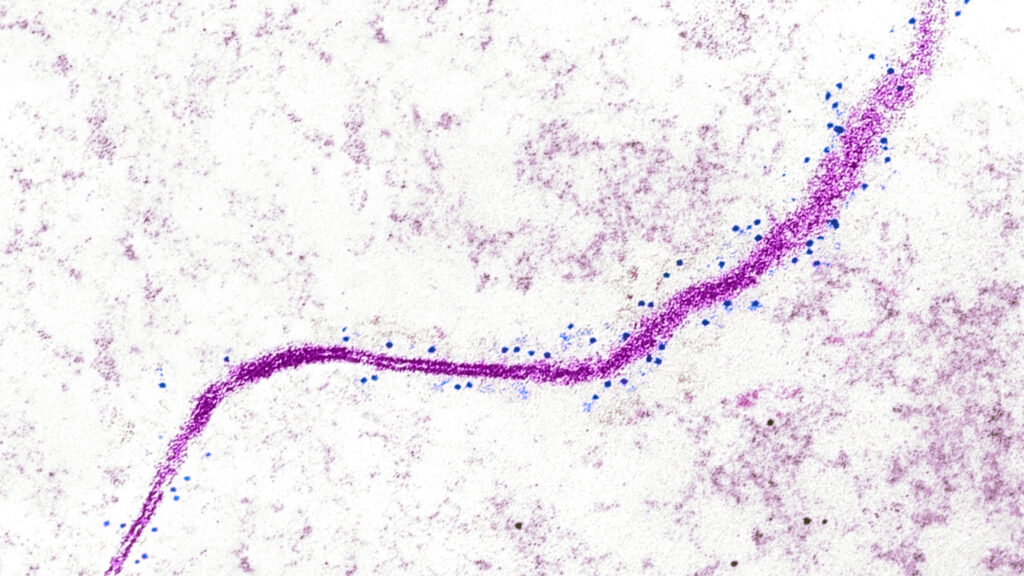
Jim Wells, a veteran biologist at the University of California, San Francisco, was deep into a sophisticated mapping project of the "surfaceome"—the vast landscape of proteins that sit on the exterior of cells—when he stumbled upon a biological anomaly that defied the established laws of cellular architecture. While scrutinizing the surface of malignant cancer cells, Wells and his team identified a protein known as Src. Under all normal biological circumstances, Src is an intracellular resident, a tyrosine kinase that remains strictly tucked inside the cell’s cytoplasm to facilitate internal signaling. Its presence on the outer membrane was, in Wells’ own words, "an accident," but one that carries the potential to fundamentally shift the paradigm of cancer treatment.
This serendipitous finding, recently detailed in the journal Science, suggests that Src is not merely present on the surface of cancer cells but is conspicuously absent from the surface of healthy donor tissues. For the field of oncology, this is more than just a curiosity of molecular biology; it represents a potential breakthrough in the hunt for the "holy grail" of cancer therapy: a truly tumor-specific target for immunotherapy. In the complex and often frustrating effort to treat solid tumors, the primary obstacle has always been the lack of markers that distinguish a cancer cell from a healthy one. The discovery of "surface-Src" could provide the precise coordinates needed for the next generation of "smart" cancer drugs to strike their targets without inflicting collateral damage on the rest of the body.
To understand why this discovery has sent ripples through the scientific community, one must first understand the notorious reputation of Src. Discovered decades ago, Src was the first proto-oncogene ever identified. It is a signaling powerhouse, acting as a master switch that regulates cell growth, division, and survival. When Src becomes overactive, it drives the uncontrolled proliferation that characterizes many forms of cancer, including breast, colon, and lung malignancies. However, because Src plays such a vital role in the internal machinery of healthy cells, it has traditionally been targeted with small-molecule inhibitors designed to enter the cell and shut the protein down. These drugs, while effective in some contexts, often come with significant side effects because they cannot easily distinguish between the hyperactive Src in a tumor and the necessary Src in a healthy heart or brain cell.
The revelation that cancer cells somehow "leak" or actively transport this protein to their exterior surface changes the tactical landscape entirely. If Src sits on the outside of a cancer cell but stays on the inside of a healthy one, it becomes a "neo-antigen-like" target. This means researchers can develop large-molecule therapies, such as monoclonal antibodies or chimeric antigen receptor (CAR) T-cells, which are physically too large to enter a cell. These therapies would float through the bloodstream, ignored by healthy cells where Src is hidden inside, but would latch onto the surface-exposed Src on cancer cells with lethal precision.
Kathleen Yates, a biologist at the Broad Institute of MIT and Harvard who was not involved in the research, described the findings as "provocative and exciting." She noted that seeing a well-known cancer driver like Src kinase presented on the cell surface opens up a new realm of therapeutic possibilities. However, Yates also injected a necessary dose of scientific caution. While the discovery is a feat of molecular detective work, the transition from a laboratory finding to a life-saving clinical treatment is a journey fraught with high failure rates. "They’ve accomplished a great deal," Yates remarked, while noting that the "outstanding question" remains whether this discovery will be "translationally impactful"—that is, whether it will actually work in the chaotic environment of a human body.
The challenge of solid tumors remains the most formidable frontier in modern immunotherapy. While the medical community has seen miraculous successes with CAR-T cell therapy in liquid cancers like leukemia and lymphoma, those successes have been difficult to replicate in solid masses like pancreatic or triple-negative breast cancer. In blood cancers, researchers can target proteins like CD19, which is found on all B-cells. While the treatment kills both healthy and cancerous B-cells, a patient can survive without them. You cannot take the same approach with solid tumors; targeting a protein found on a lung tumor that is also present in the liver or the heart would lead to catastrophic, potentially fatal autoimmune reactions.

Wells and his team at UCSF utilized advanced proteomic technologies to scan the surface of various cancer cell lines, comparing them against an extensive database of healthy tissues. Their methodology involved "capturing" surface proteins with chemical tags and then using mass spectrometry to identify them. The appearance of Src was a shock because the protein lacks the typical genetic sequences that usually tell a cell to send a protein to the surface. It appears that the chaotic, dysregulated environment of a cancer cell—where protein trafficking and quality control mechanisms often break down—results in Src being mislocalized. This "biological error" on the part of the cancer cell creates a unique vulnerability that clinicians are now eager to exploit.
The potential applications for this discovery are diverse. One of the most promising avenues is the development of antibody-drug conjugates (ADCs). These are often described as "biological missiles" consisting of a potent toxin linked to an antibody. The antibody would be engineered to seek out surface-Src, and once it binds to the cancer cell, the cell would internalize the entire complex, releasing the toxin and killing the cell from within. Because healthy cells do not have Src on their surface, the "missile" would never find a target to latch onto, theoretically sparing the patient from the grueling side effects of traditional chemotherapy.
Another possibility involves the engineering of bispecific T-cell engagers (BiTEs). These molecules act as a bridge, with one arm grabbing the surface-Src on a cancer cell and the other arm grabbing a T-cell from the patient’s own immune system. By bringing the two into close proximity, the BiTE forces the immune system to recognize and destroy the tumor. Furthermore, the discovery could lead to the development of new PET scan tracers, allowing doctors to visualize exactly where Src-positive tumors are located in a patient’s body with unprecedented clarity.
Despite the enthusiasm, the road to the clinic is long. One of the primary hurdles will be determining the stability of Src on the cell surface. Does it stay there long enough for a drug to find it? Does the cancer cell eventually learn to hide the protein as a form of resistance? Furthermore, the UCSF team needs to verify just how universal this phenomenon is. While they found surface-Src in several aggressive cancer models, they must ensure it doesn’t appear on some obscure, vital healthy tissue that hasn’t been tested yet.
The work of Jim Wells serves as a testament to the power of basic science and the importance of looking where others have not. By questioning the fundamental "rules" of where proteins are supposed to live, his team has uncovered a hidden signature of malignancy. As the research moves into animal models and eventually human trials, the oncology world will be watching closely. If Src truly is a reliable, tumor-specific surface marker, it could provide the key to unlocking the full potential of immunotherapy for the millions of patients diagnosed with solid tumors each year.
The study also highlights a growing trend in cancer research: the shift from targeting what a cancer cell does to targeting what a cancer cell is. For years, researchers focused on inhibiting the function of oncogenes. Now, with the advent of sophisticated proteomics and immunotherapy, the focus is shifting toward identifying the unique physical "fingerprints" of cancer. If the surface-Src discovery holds up under the rigors of clinical testing, it will validate a new strategy in the war on cancer—one that turns the cell’s own internal malfunctions into a beacon for its destruction. For now, the "accidental" discovery in a San Francisco lab stands as a beacon of hope, suggesting that the answers to some of our most difficult medical questions may be hiding in plain sight, just on the other side of a cell membrane.