
 By admin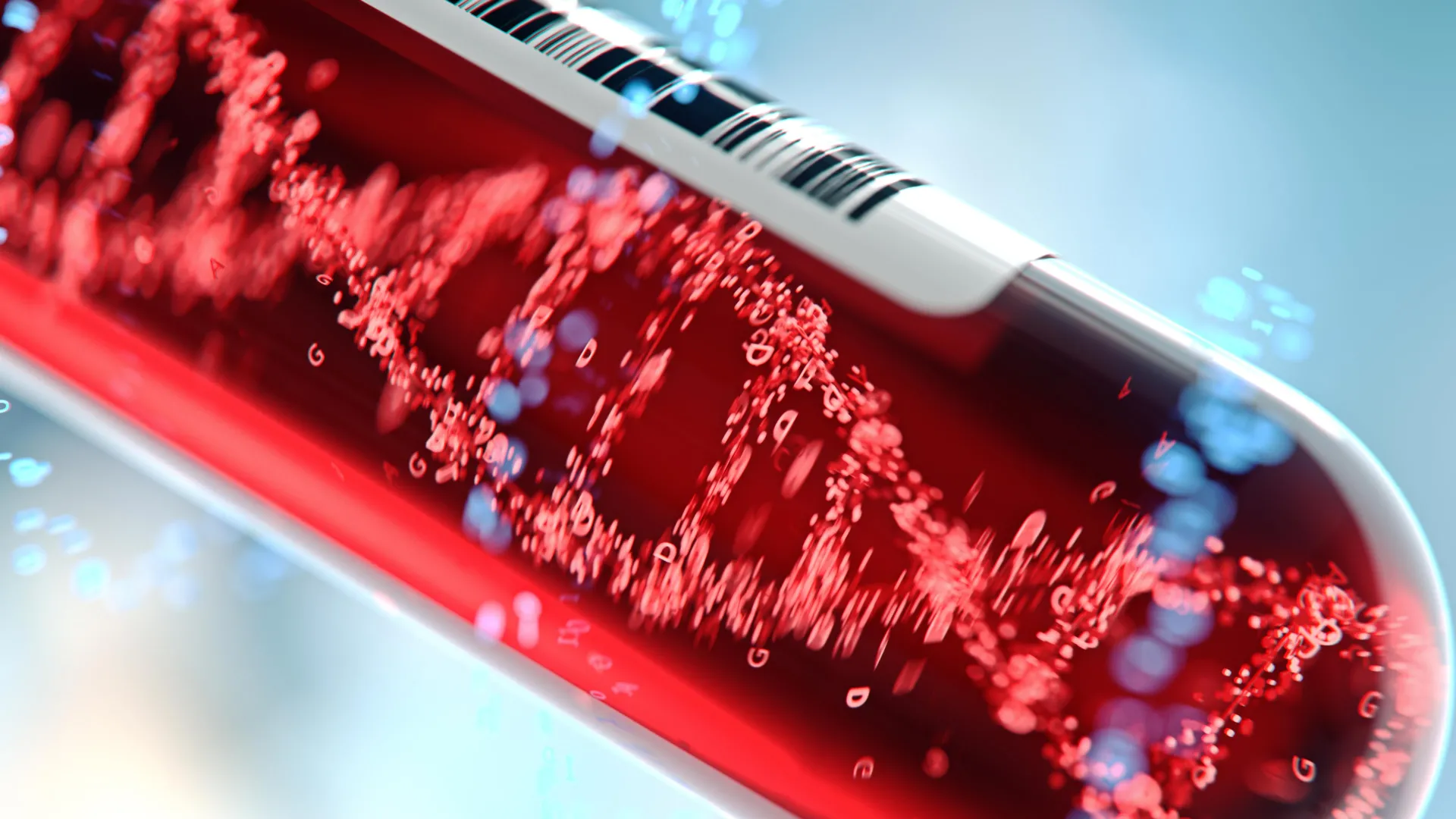
The pioneering study, partially funded by the National Institutes of Health, was published on March 4 in the prestigious journal Science Translational Medicine. This publication is particularly noteworthy as it represents the first systematic application of this advanced DNA fragmentation analysis, commonly referred to as fragmentome technology, to the detection of chronic diseases beyond the realm of cancer. Prior investigations primarily focused on leveraging this sophisticated approach for the early identification and monitoring of various malignancies, making its expansion into chronic non-oncological conditions a pivotal development.
A New Frontier: Genome-Wide DNA Fragment Patterns Unveil Disease Signals
Liquid biopsies, which measure circulating cell-free DNA (cfDNA), have already demonstrated immense potential and are increasingly being adopted for cancer detection and management. These tests offer a less invasive alternative to traditional biopsies, allowing for the sampling of genetic material released by tumors into the bloodstream. However, despite their success in oncology, the broader potential of cfDNA for diagnosing and monitoring other illnesses has remained largely unexplored until now.
In this new research, investigators embarked on an ambitious endeavor, performing whole-genome sequencing on cfDNA samples collected from an extensive cohort of 1,576 individuals. This diverse group included patients diagnosed with various stages of liver disease, ranging from early fibrosis to advanced cirrhosis, alongside individuals presenting with a spectrum of additional medical conditions. By meticulously examining the vast landscape of DNA fragments across the entire genome, the team sought to uncover subtle yet distinctive patterns that might serve as reliable signals of disease.
The core of their analytical approach involved scrutinizing two key aspects of the cfDNA fragments: their precise size and their distribution throughout the genome. Crucially, their analysis extended into repetitive DNA regions, areas of the genome that are often overlooked in traditional genetic studies due to their complex and redundant nature. However, these regions can harbor unique epigenetic and structural information that, when disrupted by disease, could yield valuable diagnostic clues. Each analysis was extraordinarily data-rich, encompassing approximately 40 million fragments spanning thousands of genomic regions. This generated an enormous dataset, dwarfing the information typically gathered by most conventional liquid biopsy tests and presenting an unprecedented opportunity for deep learning.
To make sense of this colossal amount of information, sophisticated machine learning algorithms were employed. These algorithms were tasked with processing the intricate data, sifting through the millions of fragments and their patterns to identify specific fragmentation signatures robustly linked to disease states. The power of artificial intelligence in discerning these complex patterns, which would be imperceptible to the human eye, proved instrumental. Leveraging these identified patterns, researchers successfully developed a highly accurate classification system. This system demonstrated high sensitivity in detecting early liver disease, advanced fibrosis, and full-blown cirrhosis, offering a promising tool for timely intervention.
Dr. Victor Velculescu, M.D., Ph.D., co-director of the cancer genetics and epigenetics program at the Johns Hopkins Kimmel Cancer Center and co-senior author of the study, emphasized the continuity and evolution of their work. "This builds directly on our earlier fragmentome work in cancer, but now using AI and genome-wide fragmentation profiles of cell-free DNA to focus on chronic diseases," he stated. Dr. Velculescu underscored the critical importance of early detection for many chronic illnesses, citing liver fibrosis and cirrhosis as prime examples. "Liver fibrosis is reversible in its early stages, but if left undetected, it can progress to cirrhosis and ultimately increase the risk of liver cancer," he added, highlighting the profound clinical implications of their findings.
Fragmentome Analysis: A Paradigm Shift Beyond Mutations
The fragmentome approach distinguishes itself fundamentally from many existing liquid biopsy methods. While many such tests are designed to meticulously search for specific, known cancer-related gene mutations or epigenetic alterations, the fragmentome technology adopts a much broader and more holistic perspective. It focuses instead on the overarching architecture of how DNA fragments are precisely cut, packaged, and distributed throughout the genome. This intricate process is heavily influenced by nucleosome positioning, chromatin accessibility, and the cell-of-origin, all of which can be altered in disease states.
According to the research team, this broader, context-rich view is precisely what makes the method exceptionally versatile and applicable to a wider spectrum of conditions beyond cancer. This includes various chronic diseases that, over time, can significantly elevate an individual’s risk for developing cancer. The study was also co-led by Dr. Robert Scharpf, Ph.D., professor of oncology, and Dr. Jill Phallen, Ph.D., assistant professor of oncology, bringing together a multidisciplinary expertise crucial for such an innovative project.
Akshaya Annapragada, a talented M.D./Ph.D. student in the Velculescu lab and the study’s first author, articulated the inherent strength of their methodology. "The fact that we are not looking for individual mutations is what makes this study so powerful," Annapragada explained. "We are analyzing the entire fragmentome, which contains a tremendous amount of information about a person’s physiologic state. The sheer scale of these data, coupled with the sophisticated capabilities of machine learning, enables the development of specific classifiers for many different health conditions." This highlights the shift from a ‘needle in a haystack’ search for specific mutations to analyzing the entire ‘haystack’ for subtle, systemic changes.
Early Detection: A Lifeline for Millions at Risk
The clinical impact of this research is potentially enormous, particularly given the widespread prevalence of liver conditions. Dr. Velculescu pointed out a sobering statistic: approximately 100 million people in the United States alone are affected by liver conditions that significantly increase their risk of progressing to cirrhosis and, subsequently, liver cancer. This staggering number underscores the urgent need for more effective and accessible diagnostic tools.
Current blood-based tests for liver fibrosis often fall short, particularly in the crucial early stages of the disease when intervention is most effective. Standard biochemical markers commonly fail to detect early fibrosis and are only able to identify established cirrhosis in about half of all cases. While advanced imaging techniques, such as specialized ultrasound (e.g., FibroScan) or magnetic resonance elastography (MRE) scans, can provide more accurate assessments of liver stiffness, these tools require specialized equipment and expertise that are not universally available, limiting their widespread application, especially in primary care settings or underserved regions.
"Many individuals at risk don’t know they have liver disease," Dr. Velculescu stressed, highlighting a major public health challenge. The insidious nature of liver disease means it often progresses silently, without noticeable symptoms, until it reaches advanced and often irreversible stages. "If we can intervene earlier—before fibrosis progresses to cirrhosis or cancer—the impact could be substantial." Early diagnosis would enable clinicians to implement lifestyle changes, initiate pharmacological treatments, or address underlying causes (such as hepatitis, alcohol abuse, or metabolic syndrome) much sooner. He further added that identifying these precursor conditions early may allow doctors to treat underlying diseases sooner and potentially prevent cancer from developing, thereby saving lives and reducing the enormous healthcare burden associated with advanced liver disease.
From Cancer Insights to a Comorbidity Index
The genesis of this novel research can be traced back to a 2023 Cancer Discovery study led by Dr. Velculescu, which initially focused on the fragmentome profiles associated with liver cancer. During that investigation, while studying patients with liver tumors, the scientists made a serendipitous observation: some individuals who also had underlying fibrosis or cirrhosis, but not active cancer, displayed mostly normal fragmentation profiles. However, these profiles contained subtle, yet discernible, DNA signals distinctly linked to their liver disease. This intriguing observation served as the catalyst, prompting the team to pivot and systematically examine the fragmentome patterns specifically associated with liver fibrosis and cirrhosis in greater detail.
Expanding on this foundational work, the researchers conducted another pivotal analysis involving 570 individuals suspected of having serious illnesses. In this cohort, they developed a novel "fragmentation comorbidity index." This sophisticated measure proved capable of effectively distinguishing individuals with high and low Charlson Comorbidity Index scores—a widely recognized and clinically validated metric that estimates how the presence of additional health conditions impacts a person’s risk of mortality. Remarkably, the fragmentome-based index independently predicted overall survival and, in some instances, demonstrated superior specificity compared to traditional inflammatory markers, suggesting it captures a more nuanced and comprehensive picture of an individual’s overall physiological health. Certain fragmentation signatures were also found to be robustly associated with poorer clinical outcomes, further underscoring the prognostic power of this technology.
"The fragmentome can serve as a foundation for building different classifiers for different diseases, and importantly, these classifiers are disease-specific and do not cross-react," Annapragada explained, emphasizing a crucial design principle. "A liver fibrosis classifier is distinct from a cancer classifier. This is a unique, disease-specific test built from the same underlying platform." This modularity and specificity are critical for developing a versatile and reliable diagnostic platform capable of discerning various disease states without confounding signals.
Broader Horizons: Potential for Detecting Other Chronic Diseases
The study’s implications extend beyond liver disease. The research cohort included individuals identified as being at elevated risk for a diverse range of medical conditions. Intriguingly, researchers observed distinct fragmentome signals linked to cardiovascular, inflammatory, and neurodegenerative disorders within this broader group. While the study population did not contain a sufficient number of cases to construct separate, robust disease classifiers for each of these specific conditions, these preliminary findings are highly suggestive. They indicate that the fragmentome technology possesses immense potential for wider medical applications, an avenue that the researchers are keen to explore in future investigations.
It is important to note that the liver fibrosis assay described in the study remains a prototype and has not yet been introduced as a clinical test. The journey from groundbreaking research to a widely available diagnostic tool involves rigorous validation, clinical trials, and regulatory approvals. The team’s immediate next steps are focused on refining and further validating the classifier for liver disease in larger, more diverse cohorts. Concurrently, they plan to delve deeper into exploring fragmentome signatures connected to other chronic illnesses, with the ultimate goal of developing a comprehensive diagnostic platform that could revolutionize the early detection and management of a multitude of chronic conditions.
Pioneers and Patrons
The multidisciplinary research team included a formidable roster of experts: Zachariah Foda, Hope Orjuela, Carter Norton, Shashikant Koul, Noushin Niknafs, Sarah Short, Keerti Boyapati, Adrianna Bartolomucci, Dimitrios Mathios, Michael Noe, Chris Cherry, Jacob Carey, Alessandro Leal, Bryan Chesnick, Nic Dracopoli, Jamie Medina, Nicholas Vulpescu, Daniel Bruhm, Sarah Bacus, Vilmos Adleff, Amy Kim, Stephen Baylin, Gregory Kirk, Andrei Sorop, Razvan Iacob, Speranta Iacob, Liana Gheorghe, Simona Dima, Katherine McGlynn, Manuel Ramirez-Zea, Claus Feltoft, Julia Johansen and John Groopman, alongside co-senior authors Dr. Victor Velculescu, Dr. Robert Scharpf, and Dr. Jill Phallen, and first author Akshaya Annapragada.
The groundbreaking research received vital financial support from a consortium of esteemed organizations, including the Dr. Miriam and Sheldon G. Adelson Medical Research Foundation, the SU2C in-Time Lung Cancer Interception Dream Team Grant, the Stand Up to Cancer-Dutch Cancer Society International Translational Cancer Research Dream Team Grant, the Gray Foundation, The Honorable Tina Brozman Foundation, the Commonwealth Foundation, the Mark Foundation for Cancer Research, the Danaher Foundation, and the ARCS Metro Washington Chapter. Additional support came from the Family of Dan Y. Zhang AACR Scholar in Training Award, the Cole Foundation, and several National Institutes of Health grants (CA121113, CA006973, CA233259, CA062924, CA271896, T32GM136577, T32GM148383 and DA036297), underscoring the collaborative and well-resourced nature of this transformative scientific endeavor. This collective support highlights the profound potential recognized in this novel approach to disease detection.