
 By Titik Puspa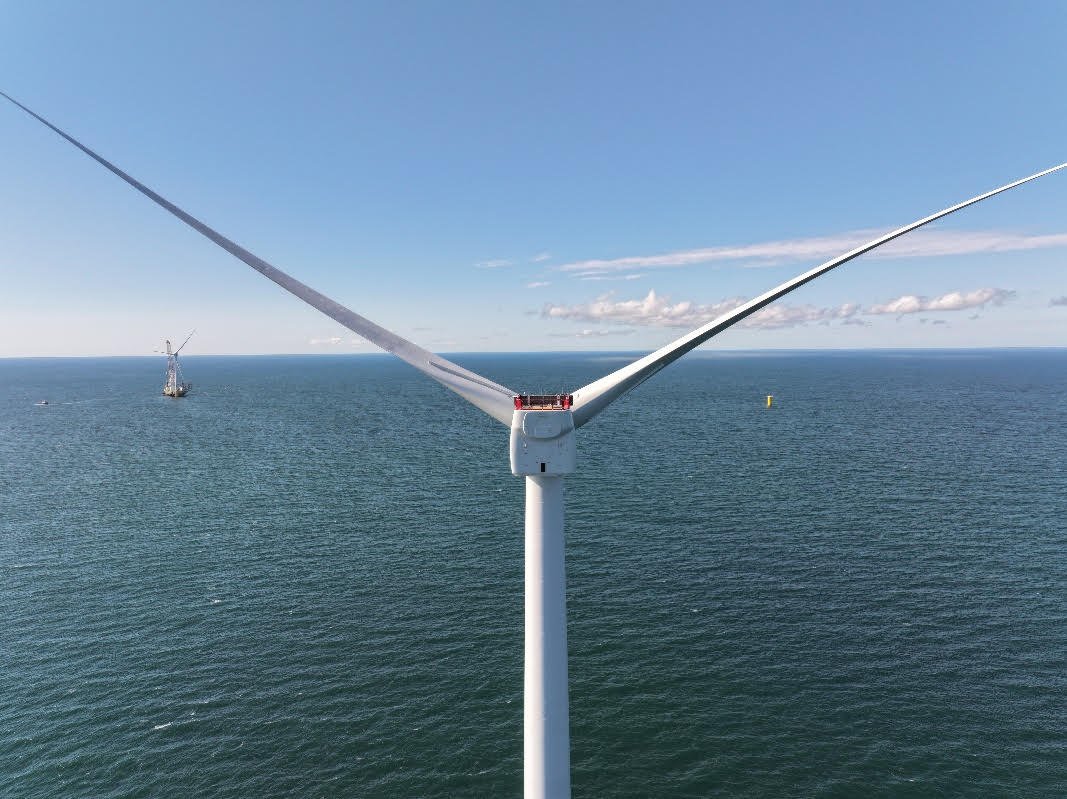
The insatiable demand for processing power, fueled by the artificial intelligence revolution, has created an unprecedented energy crisis for data centers, pushing the boundaries of innovation to an extreme. With traditional power grids straining to keep pace, visionaries are now contemplating audacious solutions, including the once-fanciful notion of launching servers into the vacuum of space to harness the relentless power of the sun, a concept gaining traction beyond the realm of science fiction and the ambitious pronouncements of figures like Elon Musk. However, a more grounded, yet equally innovative, approach is emerging from the depths of the ocean, with offshore wind developer Aikido Technologies leading the charge to submerge data centers in the frigid waters surrounding our planet.
Aikido is set to make a significant splash this year by deploying a 100-kilowatt demonstration data center off the coast of Norway. This compact facility will be housed within the submerged pods of a floating offshore wind turbine, an ingenious integration that promises to address several critical challenges plaguing the data center industry. The strategic placement of these submerged units directly beneath a renewable energy source, like an offshore wind turbine, offers a direct and consistent power supply, a stark contrast to the often-unreliable grid connections of terrestrial data centers. The inherent advantage of offshore wind lies in its greater consistency compared to onshore wind patterns, which are frequently disrupted by terrain and weather phenomena. Even in the unlikely event of lulls in wind power, a relatively modest battery storage system can effectively bridge these gaps, ensuring uninterrupted operation.
Should this initial Norwegian venture prove successful, Aikido harbors ambitions for a much larger-scale deployment. The company envisions a substantial facility off the coast of the United Kingdom by 2028. This ambitious project would be powered by a formidable 15 to 18 megawatt offshore wind turbine, designed to feed a data center with a capacity of 10 to 12 megawatts. This represents a significant leap forward in the integration of renewable energy and high-performance computing infrastructure, potentially setting a new benchmark for sustainable data center development.
Beyond the immediate benefit of proximity to a renewable power source, the offshore deployment of data centers offers a compelling solution to the persistent "Not In My Backyard" (NIMBY) phenomenon. Terrestrial data centers, with their significant energy consumption, cooling systems, and potential for noise and heat pollution, often face fierce opposition from local communities concerned about their environmental impact and aesthetic disruption. By situating these facilities offshore, Aikido aims to circumvent these localized objections, moving the infrastructure away from densely populated areas and mitigating visual and auditory disturbances.
Furthermore, the deep, cold waters of the ocean present an ideal natural cooling solution, a critical factor in the operational efficiency and longevity of servers. Data centers generate immense amounts of heat, and cooling them is one of their most significant energy expenditures and technical challenges. Submerging servers in cold seawater dramatically simplifies this process, reducing the need for energy-intensive artificial cooling systems. This is particularly relevant when considering the challenges of cooling in extreme environments, such as the vacuum of space, where specialized and complex techniques would be required.
The concept of submerging data centers is not entirely novel. Microsoft, a pioneer in cloud computing and artificial intelligence, explored this very idea over a decade ago with its Project Natick. This ambitious initiative involved deploying a sealed data center module in the ocean, aiming to leverage the cooling properties of seawater. In 2018, Microsoft launched an experimental submerged data center off the coast of Scotland. The results of this trial were remarkably positive, with only six out of more than 850 servers failing during a 25-month period. This impressive reliability was partly attributed to the data hall being filled with inert nitrogen gas, a measure likely contributing to the low failure rates. Microsoft subsequently amassed a considerable portfolio of patents related to submerged data center technology, which they generously open-sourced in 2021. Despite the promising initial results, Microsoft ultimately decided to discontinue Project Natick by 2024, citing various strategic and economic considerations.
While the allure of offshore data centers is strong, the harsh marine environment presents its own unique set of formidable challenges. Although submerged servers would be shielded from the direct battering of waves, they would still be subjected to constant motion from ocean currents. This necessitates robust engineering to ensure all equipment is securely fastened and protected. More critically, seawater is inherently corrosive. Any components, including the data center container itself, as well as the vital power and data connections, must be meticulously engineered and hardened to withstand the relentless assault of saltwater. This requires specialized materials and advanced protective coatings to prevent degradation and ensure long-term operational integrity.
The electrical and data connectivity for these submerged facilities also poses a significant engineering hurdle. Laying and maintaining underwater cables capable of transmitting vast amounts of data and power reliably across potentially long distances requires specialized infrastructure and ongoing maintenance protocols. The logistics of deploying, servicing, and decommissioning these underwater facilities are also considerably more complex than their terrestrial counterparts.
The growing urgency to find sustainable and scalable power solutions for AI data centers is underscored by the rapid growth of the AI industry. The development of increasingly sophisticated AI models, from large language models to complex generative AI systems, requires immense computational power. This translates directly into a soaring demand for electricity, putting a significant strain on existing power grids, many of which are still heavily reliant on fossil fuels. The environmental footprint of these data centers, in terms of both energy consumption and carbon emissions, is a growing concern for policymakers, environmental advocates, and the industry itself.
The potential of offshore wind as a primary power source for data centers is substantial. Global offshore wind capacity has been steadily increasing, with significant investments being made in new wind farms. The consistent and powerful winds found at sea offer a more reliable and predictable energy source than many terrestrial locations. Integrating data centers directly into offshore wind infrastructure, as Aikido proposes, could create a symbiotic relationship, where the energy generated by the turbines is immediately consumed by the data centers, minimizing transmission losses and maximizing efficiency.
The development of advanced battery storage technologies also plays a crucial role in enabling the widespread adoption of renewable energy for data centers. These batteries can store excess energy generated during periods of high wind or solar output and release it during periods of low generation, ensuring a stable and continuous power supply for critical AI workloads.
The pursuit of orbital data centers, while seemingly more futuristic, addresses similar underlying pressures. The concept of placing data centers in space, potentially on satellites or dedicated orbital platforms, offers the tantalizing prospect of uninterrupted solar power. The sun shines continuously in space, unaffected by night or weather patterns. However, the challenges of building, launching, powering, cooling, and maintaining such facilities in the harsh vacuum of space are immense. The cost of launching payloads into orbit is astronomical, and the engineering required to ensure reliability and repairability in such an environment is incredibly complex. Furthermore, the issue of latency, the time it takes for data to travel between Earth and orbit, could be a significant impediment for many real-time AI applications.
The convergence of these ambitious projects, from the ocean floor to the edge of space, highlights a critical juncture in the evolution of computing infrastructure. The immense power requirements of AI are forcing a fundamental re-evaluation of how we source and utilize energy for data processing. While the technical hurdles are significant, the potential rewards – a more sustainable, reliable, and scalable foundation for the future of artificial intelligence – are equally compelling. The success of Aikido’s submerged data center initiative could pave the way for a new era of eco-conscious, high-performance computing, proving that innovation can thrive even in the most challenging environments. The race is on to power the AI revolution, and the solutions are increasingly being found where we least expect them, from the silent depths of the ocean to the endless expanse of space.