
 By admin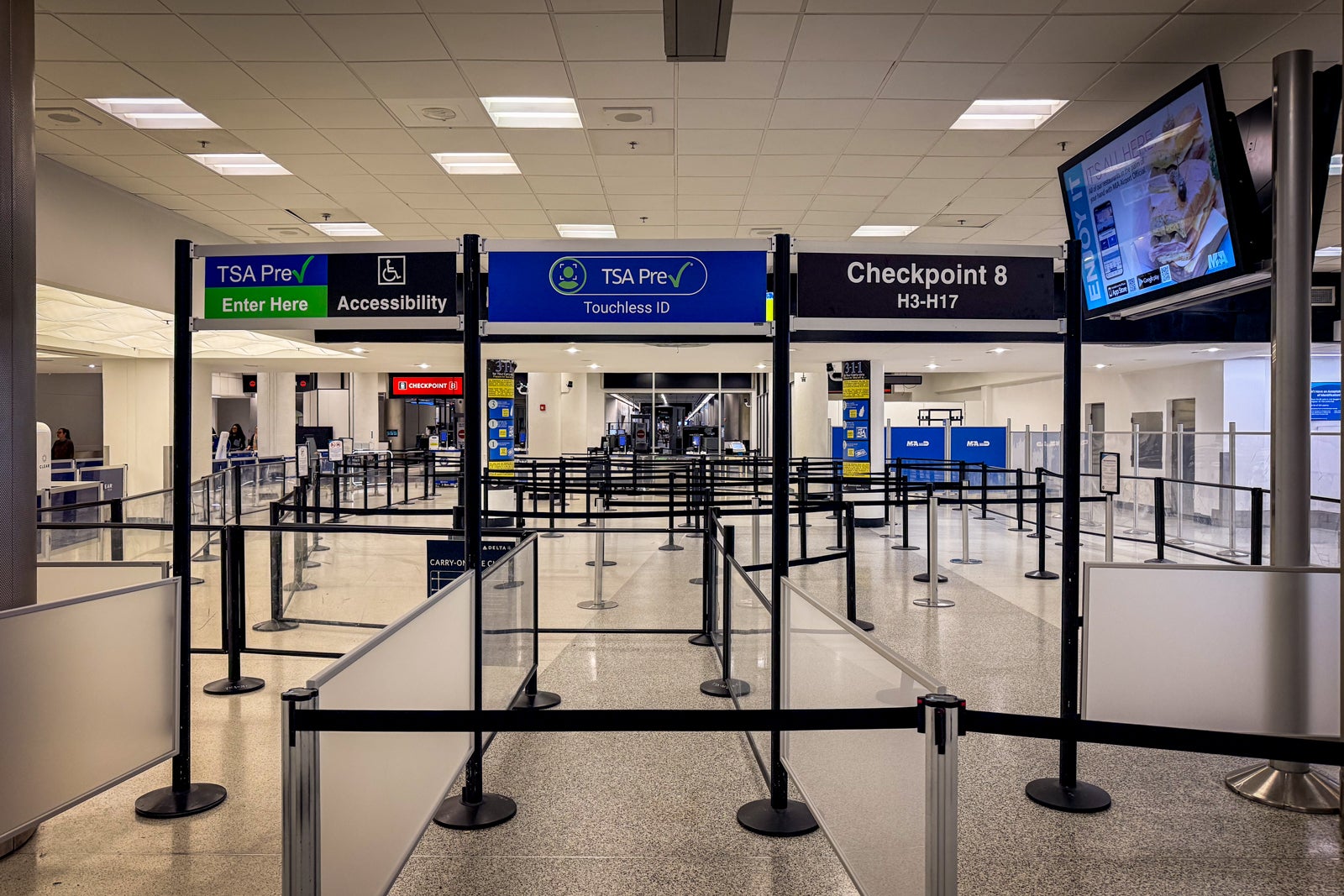
The American aviation infrastructure faced a critical breaking point this past Sunday, March 8, 2026, as airport security wait times reached unprecedented levels across the United States. Now entering its twenty-first day, the partial government shutdown affecting the Department of Homeland Security (DHS) has transitioned from a bureaucratic stalemate in Washington, D.C., into a logistical nightmare for millions of domestic and international travelers. From the sprawling terminals of Hartsfield-Jackson Atlanta International Airport to the secondary hubs in the Gulf Coast, the absence of consistent federal funding is manifesting as a severe staffing shortage within the Transportation Security Administration (TSA), resulting in hours-long queues and a cascade of missed flights.
The epicenter of Sunday’s travel collapse was Houston William P. Hobby Airport (HOU), a vital operational base for Southwest Airlines. By late Sunday afternoon, the TSA reported that average wait times at Hobby had ballooned to nearly three hours. The situation became so dire that airport authorities took the extraordinary step of issuing a social media advisory, urging passengers to arrive at the terminal four to five hours before their scheduled departure times. For a domestic flight, such a window is nearly unprecedented, reflecting a total breakdown in the standard efficiency of the airport’s security apparatus. The neighboring George Bush Intercontinental Airport (IAH) also struggled, with wait times peaking at 51 minutes—a significant delay for a facility designed to handle high-volume international and domestic transfers.
The crisis was not limited to Texas. In the Southeast, Hartsfield-Jackson Atlanta International Airport (ATL), consistently ranked as the world’s busiest airport, reported hour-long backups that were exacerbated by a series of severe weather fronts. The convergence of TSA staffing shortages and localized thunderstorms created a "perfect storm" for Delta Air Lines, which operates its primary megahub out of ATL. On Sunday alone, dozens of departures were canceled—representing approximately 4% of the day’s total schedule. Travelers who managed to navigate the security lines often found themselves stranded at the gate due to weather-related ground stops, while those delayed at security checkpoints frequently watched their planes push back without them.
In New Orleans, at Louis Armstrong New Orleans International Airport (MSY), and in North Carolina, at Charlotte Douglas International Airport (CLT), the story was much the same. MSY saw average backups exceeding 60 minutes, while CLT reported 47-minute delays. While these numbers may seem manageable compared to Houston’s three-hour ordeal, they represent a near-doubling of standard Sunday wait times, placing immense pressure on airport staff and airline gate agents who must rebook thousands of displaced passengers.
The root cause of this systemic failure is the ongoing partial government shutdown, which has left the Department of Homeland Security without a formal budget. Under federal law, TSA officers are classified as "essential" employees. This designation requires them to report to work even when their agency’s funding has lapsed. However, they do so without receiving a contemporary paycheck, instead relying on the promise of back pay once the shutdown is resolved. This "work now, get paid later" mandate has historically led to increased rates of unscheduled absences, often referred to as "sick-outs." As the shutdown enters its fourth week, the financial strain on individual officers—many of whom live paycheck to paycheck—has reached a tipping point, leading to the current staffing vacancies that are paralyzing checkpoints.
The aviation industry’s leadership has moved from quiet concern to vocal condemnation of the political impasse. Chris Sununu, the former Governor of New Hampshire and current CEO of the airline trade group Airlines for America (A4A), issued a blistering statement on Sunday evening. "As TSA officers are facing a $0 paycheck this week, we are seeing firsthand the significant strains that the current DHS shutdown is causing across the aviation system," Sununu stated. He emphasized that the stability of the U.S. economy is inextricably linked to the efficiency of its air corridors. "The shutdown is having very real consequences, and hardworking federal aviation workers, the airline industry, and our passengers are being used as a political football once again. This is simply unacceptable."
Industry analysts point out that the timing of this shutdown is particularly damaging. The month of March typically sees a surge in travel due to spring break cycles for universities and K-12 schools. A prolonged disruption of the TSA’s ability to process passengers could result in hundreds of millions of dollars in lost revenue for the travel and hospitality sectors. Furthermore, the psychological impact on travelers cannot be overstated; as confidence in the reliability of air travel wanes, discretionary spending on future trips is likely to decrease.
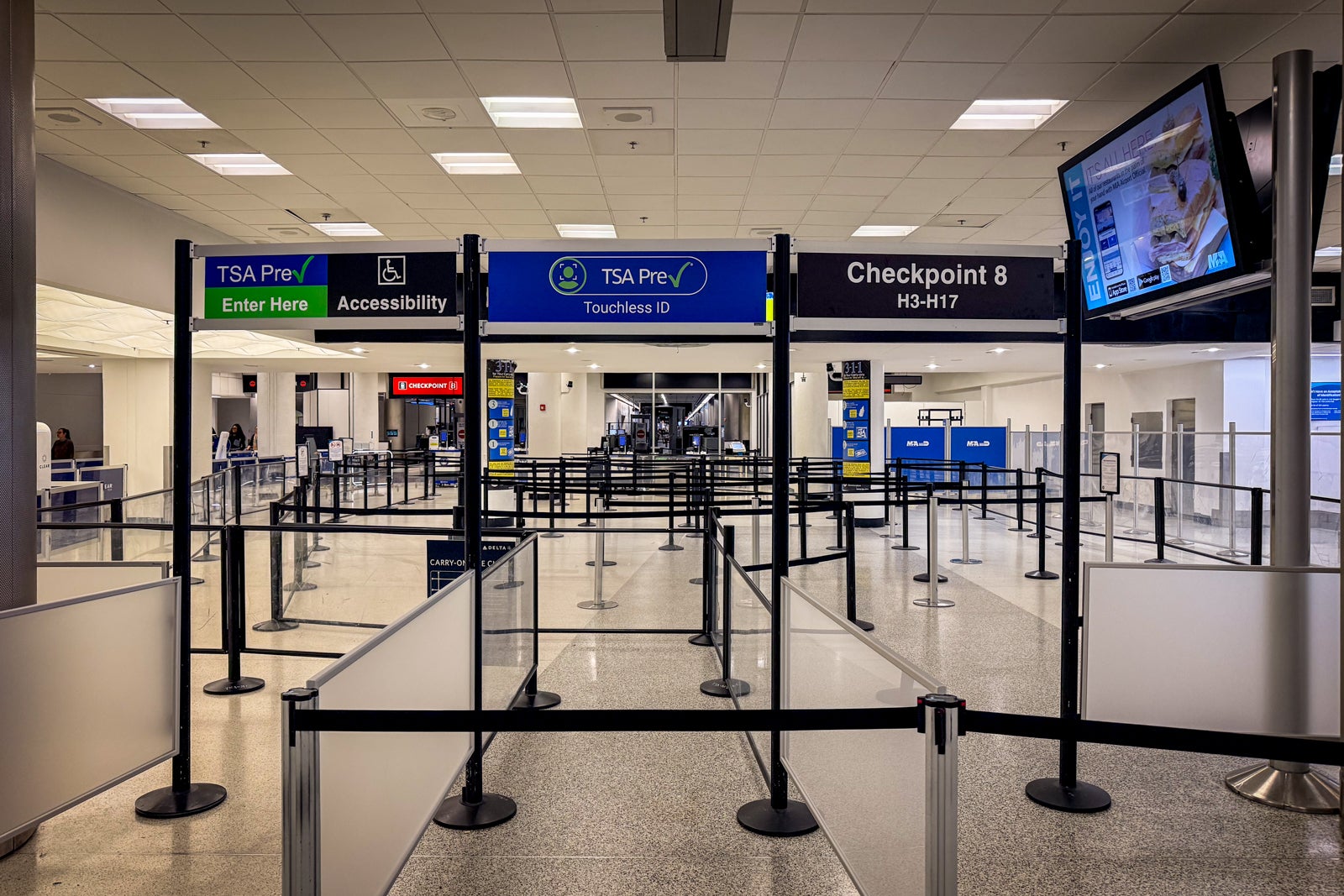
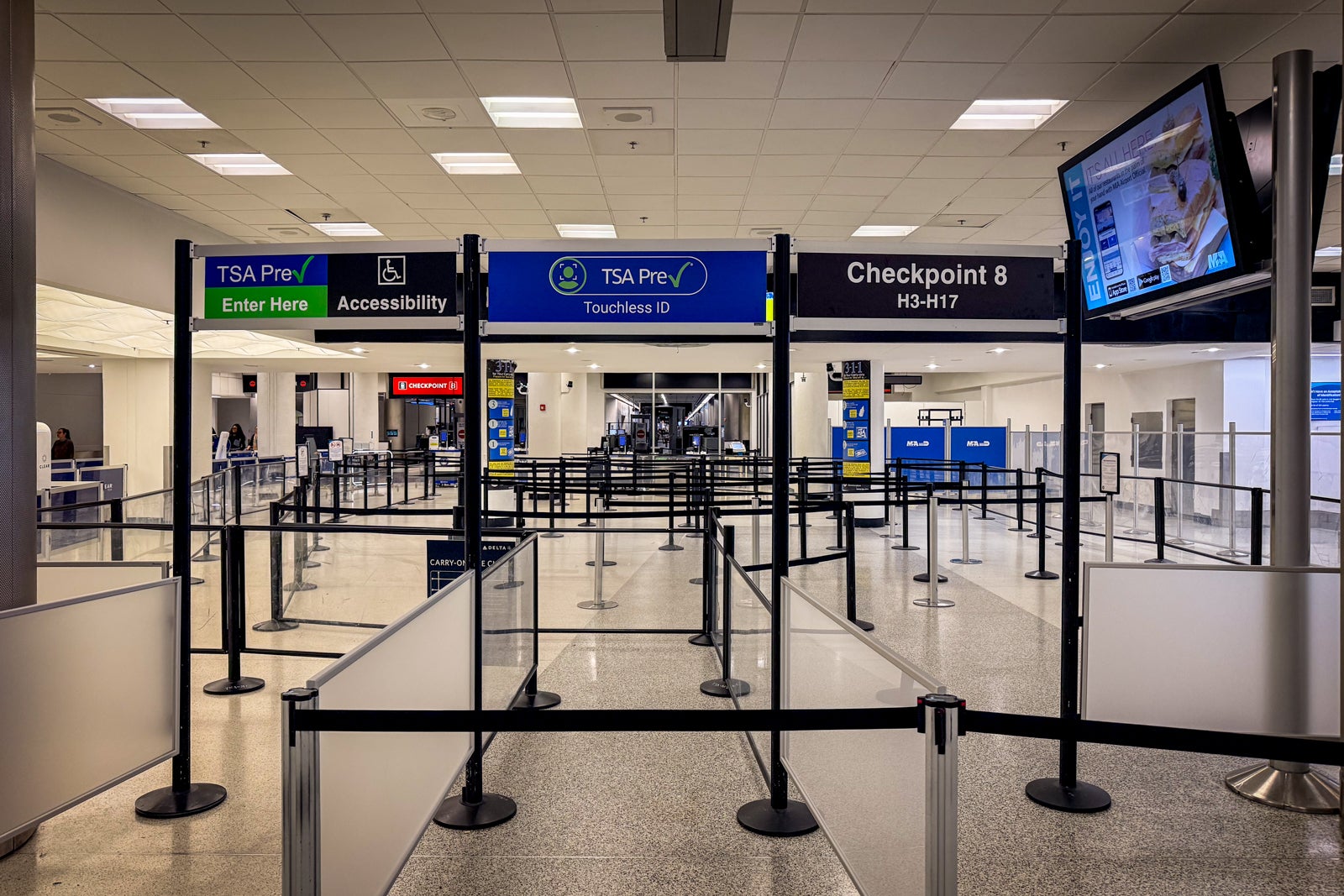
Adding to the complexity of the current situation is the bifurcated state of expedited screening programs. While standard security lanes are crumbling under the pressure, TSA PreCheck has remained largely operational. This is a significant development, considering that on February 22, the DHS reportedly weighed the possibility of shuttering PreCheck lanes entirely to consolidate remaining staff into general screening areas. The Trump administration ultimately intervened to reverse that plan, recognizing that closing PreCheck would only move the bottleneck rather than resolve it.
However, the same cannot be said for Global Entry. The expedited passport control program, operated by U.S. Customs and Border Protection (CBP), remains suspended at airports across the country. This suspension has forced international arrivals into standard customs lanes, which are also understaffed due to the shutdown. For American citizens returning from abroad, the only viable shortcut currently available is Mobile Passport Control (MPC), a smartphone-based app that allows travelers to submit their passport and customs declaration information digitally. While MPC is a useful tool, it cannot fully replace the throughput capacity of a fully functioning Global Entry program.
The current crisis also highlights the growing importance of emerging security technologies. One of the few bright spots in the current travel landscape is the expansion of the TSA PreCheck Touchless ID program. This system utilizes biometric data—specifically facial recognition—to verify a traveler’s identity without the need for a physical ID or boarding pass. Because it requires fewer manual interactions between officers and passengers, it is significantly faster than traditional screening methods. A growing list of airports and airlines, including major carriers at hubs like ATL and IAH, now offer this service. However, it requires passengers to proactively opt-in through their airline’s mobile app, a step many travelers have yet to take.
For those planning to fly in the coming week, travel experts recommend a strategy of extreme preparation. Beyond arriving at the airport significantly earlier than usual—at least 30 to 60 minutes beyond the standard recommendation—travelers are urged to monitor real-time updates from their specific hubs. Many airports have begun using their social media platforms to provide live wait-time updates, which can fluctuate wildly depending on the time of day and the number of officers who report for their shifts.
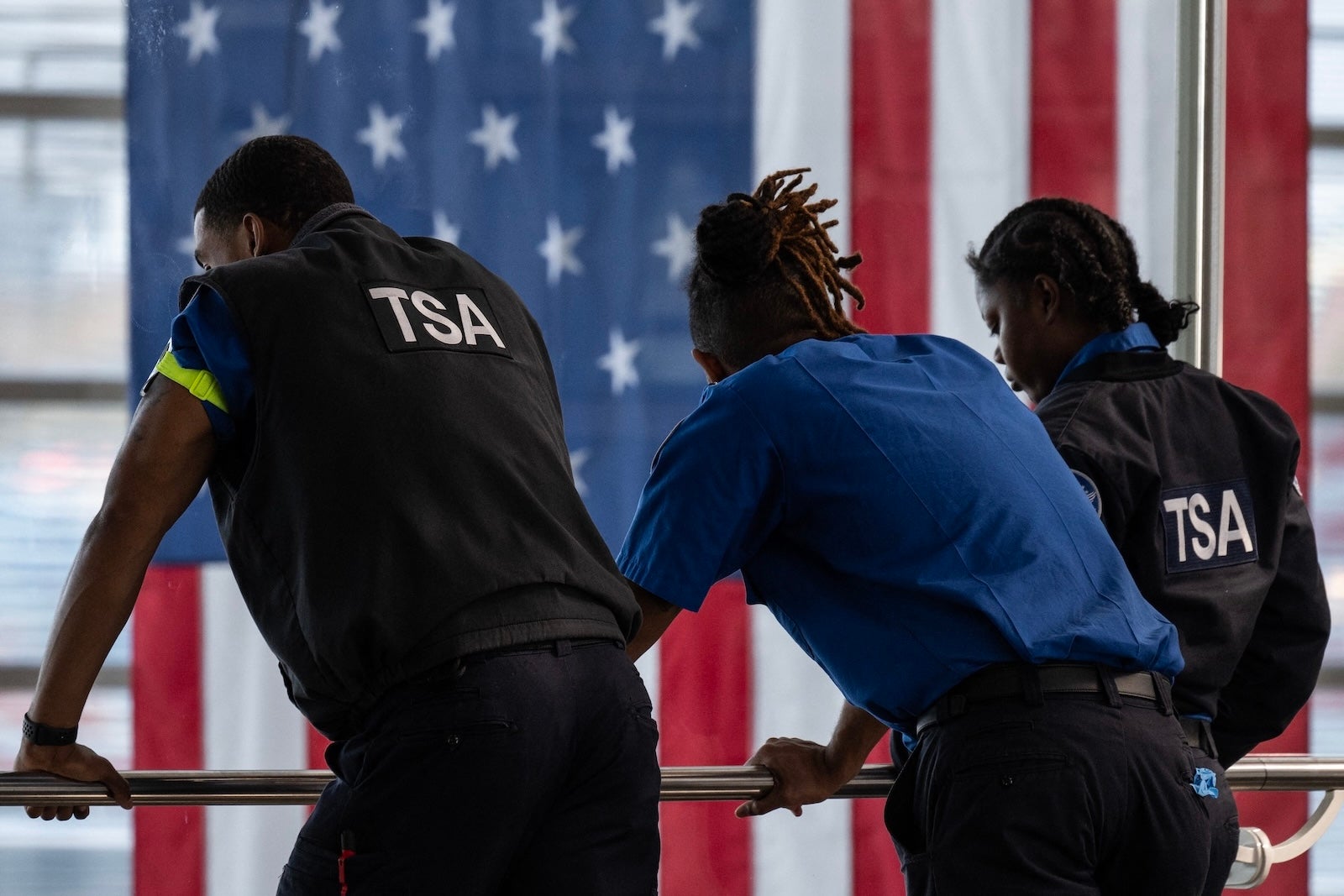
The broader implications of the shutdown extend beyond mere convenience. Security experts have raised concerns that an overworked, unpaid, and stressed workforce may be more prone to fatigue, which could theoretically impact the rigorousness of security screenings. While the TSA maintains that security standards have not been compromised, the morale of the workforce is at an all-time low. Labor unions representing federal workers, such as the American Federation of Government Employees (AFGE), have noted that many officers are beginning to seek employment in the private sector, where pay is guaranteed and the working environment is less subject to the whims of congressional budgeting cycles.
As the new week begins, all eyes remain on Washington. The stalemate over DHS funding shows few signs of a quick resolution, as both sides of the aisle remain entrenched in their respective positions. Meanwhile, the nation’s airports continue to serve as the front lines of a political battle that shows no regard for the schedules or wallets of the American public. Until a budget is passed and paychecks are restored, the "soaring" wait times seen this Sunday may simply become the new, grueling normal for air travel in 2026. Travelers are left to navigate a system that is currently defined by uncertainty, long lines, and the tireless, albeit unpaid, efforts of the federal officers holding the thin line of aviation security together.