
 By admin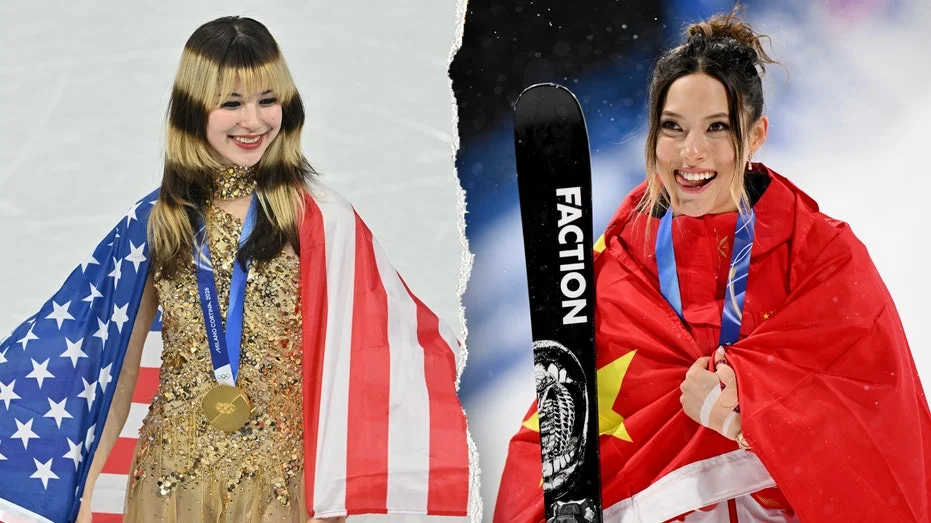
The triumph of American figure skater Alysa Liu, who recently shattered a 24-year Olympic gold medal drought for Team USA, has ignited a fervent online discussion, drawing sharp contrasts with the narrative surrounding American-born Team China skier Eileen Gu. Just moments after Liu’s historic victory, social media platforms became a battleground for patriotic fervor, with Liu’s immigrant background and unwavering loyalty to the United States taking center stage. This narrative immediately contrasted with Gu, a prominent figure in the Milan Cortina Olympics who chose to represent China despite her American upbringing.
Barstool Sports founder Dave Portnoy encapsulated this sentiment with a pointed post on X: "Alysa Liu > Eileen Gu," adding, "The triumph of America over China!" This sentiment was echoed by numerous pundits who highlighted the stark difference between Liu’s story – a testament to American loyalty from a child of immigrants – and Gu’s decision at age 15 to compete for China, a nation her mother emigrated from, while having spent her formative years in California. American lawyer and political analyst Gordon Chang articulated this sentiment to Fox News Digital, stating, "Eileen Gu is unlucky that Alysa Liu’s patriotism stands in stark contrast to Gu’s betrayal of her country."
The burgeoning discourse prompts a deeper examination of these two accomplished Olympic superstars, exploring their intertwined yet divergent paths.
Shared Roots, Divergent Loyalties: The Bay Area Connection
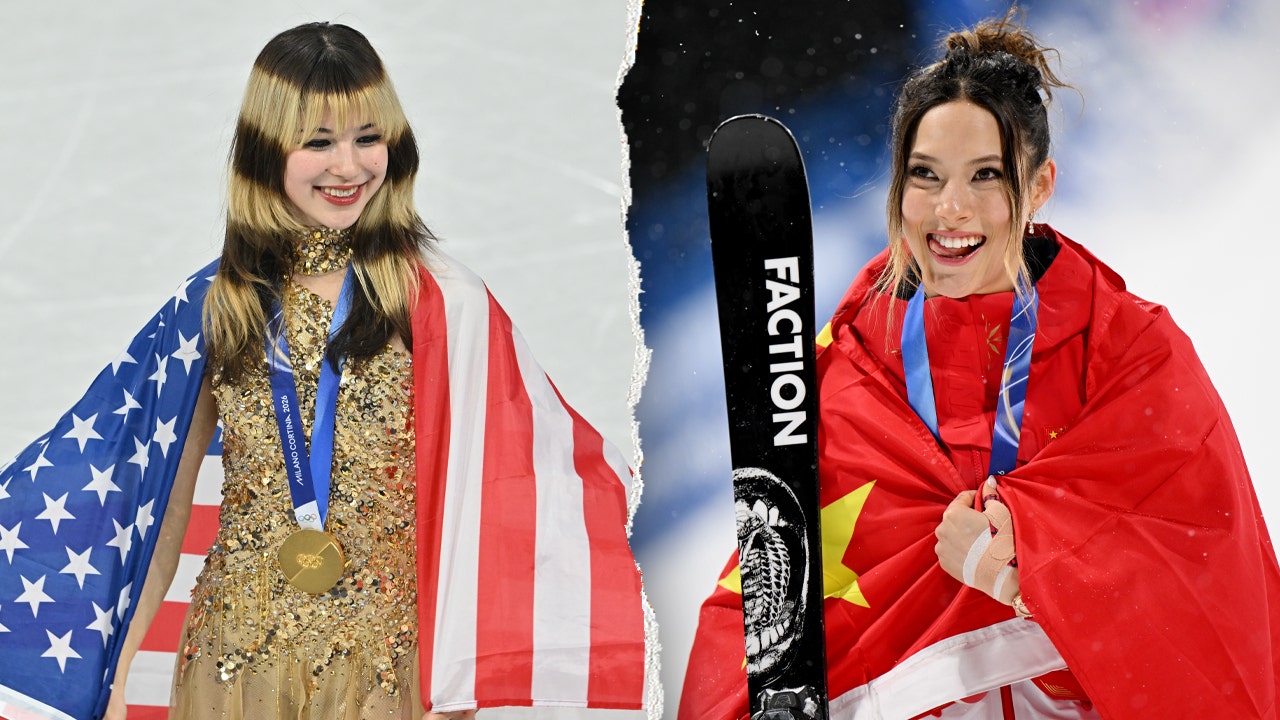
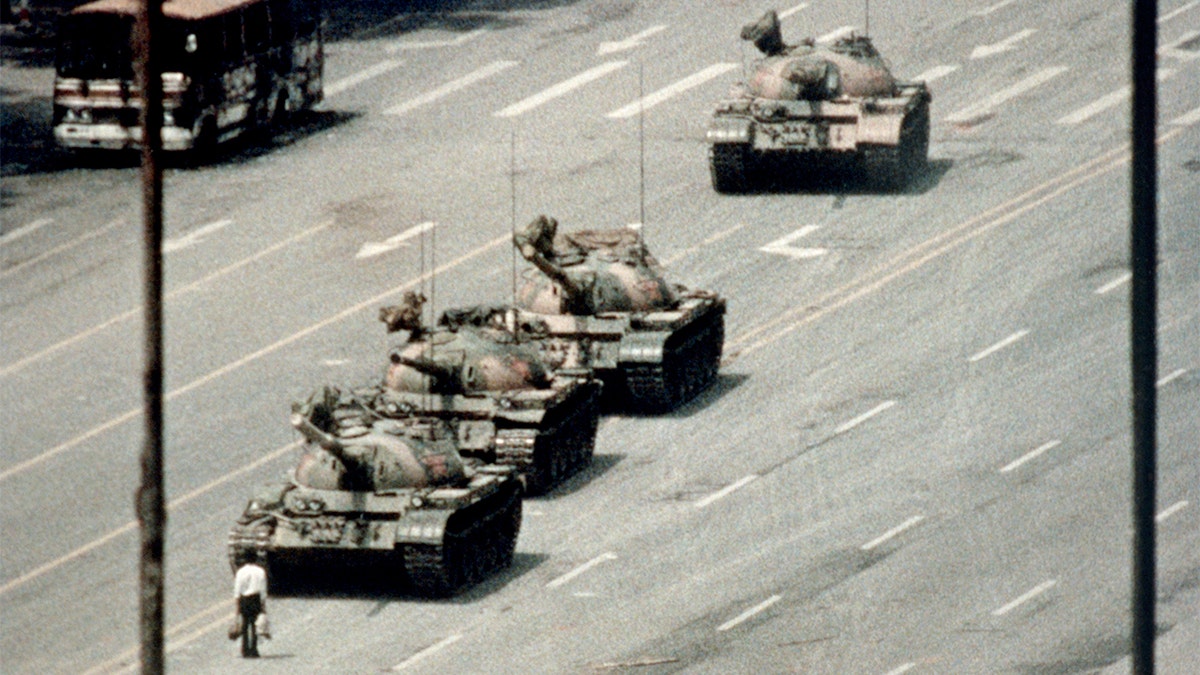
Both Alysa Liu and Eileen Gu share a remarkable commonality: they were born to single mothers who emigrated from China and both honed their athletic talents in the vibrant San Francisco Bay Area. Arthur Liu, Alysa’s father, was a witness to the seismic events of Tiananmen Square in 1989. The brutal crackdown on student-led protests, which resulted in widespread fatalities, profoundly shaped Arthur’s life and his perspective on the Chinese government. He recounted to USA Today how he refused to identify fellow students involved in the protests, facing potential imprisonment or labor camp sentences. His escape involved a perilous journey, including a clandestine boat trip to Hong Kong, before ultimately finding refuge in California. "His persistence, and he’s brave too," Alysa told Fox News Digital, reflecting on her father’s courageous past, a narrative that has deeply influenced her own understanding of freedom and loyalty.
Meanwhile, Eileen Gu’s mother, Yan Gu, pursued higher education in the United States, earning a master’s degree from Stanford University after studying chemistry and biochemistry at Peking University. Yan Gu, who gave birth to Eileen at the age of 40, raised her as a single parent. Little is publicly known about Eileen’s father, a topic she has consistently avoided discussing. In a poignant parallel, Alysa Liu does not know her own mother, having been conceived through an anonymous egg donor and gestational surrogate. Arthur Liu, a lawyer, raised Alysa and her four siblings in Oakland, while Yan Gu raised Eileen across the bay in San Francisco.
Alysa Liu’s journey in figure skating began at age five, encouraged by her father’s introduction to the Oakland Ice Center. She later benefited from the tutelage of Laura Lipetsky, a former skater herself who trained under the legendary Hall of Fame coach Frank Carroll. Gu, conversely, distinguished herself as a formidable student and athlete. She achieved a near-perfect score of 1580 out of 1600 on her SAT exams. During her summers, Gu would travel to China for intensive math tutoring, as reported by The Guardian. Her athletic career began with a Freestyle Ski World Cup appearance in January 2019, representing the United States. However, this marked her sole competition under the American flag.
China’s "Naturalization Project" and the Allure of Global Talent
The year 2018 marked a significant shift in international sports recruitment, as China embarked on an ambitious "naturalization project." This initiative, spanning from roughly 2018 to 2022, aimed to bolster China’s athletic competitiveness, particularly for the 2022 Beijing Winter Olympics and in sports like soccer. The project heavily targeted foreign-born athletes with Chinese heritage, and both Eileen Gu and Alysa Liu were identified as prime recruiting prospects.
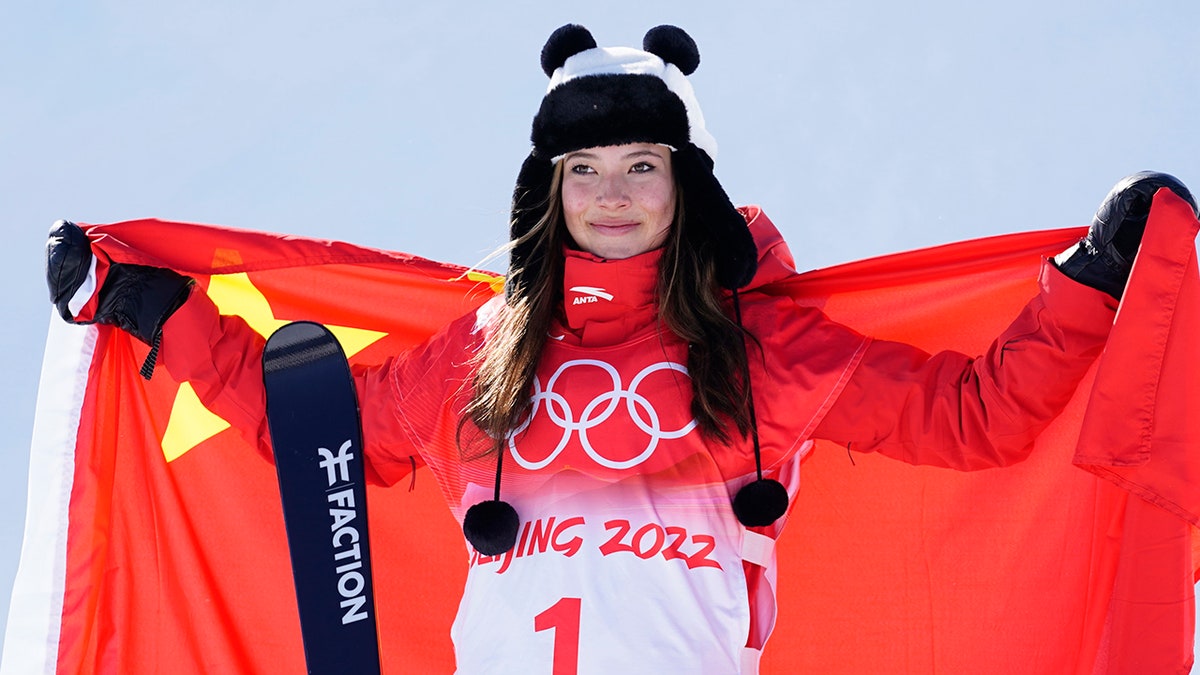
Eileen Gu, in a pivotal decision, traded her red, white, and blue for China’s red and gold. Merely months after her U.S. debut in the Freestyle Ski World Cup in January 2019, she officially switched her national affiliation to China in June of that year, following a formal request to the International Ski Federation. In a statement posted on Instagram, Gu explained her decision as a means to "help inspire millions of young people" in China and to "unite people, promote common understanding, create communication, and forge friendships between nations." Seven years later, Gu has ascended to become the highest-paid Winter Olympic athlete globally, reportedly earning an estimated $23 million in 2025 alone through lucrative partnerships with Chinese and Western corporations. The Wall Street Journal recently reported that Gu and Zhu Yi, another American-born figure skater competing for China, were awarded a combined $6.6 million by the Beijing Municipal Sports Bureau for their efforts in qualifying for the 2026 Milan Winter Olympics, with their total earnings over the past three years reportedly nearing $14 million.
In stark contrast, the Liu family remained steadfastly loyal to Team USA. Arthur Liu reportedly rebuffed any overtures for Alysa to compete for China, as noted in The Economist. Both athletes participated in the 2022 Beijing Winter Olympics, with Gu representing China and Liu competing for the United States. Gu achieved remarkable success, securing two gold medals and one silver in freeskiing, solidifying her status as a global sports icon upon her return to California. Liu, meanwhile, finished sixth in the women’s singles figure skating event and subsequently took a temporary break from the sport.
Silenced on Human Rights, Targeted by Spies: The Divergent Realities
Eileen Gu’s decision to represent China has placed her under intense global scrutiny throughout the current Olympic cycle, particularly concerning her silence on China’s alleged human rights abuses. When questioned by TIME Magazine about China’s alleged persecution of Uyghurs and other Turkic Muslim minorities in Xinjiang, Gu responded evasively. "I haven’t done the research. I don’t think it’s my business. I’m not going to make big claims on my social media," she stated, further elaborating on her skepticism towards readily available information and her need for extensive, firsthand evidence before forming an opinion. She concluded, "It’s irresponsible to ask me to be the mouthpiece for any agenda."
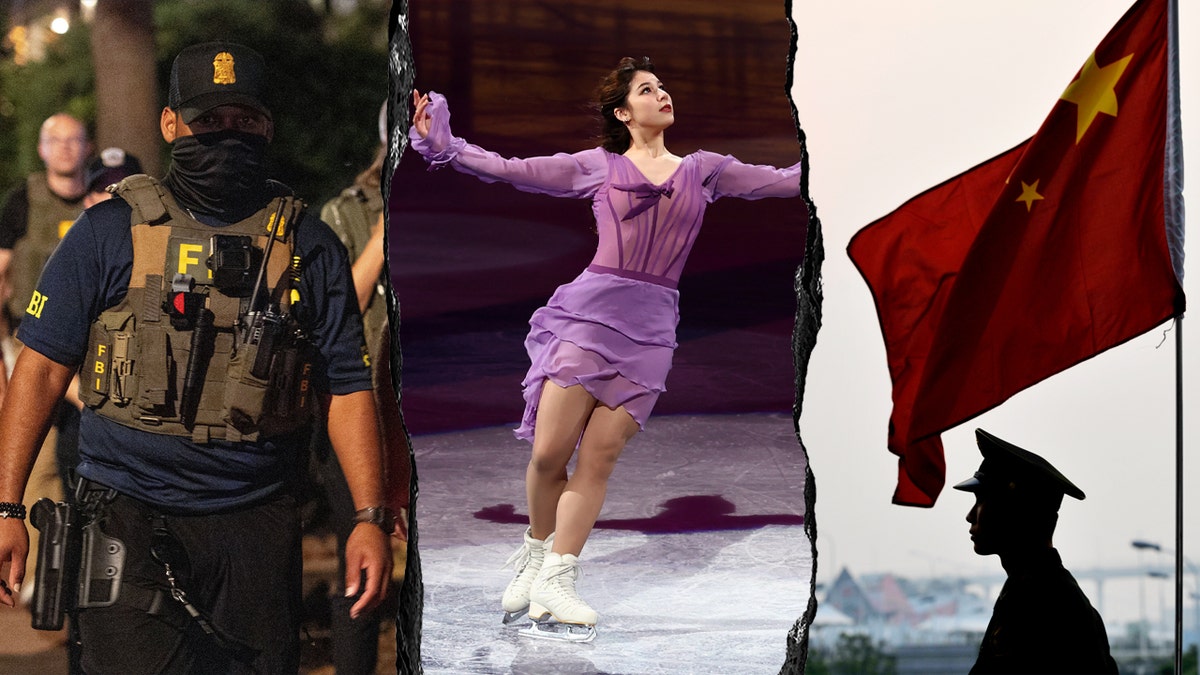
Alysa Liu, however, found herself directly in the crosshairs of the Chinese government’s actions, a situation stemming from her father’s activism and her own refusal to compete for China. Just prior to the 2022 Beijing Games, both Alysa and Arthur Liu were reportedly targeted by a Chinese government spying operation. Liu described the experience as "a little bit freaky and exciting," telling Fox News Digital in October, "You know what I mean? It’s so… unbelievable. You know what I mean like, that’s crazy." She likened the situation to being a character in a movie, noting that it made sense in the context of her father’s past activism.
The U.S. Department of Justice and the FBI intervened to protect the Liu family. Matthew Ziburis, one of five individuals charged with spying on Chinese dissidents in the U.S., allegedly impersonated a USOPC official in November 2021, requesting passport numbers from Arthur Liu and Alysa. Ziburis reportedly traveled to the Bay Area to surveil the family and extract private information for the Chinese government. Arthur Liu expressed concerns about intimidation and threats aimed at silencing their voices on human rights issues in China, acknowledging the U.S. government’s role in ensuring Alysa’s safety.
Liu found solace and security in her interactions with the FBI agent assigned to her case, describing the meetings as fascinating and reassuring. "I went like to eat dinner with her a couple times I mostly talk, because like, I’m also like, really interested in what she does, like guys like, that’s so cool to me like, I don’t know, just like meeting with an FBI agent like that’s crazy work," she shared. The FBI’s involvement provided her with a sense of safety throughout the ordeal. Despite the heightened security concerns, including escorts from the U.S. State Department and the USOPC, Liu competed in Beijing.
Following the Beijing Games, Liu announced her retirement from figure skating, citing unhappiness and trauma stemming from the experiences. "She became really unhappy," Arthur Liu told USA Today, explaining her decision. "She avoided the ice rink at all costs. She’s traumatized. She was just traumatized. She was suffering from PTSD and she wouldn’t go near the ice rink." However, Liu made a remarkable comeback in 2024, and by March 2025, she had already achieved a historic milestone, becoming the first American woman to win the World Figure Skating Championships in 19 years. Her triumphant return culminated in Thursday’s Olympic gold medal performance. Liu has even expressed openness to a film adaptation of her life story, emphasizing her desire to be portrayed as a "super cool hero" and advocating for her father’s narrative to be central to the story, acknowledging that her experiences were rooted in his past.
Global Controversy Swirls Around Gu as Social Media Debates Intensify
As Alysa Liu basks in the glow of her Olympic gold, Eileen Gu now faces the spotlight of an Olympics defined by intense global criticism, amplified by relentless social media comparisons to Liu. Gordon Chang’s assertion that Gu "should count her lucky stars she was born an American" highlights the perceived double standard, suggesting that China’s regime would not have offered such leniency had the situation been reversed.
Gu is set to compete in the women’s freestyle skiing halfpipe final, having already secured silver medals in her initial events, despite a near-disastrous crash during the qualifying round. Her performance will undoubtedly occur against the backdrop of ongoing controversy, fueled by her earlier remarks regarding former President Donald Trump and U.S. Olympian Hunter Hess. Gu expressed regret that headlines were overshadowed by non-sporting matters, emphasizing the unifying power of sport and the human spirit. She also claimed to be "caught in the crossfire," expressing sympathy for athletes who find themselves in similar situations.
The debate has extended to prominent political figures. Vice President JD Vance, in an interview on Fox News’ "The Story With Martha MacCallum," voiced his expectation that individuals who benefited from American freedoms and education systems would choose to compete for the United States. Gu, when asked if she felt like a "punching bag for a certain strand of American politics," acknowledged the sentiment. She attributed the criticism to a monolithic view of China and her success, stating, "And also, because I win. Like if I wasn’t doing well, I think that they probably wouldn’t care as much."
Gu has also detailed experiencing personal hardship due to her decision, including alleged physical assault, death threats, and a dorm robbery, recounting her experiences to The Athletic as something no 22-year-old should endure. As the Milan Cortina Games continue, the narratives of Alysa Liu and Eileen Gu remain deeply intertwined, serving as potent symbols in a broader geopolitical and cultural discourse, resonating far beyond the boundaries of the ice and snow.