
 By Lina Irawan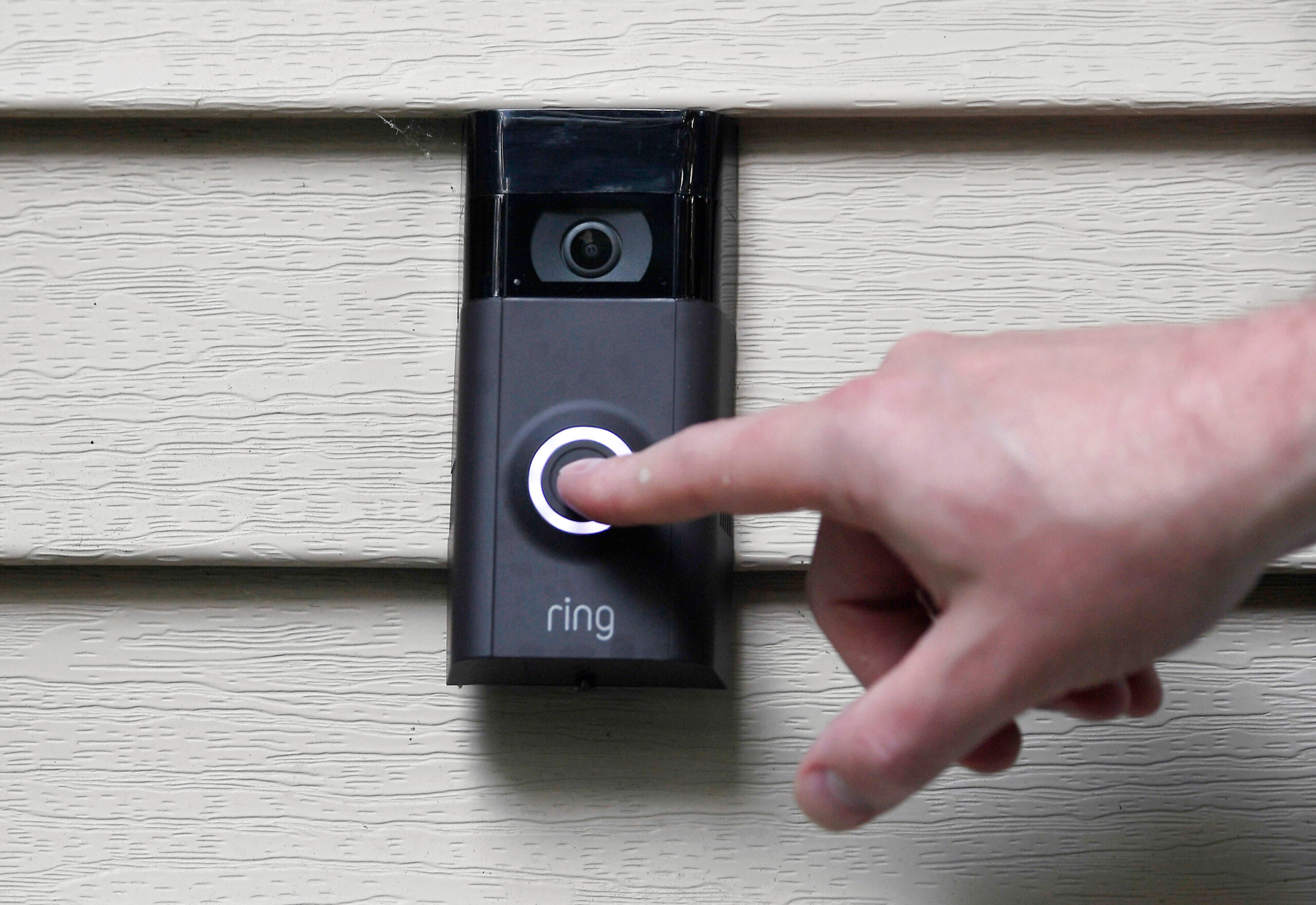
This significant development marks a strategic shift for Amazon’s Ring, the ubiquitous smart doorbell manufacturer, as it announced the termination of its planned partnership with Flock Safety, a prominent provider of automated license plate reader (ALPR) systems to law enforcement. The decision, framed by both companies as a mutual agreement, follows a period of intense public scrutiny and growing apprehension regarding the proliferation of surveillance technologies and their potential implications for civil liberties and individual privacy. While both Ring and Flock Safety cited logistical challenges and resource allocation as the primary reasons for discontinuing the integration, the announcement arrives on the heels of a widespread backlash triggered by a Ring commercial aired during the Super Bowl, which inadvertently ignited fears of a looming dystopian surveillance society.
The intended collaboration, initially announced last year, aimed to create a pathway for Ring camera owners to optionally share their video footage with law enforcement agencies in response to "Community Requests" made through Ring’s platform. This envisioned integration would have merged Ring’s vast network of residential surveillance cameras with Flock Safety’s extensive infrastructure of ALPRs, creating a potentially unprecedented mesh of private and public surveillance capabilities. However, both companies have explicitly confirmed that the integration never officially launched, and therefore, no Ring customer videos were ever transmitted to Flock Safety.
In its official statement, Ring elaborated, "Following a comprehensive review, we determined the planned Flock Safety integration would require significantly more time and resources than anticipated." This explanation suggests a complex technical or operational hurdle, potentially involving data privacy protocols, consent mechanisms, or system interoperability that proved more formidable than initially estimated. Flock Safety, in a corroborating statement, reiterated that no Ring customer data was exchanged and characterized the termination as a "mutual decision that allows both companies to best serve their respective customers." Flock also reaffirmed its commitment to "supporting law enforcement agencies with tools that are fully configurable to local laws and policies," signaling its continued dedication to its core business model.
The timing of this announcement, however, cannot be entirely decoupled from the recent public furor surrounding a 30-second Ring advertisement that aired during the Super Bowl. The ad, designed to showcase Ring’s new "Search Party" feature, depicted a lost dog being located through a network of neighborhood cameras utilizing artificial intelligence. While the ad was intended to highlight a benevolent application of Ring’s technology, it was met with widespread criticism on social media, with many viewers expressing profound discomfort and drawing parallels to a surveillance state. Critics voiced concerns that such a feature, even if initially designed for finding pets, could easily be repurposed for tracking humans, leading to a chilling erosion of privacy. It is crucial to note that Ring’s "Search Party" feature is distinct from and unrelated to the planned integration with Flock Safety. Nevertheless, the public’s visceral reaction to the Super Bowl ad underscored a heightened sensitivity to surveillance technologies and undoubtedly contributed to the broader climate of skepticism that tech companies like Ring are currently navigating.
Flock Safety operates as one of the nation’s largest providers of automated license plate reading systems. Its cameras are strategically mounted in thousands of communities across the United States, continuously capturing billions of images of license plates each month. These systems are marketed to law enforcement as crime-fighting tools, capable of identifying stolen vehicles, vehicles associated with Amber Alerts, or those involved in other criminal investigations. However, Flock’s operations have consistently faced significant public outcry, particularly during the Trump administration’s aggressive immigration enforcement crackdowns. Critics raised alarms about the potential for ALPR data to be used by federal agencies like Immigration and Customs Enforcement (ICE) or Customs and Border Protection (CBP) to track individuals, including undocumented immigrants or those seeking abortions in states with restrictive laws.
Flock Safety has consistently maintained that it does not directly partner with ICE or contract with any subagency of the Department of Homeland Security for direct access to its cameras. The company has also publicly acknowledged pausing pilot programs with Customs and Border Protection and Homeland Security Investigations last year in response to these concerns. However, a critical nuance in Flock’s operational model is its stance on data ownership. The company asserts that it does not own the data captured by its cameras; rather, its customers – primarily local police departments – retain ownership. This distinction means that if a police department chooses to collaborate with a federal agency like ICE and share the ALPR data, "Flock has no ability to override that decision," as stated on the company’s website. This policy, while technically absolving Flock of direct involvement, effectively creates a conduit through which sensitive data can flow to federal agencies, sparking continued privacy concerns among civil liberties advocates.
Beyond the specific partnership with Flock, Amazon’s Ring has a well-documented history of facing surveillance concerns regarding its doorbell cameras. Since its acquisition by Amazon in 2018, Ring has become a cornerstone of Amazon’s smart home ecosystem, deeply integrated with other Amazon products and services. The company’s "Neighbors" app, which allows users to share videos with each other and with local police departments, has been a particular flashpoint. Critics argue that these partnerships with law enforcement can create a privatized surveillance network that operates with insufficient oversight, potentially leading to racial bias in policing, over-policing of certain neighborhoods, and a lack of transparency regarding data requests and usage. Reports have shown that Ring has facilitated direct video requests from police to residents, sometimes without warrants or clear guidelines on data retention and sharing.
The Electronic Frontier Foundation (EFF), a prominent nonprofit dedicated to defending civil liberties in the digital world, has been a vocal critic of Ring’s practices. Following the Super Bowl ad, the EFF reiterated its concerns, stating that Americans should feel "unsettled" by the potential loss of privacy. The Foundation specifically highlighted Ring’s integration of biometric identification, such as face recognition, through features like "Familiar Faces." This technology, which scans faces in camera view and matches them against a list of pre-saved, pre-approved individuals, raises significant privacy red flags. The EFF warned, "It doesn’t take much to imagine Ring eventually combining these two features: face recognition and neighborhood searches," envisioning a scenario where individuals could be tracked and identified across a vast network of private cameras, effectively creating a real-time, neighborhood-wide surveillance system.
Democratic Senator Edward Markey of Massachusetts, a long-standing advocate for digital privacy, has also been a prominent voice in challenging Amazon’s surveillance technologies. In a published letter addressed to Amazon CEO Andy Jassy, Senator Markey directly referenced the backlash to the Super Bowl commercial. He asserted that the public’s reaction "confirmed public opposition to Ring’s constant monitoring and invasive image recognition algorithms," and urged Amazon to discontinue its "Familiar Faces" technology. Markey’s intervention underscores the growing legislative and political pressure on tech companies to address privacy concerns, particularly as their products become increasingly intertwined with public safety and personal security.
The termination of the Ring-Flock Safety partnership, whether driven by genuine logistical hurdles or as a strategic response to overwhelming public and political pressure, represents a significant moment in the ongoing debate over privacy, surveillance, and corporate responsibility in the digital age. For Ring, the decision might be an attempt to recalibrate its public image and distance itself from the more controversial aspects of pervasive surveillance, especially as consumer trust becomes an increasingly valuable commodity. For Flock Safety, while losing a potential avenue for data integration, it may also provide an opportunity to refine its narrative and emphasize its commitment to local law enforcement within established legal frameworks.
Ultimately, this episode highlights the delicate balance between technological innovation aimed at enhancing safety and security, and the fundamental right to privacy that citizens expect. As smart home devices and broader urban surveillance technologies become more sophisticated and interconnected, the scrutiny from civil liberties groups, policymakers, and the general public will only intensify. Companies operating in this space will face increasing pressure to demonstrate transparency, implement robust privacy safeguards, and be more responsive to public sentiment, or risk losing the trust of the very customers they aim to serve. The "joint decision" to end this partnership serves as a potent reminder that the pursuit of technological advancement must always be tempered by a deep consideration of its societal impact and ethical implications.