
 By admin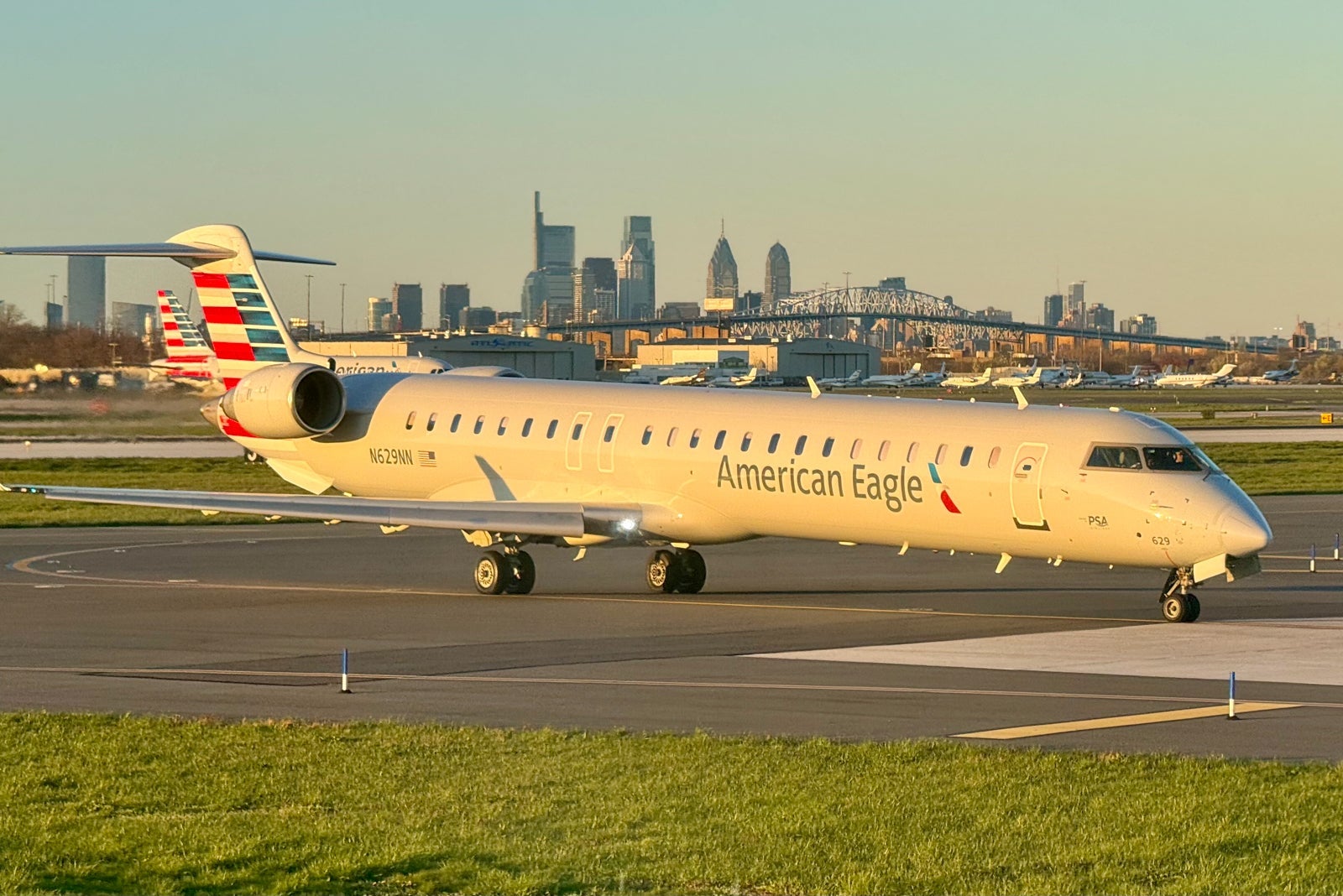
The service to Santa Maria originally launched in October 2025 with significant fanfare, positioning itself as a cornerstone of American’s broader strategic initiative to tap into secondary and tertiary markets that had long been overlooked by major network carriers. The decision to cut the route after only seven months of operation underscores the volatility of the current aviation landscape and the high bar for profitability required to sustain regional "spoke" routes in an era of rising operational costs. In a statement regarding the cancellation, a spokesperson for American Airlines noted that the flights failed to meet internal performance expectations. Furthermore, SkyWest Airlines, the regional partner that operated the flights under the American Eagle brand, proactively informed American of its intent to discontinue the service, likely due to optimization of its own crew and aircraft resources.
For the travelers of the Santa Maria Valley, the news is a significant blow to local convenience. Santa Maria Public Airport, located in Santa Barbara County, has historically struggled to maintain consistent "legacy" carrier service. With American’s departure, the airport is once again left with only one commercial tenant: Allegiant Air. While Allegiant provides essential low-cost connectivity to Harry Reid International Airport (LAS) in Las Vegas, its "ultra-low-cost" model—characterized by infrequent, point-to-point flights—is a far cry from the global network access provided by a Oneworld alliance member like American. Business travelers and residents of Santa Maria will now be forced to drive approximately 30 to 60 minutes north to San Luis Obispo Regional Airport (SBP) or south to Santa Barbara Municipal Airport (SBA) to access the major airline hubs.
The Strategy of "Experimental" Destinations
The inclusion of Santa Maria in American’s route map was part of a distinct post-pandemic philosophy. Since 2023, American Airlines has sought to leverage its unique regional fleet advantages to test markets that lacked non-stop service to major hubs. While competitors like United Airlines and Delta Air Lines have largely focused on rebuilding capacity at their primary international gateways, American utilized its regional subsidiaries and partners to "pioneer" new domestic territory.
Beyond Santa Maria, this strategy saw the addition of several other notable destinations:
- McClellan-Palomar Airport (CLD): Located in Carlsbad, California, this airport serves the affluent North County San Diego area. American’s service there is particularly unique because the airport’s short runway restricts the types of aircraft that can operate, giving American’s regional fleet a niche advantage.
- Provo Airport (PVU): Serving the rapidly growing Silicon Slopes region of Utah, Provo has become a success story for American, providing an alternative to the often-congested Salt Lake City International Airport.
- Vero Beach Regional Airport (VRB): This Florida destination tapped into high-end leisure demand, connecting the "Treasure Coast" directly to American’s primary hubs.
While CLD, PVU, and VRB continue to see service, Santa Maria appears to have fallen victim to a combination of "leakage"—where local passengers prefer driving to larger airports for more flight options—and the high operational costs associated with short-haul regional flying.
The Role of Regional Partnerships and Scope Clauses
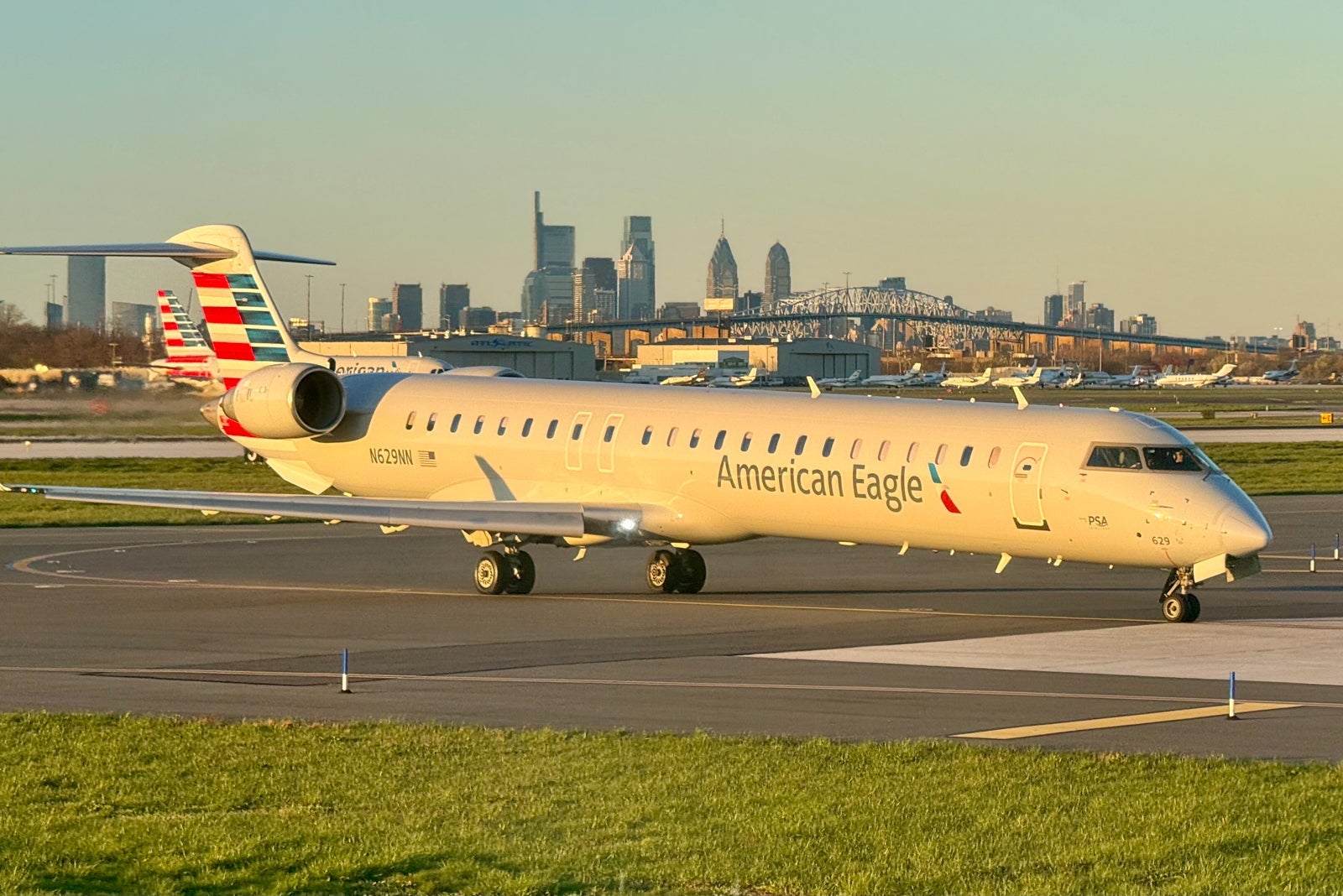
One of the primary reasons American Airlines was able to attempt the Santa Maria route in the first place lies in its labor agreements. The "scope clause" in a pilot’s contract dictates how many and what size of aircraft an airline can outsource to regional partners like SkyWest, Envoy, or Republic Airways. American Airlines currently possesses a more flexible regional jet arrangement compared to its peers. Specifically, American has the latitude to operate a large fleet of 76-seat dual-class regional jets, such as the Embraer E175 and the Bombardier CRJ900.
These aircraft are the "Goldilocks" of regional aviation: they are large enough to offer a First Class cabin and Wi-Fi, maintaining brand consistency with the mainline fleet, yet small enough to be profitable on routes with lower passenger volumes. However, even with these efficient airframes, the economics of regional flying have become increasingly strained. Following the landmark pilot contracts signed in 2023 and 2024, the cost of labor for regional pilots has skyrocketed, reaching parity with mainline pilots in many instances. This means that a route like SMX-PHX, which might have been a "break-even" prospect in 2019, is now a financial loser unless it maintains exceptionally high load factors and premium yields.
Broader Network Realignment and Long-Haul Fleet Constraints
The exit from Santa Maria is not happening in a vacuum. It coincides with a period of significant transition for American Airlines’ widebody fleet and international network. As the airline streamlines its domestic operations, it is also grappling with the logistical challenges of retrofitting its long-haul aircraft.
American is currently in the process of upgrading its fleet of 20 Boeing 777-300ER aircraft. These planes are the flagship of the fleet, typically used on high-traffic routes to London, Hong Kong, and Sydney. The retrofits involve the installation of the new "Flagship Suite" product, which features privacy doors, direct aisle access for all business-class passengers, and the elimination of the traditional international First Class in favor of a more premium, expanded Business Class offering.
Because these aircraft must be taken out of service for several weeks at a time for the interior overhauls, American has been forced to temporarily suspend several high-profile international routes for the winter 2026 season. These include:
- Charlotte (CLT) to Rome (FCO): A popular seasonal route that has seen year-round demand in recent years.
- Dallas/Fort Worth (DFW) to Frankfurt (FRA): A key business link to Europe’s financial heart.
- Miami (MIA) to Paris (CDG): A vital connection for both European and Latin American transit passengers.
To mitigate these gaps, American is eagerly awaiting the full-scale integration of the Airbus A321XLR. This "Extra Long Range" narrowbody aircraft is designed to fly up to 11 hours, allowing the airline to serve secondary European cities from the East Coast or maintain service on "thin" long-haul routes that do not justify the capacity of a 300-seat Boeing 777. The arrival of the A321XLR represents a shift in philosophy: moving away from the "hub-to-hub" dominance of widebodies and toward a more flexible, point-to-point international strategy that mirrors the domestic experimentation seen in places like Santa Maria—albeit with a much higher likelihood of success given the lower trip costs of the A321 family.
Impact on the Central Coast Aviation Market
The departure of American Airlines from Santa Maria highlights a growing trend in California aviation: the consolidation of service into "regional winners." In the Central Coast, San Luis Obispo (SBP) has emerged as the clear leader. SBP has invested heavily in terminal expansion and has successfully courted United, American, and Alaska Airlines, offering multiple daily frequencies to hubs like Denver, San Francisco, Los Angeles, Seattle, and Dallas.
When an airline like American looks at its performance data, it likely sees that a significant portion of travelers in the Santa Maria catchment area were already driving to San Luis Obispo or Santa Barbara to take advantage of better schedules or more competitive pricing. By cutting SMX, American can reallocate that SkyWest-operated CRJ900 to a more profitable route—perhaps adding a third or fourth daily frequency to a more established market where the infrastructure and demand are already proven.
Conclusion: A Pivot Toward Efficiency
As American Airlines moves toward the middle of 2026, its strategy appears focused on ruthless efficiency and premium growth. The "experiment" phase of 2023–2025, which brought service to cities like Santa Maria, is being replaced by a focus on "Fortress Hub" integrity and the rollout of the Flagship Suite.
For the passengers who had booked travel on the Santa Maria-Phoenix route after May 7, American has committed to a "customer-friendly" re-accommodation process. This will likely involve re-routing passengers through San Luis Obispo or Santa Barbara or offering full refunds. While the "so long" to Santa Maria is a disappointment for local boosters and regional airport advocates, it serves as a stark reminder of the "use it or lose it" reality of modern commercial aviation. In the high-stakes world of airline network planning, even the most promising new routes must eventually answer to the bottom line.