
 By admin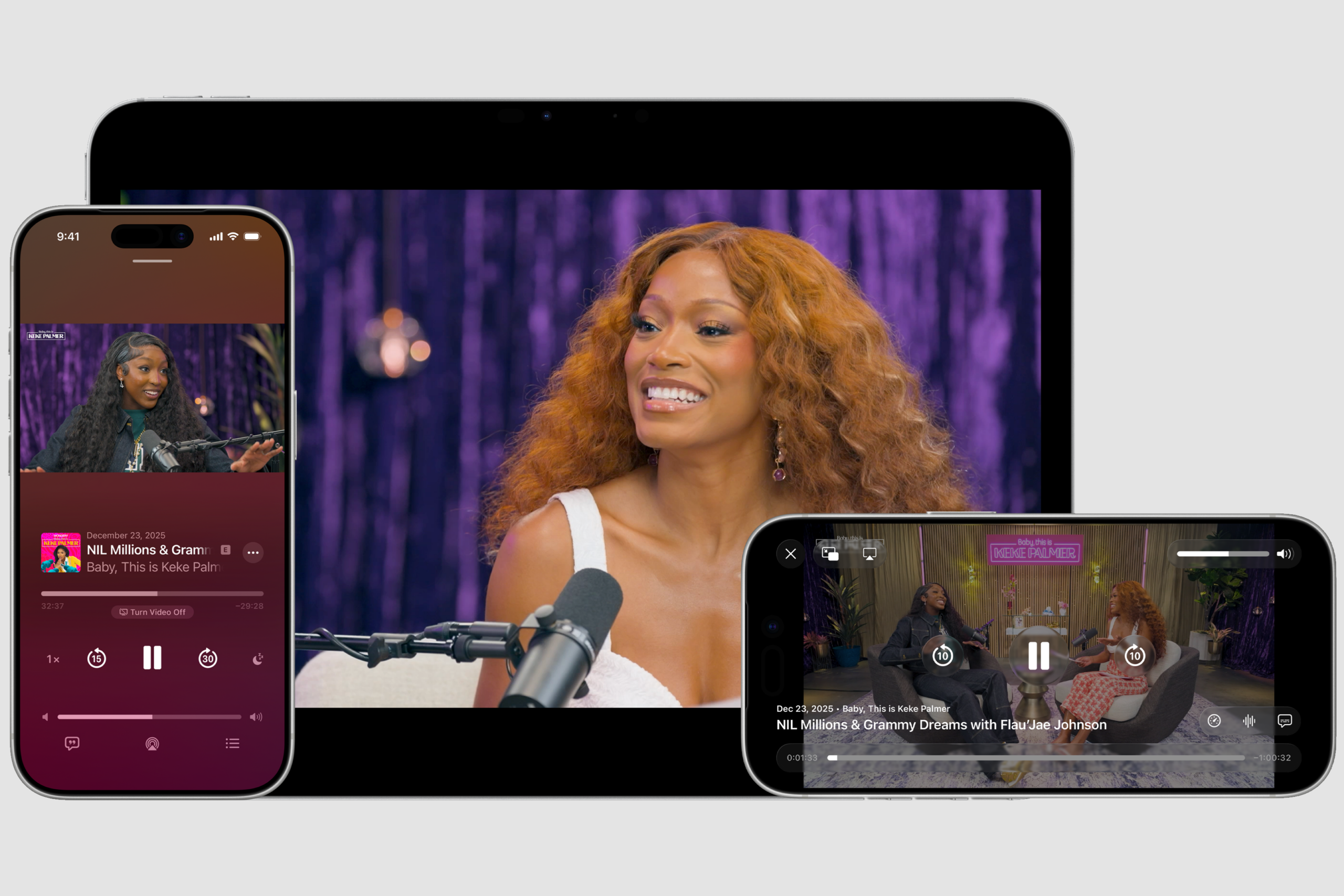
Apple Podcasts is making a definitive leap into the visual realm, fully integrating video capabilities into its long-standing audio platform. This strategic move, announced by the tech giant, signals a significant evolution for a service that was instrumental in popularizing the podcasting format. The decision comes as Apple faces intensifying competition from platforms like YouTube and Spotify, where video has become an increasingly dominant way for audiences to consume podcasts. Starting this spring, Apple Podcasts will offer "advanced video capabilities" across its ecosystem, including iPhone, iPad, Apple Vision Pro, and its web interface. This enhancement allows users to seamlessly switch between watching and listening to video podcasts directly within the Apple Podcasts app. Viewers will have the option to expand videos to a full horizontal display and can even download episodes for offline viewing. Crucially, these video episodes will be deeply integrated with existing Apple Podcasts features, such as personalized recommendations and curated editorial content on the "New" tab and within category pages, ensuring a cohesive and engaging user experience.
Apple’s relationship with video podcasts dates back to 2005, when it first began supporting the format. However, until now, the distribution of video podcasts within the Apple Podcasts app relied on the older RSS method. This approach presented a significant hurdle for creators: offering both audio-only and video versions of a podcast necessitated creating two entirely separate show entries, complicating management and discovery for both creators and listeners. The new, enhanced video podcast experience leverages Apple’s proprietary HTTP Live Streaming (HLS) protocol. HLS is a robust adaptive streaming technology that dynamically adjusts bandwidth usage based on network conditions, ensuring a smoother viewing experience regardless of internet speed. This integration marks a pivotal moment, as it enables creators, for the first time, to dynamically insert video advertisements—including host-read spots—directly into their podcasts. This capability opens up significant new revenue streams and monetization opportunities for podcast creators. As of Monday, February 16th, developers can begin testing HLS video in Apple Podcasts through beta versions of iOS 26.4, iPadOS 26.4, and visionOS 26.4, paving the way for a widespread launch.
Eddy Cue, Apple’s Senior Vice President of Services, articulated the significance of this development, stating, "Twenty years ago, Apple helped take podcasting mainstream by adding podcasts to iTunes, and more than a decade ago, we introduced the dedicated Apple Podcasts app. Today marks a defining milestone in that journey. By bringing a category-leading video experience to Apple Podcasts, we’re putting creators in full control of their content and how they build their businesses, while making it easier than ever for audiences to listen to or watch podcasts." This statement underscores Apple’s commitment to empowering creators and enhancing the listener experience by embracing the evolving landscape of digital media consumption.
The distribution of video podcasts on Apple Podcasts will be facilitated through a network of participating hosting providers and ad networks. At launch, four key companies are supporting HLS video: Acast, Amazon’s ART19, Triton Digital’s Omny Studio (a division of iHeartMedia), and SiriusXM’s SiriusXM Media, AdsWizz, and Simplecast. This initial roster is expected to expand with additional providers joining in the near future, ensuring broad compatibility and accessibility for creators. Notably, Apple will not charge hosting providers or creators for distributing podcasts on its platform, regardless of whether they use traditional RSS/MP3 or the new HLS video format. However, the company will implement an impression-based fee for participating ad networks for the delivery of dynamic ads within HLS video content on Apple Podcasts, a model that is slated to begin later in 2026. This approach aims to foster a robust advertising ecosystem while keeping the core distribution free for content creators.
Industry leaders have lauded Apple’s move as a transformative step for the podcasting industry. Scott Walker, SiriusXM’s Chief Advertising Revenue Officer, commented, "Podcasting has evolved leaps and bounds over the past decade, and this innovation from Apple helps to keep the integrity of what makes the medium so special, while enhancing video and audio with new capabilities as the two formats continue to converge." This sentiment highlights the recognition that video is not merely an add-on but a natural progression that can enhance the existing strengths of podcasting. Geoff Mattei, CEO of ART19, echoed this view, stating, "Video is the next chapter for podcasting. Simplifying audio distribution and empowering creators with flexible monetization solutions are what ART19 was built on, and now video deserves that same experience." This emphasizes the critical role of simplification and monetization in driving the adoption of new formats. Greg Glenday, CEO of Acast, emphasized the strategic importance of this integration for his company: "Our integration with Apple Podcasts’ new video features reinforces our position as a vital growth engine for modern podcast businesses. We’re ensuring that no creator or advertiser leaves revenue or reach on the table." This points to the economic advantages and expanded reach that the new video capabilities offer. Sharon Taylor, Triton Digital’s Chief Revenue Officer, highlighted the benefits of Apple’s "open approach": "An open approach that enables publishers to retain control over their audiences, advertising, and measurement – while expanding access to content across formats – supports long-term growth and greater choice for listeners." This perspective underscores the value of creator autonomy and listener choice in the evolving media landscape.

The move by Apple Podcasts into video is not just a technological upgrade; it represents a strategic recalibration in response to market trends and a proactive effort to maintain its leadership in the audio-first podcasting space. The rise of video podcasting on platforms like YouTube has demonstrated a significant audience appetite for visually engaging content, leading to increased listenership and monetization opportunities. YouTube, in particular, has become a de facto discovery engine for many podcasts, often overshadowing dedicated podcasting apps. Spotify has also made substantial investments in video podcasts, further intensifying the competitive pressure. By integrating advanced video features, Apple aims to recapture and retain this audience segment, offering a more compelling and comprehensive listening and viewing experience directly within its own ecosystem.
Historically, podcasting’s appeal has been its accessibility and intimacy, often consumed during commutes, chores, or workouts where visual engagement is secondary. However, the proliferation of high-quality video content across all digital platforms has conditioned audiences to expect visual accompaniment. This has led many creators to invest in video production, even if it was primarily distributed on YouTube or other social media platforms, with only the audio version making its way to traditional podcast apps. The new Apple Podcasts features address this disconnect by providing a unified platform where both audio and video can be seamlessly managed and consumed. This simplifies the creator workflow and offers listeners a more integrated experience, potentially increasing engagement and session times.
The introduction of HLS streaming is particularly significant for monetization. The ability to dynamically insert ads means that creators can now implement more sophisticated advertising strategies, akin to those found in traditional broadcast television or premium streaming services. This includes the possibility of personalized ad insertions based on listener demographics or behavior, as well as the traditional host-read advertisements that have been a hallmark of the podcasting medium. For advertisers, this opens up a new, highly engaged audience within a platform that has historically commanded significant user loyalty. The impression-based fee structure for ad networks suggests a move towards a more performance-oriented advertising model, aligning with industry standards.
The current podcasting landscape is a complex ecosystem with a diverse range of players, from independent creators to large media conglomerates. Apple’s dominance in the podcast app market has given it considerable influence over the industry’s direction. By embracing video, Apple is not only responding to competition but also shaping the future of how podcasts are created, distributed, and consumed. The focus on empowering creators with control over their content and monetization is a crucial aspect of this strategy. While Apple doesn’t charge for distribution, its revenue generation through ad networks indicates a balanced approach to ecosystem growth, aiming to benefit all stakeholders.
Looking ahead, the integration of video into Apple Podcasts is likely to accelerate the convergence of audio and video content. As more creators adopt these new capabilities, the distinction between a "podcast" and a "video show" may continue to blur. This could lead to new creative formats and storytelling techniques that leverage both auditory and visual elements in innovative ways. The success of this initiative will depend on several factors, including the adoption rate by creators and hosting providers, the user experience within the app, and Apple’s continued investment in platform features and creator support. However, with its established user base and commitment to innovation, Apple Podcasts’ embrace of video appears poised to redefine the podcasting experience for millions worldwide. The platform’s reach, extending to over 170 countries and territories and offering millions of shows across hundreds of categories, provides a substantial foundation for this new chapter in podcasting’s evolution. The continued support for premium subscriptions, offering exclusive content and ad-free listening, further solidifies Apple’s commitment to providing diverse value propositions for both creators and consumers within the podcasting ecosystem.