
 By admin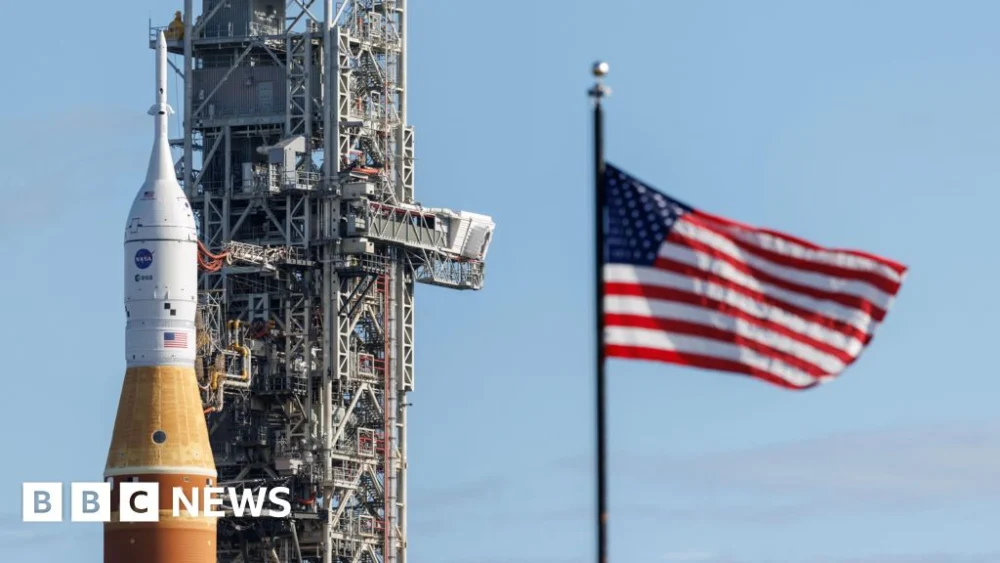
NASA’s highly anticipated Artemis II mission, poised to send astronauts on a groundbreaking journey around the Moon for the first time in half a century, is facing a significant setback. The agency announced that an issue discovered during critical safety checks, specifically an interruption in the helium flow system, will "almost assuredly impact the March launch window." This development casts a shadow over the planned early March liftoff, pushing back a mission that represents a pivotal step in humanity’s return to lunar exploration.
The Artemis II mission, a 10-day crewed voyage, is designed to carry four astronauts – three from the United States and one from Canada – on an unprecedented 10-day journey that will take them further into space than any humans have ever ventured. Their trajectory will include a flyby of the Moon, allowing for close-up observation of its surface before returning to Earth. This mission is not only a testament to human ingenuity and decades of scientific advancement but also serves as a crucial precursor to Artemis III, which aims to land astronauts back on the lunar surface for the first time since 1972.
The problematic helium flow issue was identified following a complex and extensive launch rehearsal. On Thursday, engineers conducted a "wet dress rehearsal," a critical procedure that involves loading the massive Space Launch System (SLS) rocket with approximately 730,000 gallons of propellant over a 50-hour period. This simulation is designed to mimic the actual launch sequence, allowing for rigorous testing of all systems. Initially, the rehearsal appeared to be a success, with no immediate faults detected. However, the situation took a turn overnight on Friday when engineers monitoring the process observed an unexpected interruption in the flow of helium.
Helium plays a vital role in the operation of the SLS rocket. It is essential for pressurizing the fuel tanks, ensuring the proper flow of propellants to the engines, and also for cooling various rocket systems. According to NASA, any disruption to helium flow is considered a serious technical issue that requires thorough investigation and resolution before a crewed launch can proceed. The agency’s statement on Saturday explicitly acknowledged that this finding would "almost assuredly impact the March launch window," effectively confirming a delay to the mission.
The Artemis II crew, comprised of veteran astronaut Reid Wiseman, pilot Victor Glover, mission specialist Christina Koch – all from NASA – and Canadian Space Agency astronaut Jeremy Hansen, has been undergoing rigorous training in preparation for this historic flight. Their journey around the Moon will provide invaluable data and experience, pushing the boundaries of human spaceflight and paving the way for future lunar endeavors. The mission’s success is paramount, as it directly influences the timeline for Artemis III, a mission that carries the ambitious goal of landing humans, including the first woman and the first person of color, on the Moon by 2028. While NASA has acknowledged this target date might be optimistic, the Artemis II mission’s progress is a key determinant.
This latest development highlights the inherent complexities and challenges of deep space exploration. The Artemis program, a cornerstone of NASA’s ambitious plans for lunar exploration and eventual Mars missions, has already overcome numerous technical hurdles. Earlier in the development process for the SLS rocket, engineers encountered issues with filters and seals that led to hydrogen leaks during testing. These problems were subsequently addressed and rectified, allowing for the successful completion of previous simulations. The dedication and expertise of the NASA team, led by launch director Charlie Blackwell-Thompson, were evident in her earlier remarks. Following the successful completion of Thursday’s simulation, she expressed immense pride in the team, stating that the rehearsal felt like "a big step in us earning our right to fly."
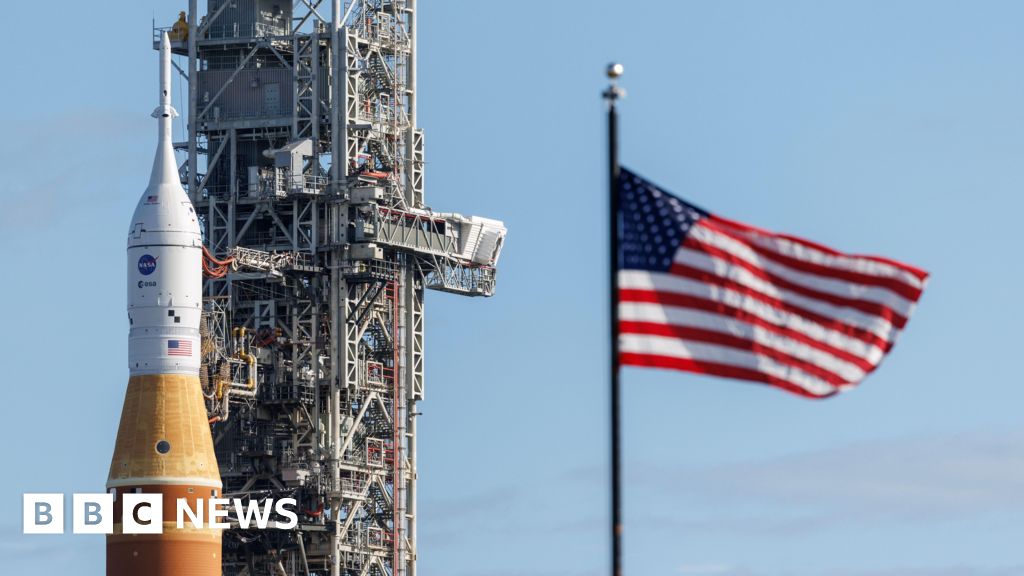
The interruption in helium flow presents a new, albeit solvable, challenge. Engineers will now need to meticulously diagnose the root cause of the disruption. This could involve inspecting valves, seals, and the overall plumbing system responsible for delivering helium to the rocket. The process of identifying, rectifying, and re-testing any affected components can be time-consuming, especially given the intricate nature of the SLS rocket and the stringent safety protocols that govern crewed spaceflight.
The significance of the Artemis program cannot be overstated. It represents a renewed commitment to lunar exploration, moving beyond the Apollo era’s scientific objectives to establish a sustainable human presence on the Moon. This includes the development of technologies and infrastructure necessary for long-duration stays, resource utilization, and scientific research that can provide insights into the Moon’s geological history, potential for water ice, and its role in the formation of the solar system. The Artemis program is also intended to foster international collaboration, with several countries contributing to the program and its objectives.
The decision to delay the Artemis II launch, while disappointing, underscores NASA’s unwavering commitment to astronaut safety. The agency has a zero-tolerance policy for compromising on safety protocols, and any indication of a potential technical failure, no matter how minor it may initially appear, will trigger a thorough investigation and necessary corrective actions. The space agency’s transparency in communicating these challenges to the public is also crucial, as it builds trust and understanding regarding the complex realities of space exploration.
The Artemis II mission’s objective of sending astronauts to orbit the Moon and back is a crucial stepping stone. It will test the Orion spacecraft’s life support systems, navigation, and reentry capabilities with a human crew, providing vital data for future missions. The astronauts will also conduct experiments and gather scientific observations, contributing to our understanding of the lunar environment and its potential for future human habitation. The experience gained from this mission will be instrumental in refining procedures and technologies for Artemis III and subsequent missions, which aim to establish a permanent lunar base and prepare for eventual voyages to Mars.
The delay, therefore, is not merely a postponement of a single launch but a necessary adjustment in a long-term strategic endeavor. The insights gained from troubleshooting the helium flow issue will undoubtedly contribute to the overall robustness and reliability of the Artemis program. As engineers delve into the problem, the focus will be on a comprehensive understanding of the system’s behavior and the implementation of lasting solutions.
The broader implications of the Artemis program extend beyond scientific and technological advancements. It serves as a powerful source of inspiration for future generations of scientists, engineers, and explorers. The images of astronauts journeying to the Moon, a celestial body that has captivated humanity for millennia, ignite a sense of wonder and possibility. The success of Artemis II, even with its initial delay, will undoubtedly fuel this inspiration, demonstrating that humanity’s reach for the stars continues to expand.
The journey to the Moon is fraught with challenges, both foreseen and unforeseen. The current setback with the helium flow is a stark reminder of the complexities involved in designing, building, and operating rockets capable of venturing into deep space. However, it is also a testament to the resilience and problem-solving capabilities of the engineers and scientists at NASA and its international partners. Their meticulous approach to safety and their dedication to pushing the boundaries of human exploration are the very qualities that will ultimately ensure the success of the Artemis program and its ambitious goals. The world watches with anticipation, eager for the day when astronauts once again embark on a voyage to the Moon, a journey made possible by unwavering commitment, scientific rigor, and the enduring spirit of human exploration. The delay, while a temporary pause, ultimately serves to strengthen the foundation for humanity’s sustained presence beyond Earth.