
 By admin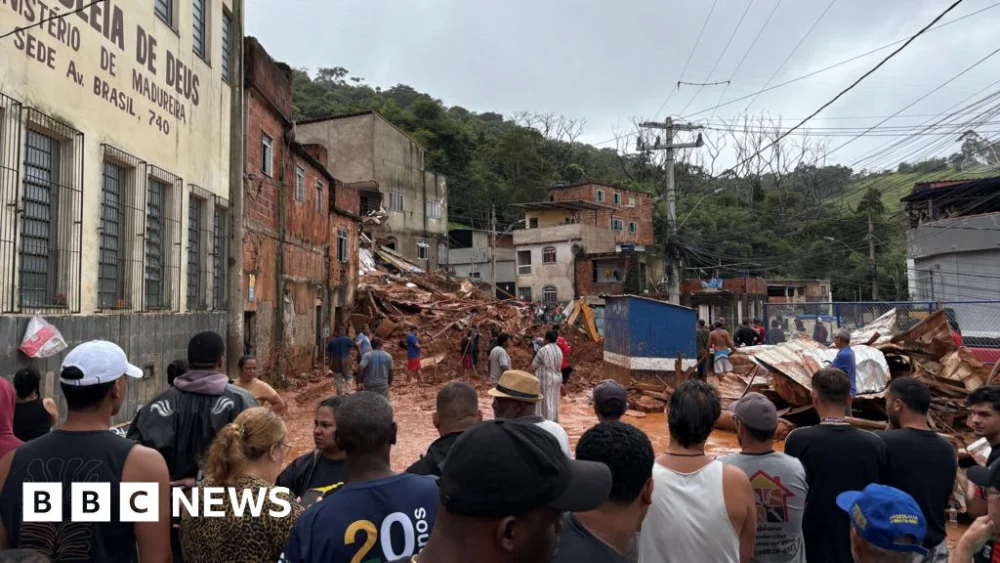
The southeastern Brazilian state of Minas Gerais is grappling with a devastating aftermath of torrential rains that swept through the region on Monday evening, unleashing catastrophic floods and a series of deadly landslides. The relentless downpour has claimed the lives of at least 20 individuals, leaving a trail of destruction and plunging communities into mourning. The city of Juiz de Fora has been particularly hard-hit, reporting the majority of fatalities with 15 deaths confirmed, while the nearby municipality of Ubá has tragically recorded six additional lives lost.
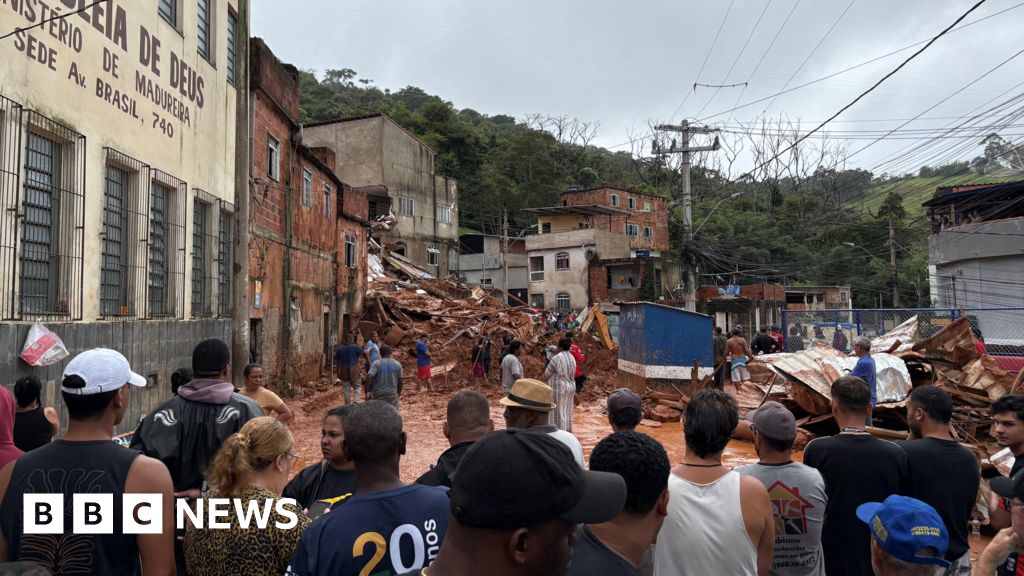
The scale of the disaster is starkly evident in the ongoing rescue operations. Emergency responders, alongside desperate residents, are tirelessly sifting through the debris in a frantic search for dozens of people who remain missing. The overnight collapse of numerous homes and buildings, swallowed by mudslides and inundated by raging floodwaters, has created scenes of unimaginable devastation. The images emerging from the affected areas are heart-wrenching, depicting a landscape scarred by nature’s fury.
In response to the unfolding tragedy, Brazilian President Luiz Inácio Lula da Silva has extended his "deepest condolences" to the grieving families of the victims and to all those who have lost their homes and livelihoods. Recognizing the severity of the crisis, the federal government has officially declared a "state of calamity" in Juiz de Fora, a measure that unlocks crucial resources and facilitates a coordinated emergency response. President Lula took to the social media platform X (formerly Twitter) to announce the mobilization of the entire government apparatus to provide immediate support to the affected region. His primary focus, he stated, is on delivering vital humanitarian assistance and spearheading reconstruction efforts with the "speed and force this moment requires." This commitment underscores the federal government’s understanding of the immense challenge ahead in rebuilding lives and infrastructure.
The human toll extends beyond the tragic loss of life. In Juiz de Fora alone, approximately 440 individuals have been rendered homeless or displaced. The local government has responded by establishing temporary shelters to house those displaced, while simultaneously launching an urgent appeal for donations of essential supplies, including water, food, clothing, and hygiene products. The community’s spirit of solidarity is being put to the test as citizens rally to support their neighbors in their time of greatest need.
Mayor Margarida Salomão of Juiz de Fora has described the current situation as the "saddest" moment of her five-year tenure in local government. In a poignant tribute to the victims, she has declared three days of official mourning, a period of solemn remembrance for all those who perished in the city. The mayor confirmed that children were among the casualties in Juiz de Fora, though official details regarding the identities of the victims have not yet been released, likely due to the ongoing identification processes amidst the chaos.
The personal stories emerging from the disaster zones are profoundly moving. Valtencir Coutinho de Miranda, his voice heavy with anguish, made an emotional plea on live television while participating in the search for his six-year-old daughter, who is among the missing. Clutching a shovel amidst the mud and rubble left by a devastating landslide, he told TV Globo: "We are here to find her, with God giving us strength and comforting our hearts, so that we may find her alive." His desperate plea encapsulates the hopes and fears of countless families clinging to the possibility of finding their loved ones safe.
Another heart-wrenching account comes from a man who, despite helping to rescue a four-year-old child and three adults from a landslide-affected area in Juiz de Fora, admitted that he was still searching for his nephew. Tears streaming down his face, he shared with local media, "In that moment you don’t choose who you help, you just do your best to help." His selfless act of immediate assistance, even while grappling with his own personal loss and uncertainty, speaks volumes about the resilience and compassion of the human spirit in the face of unimaginable tragedy.
The visual evidence of the disaster’s scope is overwhelming. Videos circulating on social media platforms offer a stark and disturbing glimpse into the widespread devastation. These clips showcase muddy torrents carrying away vehicles and other debris through the streets of Juiz de Fora, with numerous buildings succumbing to the force of the floods and landslides. One particularly poignant video, captured by a local resident in Ubá, depicts the grim reality of the flooding, showing several caskets being swept away by the rising waters as they passed through a funeral home in the city. This somber imagery underscores the pervasive impact of the disaster, reaching even places of solemn reflection.
Further illustrating the sheer power of the torrential rains, an image released by local government authorities reveals the dramatic impact on a prominent landmark above Juiz de Fora known as Morro do Cristo. The once-familiar hill has been significantly eroded by the rushing waters, with a deep gorge carved through its center, a stark testament to the destructive force of the deluge.
Minas Gerais Governor Romeu Zema echoed the sentiment of collective grief, describing the day as a "sad day" for the state. He conveyed his profound solidarity with the families who have been so brutally affected by the intense downpours. Local officials have highlighted the unprecedented nature of this February’s rainfall in Juiz de Fora, noting that the current precipitation levels have already surpassed double the average expected for the entire month. This climatic anomaly has exacerbated the vulnerability of the region, which, like much of Brazil, is accustomed to seasonal rains but not to this extreme intensity.
In anticipation of further severe weather, Brazil’s national meteorological institute issued a heavy rain alert on Tuesday, encompassing the entirety of Minas Gerais, Rio de Janeiro, and 12 other Brazilian states. This broad alert signals the widespread meteorological challenge facing the country.
It is important to contextualize these events within Brazil’s prevailing climate. The nation is currently in the midst of its summer season, which coincides with the peak of the rainy season. During this period, thunderstorms, widespread flooding, and landslides are unfortunately common occurrences across many parts of the country. However, the intensity and scale of the recent events in Minas Gerais appear to have surpassed typical patterns, suggesting a potential shift or intensification of extreme weather phenomena, which could be linked to broader climate change trends. The combination of heavy rainfall and the often precarious nature of housing in hilly or densely populated areas in Brazil creates a dangerous synergy, making communities particularly susceptible to landslides. The disaster serves as a stark reminder of the ongoing need for robust disaster preparedness, improved infrastructure, and effective urban planning to mitigate the impact of such extreme weather events. The recovery and reconstruction efforts in Minas Gerais will undoubtedly be a long and arduous process, requiring sustained support from all levels of government and the international community.