
 By admin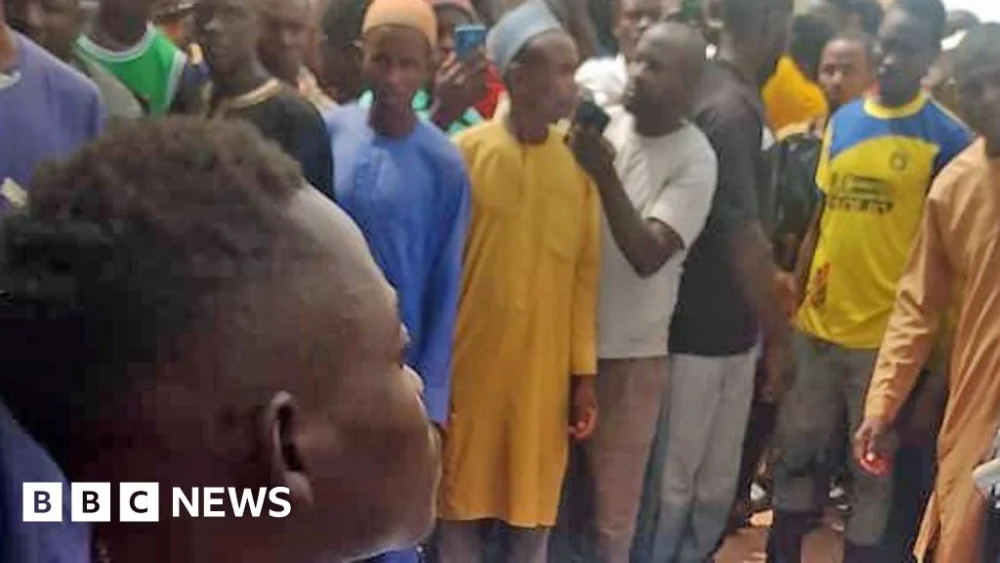
A devastating incident has struck the heart of Nigeria’s mining sector, claiming the lives of at least 37 miners in a suspected carbon monoxide leak at a lead and zinc mine in Plateau State. The tragedy, which occurred just before dawn at a Solid Unity Nigeria Ltd. operation near the town of Wase, has sent shockwaves through the local community and raised urgent questions about safety protocols in the nation’s often perilous extractive industries.
The exact circumstances leading to the catastrophic gas buildup are still under investigation, but preliminary reports suggest that toxic fumes, likely carbon monoxide, accumulated within the poorly ventilated underground tunnels. This lethal accumulation is believed to have incapacitated the miners as they neared the end of their night shift. The grim discovery was made by a new shift of workers arriving to begin their duties, who found their colleagues tragically deceased. In a desperate race against time, over 20 other miners who were still alive were rapidly rescued and transported to a local hospital in Wase for urgent medical attention.
The mine, located approximately 200 kilometers (124 miles) southeast of the state capital, Jos, has been cordoned off by security personnel. Authorities have initiated a comprehensive investigation to determine the precise cause of the leak and to assess any potential negligence or systemic failures. However, the response and investigation efforts have reportedly been hampered by security concerns. Plateau State has, in recent years, been plagued by the activities of armed criminal gangs, locally referred to as "bandits," whose presence creates a volatile environment and poses a significant risk to officials attempting to access the remote mining site. State officials have yet to make an official visit to the affected area, a delay that may be attributed, in part, to these ongoing security challenges.
Safiyanu Haruna, one of the miners who was among the first to encounter the horrifying scene, provided a harrowing account to the BBC. He described the incident occurring around 06:30 local time (05:30 GMT), shortly after the miners had completed their early morning Muslim prayers and returned to the depths of the mine to conclude their work. "It was carbon-monoxide gas that leaked and killed them," Haruna stated, his voice heavy with grief and shock. He further explained the immediate lack of rescue possibilities, emphasizing that the morning shift workers had not yet fully arrived when the discovery was made. "There was no rescue for them at the time because those who were coming for the morning shift had yet to arrive," he added, painting a stark picture of the sudden and overwhelming nature of the disaster.
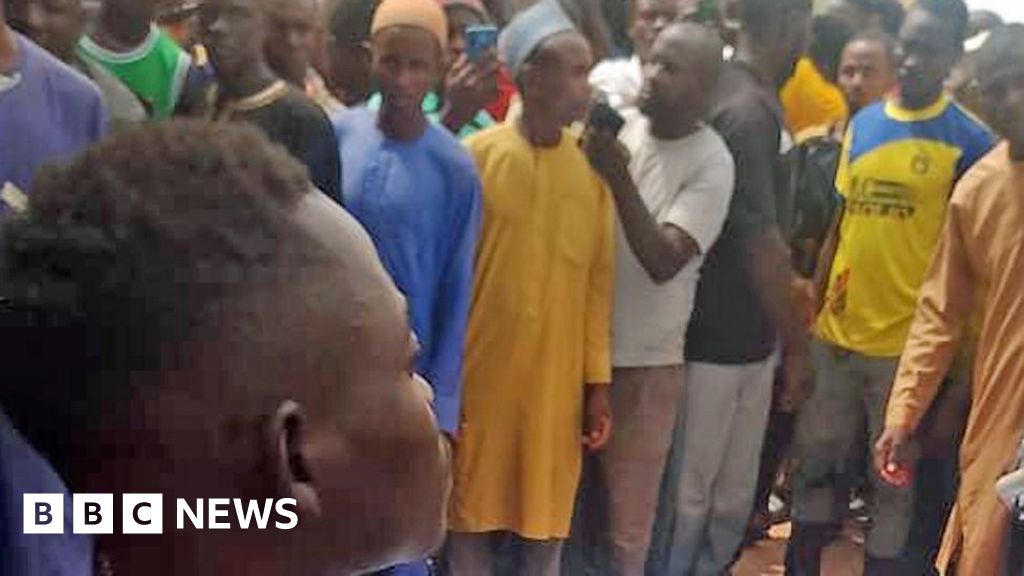
The victims, who are believed to be men aged between 20 and 40, were swiftly buried in accordance with local Islamic traditions, a somber testament to the rapid and devastating loss experienced by the predominantly Muslim community. The news has plunged the area into profound mourning, with the tight-knit community grappling with the immense scale of the tragedy.
Mining disasters are, unfortunately, not an uncommon occurrence in Nigeria, a nation rich in mineral resources but often lacking in robust safety regulations and enforcement. This latest incident evokes memories of a similar tragedy less than two years ago, when dozens of gold miners lost their lives after being trapped underground when a pit collapsed in neighboring Niger State. At that time, officials attributed the collapse to torrential rains that had weakened the soil, highlighting the vulnerability of mining operations to environmental factors.
The recurring nature of these mining accidents is expected to intensify scrutiny on the safety standards prevalent within Nigeria’s mining sector. Experts have long voiced concerns about the inadequate implementation of safety protocols, the use of outdated equipment, and the often informal and poorly regulated nature of many mining activities across the country. The pursuit of mineral wealth, particularly in artisanal and small-scale mining operations, can often overshadow the critical need for worker safety, leading to a tragic cycle of preventable accidents.
The lead and zinc mining industry in Nigeria, like many other extractive sectors, faces complex challenges. While it contributes to the national economy and provides livelihoods for many, the inherent risks associated with underground mining are amplified by factors such as geological instability, potential for gas accumulation, and the physical demands placed upon miners. The density of tunnels, ventilation systems, and the adherence to international safety guidelines are crucial elements that, when compromised, can lead to catastrophic outcomes. Carbon monoxide, a colorless and odorless gas, is particularly insidious as it can quickly incapacitate and kill without warning, especially in confined spaces where its concentration can rapidly reach lethal levels.
The economic implications of such disasters are also significant. Beyond the immediate human cost, these incidents can lead to prolonged mine closures, disrupt supply chains, and impact the revenues generated from mineral exports. Furthermore, the loss of skilled labor within the mining community can have long-term repercussions on the industry’s capacity and productivity.
The response from government agencies following such incidents is often a critical point of public concern. While investigations are crucial, the timely provision of aid, support for affected families, and the implementation of measures to prevent future occurrences are paramount. The reported slowness in official visitation to the Wase mine, attributed to security concerns, underscores the broader challenges of governance and security in some of Nigeria’s resource-rich but often volatile regions. Addressing these underlying issues is essential not only for facilitating effective disaster response but also for creating a more stable environment for economic development and investment.
The Nigerian mining sector is a vital component of the national economy, with a diverse range of minerals being extracted, including gold, tin, columbite, iron ore, and bitumen, in addition to lead and zinc. The artisanal and small-scale mining (ASM) sector, in particular, plays a significant role in employment, though it is often characterized by less formal operational structures and a higher propensity for safety risks. The government has, in recent years, made efforts to formalize and regulate the ASM sector, recognizing its economic importance while also aiming to mitigate its associated dangers. However, the effectiveness of these measures and their reach into remote mining areas remain subjects of ongoing debate and concern.
The tragedy at the Wase mine serves as a stark reminder of the human cost of mineral extraction when safety is not prioritized. It is a call for a renewed commitment from mining companies, government regulators, and local communities to uphold and enforce stringent safety standards, invest in modern mining technologies, and foster a culture where the well-being of every miner is paramount. The lives lost in this incident represent not just statistics, but individuals with families, dreams, and futures tragically cut short. Their memory demands a comprehensive and unwavering commitment to ensuring that such preventable disasters become a relic of the past in Nigeria’s mining industry.
The international community also plays a role in advocating for and supporting improved mining practices globally. Organizations that promote responsible sourcing of minerals and ethical business practices can exert pressure on companies and governments to adopt higher safety and environmental standards. Furthermore, knowledge sharing and technological assistance can help developing nations like Nigeria to implement best practices in mine safety and disaster preparedness.
The BBC’s reporting by Ado Musa in Wase and Madina Maishanu provides crucial on-the-ground perspectives, bringing the human element of this tragedy to the forefront. Their work highlights the immediate impact on the community and the personal stories behind the grim statistics. The ongoing efforts to investigate the incident and to provide support to the survivors and the bereaved families will be closely watched, as they hold the key to understanding the path forward for a safer and more responsible mining sector in Nigeria.