
 By admin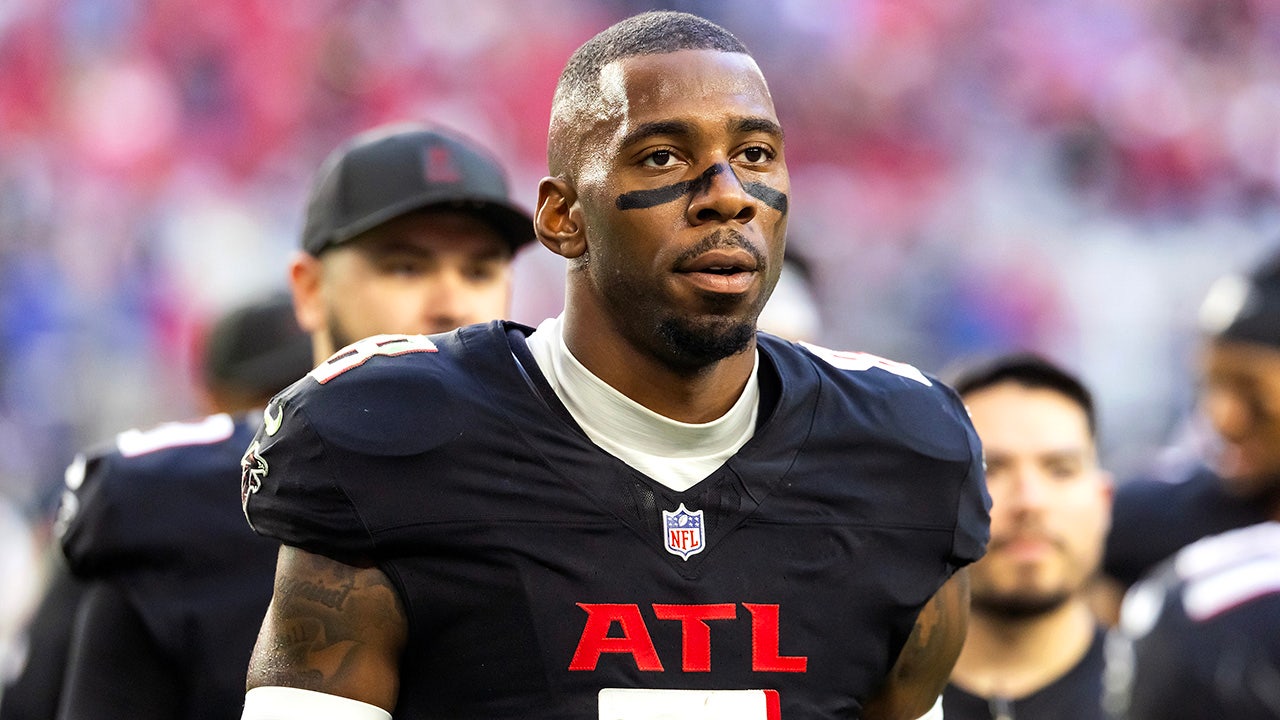
In a poignant and emotionally charged public statement, Atlanta Falcons tight end Kyle Pitts has voiced his profound disappointment and frustration regarding the turnout at the memorial service for his former teammate, Rondale Moore. Moore, a promising 25-year-old NFL receiver, tragically passed away last month from a suspected self-inflicted gunshot wound. Pitts revealed that only a handful of Moore’s professional peers attended the celebration of life services held on Friday, a stark contrast to the widespread outpouring of support that followed the news of his untimely death.
Rondale Moore was discovered deceased in his Indiana home on February 21st. Authorities at the time indicated that the former NFL player’s death was the result of a suspected self-inflicted gunshot wound. The news sent shockwaves through the football community, eliciting a wave of condolences and tributes from across the league and from individuals who had known Moore personally. However, as the dust settled and the reality of his absence began to sink in, Pitts, who had developed a close bond with Moore after Moore was traded to the Falcons in 2024, felt compelled to address what he perceived as disingenuous displays of grief.
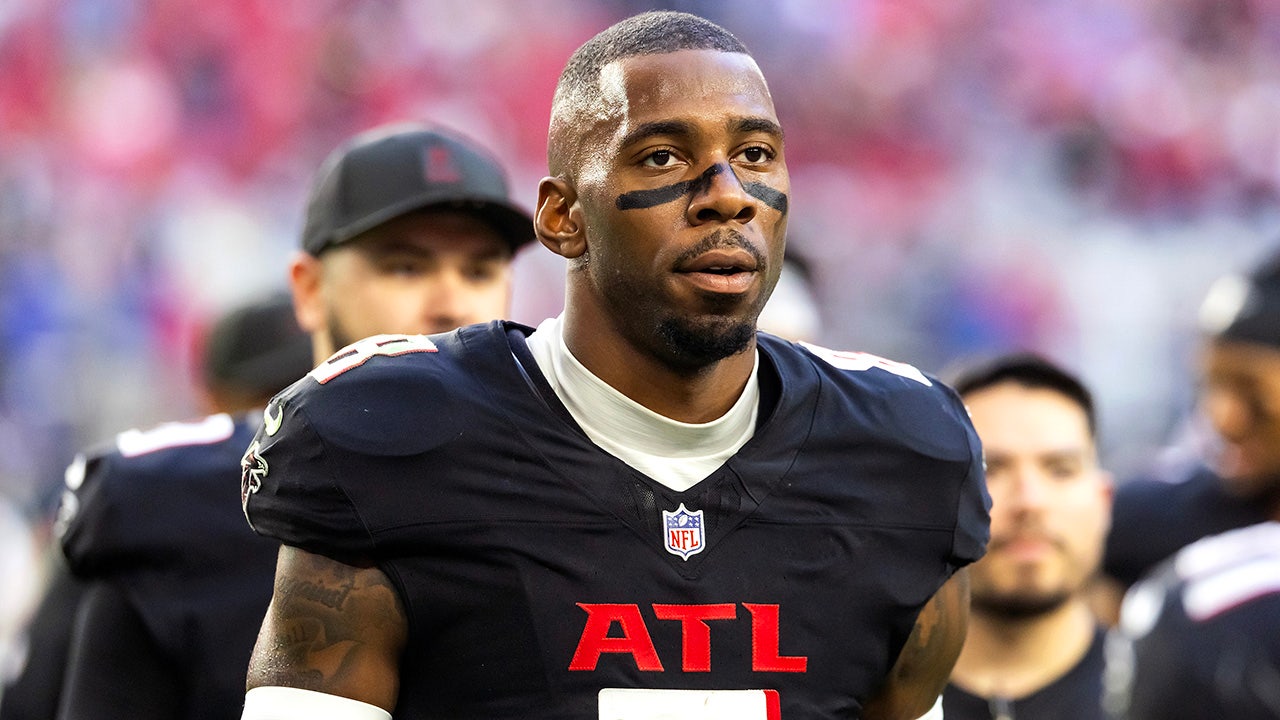
"Crazy how only about 6 maybe 7 of your teammates in the NFL showed up for you today smfh," Pitts wrote in a candid post shared to his Instagram Stories, his words laced with a palpable sense of betrayal and disbelief. "All that talk and fake emotion and nobody want to show up to lay you to rest.. Just at a loss of words." His statement continued, offering a stark warning to others in the professional sports world: "Be woke on who your ‘brothers’ really are, who really rock with you all areas of life not just in front of cameras or the public." Pitts concluded his message with a philosophical yet somber reflection, quoting artist YB: "Folks just want to throw up a post and not mean it but we ball yb as Kur said, ‘it might hurt a little’ but we ball." This sentiment underscores the deep emotional toll Moore’s death has taken on Pitts and highlights his desire for authenticity and genuine support within the often performative world of professional athletics.
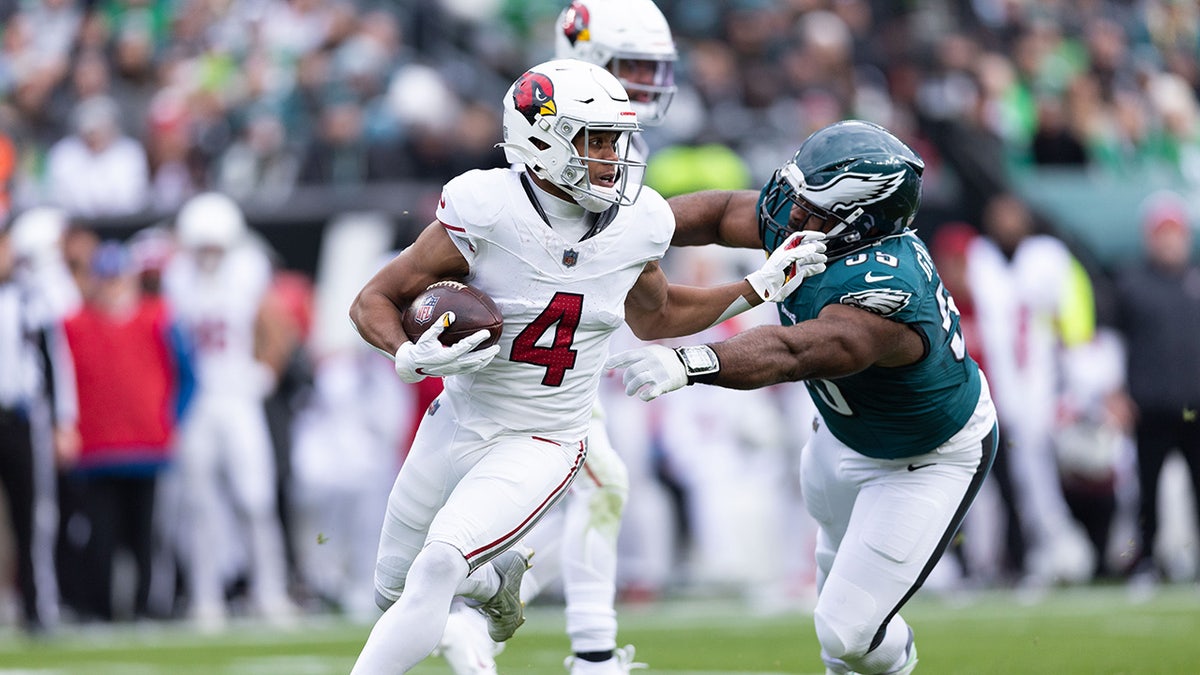
Moore’s journey in the NFL was marked by both promise and adversity. He first gained national recognition as a standout player during his college career at Purdue University. His exceptional talent led to him being selected by the Arizona Cardinals in the 2021 NFL Draft. During his three seasons with the Cardinals, from 2021 to 2023, Moore showcased flashes of his potential, becoming a dynamic playmaker for the team. His time in Arizona was cut short when he was traded to the Atlanta Falcons in 2024. Tragically, his tenure with the Falcons was immediately hampered by a season-ending injury, preventing him from ever taking the field for his new team. Undeterred, Moore signed with the Minnesota Vikings in March 2025, seeking a fresh start and another opportunity to contribute to an NFL team. However, fate intervened once again when he suffered another season-ending injury during a preseason game, a devastating blow that added to his already mounting professional challenges.
The news of Moore’s death deeply affected Pitts, who had the opportunity to connect with him during their brief time as teammates. In the immediate aftermath of learning about Moore’s passing, Pitts shared an intensely personal and heartbreaking tribute on social media. Accompanying a carousel of photographs, he wrote, "This can’t be real dawg. I’m really sitting here crying on even what to say or think bruh." His raw grief was evident as he continued, "We literally was just on the phone yesterday morning. I’m so hurt dawg, I’d never thought I’d be making this type of post let alone it be about you! Rondale, you’re truly at peace now watching over us but I wish you didn’t leave us man. I love you dawg and 4 is going to live on forever." The reference to "4" likely signifies Moore’s jersey number, a poignant reminder of his identity and legacy.
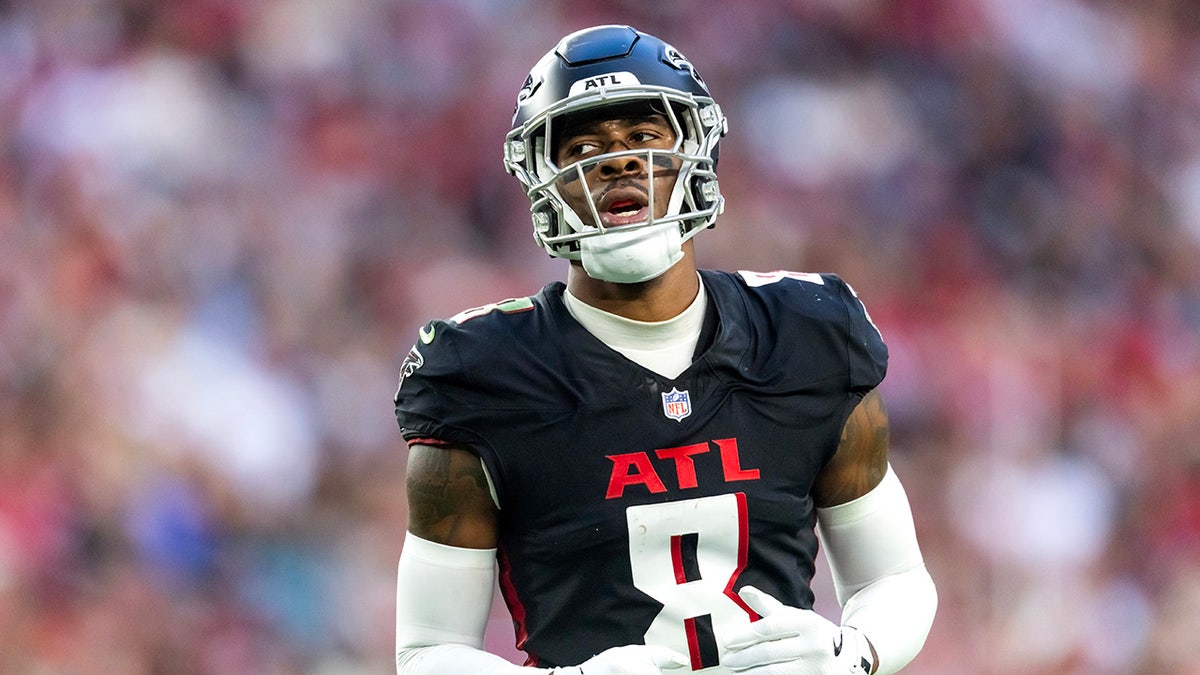
The circumstances surrounding Rondale Moore’s death have brought to the forefront the complex and often unspoken mental health struggles faced by athletes. While the NFL is an arena of intense physical and emotional competition, the pressures of performance, public scrutiny, and personal challenges can take a significant toll. The league has, in recent years, made greater efforts to address mental health awareness and provide resources for players. However, Pitts’s comments suggest that there may still be a gap between public acknowledgment of these issues and the tangible support offered by peers in times of crisis.
The phenomenon of "fake emotion" or performative grief is not unique to the sports world, but it is particularly amplified in the high-profile environment of professional athletics. Social media platforms often serve as stages for public displays of sentiment, where a quick post or a shared emoji can be interpreted as a sign of solidarity. However, as Pitts’s experience illustrates, these virtual gestures may not always translate into genuine, in-person support when it matters most, such as during a memorial service. This raises important questions about the nature of brotherhood and loyalty within professional sports teams and the broader NFL community.
The tragedy of Rondale Moore’s death also serves as a stark reminder of the importance of proactive mental health support systems. While Pitts’s criticism is directed at the lack of attendance at the memorial, it also implicitly points to a potential deficit in the ongoing mental well-being support provided to players. Factors such as career setbacks, injuries, and the immense pressure to succeed can create a breeding ground for mental health challenges. It is crucial for teams and the league to foster an environment where players feel safe and encouraged to seek help without fear of judgment or professional repercussions.
The fact that Pitts, a current teammate of Moore’s during his brief stint with the Falcons, felt compelled to speak out suggests a deep personal connection and a genuine concern for Moore’s well-being, both during his life and in its aftermath. His words also serve as a wake-up call to the NFL community, urging a deeper reflection on what it truly means to be a teammate and a brother in the league. The expectation is not just for players to perform on the field, but also to be present for each other off the field, especially during times of profound personal loss.
The narrative surrounding Rondale Moore’s life and death is a complex one, encompassing athletic achievement, professional challenges, and ultimately, a personal tragedy. Kyle Pitts’s candid commentary has shed light on a difficult aspect of this narrative, highlighting the perceived disconnect between public sentiment and private actions. As the NFL continues to grapple with issues of mental health and player welfare, Pitts’s powerful words are likely to resonate and provoke further discussion about the true meaning of support and community within the demanding world of professional football. The hope is that such a tragedy and the subsequent revelations will spur a more profound commitment to genuine care and support for all athletes, ensuring that no one feels alone in their struggles.
The legacy of Rondale Moore will now be intertwined with the conversation sparked by Kyle Pitts. It is a somber reminder that behind the athletic prowess and public personas are individuals navigating complex lives, facing immense pressures, and experiencing profound emotions. The hope is that this incident will serve as a catalyst for greater authenticity, deeper connections, and more robust support systems within the NFL, ensuring that the bonds forged on the field extend into meaningful, unwavering solidarity in the face of life’s most challenging moments. The call for athletes to be "woke" about who their true allies are is a powerful and necessary one, urging a move beyond superficial displays of camaraderie to embrace genuine empathy and unwavering support.