
 By admin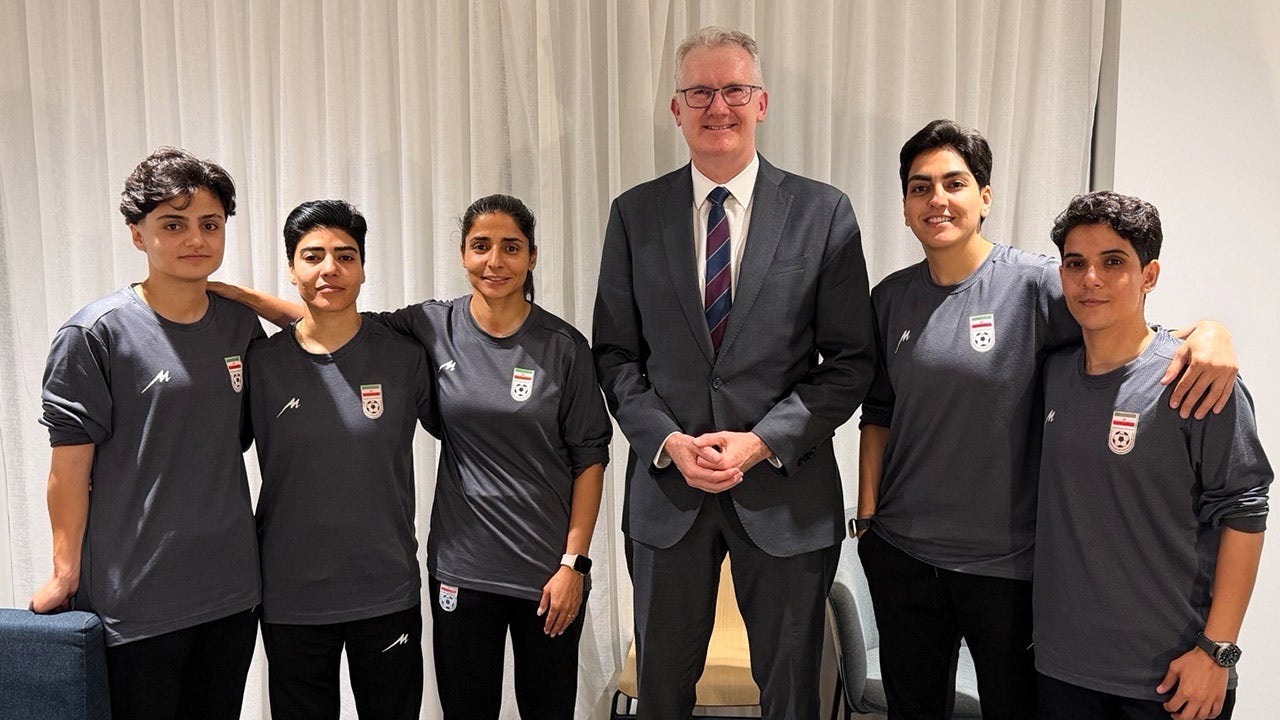
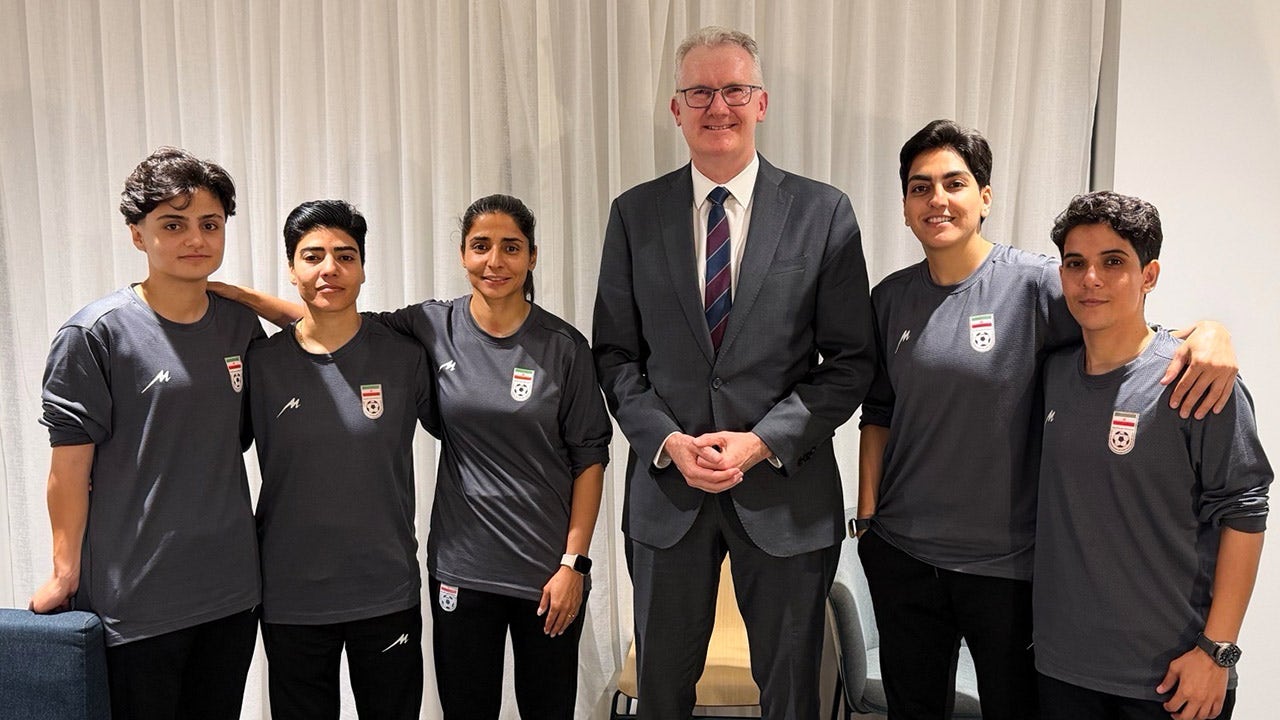
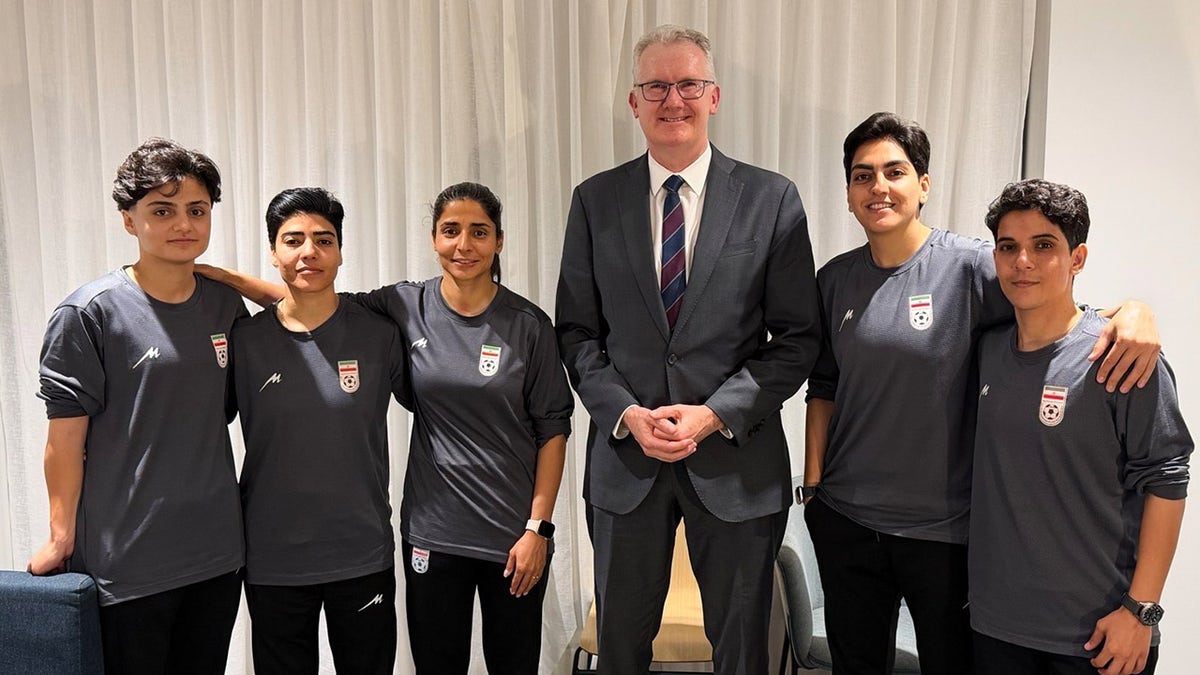
Australia has officially granted asylum to five members of the Iranian women’s national soccer team, a significant development announced on Monday following their participation in the Women’s Asian Cup and amid escalating international pressure, notably from former U.S. President Donald Trump. The decision marks a crucial turning point for the athletes, offering them refuge from potential repercussions in their home country. Australia’s Home Affairs Minister, Tony Burke, confirmed the groundbreaking announcement, stating that the five players were discreetly transported from their hotel in Gold Coast to a secure location by federal police officers in the early hours of Tuesday morning. This move underscores the sensitive nature of the situation and the government’s commitment to ensuring the players’ safety.
The asylum bids by the Iranian players gained significant traction as they coincided with a period of heightened geopolitical tension. The team had arrived in Australia prior to a joint offensive launched by the United States and Israel against Iran on February 28, an offensive that tragically resulted in the death of Iran’s Supreme Leader, Ali Khamenei. This volatile backdrop likely amplified the players’ fears and the international community’s concern for their well-being.
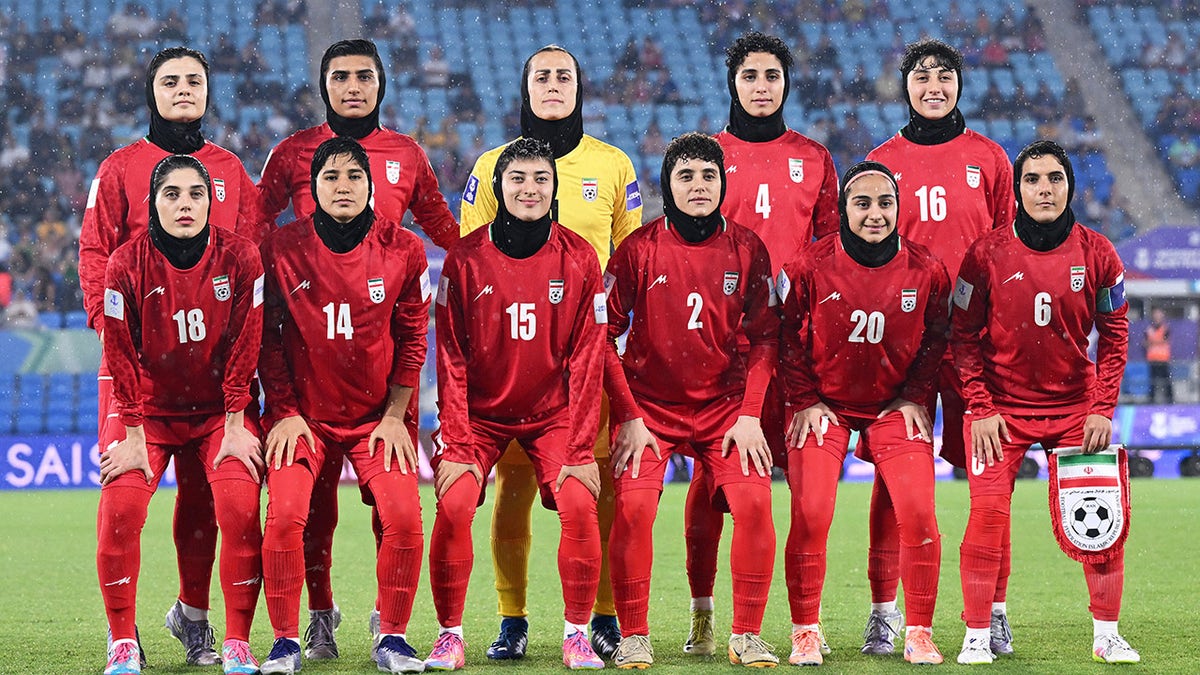
A pivotal moment in the unfolding narrative occurred before their opening loss to South Korea last Monday. The Iranian players conspicuously refused to sing their national anthem. This act of silent protest was widely interpreted as a bold display of resistance against the current regime in Iran, a sentiment echoed by an Iranian commentator who decried it as the "pinnacle of dishonor." While the players themselves did not issue a direct statement clarifying their intentions at the time, their subsequent actions before matches against Australia and the Philippines saw them sing the anthem and offer salutes, suggesting a complex and perhaps evolving stance influenced by the unfolding circumstances.
The situation ignited a firestorm of international attention, drawing in prominent global figures. Former U.S. President Donald Trump launched a vocal campaign on social media platform Truth Social, urging Australia to grant asylum. In a strongly worded post, Trump declared, "Australia is making a terrible humanitarian mistake by allowing the Iran National Woman’s Soccer team to be forced back to Iran, where they will most likely be killed. Don’t do it, Mr. Prime Minister, give ASYLUM. The U.S. will take them if you won’t." His intervention highlighted the perceived gravity of the players’ potential fate should they be compelled to return to Iran.
Following up on his initial statement, Trump revealed that he had spoken directly with Australian Prime Minister Anthony Albanese about the Iranian women’s soccer team. He expressed optimism, stating, "He’s on it! Five have already been taken care of, and the rest are on their way. Some, however, feel they must go back because they are worried about the safety of their families, including threats to those family members if they don’t return. In any event, the Prime Minister is doing a very good job having to do with this rather delicate situation. God bless Australia!" This dialogue between the former U.S. President and the Australian Prime Minister underscores the significant diplomatic weight the case carried. It also sheds light on the internal dilemmas faced by some players, torn between their personal safety and concerns for their families’ security back home.
Home Affairs Minister Tony Burke articulated Australia’s welcoming stance, stating, "I say to the other members of the team the same opportunity is there. Australia has taken the Iranian women’s soccer team into our hearts." He further elaborated that the players met with him and initiated the process for their humanitarian visas. This public declaration signifies Australia’s commitment to providing a safe haven for the athletes, acknowledging their difficult circumstances and offering a path toward a secure future.
The players’ journey to seeking asylum was not undertaken in isolation. Iranian groups based in Australia actively campaigned for their protection. The Australian Iranian Council, for instance, spearheaded an online petition that implored Australian authorities to "ensure that no member of Iran’s women’s national football team is to depart Australia while credible fears for their safety remain." The petition powerfully articulated the urgency of the situation, stating, "Where credible evidence exists that visiting athletes may face persecution, imprisonment, coercion, or worse upon return, silence is not a neutral position. The current wartime environment has intensified repression, fear, and the risks faced by anyone publicly perceived by the Islamic Republic as disloyal." This organized advocacy from within Australia amplified the calls for governmental action and highlighted the deep-seated concerns for the athletes’ safety.
The broader context of Iran’s internal political climate and its international standing is crucial to understanding the players’ predicament. The Iranian women’s national football team, like many sporting organizations in the country, operates under the shadow of a regime known for its stringent social controls and suppression of dissent. For female athletes, in particular, navigating these restrictions while striving for international recognition presents unique challenges. The recent geopolitical events, including the death of Supreme Leader Ali Khamenei, have undoubtedly heightened the stakes, creating an atmosphere of increased uncertainty and potential reprisal for any perceived opposition.
While the five players have found immediate refuge, the situation for the remaining members of the team remains uncertain. Iran’s head coach, Marziyeh Jafari, was quoted by Australia’s national news agency expressing a desire to "come back to Iran as soon as we can." This statement could reflect a range of emotions, from genuine loyalty to the country and team, to external pressure, or perhaps a strategic negotiation for safer return conditions. Regardless of the underlying motivations, it highlights the complex web of loyalties and pressures these athletes face.
The granting of asylum to these five players by Australia is not merely an act of humanitarian assistance; it is also a symbolic statement in the ongoing global discourse surrounding human rights and political freedom. It signals a willingness by a democratic nation to offer protection to individuals fleeing potential persecution, even when such actions may carry diplomatic implications. The decision also reflects the growing international scrutiny of Iran’s human rights record, particularly concerning the treatment of women and dissenting voices.
The involvement of former President Trump, a figure with significant international influence, undoubtedly played a role in amplifying the pressure on the Australian government. His direct engagement with Prime Minister Albanese demonstrates the interconnectedness of global politics and the impact that high-profile interventions can have on bilateral relations and humanitarian decisions. While some may view Trump’s involvement as purely political, it undeniably contributed to a heightened sense of urgency and a more favorable outcome for the players.
The Australian government’s response, spearheaded by Minister Burke, showcases a delicate balancing act between humanitarian concerns, national security, and international relations. The swift action taken to transport the players to a safe location indicates a commitment to safeguarding their immediate well-being. The offer of the same opportunity to other team members suggests a continued willingness to engage with the situation with compassion and pragmatism.
The story of the Iranian women’s soccer team is a poignant reminder of the sacrifices individuals make in pursuit of their passions and beliefs, often in the face of immense personal risk. Their journey from the football pitch to seeking asylum highlights the intersection of sports, politics, and human rights, a confluence that frequently brings individual stories to the forefront of international attention. As these five athletes begin their new lives in Australia, their case serves as a powerful testament to the enduring hope for safety, freedom, and the right to self-determination. The international community will continue to watch the developments closely, with the hope that all individuals involved can find a secure and dignified future. The broader implications of this decision will likely resonate within international sporting federations and human rights organizations, potentially influencing future responses to similar situations involving athletes from countries with repressive regimes.