
 By admin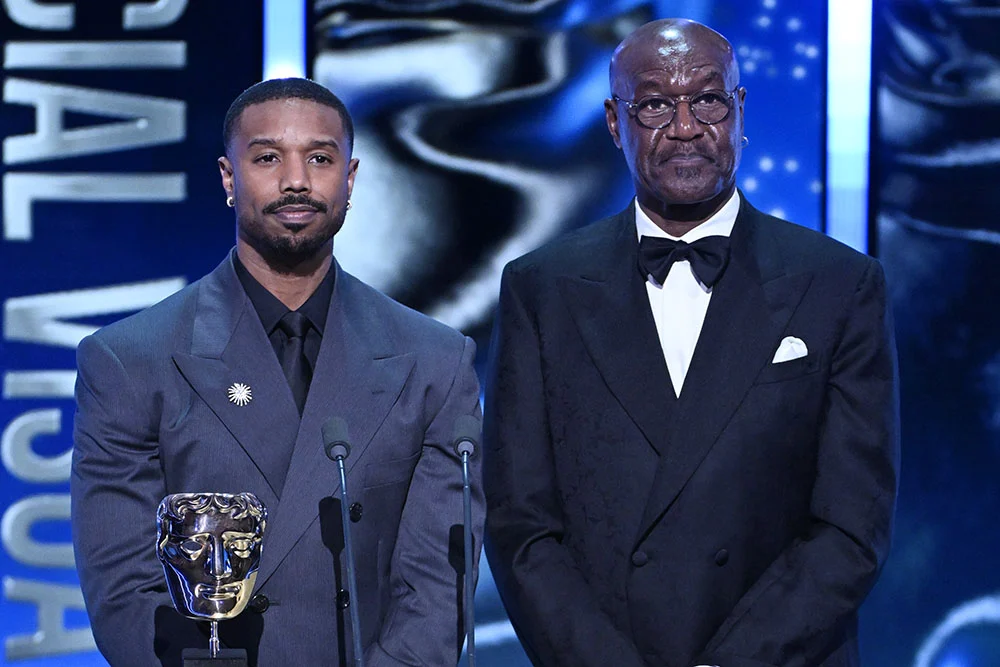
The British Broadcasting Corporation (BBC) has issued a formal apology after failing to edit out a deeply offensive racial slur during its tape-delayed broadcast of the BAFTA Film Awards. The offensive utterance, which has since drawn significant criticism and prompted a swift response from the broadcaster, will now be removed from the version of the prestigious film ceremony available on the BBC iPlayer streaming service. This oversight has reignited discussions surrounding broadcast standards, the effectiveness of tape delays, and the BBC’s handling of sensitive content, particularly in light of previous controversies.
The source of the offensive language has been identified as John Davidson, a prominent campaigner for Tourette syndrome awareness and the subject of the upcoming biopic, "I Swear." Davidson, who was present in the audience at the BAFTA ceremony, has Tourette syndrome, a neurological disorder characterized by involuntary vocal and motor tics. It was during the presentation of the award for best visual effects, which was ultimately presented to "Avatar: Fire and Ash," that Davidson’s condition manifested in the utterance of the N-word as actors Michael B. Jordan and Delroy Lindo took to the stage. The timing of this incident, coinciding with the presence of two Black actors, amplified the perceived insensitivity and the gravity of the BBC’s failure to censor the remark.
Following the broadcast and the subsequent public outcry, a BBC spokesperson addressed the incident, stating, "Some viewers may have heard strong and offensive language during the BAFTA Film Awards. This arose from involuntary verbal tics associated with Tourette syndrome, and as explained during the ceremony it was not intentional. We apologize that this was not edited out prior to broadcast and it will now be removed from the version on BBC iPlayer." This explanation, while acknowledging the involuntary nature of the tic, did little to quell the immediate concerns regarding the broadcast’s editorial process.
The fact that the BAFTA Film Awards were broadcast with a two-hour tape delay on BBC One and iPlayer has become a focal point of the controversy. Tape delays are specifically implemented to allow editors a crucial window to review and potentially remove any objectionable content, such as profanity, offensive language, or politically charged remarks, before the program reaches the public. In this instance, the presence of the racial slur in the delayed broadcast suggests a significant lapse in judgment or an inadequate review process by the editorial team responsible for the program. This delay is typically a critical safeguard, particularly for high-profile live or near-live events where spontaneous or unforeseen issues can arise. The failure to utilize this buffer effectively has led to questions about the thoroughness of the BBC’s quality control measures.
The incident has also drawn comparisons to a previous high-profile controversy involving the BBC last summer. During the Glastonbury Festival, the punk rap duo Bob Vylan was aired on a live iPlayer stream, during which the band led the audience in a chant of "Death to the IDF" (Israel Defense Forces). This footage remained accessible online for over five hours before it was eventually removed. The fallout from the Glastonbury incident was substantial, prompting a strong response from U.K. Prime Minister Keir Starmer, who demanded a thorough explanation from the BBC. In the wake of that event, the corporation announced that it would be revising its livestreaming protocols to prevent similar occurrences. The reappearance of an unedited offensive remark, even if of a different nature, so soon after these revisions, raises concerns about the efficacy of the implemented changes and the BBC’s commitment to robust editorial oversight across all its platforms.
The nature of the offensive language, a racial slur, carries a particularly heavy historical and social weight. The N-word has been used for centuries to demean, oppress, and terrorize Black people. Its involuntary utterance, while understood in the context of Tourette syndrome, does not negate the pain and offense it can cause, especially when heard by individuals who have historically been subjected to such discrimination. The presence of Michael B. Jordan and Delroy Lindo on stage at the time of the incident further compounds the issue, highlighting the potential for unintended but deeply hurtful associations.
Tourette syndrome, a complex neurological disorder, affects approximately 1 in 1,600 people globally. While vocal tics are a common symptom, their unpredictable nature and the potential for them to manifest as offensive language or obscenities (known as coprolalia) can lead to significant social challenges and stigma for individuals living with the condition. Campaigns like John Davidson’s, aiming to raise awareness and understanding of Tourette syndrome, often highlight the difficulties individuals face in public spaces due to involuntary utterances. The irony of a campaigner for Tourette’s awareness being involved in such an incident, while unfortunate, underscores the very challenges he seeks to address. The biopic "I Swear" itself is intended to shed light on these experiences, making the unedited slur in the broadcast even more poignant.
The BBC’s apology and commitment to removing the offensive content from iPlayer represent a step towards rectifying the situation. However, the incident necessitates a deeper examination of the broadcast’s editorial procedures. Were the individuals responsible for reviewing the tape-delayed broadcast adequately trained to identify and flag such sensitive material? Were there sufficient personnel overseeing the review process? The fact that the N-word, a word with such profound historical and social implications, was not identified and removed suggests a systemic issue rather than an isolated oversight.
Expert perspectives on broadcast standards and media ethics have weighed in on the matter. Dr. Anya Sharma, a media ethics lecturer at King’s College London, commented, "While the BBC’s explanation regarding Tourette syndrome is important for context, it doesn’t absolve them of responsibility for editorial failure. The purpose of a tape delay is precisely to catch and mitigate such moments. This raises serious questions about the rigor of their review processes, especially given the BBC’s remit as a public service broadcaster to serve all audiences with sensitivity and responsibility."
Furthermore, the incident underscores the evolving landscape of media consumption. With the rise of on-demand streaming services like iPlayer, viewers increasingly expect polished and curated content. The expectation is that any broadcast content, even if initially live, will be presented in its final, edited form on these platforms. The failure to deliver this on iPlayer, particularly concerning such a sensitive issue, erodes viewer trust and can lead to perceptions of carelessness or a lack of commitment to inclusive broadcasting.
The BBC’s handling of the Glastonbury incident last year, which involved a live stream and a subsequent five-hour delay in removal, highlighted a vulnerability in their livestreaming protocols. The current BAFTA incident, occurring in a tape-delayed broadcast, suggests that similar vulnerabilities may exist within their post-production editing procedures. This raises the question of whether the revisions made after the Glastonbury controversy were comprehensive enough to address all potential editorial blind spots.
The BBC, as a globally recognized public service broadcaster, holds a significant responsibility to set a high standard for content delivery. Its charter mandates that it inform, educate, and entertain. This includes ensuring that its programming is free from gratuitous offense and reflects a commitment to diversity and inclusion. The unedited racial slur, regardless of its involuntary origin, falls short of these fundamental principles.
Moving forward, the BBC will likely face increased scrutiny regarding its editorial decision-making processes. The incident serves as a stark reminder of the potential consequences of even minor lapses in judgment when dealing with sensitive content. The corporation will need to demonstrate that it has learned from this experience and has implemented robust measures to ensure that such an oversight does not occur again, particularly in its handling of major cultural events like the BAFTA Film Awards. The promise to remove the offensive content from iPlayer is a necessary first step, but a comprehensive review and potential overhaul of their editorial protocols will be crucial to restoring public confidence and upholding the BBC’s reputation as a trusted and responsible broadcaster. The incident is not merely about an unedited word; it is about the BBC’s commitment to its audience and its role in shaping public discourse with sensitivity and care.