
 By admin
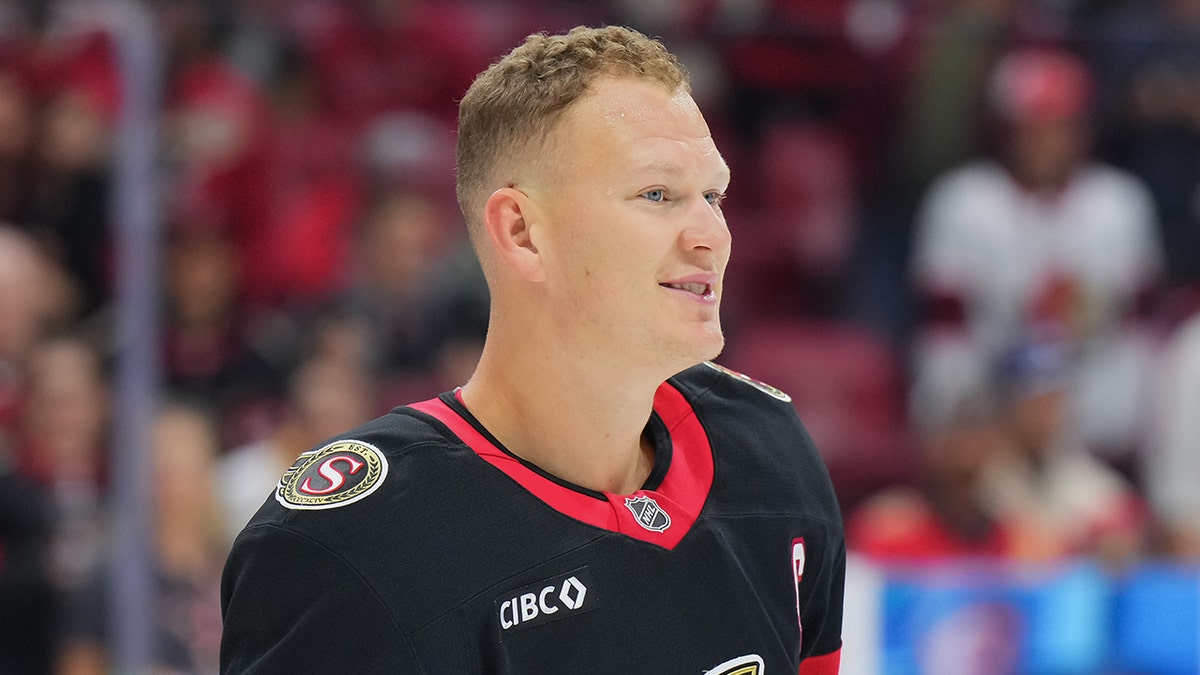
Brady Tkachuk, the dynamic forward for the Ottawa Senators, has returned to the ice for his NHL club, but the conversation surrounding his recent international success continues to linger. Tkachuk found himself addressing a viral moment that unfolded during the aftermath of Team USA’s gold medal victories in Milan. The incident involved a phone call with President Donald Trump, where players from the men’s U.S. hockey team were heard laughing at a joke made by the President regarding the women’s ice hockey team, who had also clinched gold medals in their respective tournament.
The optics of the situation did not sit well with everyone, and as Boston Bruins goaltender Jeremy Swayman later admitted, players "should have reacted differently." Tkachuk, however, chose a measured approach when pressed by reporters about the interaction. The question centered on President Trump’s remark that he "would have" to invite the women’s team, who had also triumphed over Canada, to his State of the Union address, humorously adding that he "probably would be impeached" if he didn’t.
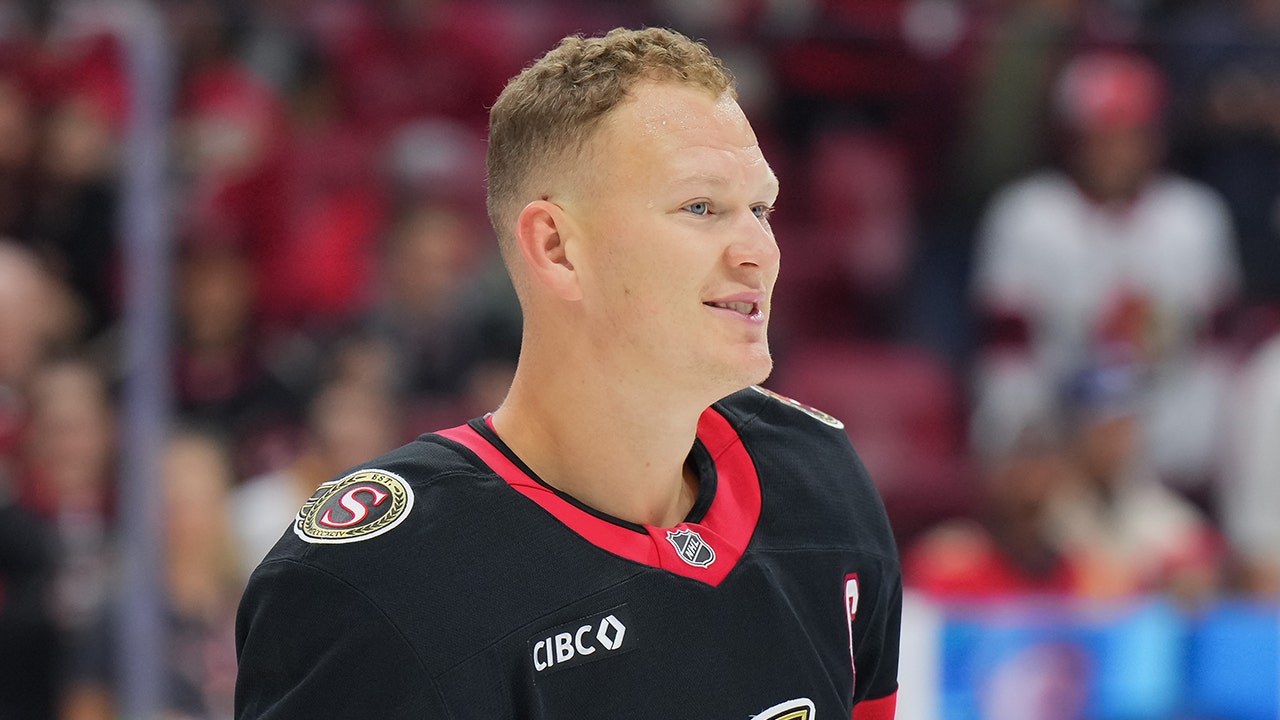
When directly asked if he understood that the women’s team might have felt displeased by the men’s team’s reaction, Tkachuk responded with a simple, "Yeah, I get it." He then elaborated, stating, "I have no other comments other than for the things we can control. We supported them. They supported us. Can’t control what other people say." This stance emphasizes a focus on controllable actions and the mutual support between the two championship teams, while acknowledging the external commentary.
A Moment of Shared Accomplishment and Unforeseen Humor
The context of this exchange is crucial. Following their respective Olympic triumphs, both the men’s and women’s U.S. hockey teams were part of a congratulatory phone call with President Trump. It was during this call that the now-infamous joke was made. Tkachuk described the entire experience as a "whirlwind of a moment." He explained the unexpected nature of the interaction, noting, "You can’t really control what somebody says, and I guess it caught [us] off guard a little bit." The surreal experience of speaking directly with the President of the United States, mere minutes after achieving a lifelong dream of winning an Olympic gold medal, contributed to the players’ immediate reactions. "I mean, when you’re talking to the president 10 minutes after you just achieved your dream, it’s just the fact that you’re talking to him," Tkachuk added, highlighting the sheer disbelief and overwhelming emotions of the situation. "You can’t really believe where your life is at where you’re talking to the president of the United States after you just won a gold medal."
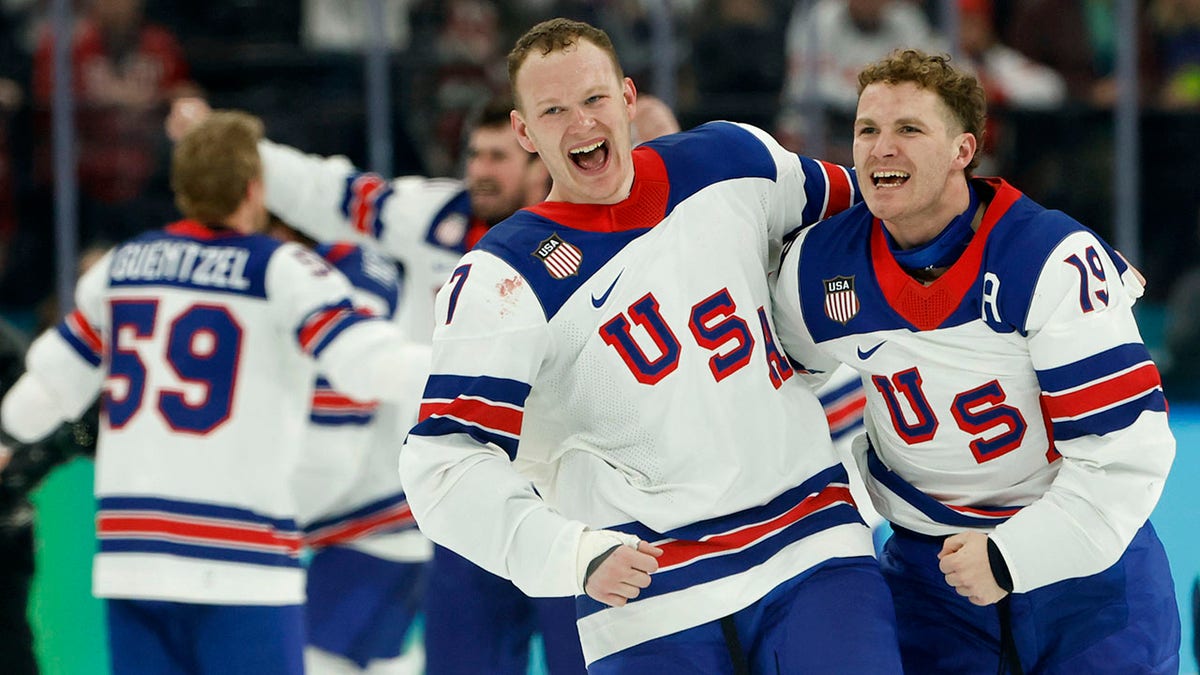
Tkachuk further reflected on the positive interactions he had with the women’s team during their time in Milan. He described it as "fun seeing them play, fun to see the excellence they brought every single game and how they’re, by far, the best team in that tournament." He elaborated on the camaraderie, stating, "It was just fun seeing them after picking their brains. They were picking our brains, and it was just fun being around them." This sentiment underscores the respect and admiration Tkachuk and his teammates held for the women’s team’s performance and their shared experience as Olympic champions.
The State of the Union and Differing Invitations
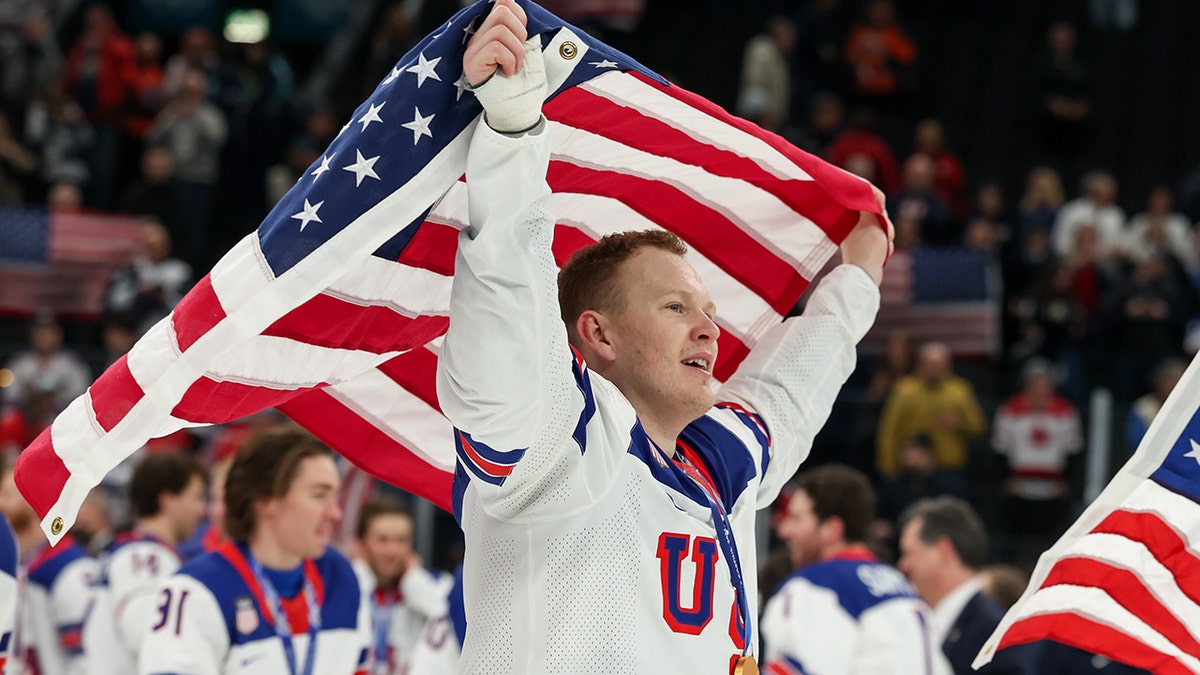
The U.S. men’s hockey team, including Tkachuk, was subsequently invited to attend President Trump’s State of the Union address on Tuesday night. During the address, the chamber provided the team with a standing ovation, and the players proudly showcased their Olympic gold medals, a testament to their hard-fought victories.
In contrast, the U.S. women’s hockey team declined an invitation to visit Washington, D.C., citing "previously scheduled academic and professional commitments." This decision led to further discussion and speculation. President Trump, however, reiterated during his State of the Union address that the women’s team would be welcomed to the White House "soon," signaling an ongoing intention to honor their achievements.
USA Hockey responded to President Trump’s suggestion that the team would be visiting the White House. A spokesperson for USA Hockey informed Front Office Sports that "Players are back competing with their professional and collegiate teams and are in the midst of their season." The spokesperson added, "They’re honored and grateful to be invited, and any opportunity to visit the White House as a team will be based on their schedules once their seasons conclude." This statement clarified that any visit would be contingent on the players’ current professional obligations and would be scheduled at a later date.
Broader Perspectives on Unity and Sportsmanship
While social media buzzed with divided opinions on the viral moment, some individuals connected to the teams offered a more unifying perspective. Ellen Hughes, mother of prominent U.S. players Jack and Quinn Hughes and a member of the women’s team’s player development staff during their Milan campaign, shared her views. She told "Today" that "These players, both the men and women, can bring so much unity to a group and to a country." Hughes emphasized that the teams’ appeal transcends partisan lines, noting that "People that cheered on that don’t watch hockey, people that have politics on one side or on the other side, and that’s all both the men’s team and the women’s team care about."
Hughes further elaborated on the positive atmosphere within the Olympic village and the strong bond between the two teams. "If you could see what we see from the inside, and the men and women sharing, you know, dorm rooms and halls and flex floors and the camaraderie and the synergy and the way the women cheered on the men and the way the men cheered on the women – that’s what it’s all about," she stated. She concluded by highlighting the players’ core values: "And the other things they cannot control. They care about humanity. They care about unity, and they care about the country." This perspective frames the athletes’ focus on sportsmanship, unity, and national pride, suggesting that external controversies should not overshadow these fundamental principles.
The incident serves as a reminder of the complex interplay between sports, politics, and public perception. While Tkachuk and his teammates are now focused on their NHL seasons, the conversation surrounding their Olympic experience, particularly the interaction with President Trump, has highlighted the nuances of athlete responses in high-pressure, public situations. The shared success of both the men’s and women’s U.S. hockey teams on the international stage remains a significant achievement, and the differing reactions to the post-victory interactions underscore the diverse ways individuals navigate and interpret such moments.