
 By admin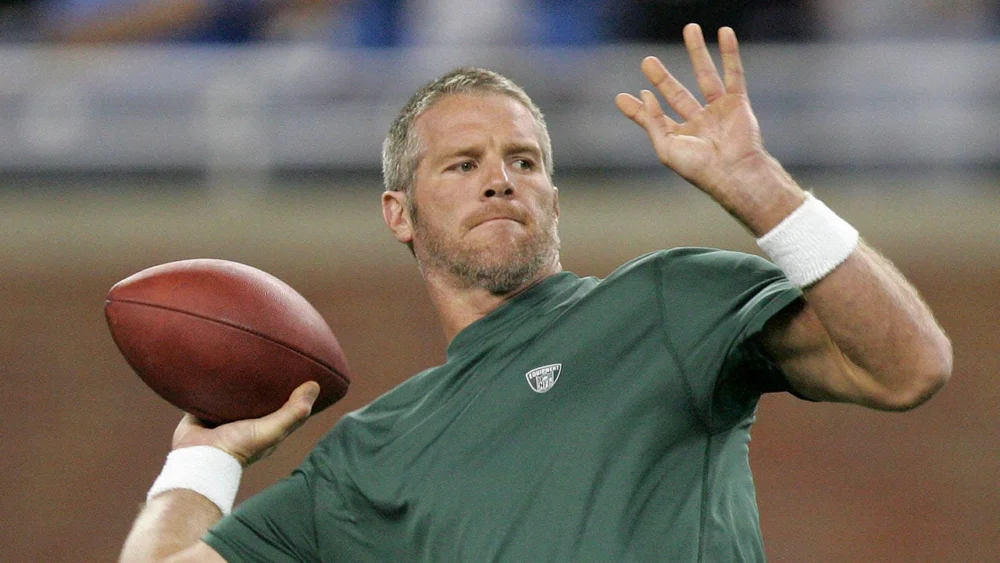
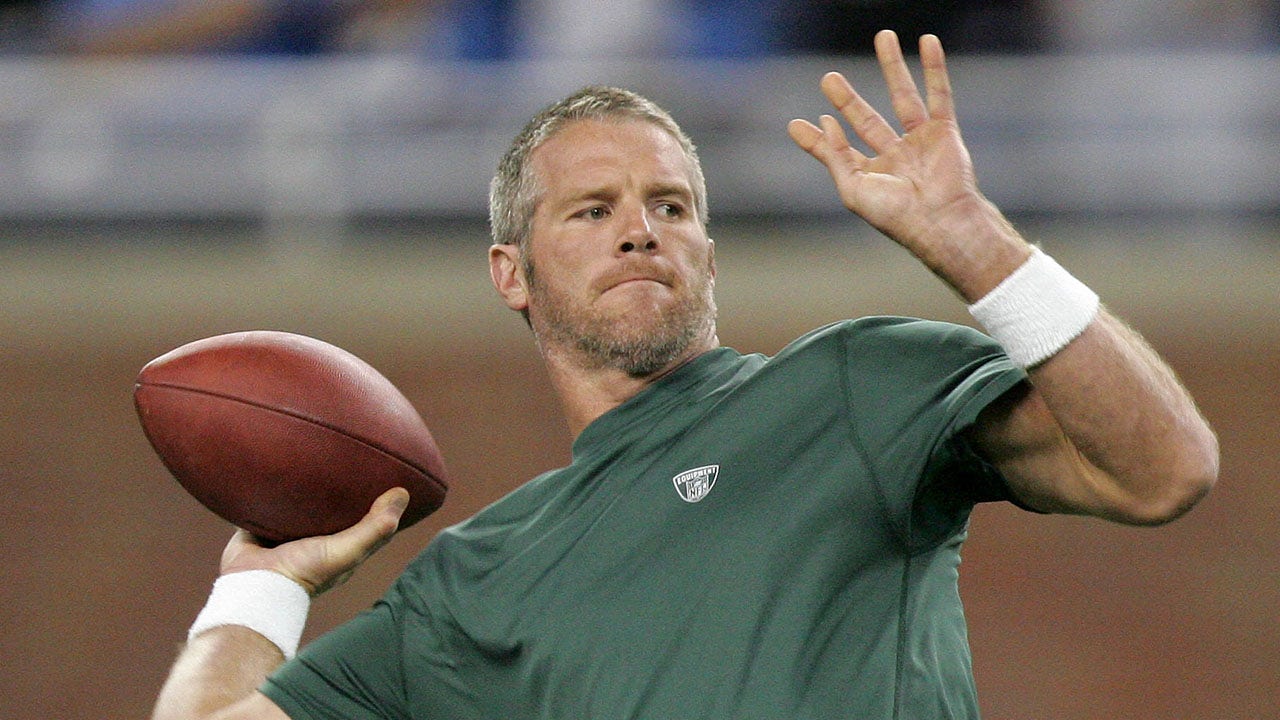
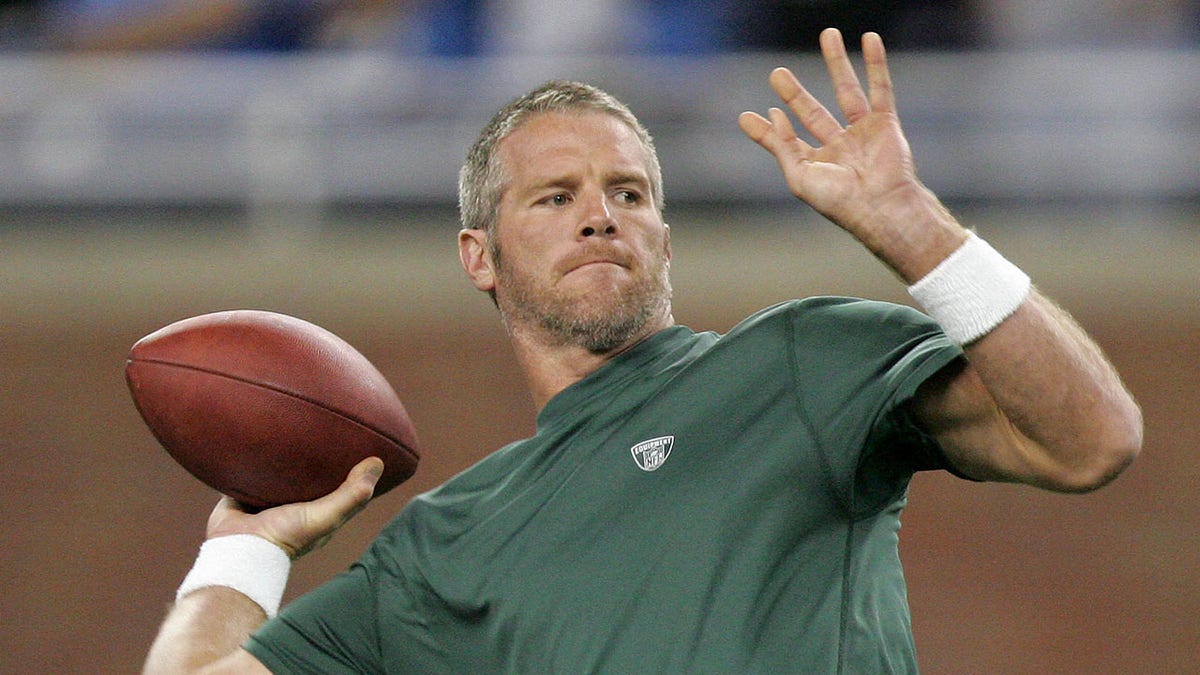
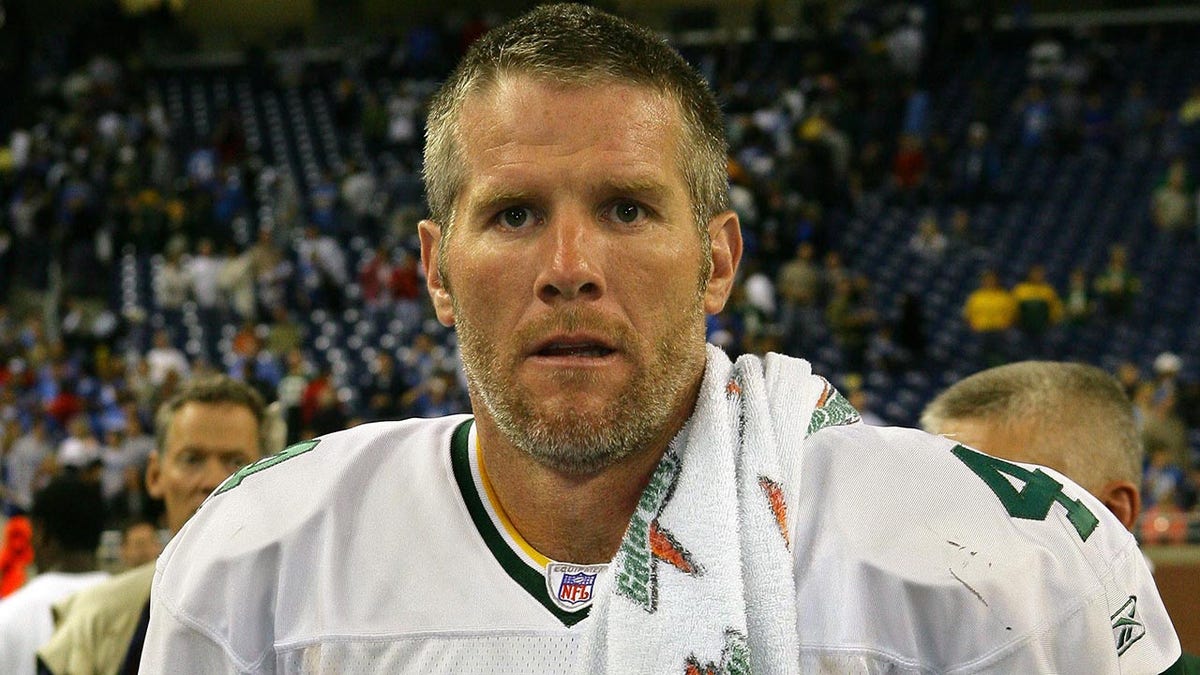
Former NFL quarterback Brett Favre, a celebrated figure in American football history, has voiced his observations regarding a perceived shift in the National Football League’s (NFL) strategic approach to engaging its fanbase. The Pro Football Hall of Famer articulated these thoughts during a recent appearance on Tomi Lahren’s "Fearless" show on OutKick, a platform known for its conservative viewpoints. Lahren herself had posited that the league’s fan engagement strategy began to change around the time of Colin Kaepernick’s activism, a sentiment that Favre readily agreed with, indicating he felt a noticeable alteration in the NFL’s direction over the past decade.
Favre, whose illustrious career spanned from 1991 to 2010, has long been associated with a traditional brand of football patriotism and fan loyalty. His perspective on the league’s evolving engagement strategy offers insight into how some long-time observers and participants perceive the NFL’s attempts to connect with its audience. "I think there probably is some truth to that. Why that has changed, I really don’t know," Favre stated during the interview. He elaborated on his understanding of the typical NFL fan, describing them as individuals who "love football" or are "casual, fair-weather fan[s]" but who nonetheless recognize the NFL as "the biggest show in town." Historically, this meant engaging with all facets of the game, from the on-field action to the pre-game ceremonies and halftime entertainment. "You watch the halftime show and who sang the national anthem. You know, that’s been that way for a long time," Favre recalled, underscoring the broad appeal and comprehensive nature of the NFL’s traditional draw.
However, Favre acknowledged a divergence from this established norm. "But you’re right, you know, in the last maybe 10 years, maybe a little longer, there’s been a slight shift," he admitted. "For whatever reason, I have no idea, because you want to appeal to your true fans. And it doesn’t seem like that is the case anymore." This sentiment suggests a feeling that the league’s current engagement strategies may be alienating its core demographic in favor of other, less traditional appeals.
The discussion inevitably turned to specific events that may have contributed to this perceived shift. While Favre didn’t explicitly name Kaepernick as the sole catalyst, Lahren’s framing of the issue brought the former quarterback’s protests during the national anthem to the forefront. Kaepernick, who played quarterback for the San Francisco 49ers, began kneeling during the national anthem in 2016 to protest police brutality and racial injustice. His actions sparked widespread debate and division across the country, impacting the NFL’s public image and viewership. Many conservative fans and commentators viewed Kaepernick’s protests as disrespectful to the flag and the military, leading to boycotts of NFL games and merchandise. Conversely, supporters saw his actions as a courageous stand against systemic inequality.
This cultural moment coincided with a broader trend in entertainment and sports leagues, where social and political messaging became increasingly prominent. The NFL, as a major cultural institution, found itself at the center of these discussions. The league’s response to Kaepernick’s protests, and its subsequent policies regarding player demonstrations, were closely scrutinized. While the NFL eventually implemented a policy requiring players to stand for the anthem, it was met with criticism from both sides, with some feeling the league was not doing enough to support players’ rights to protest, and others believing it was too lenient.
The Super Bowl halftime show, a globally televised event with a massive audience, has also become a focal point for discussions about the NFL’s engagement strategies. The 2023 Super Bowl halftime show, featuring Rihanna, was a highly anticipated event that garnered significant attention. However, in previous years, certain halftime performances have drawn criticism from segments of the fanbase. For instance, the 2024 Super Bowl halftime show, headlined by Usher, was met with a mixed reception. While many enjoyed the performance, some viewers expressed disappointment that it did not feature more traditional stadium anthems or engage with a broader spectrum of musical genres that might appeal to a wider demographic.
A more pointed example that resonated with conservative audiences, and likely informed Favre’s and Lahren’s discussion, was the 2023 Super Bowl halftime show featuring Bad Bunny. The Puerto Rican superstar performed a significant portion of his set in Spanish, a decision that drew sharp criticism from some viewers who felt it was exclusionary and out of step with the traditional American audience of the Super Bowl. President Donald Trump, a vocal critic of the performance, took to Truth Social to express his dismay. He characterized the show as a "slap in the face to our Country" and criticized its lack of inspirational content, contrasting it with perceived national achievements under his administration. Trump’s statement, amplified by conservative media, highlighted a sentiment among some that the NFL’s halftime entertainment choices were becoming increasingly "woke" or disconnected from the values and preferences of a significant portion of its traditional viewership.
The article notes that the Bad Bunny performance was the fourth most-watched halftime show of all time, indicating its broad appeal despite the controversy. However, it also points to a broader trend in television viewership. NFL games themselves have continued to dominate the television landscape, accounting for 92 of the top 100 most-watched telecasts throughout 2025. This statistic underscores the NFL’s unparalleled strength in live television viewership, suggesting that while specific engagement strategies or entertainment choices might be debated, the core product – the game of football – remains immensely popular.
The tension identified by Favre and Lahren, therefore, lies not in a decline of overall interest in the NFL, but rather in the how the league is attempting to cultivate and maintain that interest. The argument is that by diversifying its cultural outreach and potentially prioritizing certain demographic appeals, the NFL may be inadvertently alienating segments of its long-standing, and perhaps more traditional, fanbase. This could manifest in various ways, from the music and performers chosen for major events to the league’s stance on social issues and player activism.
The historical context of the NFL’s relationship with its audience is crucial here. For decades, the league cultivated an image of wholesome, family-friendly entertainment, often emphasizing traditional American values. This strategy proved incredibly successful, making the NFL a cultural touchstone and a dominant force in the sports and entertainment industries. However, as society has become more diverse and discussions around social justice have become more prevalent, the NFL, like many other institutions, has had to navigate these evolving cultural landscapes.
The challenge for the NFL, as suggested by Favre’s comments, is to strike a balance. The league needs to remain relevant to younger generations and diverse audiences, which may appreciate different forms of entertainment and engagement. Simultaneously, it must ensure it does not alienate its loyal, established fanbase, many of whom may prefer a more apolitical and traditional approach to sports. The "slight shift" Favre perceives could be interpreted as the league’s attempt to broaden its appeal in an increasingly fragmented media environment, but it carries the risk of alienating those who have been the bedrock of its success.
Further analysis of this phenomenon could involve examining fan surveys, viewership demographics across different games and events, and the commentary from various media outlets and personalities. The differing reactions to events like the Super Bowl halftime shows, and the sustained popularity of the games themselves despite cultural controversies, suggest a complex dynamic at play. The NFL’s ability to adapt and evolve while maintaining its core appeal will be a key factor in its continued dominance in the years to come. Favre’s candid remarks, coming from a legendary figure deeply embedded in the sport’s history, serve as a significant indicator of the ongoing conversation surrounding the league’s identity and its connection with the American public. The league’s strategic decisions in engaging its vast and varied audience will undoubtedly continue to be a subject of public and media interest.