
 By admin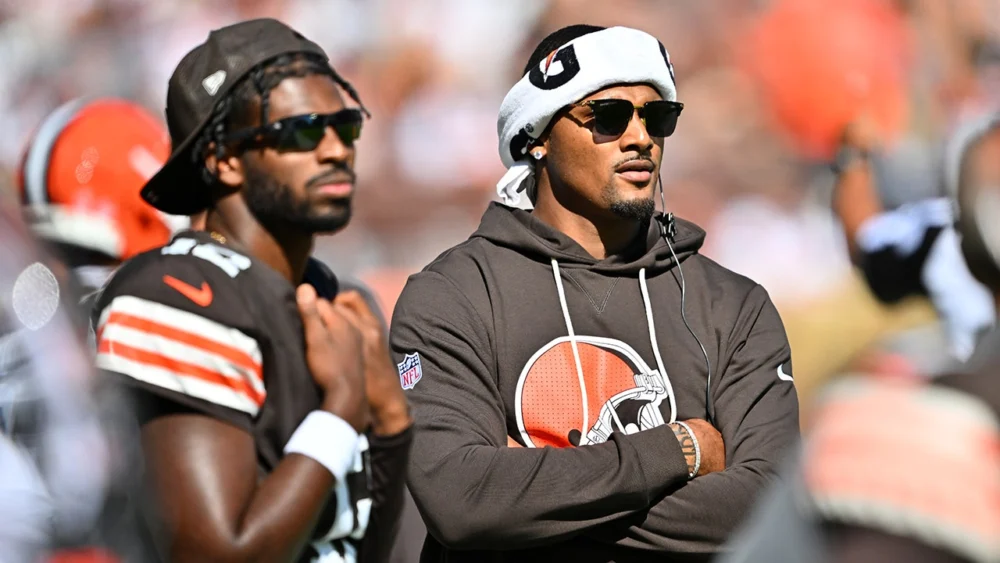
The Cleveland Browns, a team that historically grapples with quarterback stability, find themselves at another critical juncture as they navigate the upcoming NFL season. Last season, the Browns’ quarterback room was arguably one of the most crowded and tumultuous in the league. The departure of their established starter, coupled with the ongoing recovery of a high-profile acquisition, forced the team to look within its ranks. Shedeur Sanders, a promising talent, ascended to the starting quarterback role in Week 12 of the 2025 season. After two more starts, he solidified his position as the primary signal-caller for the remainder of the season. This shift saw veteran backup Dillon Gabriel relegated to a secondary role. Meanwhile, Deshaun Watson, acquired in a blockbuster trade and subsequently suspended, remained on the physically unable to perform list. Despite the team activating his 21-day practice window in December, Watson continued his recovery from a significant Achilles injury, a setback that has plagued his tenure with the Browns since his arrival.
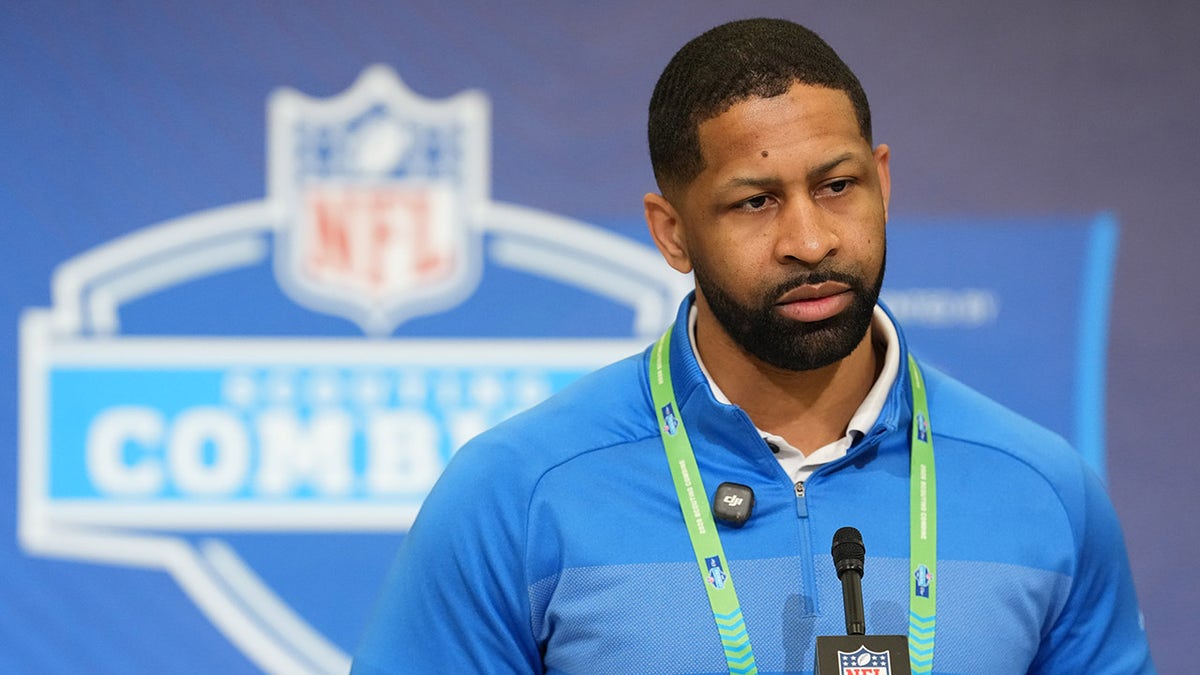
Speaking at the prestigious 2026 NFL Scouting Combine in Indianapolis on Tuesday, Cleveland Browns General Manager Andrew Berry addressed the pressing questions surrounding the team’s quarterback situation. In a statement that has sent ripples through the Browns’ fanbase and the wider NFL community, Berry significantly left the door ajar for Deshaun Watson to potentially compete with Shedeur Sanders for the starting quarterback position in the upcoming season. This declaration signals a departure from a definitive plan and instead embraces a competitive environment for the most crucial position on the field.
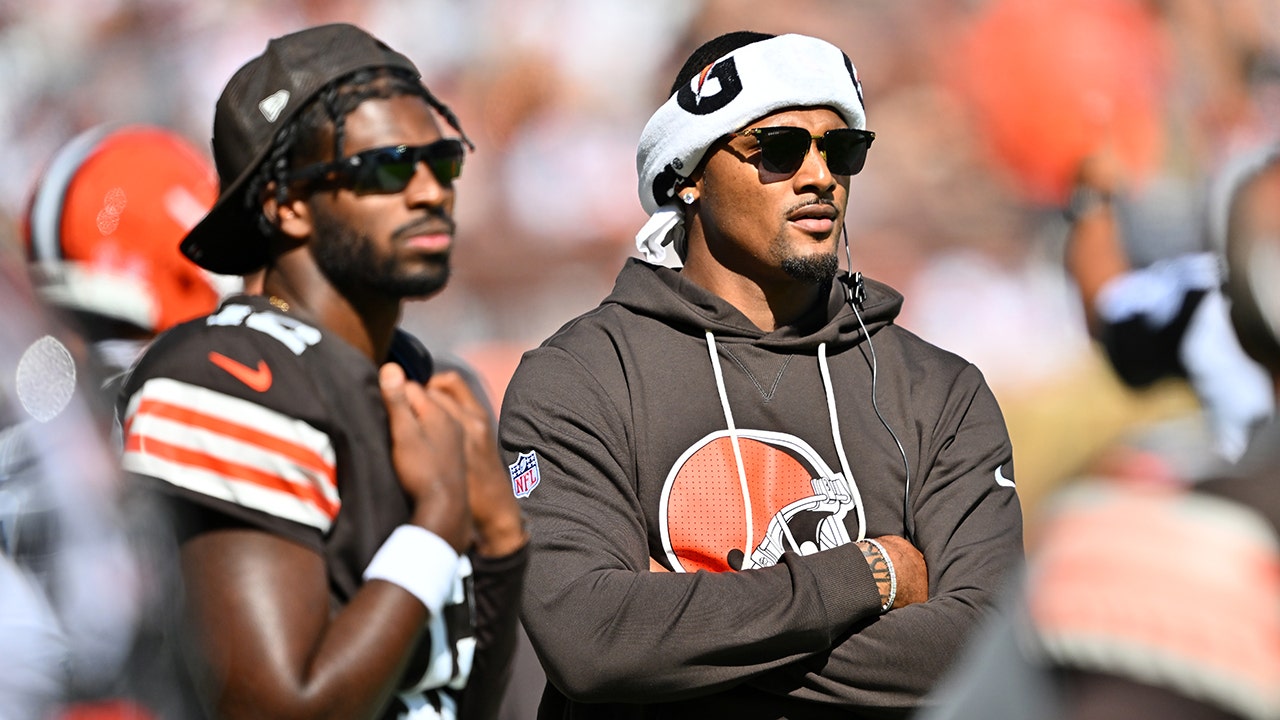
Berry, known for his measured approach to team building, cautioned against any immediate rush to make a decision regarding the starting quarterback. "We don’t have to make that decision anytime soon," he stated during his press conference. "I think any player that we have in that room we would expect to compete to earn a role. Those two would be no different." This sentiment underscores a philosophy of meritocracy within the Browns’ organizational structure, emphasizing that starting positions are not guaranteed but must be earned through performance and dedication.
While Dillon Gabriel could potentially be part of the quarterback competition, Berry had previously indicated that the Browns might explore adding an experienced veteran quarterback to their roster during the offseason. This strategic consideration highlights the organization’s awareness of the importance of experienced leadership and a solid backup option in a demanding league like the NFL. The potential addition of another quarterback could further intensify the competition and provide valuable mentorship for the younger players.
Shedeur Sanders, who spent the majority of the Browns’ 2025 minicamp and training camp taking snaps with the designated second-team offense, showed flashes of potential during his time as a starter. He led the team to a 3-4 record in his seven starts, a respectable showing given the circumstances. General Manager Berry expressed his optimism regarding Sanders’ continued development, emphasizing areas where he believes the young quarterback can make significant strides. "I think the biggest thing that we want to see from Shedeur is just continued growth," Berry remarked. "I think he grew a lot from Start 1 to Start 7. I think certainly playing more efficiently, not putting the ball in harm’s way as much would be important while maintaining the ability to produce out of structure and generate explosive plays." This feedback suggests a desire for Sanders to refine his decision-making, reduce turnovers, while retaining his playmaking ability, a crucial balance for any successful quarterback.
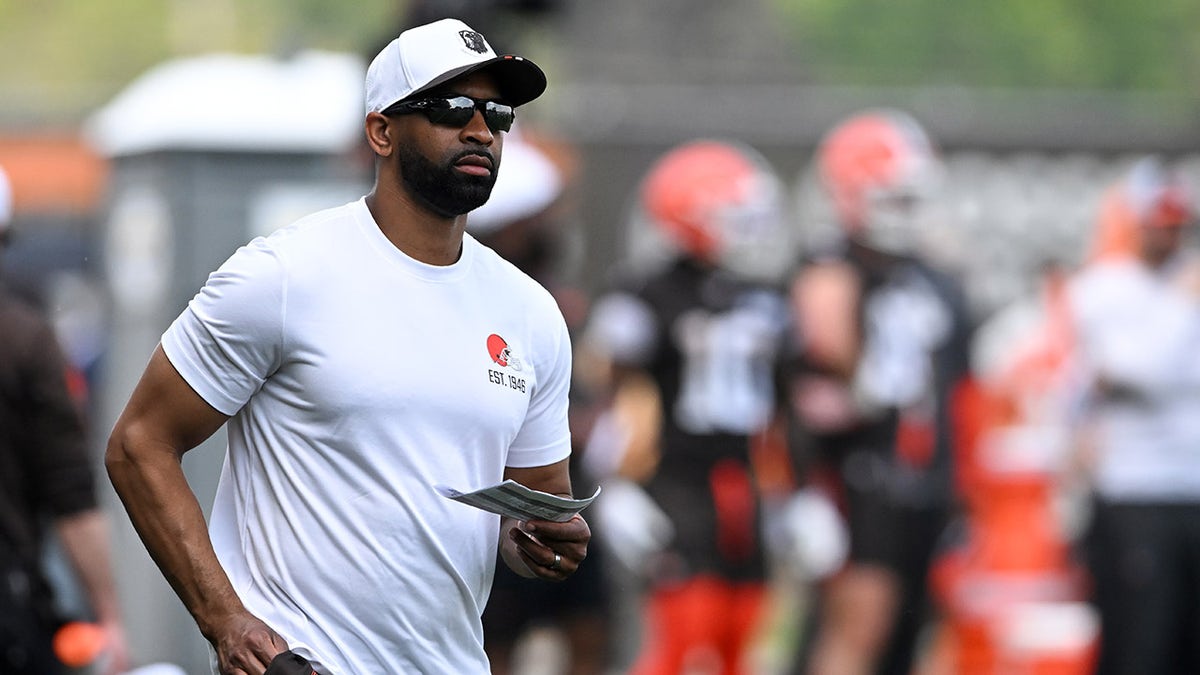
The Browns’ organizational shift at the head coach position also plays a role in the quarterback dynamics. The team parted ways with Kevin Stefanski in January and subsequently hired Todd Monken as their new head coach. Berry highlighted the importance of Sanders adapting to Monken’s offensive system. "You’re not going to see all of that in the upcoming months because we’re not on the field," Berry explained. "So the biggest thing that he can do is learn the new offense, get in with the coaching staff once our offseason program starts, continue to work on his body physically and then make strides when we actually get on the grass." This indicates that the early part of the offseason will focus on mental preparation and physical conditioning, with on-field evaluation commencing later.
The specter of Deshaun Watson’s contract and his limited impact looms large over the Browns’ quarterback situation. Watson has appeared in a mere 19 games over the three seasons since signing an unprecedented fully guaranteed $230 million contract with Cleveland. This contract, which was hailed as groundbreaking at the time, has been a significant financial commitment with minimal on-field return due to suspensions and injuries. Watson is reportedly owed $46 million in salary for the upcoming season and carries the largest salary cap hit in the league in 2026, making his performance and availability critical for the team’s financial and competitive outlook.
Despite the financial implications and the protracted absence, Berry confirmed that Watson remains dedicated to his rehabilitation process. "Deshaun’s been working really hard, he’s been working his tail off," Berry stated. "And like I said, we’re excited to go in mid-April with all of our players across the roster." This statement offers a glimmer of hope that Watson is nearing a return to full health and could participate in team activities when the offseason program officially begins. The organization’s willingness to consider him in the quarterback competition, despite his history, suggests a belief in his potential to contribute if he can regain his previous form and stay on the field.
The Browns finished the 2025 season with a disappointing 5-12 record, highlighting the need for significant improvements across the roster, particularly at the quarterback position. The competition between Watson and Sanders, if it materializes, will be one of the most closely watched storylines in the AFC North. The outcome of this competition will not only determine the Browns’ offensive identity for the 2026 season but also have long-term implications for the franchise’s trajectory. The team’s ability to find a consistent and effective quarterback solution is paramount to their aspirations of contending in a highly competitive division.
The context of the Browns’ quarterback carousel over the past decade cannot be overstated. The team has cycled through numerous signal-callers, struggling to find a franchise player who can lead them to sustained success. From Baker Mayfield to the ill-fated acquisition of Odell Beckham Jr. and the subsequent trade for Watson, the Browns have been on a relentless search for quarterbacking stability. This history of instability makes Berry’s current stance—embracing competition and leaving options open—a potentially refreshing, albeit uncertain, approach.
The addition of Todd Monken as head coach introduces a new offensive philosophy that both Watson and Sanders will need to adapt to. Monken, known for his innovative and often pass-heavy schemes, will aim to revitalize a Browns offense that has struggled with consistency and explosive plays. His system will likely place a premium on quarterback decision-making, accuracy, and the ability to operate within a complex offensive structure. The quarterback who can best master Monken’s system and execute his vision will likely emerge as the starter.
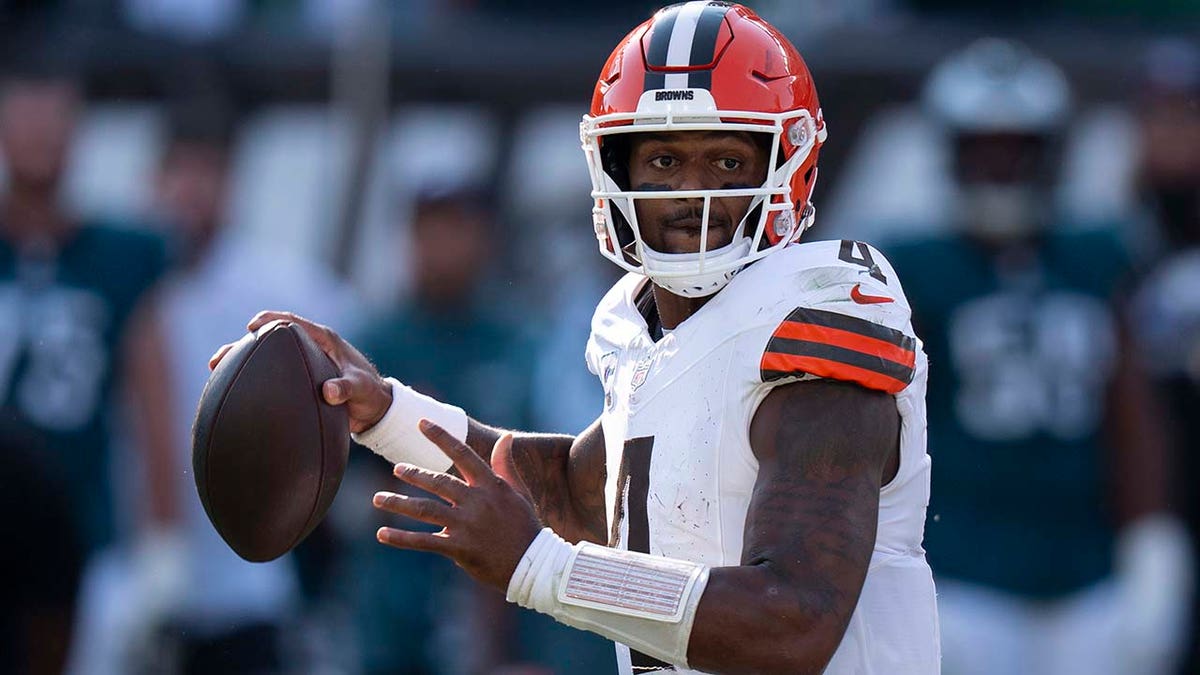
The financial commitment to Deshaun Watson is a significant factor that cannot be ignored. His substantial contract places immense pressure on him to perform and stay healthy. The Browns are heavily invested in his success, and the organization will be looking for a return on that investment. However, Watson’s injury history and the circumstances surrounding his previous suspensions raise questions about his long-term reliability. This uncertainty is precisely why the Browns are keeping their options open and not solely relying on his return.
Shedeur Sanders, on the other hand, represents a potential future for the franchise. His performance as a starter in 2025, though limited, showed promise. He demonstrated an ability to make plays, extend drives, and lead the offense. The key for his development will be consistency and minimizing costly mistakes. If he can continue to grow under Monken’s tutelage and prove capable of leading the Browns, he could emerge as the long-term answer at quarterback, potentially ushering in a new era for the franchise.
The decision of who will lead the Browns’ offense in 2026 will be a complex one, influenced by a multitude of factors including player performance, health, adaptation to the new coaching staff, and the overall strategic direction of the organization. Andrew Berry’s acknowledgment of an open competition signifies a commitment to finding the best possible solution, even if it means navigating uncertainty and internal competition. The coming months will be crucial for all parties involved as they prepare for what could be a pivotal season for the Cleveland Browns. The anticipation surrounding the quarterback battle is palpable, and the NFL landscape will be watching closely to see how this unfolding drama impacts the Browns’ quest for success.