
 By admin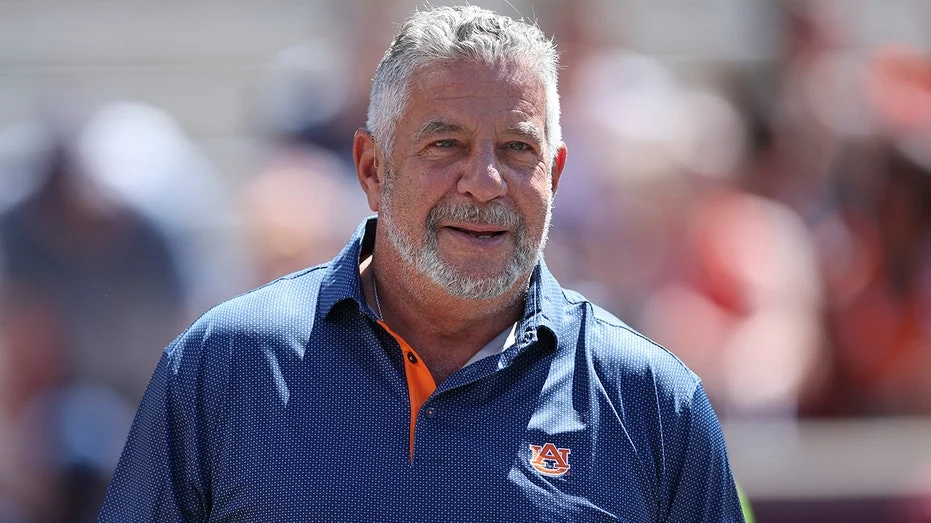
Former Auburn Tigers men’s basketball coach Bruce Pearl expressed reservations on Wednesday regarding the Miami (Ohio) RedHawks’ potential for an at-large bid to the NCAA Tournament, even if they falter in their quest for an automatic tournament selection. The RedHawks, currently ranked No. 19, have achieved a remarkable 30-0 record, clinching a share of the Mid-American Conference (MAC) regular-season title. This unprecedented run makes them the sole undefeated team in NCAA Division I men’s basketball. Their undefeated streak, however, has been characterized by a series of nail-biting victories, with seven wins decided by three points or fewer and three coming in overtime. Notably, Miami (Ohio) has yet to face any opponents ranked in the Top 25.
Pearl, a respected figure in college basketball known for his candid assessments, acknowledged the extraordinary accomplishment of Miami (Ohio) and praised head coach Travis Steele’s efforts with the mid-major program. "What Miami of Ohio has done has been unbelievable," Pearl stated on OutKick’s "Don’t @ Me with Dan Dakich." He then delved into the perennial debate surrounding NCAA Tournament selection criteria: "Are we choosing the 37 best at-large teams or are we choosing the 37 most deserving? Miami of Ohio is one of the most deserving to get into the NCAA Tournament." However, Pearl tempered his praise with a critical distinction. "Do I think they’re one of the best 37 teams? I don’t. That’s my opinion and it’s not personal."

The crux of Pearl’s concern lies in the RedHawks’ strength of schedule and the caliber of opponents they have faced. While their undefeated record is undeniable, it has been compiled against conference rivals and teams outside the national rankings. The NCAA Tournament selection committee faces the annual challenge of balancing undefeated records from mid-major conferences against the rigorous schedules and strength of competition faced by power conference teams. Pearl’s perspective highlights this inherent tension, suggesting that while Miami (Ohio) has earned a place in the tournament based on merit and sheer winning, their overall "best 37" ranking is debatable due to the lack of high-profile victories.
"Look, that’s what makes part of this time of the year so much fun," Pearl continued, embracing the subjective nature of bracketology. "We’re entitled to our opinions and, of course, they’ll get an opportunity to play it out on the court. I think Travis Steele has done an incredible job. I think to bring it every single night and win all those close games – what a season, what chemistry." Despite his admiration for the team’s resilience and coaching, Pearl’s analytical mind cannot overlook the statistical realities of their schedule.
Pearl then pivoted to a potential contender within the same conference, suggesting that the Akron Zips might present a more compelling case for a higher seeding or even an at-large bid if the selection committee prioritizes a tougher path. "But I’m not sure that Akron isn’t the best team in the MAC at the end of the day," he posited. The Zips boast an impressive 25-5 record, including a dominant 16-1 standing in the MAC. Their resume, while not undefeated, features a more challenging non-conference schedule, including a matchup against No. 2 Purdue, albeit resulting in a loss.

"Akron played a tougher schedule," Pearl elaborated, providing further justification for his assessment. "Akron is a little bit more battle-tested. They got a little bit more size. If that gets to be that matchup, that’s going to be an interesting matchup. These are not knocks on Miami of Ohio." This comparison underscores the nuanced decision-making process involved in tournament selections. The committee must weigh an undefeated record against a relatively weaker schedule against a strong record that includes more challenging non-conference opponents and potentially more competitive losses.
The scenario Pearl describes highlights the inherent drama of March Madness. Miami (Ohio)’s undefeated run has captured national attention, fueling the "Cinderella story" narrative. However, their place in the NCAA Tournament, particularly their seeding and potential for an at-large bid, remains a subject of intense debate among college basketball analysts and fans. The MAC Tournament now becomes a critical juncture for the RedHawks. Winning the conference tournament guarantees an automatic bid, eliminating the need for the selection committee’s evaluation of their at-large potential. Conversely, a loss in the tournament could leave them vulnerable, dependent on the committee’s perception of their overall strength compared to other bubble teams.
The history of NCAA Tournament selections is replete with examples of undefeated mid-major teams receiving bids, often with lower seeds, while other teams with impressive records but tougher schedules are left out. The selection committee, comprised of athletic directors and conference commissioners, grapples with establishing a consistent methodology that satisfies the diverse criteria and expectations of the college basketball landscape. Factors such as NET rankings, strength of schedule, quality wins, and road performance are all meticulously scrutinized. Miami (Ohio)’s lack of Quadrant 1 wins, which are victories against teams ranked in the top 50 of the NET, is likely a significant point of consideration for the committee.
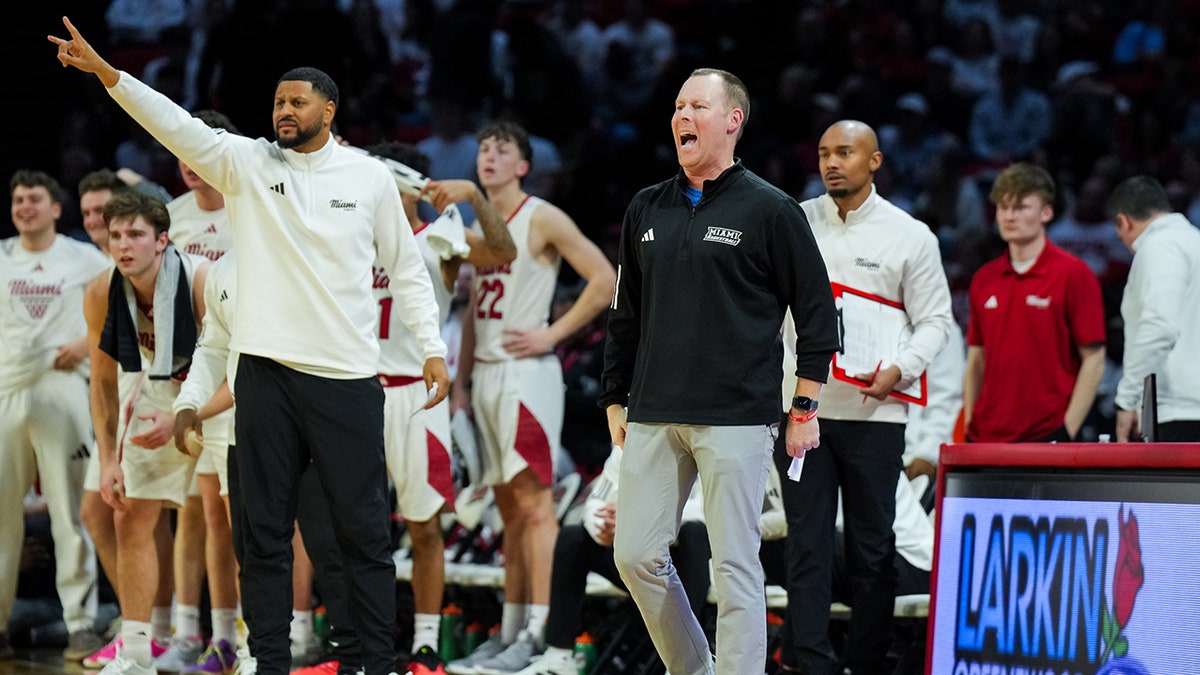
Travis Steele, in his tenure as head coach of the RedHawks, has instilled a culture of resilience and determination. The team’s ability to consistently close out close games speaks volumes about their mental fortitude and strategic execution. This characteristic is highly valued in tournament play, where margins for error are slim. However, the absence of marquee wins against nationally ranked opponents creates a perception gap that Pearl, and potentially the selection committee, finds difficult to bridge when evaluating them against the nation’s elite.
The conversation around Miami (Ohio)’s tournament prospects also brings to the forefront the broader discussion about the competitive balance within college basketball. While power conferences often dominate headlines and receive the lion’s share of national attention, the remarkable achievements of teams from smaller conferences deserve equal consideration. The RedHawks’ undefeated season is a testament to the talent and dedication present throughout NCAA Division I basketball, challenging the notion that only teams from major conferences can contend for national championships.
As the regular season draws to a close, Miami (Ohio) has one final regular-season game remaining before embarking on the MAC Tournament. The outcome of these upcoming contests will undoubtedly play a significant role in shaping their NCAA Tournament destiny. Whether they secure an automatic bid by winning the conference tournament or rely on an at-large selection, their undefeated season has already etched their name in the annals of college basketball history. Bruce Pearl’s cautious optimism, coupled with his analytical reservations, serves as a reminder of the complex and often subjective nature of the NCAA Tournament selection process, a process that continues to generate passionate debate and anticipation each year. The "what-ifs" surrounding undefeated teams from mid-major conferences will persist, adding another layer of intrigue to the annual drama of March Madness.