
 By Rifan Muazin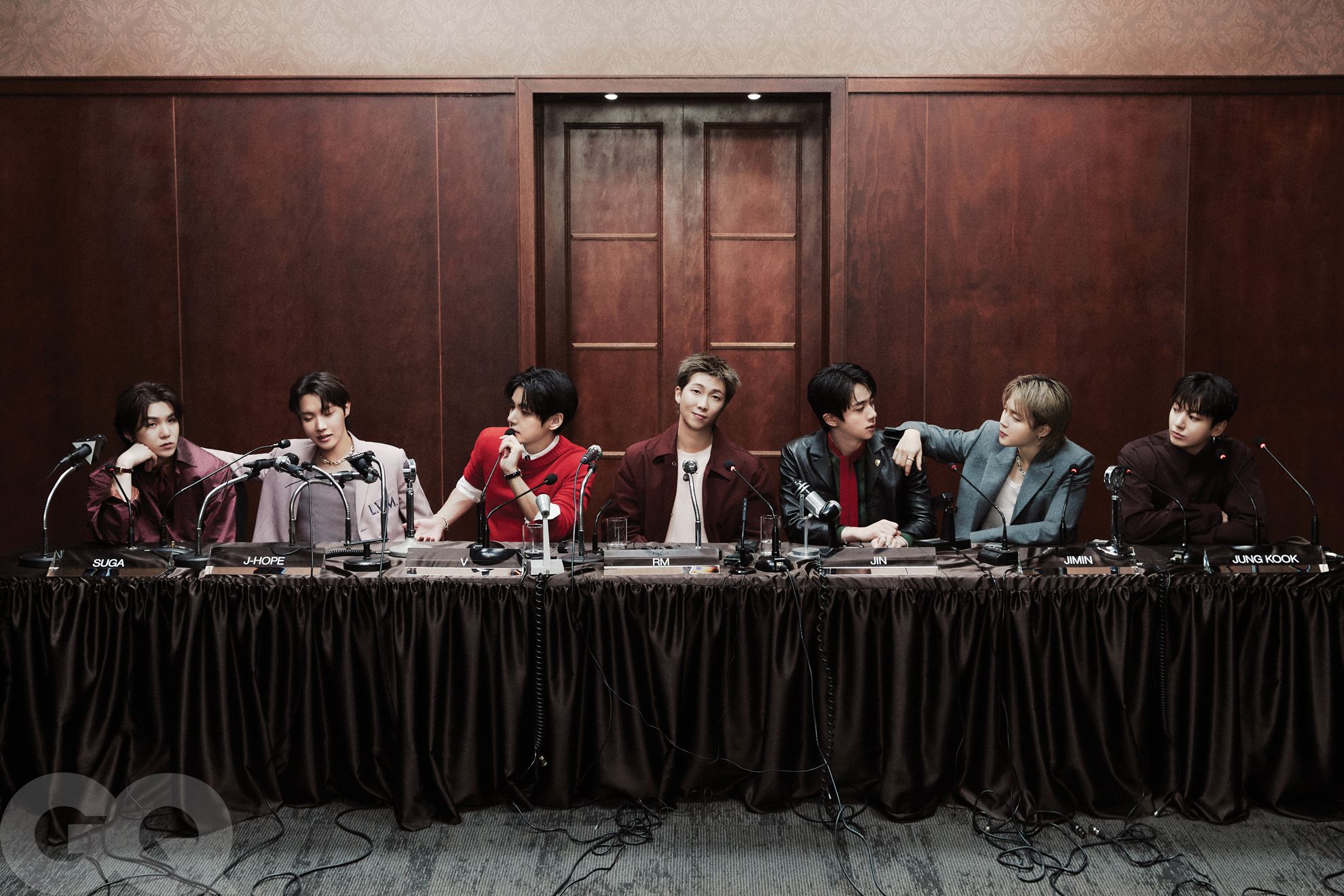
In mid-2025, a quiet transformation took place in a residential neighborhood of Los Angeles as the seven members of BTS—RM, Jin, Suga, J-Hope, Jimin, V, and Jung Kook—reunited under one roof for the first time in over half a decade. The occasion marked a pivotal moment in music history: the completion of the mandatory military service required of every able-bodied male in South Korea. For the world’s most successful group, this was more than a homecoming; it was a deliberate reset. Having lived apart since 2019 to fulfill their national duties and explore solo horizons, the septet returned to a communal lifestyle to recapture the "trainee spirit" that defined their early years at Big Hit Entertainment.

The routine they adopted in Los Angeles was surprisingly blue-collar for global icons. "We’d do six days a week, like businessmen," explains RM, the group’s cerebral leader. Their days were structured with military precision: morning gym sessions, communal lunches, and intensive studio work from 1 p.m. to 8 p.m. This simulation of their pre-superstardom life served as a grounding mechanism. Before they were a global cultural force with over 100 billion streams and 500 million units sold, they were seven teenagers in a cramped Seoul dormitory, dreaming of a single win on a local music show. Now, as they navigate their late 20s and early 30s, that hunger has been replaced by a more complex ambition: maintaining the "magic" that makes a band greater than the sum of its parts.

The BTS mythology is rooted in its underdog origins. In 2010, Big Hit Entertainment, then a struggling label in a market dominated by the "Big Three" (SM, YG, and JYP), signed a 16-year-old RM. Originally envisioned as a hip-hop trio with rappers Suga and J-Hope, the group evolved into a versatile seven-member idol unit. This lineup bridged the gap between underground grit and polished pop appeal, adding the vocal prowess of Jin and Jung Kook, the soulful baritone of V, and the contemporary dance elegance of Jimin. This unique chemistry allowed them to transcend the "K-pop" label, becoming the first Korean act to top the Billboard 200 and speak at the United Nations.

However, the path to this 2025 reunion was fraught with the reality of South Korean law. National conscription, a byproduct of the ongoing tensions with North Korea, requires nearly all men to serve between 18 and 21 months. While there was significant public debate regarding a possible exemption for the group—given their multi-billion dollar contribution to the South Korean economy—the members chose to enlist. They staggered their entries, starting with the eldest, Jin, in late 2022, and ending with Suga, to ensure a constant presence in the public eye through solo projects. Their service roles were as diverse as their musical styles: Jin and J-Hope served as drill instructors, Jung Kook worked as a military cook, and V joined a special task force. Suga, sidelined from active duty by a long-standing shoulder injury, served as a public service worker, an experience that forced him into a 9-to-5 office routine for the first time in his life. "I was never late," Suga notes with pride. "It was weird at first, but that structure actually influenced how I write music now."

The hiatus period (2022–2025) was far from a quiet era. It functioned as an "artistic awakening" for each member. Jung Kook’s Golden and Jimin’s FACE dominated global Top 40 charts, proving their individual viability as pop juggernauts. J-Hope explored gritty boom-bap with Jack in the Box, while RM released the experimental and introspective Right Place, Wrong Person. Suga completed a trilogy of albums under his Agust D alter ego, and V’s Layover showcased a penchant for jazz-inflected R&B. This period of individual auteurism was essential. As Halsey, a long-time collaborator, observed, "Their solo work was handled so tastefully. It wasn’t about ego; it was about sharpening their personal flair to eventually bring it back to the central vision of BTS."

Despite their individual successes, the pressure of the group’s return weighed heavily on RM. In a vulnerable December Weverse livestream that sent shockwaves through their global fanbase, known as ARMY, RM confessed to having thought about disbanding "thousands of times." He spoke of the crushing weight of being the "identity" of the group and the struggle to find a message that felt authentic after so much time away. "The personal pressure is huge," RM admitted during the stream. When the members are asked about this "crash-out" today, their response is quintessentially BTS: they handled the existential crisis with humor and brotherhood. "We didn’t actually watch the whole livestream," V says with a laugh. "We just saw the YouTube Shorts and made memes out of it." This ability to laugh through the tension is what Coldplay’s Chris Martin calls "a certain magic" that defines the band. "They have each other’s backs in a very intense situation," Martin noted after their "My Universe" collaboration.

The fruit of their Los Angeles sessions is the highly anticipated fifth studio album, titled Arirang. Named after the traditional Korean folk song that symbolizes connection, distance, and reunion, the album represents a homecoming to their roots while embracing a more mature, experimental sound. The production credits read like a "who’s who" of modern pop, with reports of collaborations with legendary hitmaker Max Martin and Jon Bellion. Suga describes the record as a departure from their previous sounds. "You’re going to see a more mature side of BTS. We are expressing both the positive and negative sides of life now." The album is set for a March 20 release, accompanied by a colossal world tour that industry analysts predict will be the highest-grossing in music history.

A significant factor in the band’s longevity is their relationship with ARMY. Unlike traditional fan-celebrity dynamics, BTS and their fans share a reciprocal emotional bond. This was fostered early on by HYBE chairman Bang Si-hyuk’s strategy of "extreme transparency." By allowing the members to vlog their lowest moments and run their own social media, the group became "close friends" to millions rather than "false idols." This connection has real-world impact. During the pandemic, the group’s content provided a lifeline for many, including caregivers and isolated individuals who found solace in the band’s message of self-love. ARMY’s power is strategic as well; they recently sent the 2018 track "Anpanman" to the top of the charts in 75 countries as a "welcome home" gesture for the members.

In the landscape of pop music, the concept of the "imperial phase"—a period where a band can do no wrong and dominates the zeitgeist—usually happens only once. Groups like ‘NSync or the Spice Girls often found that once members tasted solo success, the collective magic was difficult to recapture. BTS, however, seems determined to be the exception. Their impact is frequently compared to the Beatles, not just in terms of chart dominance, but in how they shifted the cultural center of gravity. Just as the Fab Four brought the British Invasion to America, BTS spearheaded a global shift toward Asian visibility in mainstream media, breaking down racial and linguistic barriers that had stood for decades.

As they sit together in a studio an hour outside of Seoul, the camaraderie is palpable. Jung Kook snacks on potato crackers while Jimin playfully teases Jin about his "Worldwide Handsome" moniker. They are no longer the "Bulletproof Boy Scouts" of 2013, but a group of men who have navigated the highest peaks of fame and the quiet discipline of military service. When asked if they can imagine a future for the band in the decades to come, Suga’s answer is hopeful. "Maybe it’ll be a little hard on our knees, but if we’re willing, I think we can be together as a band into our 50s and 60s."

The return of BTS in 2025 is not just a comeback; it is a testament to the power of collective identity in an increasingly fragmented world. Through Arirang, they are turning the world’s attention back to their roots, proving that even after reaching the pinnacle of global fame, the most important thing is the seven of them, in a room, making music together. For ARMY and the music industry at large, the message is clear: the "Beyond the Scene" era has only just begun.