
 By admin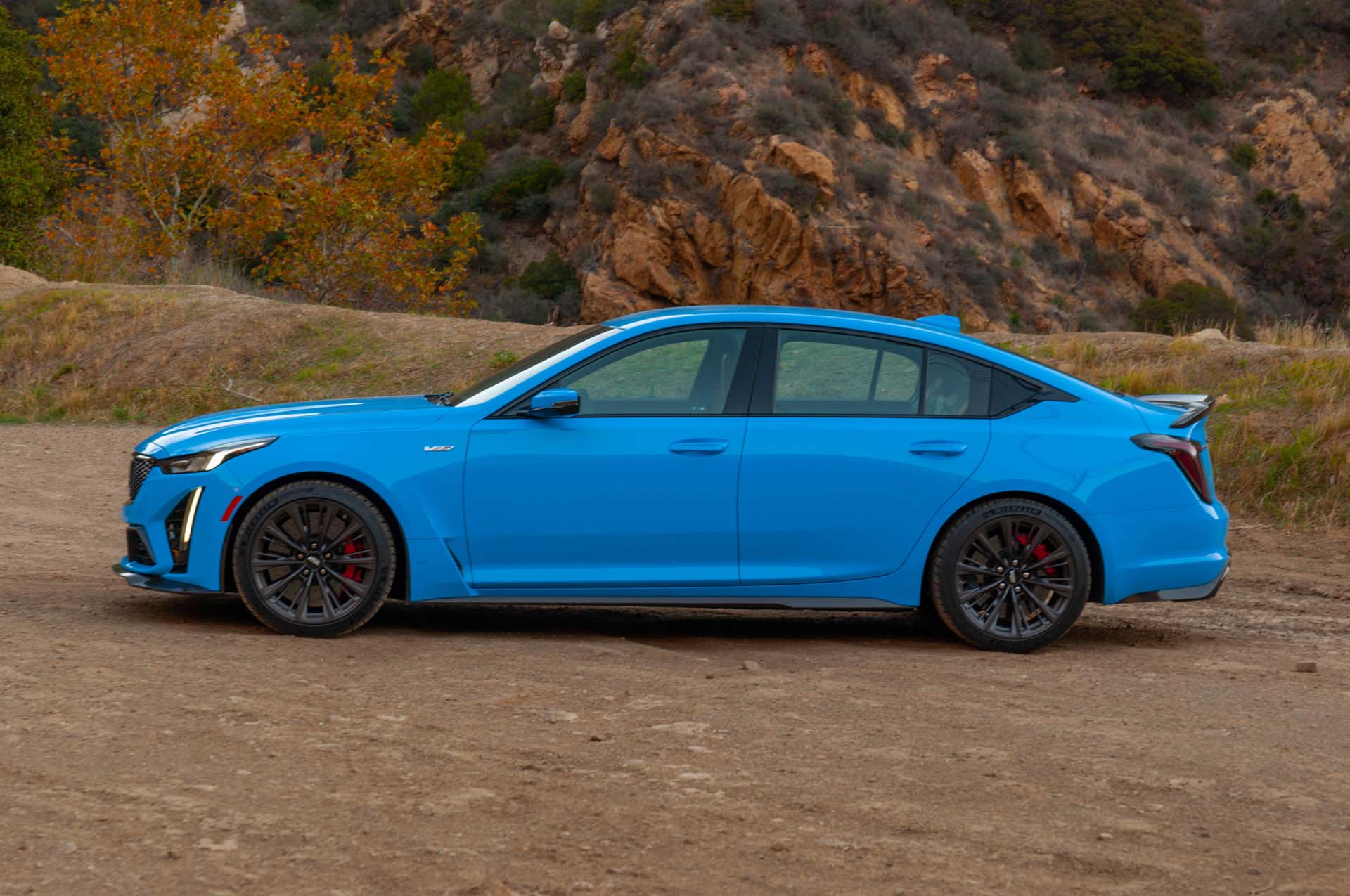
The core of the problem lies within a specific transmission control valve unique to the 10-speed automatic transmission, a unit known for its efficiency and performance across a range of GM and Ford vehicles. According to GM’s findings, these valves are prone to excessive wear over time. This wear progressively diminishes the valve’s ability to maintain proper hydraulic pressure within the transmission system. The immediate symptoms of this pressure loss can manifest as harsh or erratic shifting, a noticeable degradation in the driving experience. However, the more alarming and dangerous consequence, described as occurring "in rare cases," is the potential for the vehicle’s wheels to momentarily lock up while in motion.
This defect affects a broad spectrum of GM’s performance and luxury lineup, specifically targeting models exclusively fitted with the 10-speed automatic transmission. While the exact model years for all affected vehicles were not fully specified in the initial disclosure, the recall notice prominently features an image of a 2022 Cadillac CT5-V Blackwing, suggesting that recent model years are certainly implicated. The affected vehicles include:
- Cadillac CT4 (with 10-speed automatic transmission)
- Cadillac CT5 (with 10-speed automatic transmission)
- Chevrolet Camaro (with 10-speed automatic transmission)
It is crucial to note that this recall specifically targets vehicles equipped only with the 10-speed automatic transmission. Models with other transmission types are not impacted by this particular issue. While the Cadillac CT4 and CT5 are primarily rear-wheel-drive based, they can also be equipped with all-wheel drive, adding another layer of complexity to the potential wheel lock-up scenario, as the defect could cause either the front or rear wheels to seize. The Chevrolet Camaro, a quintessential American muscle car, is exclusively rear-wheel-drive.
The gravity of the defect is underscored by documented real-world incidents. In one particularly alarming case cited by GM, a driver of a Cadillac CT5 experienced both front wheels locking up simultaneously while driving. The transmission then automatically defaulted to neutral, an emergency safety protocol designed to prevent further damage but which leaves the driver with no power. The aftermath of this incident was severe, necessitating the replacement of both the engine and the front differential, indicating significant stress and potential damage to the powertrain components. This single event highlights the catastrophic potential of the defect, transforming a routine drive into a perilous situation.
GM’s internal investigations identified a total of 115 reports of wheel lock-up incidents, along with one reported crash directly attributed to this transmission fault. While only one crash has been reported so far, the potential for serious injury or fatality from a sudden loss of control at speed is immense. A vehicle’s wheels locking up, even momentarily, can lead to skidding, loss of steering control, and violent swerving, especially at highway speeds, posing a significant risk not only to the occupants of the affected vehicle but also to other road users. This kind of sudden, unexpected failure can easily trigger multi-vehicle collisions.
For owners who have already incurred out-of-pocket expenses to address this issue prior to the official recall, GM has committed to providing full reimbursement. This is a standard practice in automotive recalls, aiming to compensate customers for repairs that should have been covered under warranty or by the manufacturer due to a latent defect.
The proposed recall fix outlined by GM is both curious and highly specific. The wheel lock-up condition is believed to predominantly occur during a downshift from eighth gear. To counteract this, GM dealers will install a new transmission control module (TCM) software update. This enhanced software is designed to continuously monitor valve performance and detect signs of excessive wear approximately 10,000 miles before a critical wheel lock-up condition could occur. This proactive detection mechanism is intended to provide a significant warning period to drivers and prevent the most dangerous outcome.

Once the software detects undue wear, the vehicle’s transmission will be automatically capped at fifth gear until the next time the car is started. This "limp home" mode is a common safety feature in modern vehicles, designed to allow drivers to safely reach a service center without causing further damage or encountering a catastrophic failure. While capping the transmission at fifth gear prevents the immediate risk of wheel lock-up, it will undoubtedly lead to a significantly compromised driving experience. Drivers can expect a service engine light to illuminate in the instrument cluster, accompanied by "reduced propulsion" messages. The vehicle’s acceleration will be noticeably sluggish, matching these warnings and indicating a severe reduction in performance.
While operating in a limited gear range is a temporary safety measure, the statement that it "would seem to spell longer-term engine trouble" requires careful interpretation. Sustained operation in a single, potentially suboptimal gear (like fifth gear for extended periods or at high engine RPMs) could indeed place undue stress on the engine and other powertrain components, potentially leading to accelerated wear or reduced fuel efficiency. However, the primary intent of the limp mode is to prevent a more immediate and dangerous failure, guiding the driver to seek prompt service. Owners experiencing this limp mode should treat it as an urgent warning and have their vehicle serviced immediately to avoid potential secondary issues.
It’s noteworthy that subsequent model years of these vehicles were reportedly built with the improved software that proactively detects undue wear. This suggests that GM identified the underlying issue in its production line and implemented a fix in newer vehicles, but the recall is necessary for the earlier models already on the road that lack this preventative measure.
Owners of affected vehicles can expect to receive official notification by mail as early as April 21, 2025. However, GM has indicated that this will be a phased fix, meaning that the remedy might not be immediately available for all recalled cars by that date. Once notified, owners will be requested to schedule an appointment with a GM service center for the transmission control module software installation. For questions, concerns, or additional information, Cadillac owners can contact customer service at 1-800-333-4223, while Chevrolet owners can call 1-800-222-1020. Further details and updates are also available on GM’s dedicated recall website at experience.gm.com/ownercenter/recalls.
This recall highlights the intricate complexity of modern automotive transmissions, particularly multi-speed automatics like the 10-speed unit. Developed in a joint venture between GM and Ford, this transmission family (including GM’s 10L80 and 10L90 variants) is celebrated for its ability to deliver both fuel efficiency and robust performance through tightly spaced gear ratios and rapid shift times. It has been widely adopted across a variety of high-performance and luxury vehicles from both manufacturers. However, even in such sophisticated engineering, a single component like a control valve can become a point of failure, demonstrating the challenges of maintaining zero-defect quality in mass production.
The role of the NHTSA in overseeing such recalls is paramount. As the federal agency responsible for vehicle safety, NHTSA investigates potential safety defects, mandates recalls when necessary, and ensures manufacturers comply with safety standards. Their disclosure of this recall underscores the agency’s commitment to protecting the public from potentially hazardous vehicle defects.
Automotive recalls are a frequent occurrence in the industry, reflecting the ever-increasing complexity of modern vehicles, global supply chain intricacies, and the rigorous testing and monitoring standards now in place. While inconvenient for consumers and costly for manufacturers, recalls are a critical mechanism for addressing safety issues and maintaining public trust. For General Motors, a company with a long history of grappling with large-scale recalls, this event will undoubtedly reinforce the importance of stringent quality control and proactive safety measures. The financial implications for GM include the direct costs of repairs, potential legal liabilities arising from the reported crash, and the intangible costs of reputational damage.
For drivers, the immediate takeaway is the need for vigilance. While the recall provides a definitive fix, any owner of an affected model who experiences unusual symptoms such as harsh shifting, warning lights, or, most critically, any sensation of wheel slippage or momentary lock-up, should seek immediate professional inspection. The potential for a sudden loss of vehicle control due to wheel lock-up at speed represents an extreme safety hazard, making prompt adherence to recall notifications and proactive attention to vehicle behavior absolutely essential. The industry continues to evolve, but the fundamental need for vehicle reliability and safety remains the paramount concern for both manufacturers and regulators.