
 By admin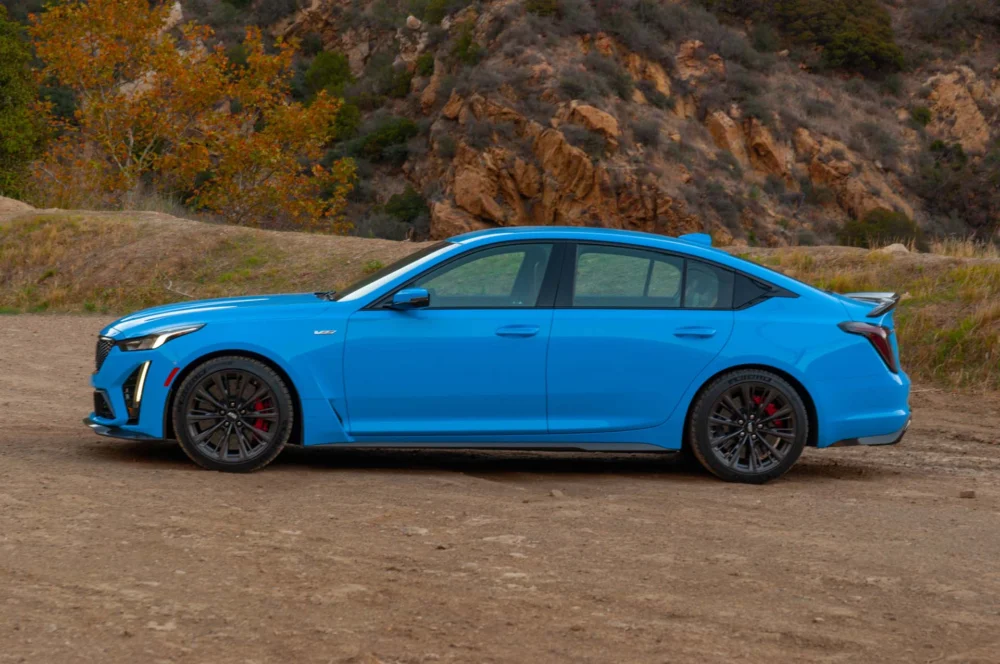
At the heart of the issue is a specific transmission control valve exclusive to the 10-speed automatic gearbox. Over time, these valves are prone to excessive wear, a deterioration that can ultimately lead to a critical loss of hydraulic pressure within the valve assembly. This pressure deficiency manifests initially as harsh and erratic shifting, a symptom that, while uncomfortable, is merely a precursor to a far more dangerous condition: the momentary lock-up of the vehicle’s wheels. While GM describes these instances as occurring "in rare cases," the potential consequences for driver control and safety are severe, particularly when operating at speed.
The recall specifically impacts models outfitted solely with the 10-speed automatic transmission. These include the 2022 Cadillac CT4, the 2022 Cadillac CT5, and the 2022 Chevrolet Camaro. These models represent a significant portion of GM’s performance and luxury sedan lineup, emphasizing the broad reach of this safety concern. While all affected vehicles are fundamentally rear-wheel-drive based, a crucial detail highlighted in the NHTSA disclosure is that the Cadillacs can also be equipped with an all-wheel-drive system. This means that the dangerous wheel lock-up condition is not confined to the rear axle but can affect either the front or rear wheels, depending on the vehicle’s configuration and the specific conditions at the time of the malfunction.
The severity of this defect is underscored by documented incidents. GM has identified a troubling 115 reports of wheel lock-up conditions and, alarmingly, one reported crash directly attributed to this transmission flaw. One particularly concerning account detailed a 2022 Cadillac CT5 driver experiencing both front wheels locking up simultaneously while in motion. In this critical situation, the vehicle’s transmission automatically defaulted to neutral, preventing further propulsion but leaving the driver in a precarious state of lost control. The aftermath of this incident was substantial, requiring the replacement of both the engine and the front differential – a clear indication of the stress and damage inflicted by the sudden lock-up.
For those drivers who have already experienced this issue and have borne the financial burden of repairs, GM has committed to reimbursement. This includes the aforementioned CT5 driver and any other owners who have paid out-of-pocket for work related to this transmission defect. This measure, while standard practice in significant recalls, offers some relief to affected consumers who acted proactively before the official recall was announced.
The proposed remedy for this serious flaw is both intricate and, to some industry observers, notably specific. The wheel lock-up condition is primarily believed to occur during a downshift from eighth gear. Rather than a mechanical replacement of the faulty valve or the entire transmission, GM’s solution involves a software update to the transmission control module (TCM). Dealers will install new software designed to continuously monitor valve performance. This sophisticated program is engineered to detect signs of excessive wear approximately 10,000 miles before a wheel lock-up condition is predicted to occur.
Upon detection of this impending wear, the software initiates a critical safety protocol: the transmission will be capped at fifth gear until the next time the vehicle is started. This "limp-home" mode is intended to prevent the dangerous downshift into eighth gear where the lock-up is most likely. Accompanying this reduced functionality, drivers will be alerted through several warnings in the instrument cluster, including a "service engine" light and "reduced propulsion" messages. The vehicle’s performance will mirror these warnings, exhibiting sluggish acceleration and diminished responsiveness, a stark contrast to the dynamic capabilities expected from these models. Subsequent model years, GM states, were manufactured with this improved software already integrated, suggesting that the automaker had recognized the potential for this issue prior to the official recall.

While a software-based mitigation offers a rapid deployment strategy for a widespread safety concern, it also raises questions among automotive experts and consumer advocates. The strategy of capping the transmission at fifth gear, though designed to prevent immediate danger, could lead to its own set of long-term implications. Operating a vehicle, especially a performance-oriented one, for extended periods at sub-optimal gear ratios could place undue stress on the engine and other driveline components. For instance, maintaining highway speeds in fifth gear would necessitate higher engine RPMs, potentially leading to increased fuel consumption, elevated engine temperatures, and accelerated wear on various engine parts. This "longer-term engine trouble" hinted at in the disclosure is a significant concern, suggesting that the software fix might be a stopgap measure rather than a definitive solution addressing the root mechanical cause.
Automotive safety experts often weigh the merits of software patches against hardware replacements in recall scenarios. Dr. Eleanor Vance, a professor of automotive engineering at the Institute for Vehicle Dynamics, commented on the situation: "Software updates are invaluable for rapid response to safety issues, especially when a physical component replacement would be prohibitively complex or time-consuming for such a large fleet. However, the efficacy of such a fix hinges on how it impacts the vehicle’s overall longevity and performance. Capping at fifth gear avoids the immediate risk, but it transforms the driving experience and could introduce secondary issues if not addressed with a more permanent hardware solution down the line." She further noted that drivers might find the reduced performance frustrating, potentially leading them to delay service or even attempt to circumvent the warnings, which could inadvertently increase risk.
The development of the 10-speed automatic transmission, often a collaboration between manufacturers like GM and Ford, represented a significant leap in automotive engineering, promising improved fuel economy and smoother power delivery through a wider gear ratio spread. Its widespread adoption across various GM models, from pickups to luxury sedans and sports cars, underscores its importance to the company’s powertrain strategy. A defect in such a critical and ubiquitous component highlights the immense challenges manufacturers face in ensuring the absolute reliability of increasingly complex automotive systems.
Owners of affected vehicles can expect to receive official notification by mail as early as April 21, 2025. However, GM has indicated that the fix will be phased, meaning that while initial notifications will be sent, the actual remedy might not be immediately available for all vehicles by that date. Owners will be requested to schedule an appointment at a GM authorized service center for the transmission control module software installation. This service will be performed free of charge, as is standard for all recall-related repairs.
It is crucial for owners to heed these recall notices promptly. Delaying the software update could leave them vulnerable to the potentially catastrophic consequences of a sudden wheel lock-up. The National Highway Traffic Safety Administration (NHTSA) continually monitors recall completion rates and urges all vehicle owners to address open recalls on their vehicles as soon as possible. Their role is pivotal in ensuring manufacturers adhere to safety standards and implement effective remedies for defects.
For further information or to address specific concerns, Cadillac owners can contact customer service directly at 1-800-333-4223. Chevrolet owners should call 1-800-222-1020. Additionally, owners can visit GM’s dedicated recall website at experience.gm.com/ownercenter/recalls to check their vehicle’s recall status using their Vehicle Identification Number (VIN) and access the latest information regarding this critical safety campaign. The proactive and timely response from affected owners will be key to mitigating the risks associated with this significant transmission defect.