
 By admin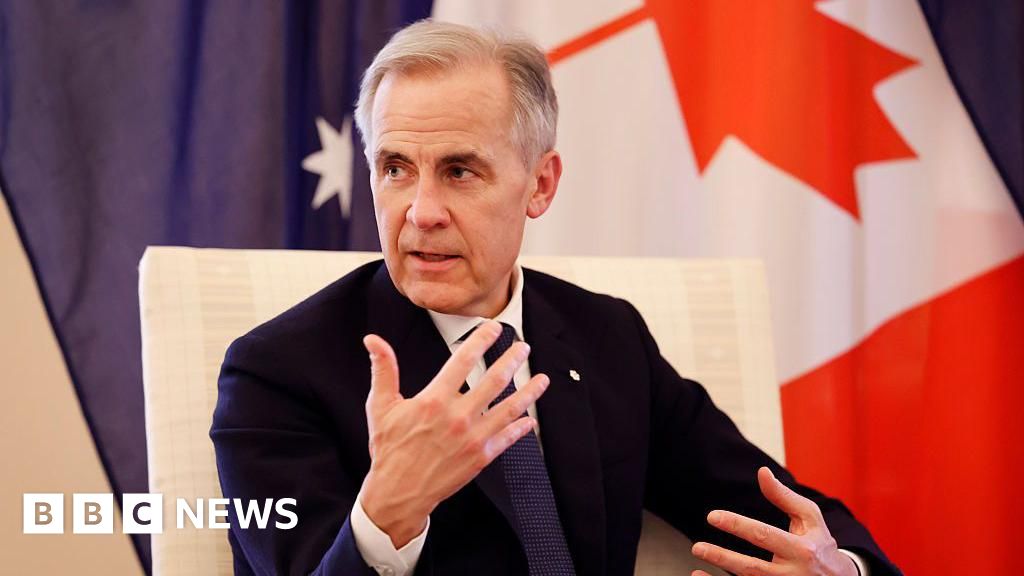
In a significant political development shaking the foundations of Canadian federal politics, a fourth Member of Parliament (MP) has defected from their party to join the governing Liberals, propelling Prime Minister Mark Carney closer than ever to securing a majority in the House of Commons. The latest shift involves Lori Idlout, a representative previously aligned with the left-leaning New Democrats (NDP). Her move to the Liberal caucus, announced via a statement from the party, signals a strategic realignment that could dramatically alter the legislative landscape for the remainder of the current parliamentary term.
Idlout, who represents the vast Canadian territory of Nunavut, stated that her decision followed "much personal reflection and encouragement from my community, family, and supporters." This personal justification, while common in such political transitions, underscores the complex interplay of individual conscience, constituent influence, and party loyalty that governs parliamentary allegiances. Her constituents in Nunavut, a region with unique socio-economic and political considerations, will undoubtedly be keen to understand the implications of their representative’s shift in allegiance. The vastness of Nunavut and the distinct challenges faced by its residents often require MPs to navigate a unique set of priorities, and Idlout’s move will be scrutinized for how it aligns with these regional interests.
The reaction from the NDP has been one of considerable disappointment. Interim leader Don Davies expressed his dismay, stating, "We believe that when someone rejects the decision of their electors and wants to join another party, they should put that decision to their voters." This sentiment reflects a long-standing democratic principle: that elected officials are primarily accountable to the constituents who sent them to Parliament. The idea of a by-election following such a defection is often raised by opposition parties as a means of reaffirming the mandate of the voters. Davies’ statement implicitly suggests that Idlout’s move, while perhaps personally motivated, may not fully reflect the electoral intentions of the people of Nunavut, who originally elected her under the NDP banner.
The Liberal Party, on the other hand, has openly welcomed Idlout with palpable enthusiasm. A spokesperson for the party stated they were "deeply excited to welcome" her, highlighting the strategic advantage her addition brings. This welcome underscores the Liberal Party’s concerted effort to consolidate its parliamentary strength and move beyond the inherent instability of a minority government. The addition of Idlout, a seasoned parliamentarian first elected in 2021, bolsters the Liberals’ numbers and signals a willingness to embrace MPs from across the political spectrum if it serves the party’s objectives.
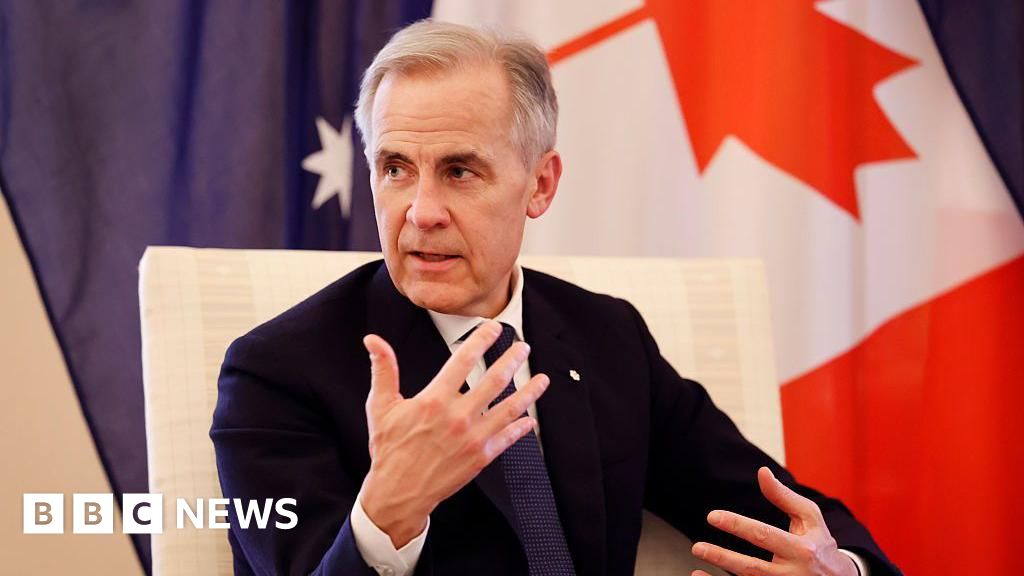
Prime Minister Mark Carney, who currently leads a minority government, has been strategically maneuvering to achieve a majority for some time. This latest defection is not an isolated incident but rather the culmination of a series of similar moves that have steadily eroded the opposition’s strength and bolstered the Liberal ranks. In February, Matt Jeneroux, a Conservative MP representing Edmonton, made the surprising decision to cross the floor and join the Liberal caucus. This move was preceded by two other significant defections late last year: Chris d’Entremont from Nova Scotia and Michael Ma from Ontario, both formerly Conservative MPs, who also opted to join Prime Minister Carney’s government.
These repeated defections have fueled accusations from opposition Conservatives. They have alleged that the Liberal Party has been employing "pressure tactics" to entice their members to switch allegiances. While the specifics of any such alleged pressure remain largely unsubstantiated in public discourse, the pattern of MPs leaving opposition parties to join the Liberals raises questions about the dynamics of party discipline, political incentives, and the broader pressures faced by elected officials in Ottawa. The narrative of "pressure tactics" attempts to frame these defections not as organic ideological shifts but as the result of overt or covert coercion.
Adding further momentum to the Liberal Party’s pursuit of a majority, Prime Minister Carney announced over the weekend the scheduling of three by-elections for April 13th. These contests are widely seen as critical junctures that could provide the Liberals with the legislative majority they have been seeking. By-elections are often unpredictable and can be influenced by a variety of factors, including local issues, the performance of the incumbent government, and the strength of the opposition candidates. However, the strategic timing and selection of these particular seats suggest a calculated approach by the Liberal campaign strategists.
Two of these crucial by-elections are set to take place in Toronto, within constituencies that are considered strongholds for the Liberal Party. Historically, these ridings have demonstrated a strong tendency to elect Liberal MPs, making them prime targets for the party to reclaim or solidify its presence. The third by-election is particularly noteworthy, as it will be held in Montreal. This seat has become a focal point of intense scrutiny due to its incredibly narrow margin of victory in the last federal election. The Liberal candidate won that race by a mere single vote, a result that was subsequently nullified by the Supreme Court of Canada due to irregularities. This makes the Montreal by-election a highly anticipated and closely watched contest, with significant symbolic and strategic implications for all parties involved.
The potential impact of these by-elections, coupled with Lori Idlout’s defection, is substantial. If the Liberal Party were to win all three of these upcoming seats, their total representation in the House of Commons would climb to 173 seats. This number would not only secure them a majority but would also significantly alter the balance of power. A majority government, by definition, allows the Prime Minister to govern without the constant need for the support of other parties on confidence votes. This would grant Prime Minister Carney a considerable degree of legislative freedom, potentially allowing him to avoid a general election for the remaining three years of the parliamentary term. The stability and predictability offered by a majority government are highly sought after in Canadian politics, as they enable a government to implement its policy agenda with greater confidence and less vulnerability to parliamentary deadlock.
The context of Idlout’s defection also highlights the precarious position of the New Democratic Party (NDP) in the current political climate. In the federal election held just over a year ago, the NDP experienced a significant decline in its electoral fortunes, securing only seven seats in the House of Commons. This represented a substantial loss of vote share to rival parties, particularly to the Liberals, who appeared to benefit from a strategic vote in many ridings to prevent Conservative victories. The NDP has been grappling with this diminished parliamentary presence and the challenge of regaining its electoral footing.
Adding to the internal challenges within the NDP, the party is slated to elect a new leader later this month. This leadership race is taking place against the backdrop of these parliamentary shifts and the NDP’s reduced electoral impact. The outcome of the leadership contest will undoubtedly play a crucial role in shaping the party’s future direction, its ability to attract voters, and its effectiveness as an opposition force. The choice of a new leader will signal the party’s ideological focus, its strategic priorities, and its vision for Canada. The defections, while primarily benefiting the Liberals, also underscore the competitive pressures within the Canadian political system, where parties are constantly vying for influence and electoral success. The NDP’s ability to regroup, articulate a compelling vision, and potentially win back lost voters will be a key determinant of its relevance in the years to come. The ongoing political maneuvering, by-elections, and leadership races all contribute to a dynamic and evolving federal political landscape in Canada, with the potential for a Liberal majority government now a tangible and imminent possibility.