
 By admin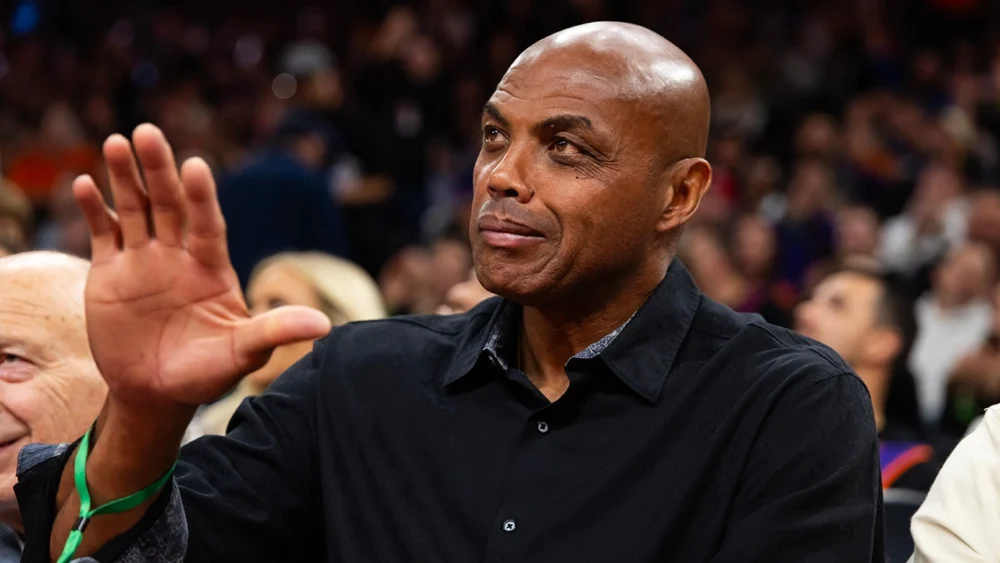
Basketball Hall of Famer Charles Barkley has vociferously criticized the polarized reactions to President Donald Trump’s invitation to the U.S. men’s Olympic hockey team, urging a halt to what he perceives as the politicization of sports and national pride. The controversy ignited after President Trump extended an invitation to the team, which had just secured a gold medal by defeating Canada in a thrilling overtime victory.
Following the decisive win, President Trump spoke with the triumphant U.S. men’s hockey team and announced their upcoming visit to the White House. In a moment that has since become a focal point of debate, he humorously added that he would need to invite the women’s team as well, or he would risk being "impeached." This quip, intended by some as a lighthearted jest, was interpreted by others as a dismissive or even misogynistic remark targeting the women’s team, which had also achieved significant success.
The fallout from President Trump’s comment rippled through the sports world, with reporters from the NHL and the burgeoning Professional Women’s Hockey League seeking player reactions as they returned to their respective club teams. Barkley, a prominent figure known for his candid and often unfiltered commentary, addressed the situation on the popular "Steam Room" podcast.
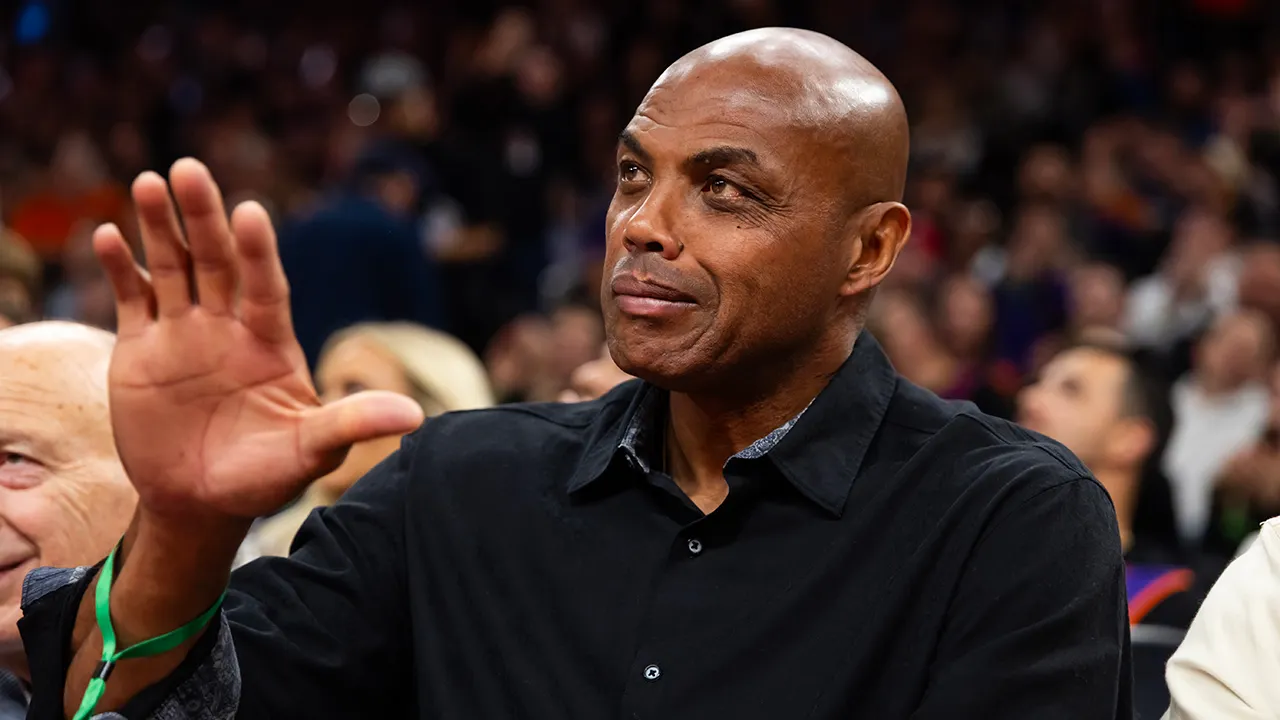
"I’m proud of the United States men. I’m proud of the United States women," Barkley stated emphatically. "You should have invited both of them to the White House, but it shouldn’t have been disrespect, misogyny." He then launched into a broader critique of the nation’s divisive political climate. "Like, yo, man, why do y’all have to mess everything up? Everything isn’t Democrat, Republican, conservative, liberal. That’s why we got this divided, screwed up country. Stop it man."
Barkley expressed frustration with what he sees as a deliberate manipulation of public sentiment by some figures, who he believes intentionally provoke outrage for political gain. "Because, you know, the public, they’re idiots. They’re fools. They can’t think for themselves. I know y’all say stuff to trigger them. Y’all say stuff and y’all know they’re going to be fools." He lamented that the average citizen often gets swept up in manufactured controversies, failing to see through the political machinations.
The former NBA superstar elaborated on this point, stressing that the public does not need to fall prey to what he described as "stupidity." "We don’t have to fall for stupidity. But we do – that’s my point. These people out here are stupid. They need something to trigger them. Just because they want us to be stupid. We don’t have to be stupid." He reiterated his belief that both teams should have been honored. "He should have invited both teams to the White House. Simple as that. Guys who didn’t want to go shouldn’t have to explain why they didn’t go."
Barkley made a point to distance himself from partisan politics, stating his clear opposition to President Trump while simultaneously expressing respect for the office of the presidency. "I’ve said this before, I’m not a Trump guy. But if I got invited to the White House, I would go. I’m not a Trump guy – I want to make that clear. But I respect the office." He emphasized that his willingness to visit the White House stems from a recognition of the institution, not necessarily the individual occupying it.
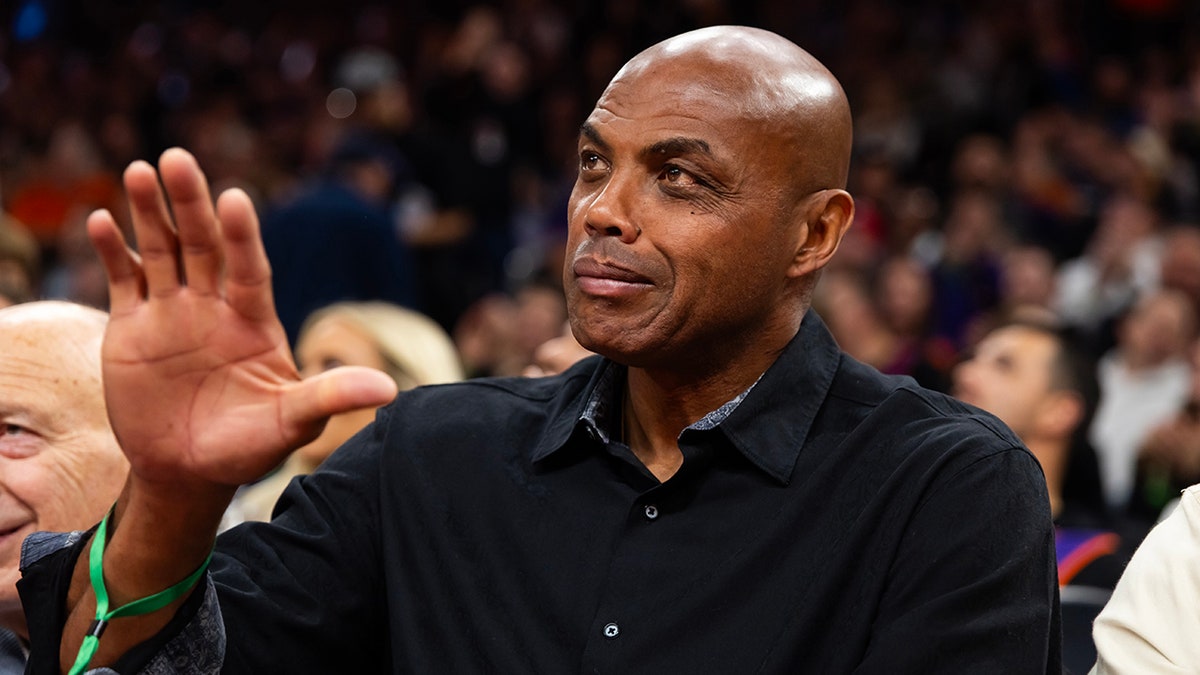
He continued, "He’s the president of the United States. But if guys don’t want to go, I understand that too. It doesn’t have to be a talking point. It doesn’t have to be un-American." Barkley’s stance underscores a desire to separate national recognition of athletic achievement from political affiliations, a sentiment he feels is increasingly lost in the current political discourse.
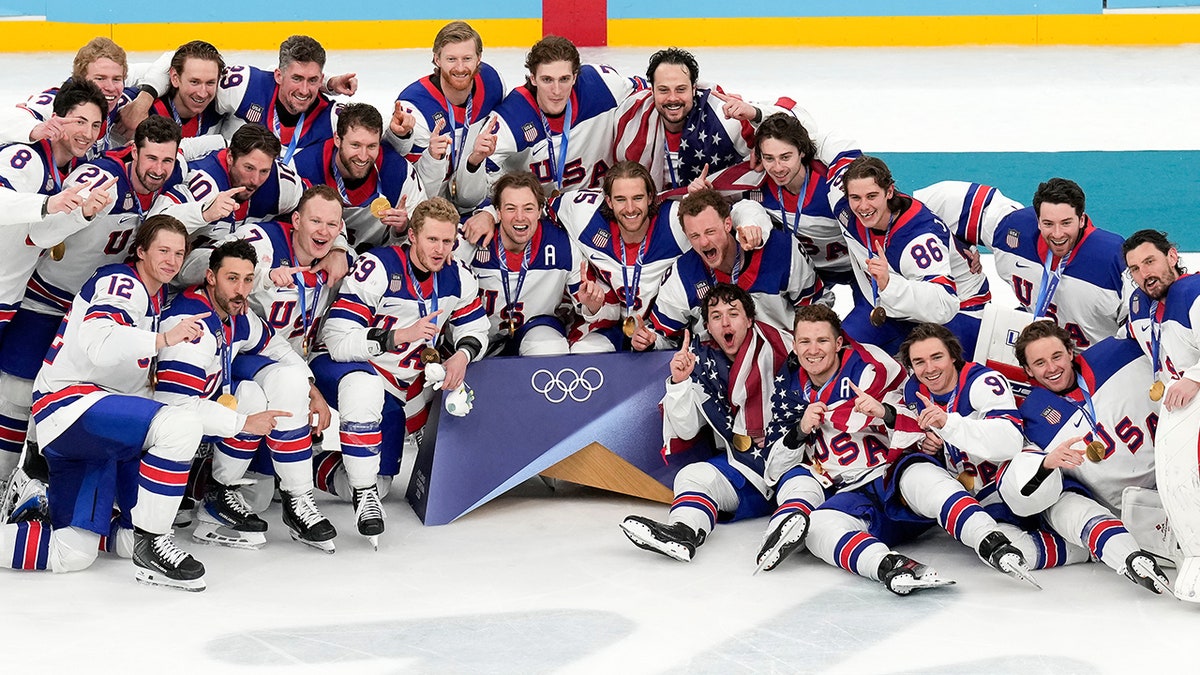
The context of the U.S. men’s hockey team’s victory is significant. Their triumph over Canada in the gold medal game marked a historic achievement, celebrated by many Americans. Canada, a perennial powerhouse in international hockey, represents a significant rival, making the victory particularly sweet for the U.S. team and its supporters. The invitation to the White House is a traditional gesture of recognition for championship-winning sports teams in the United States, a bipartisan custom that has been upheld by presidents of both major parties for decades.
Historically, presidential visits for championship teams have been seen as unifying moments, bringing together athletes and leaders to celebrate national accomplishment. However, in recent years, these events have increasingly become entangled in political debates. Athletes have sometimes chosen not to attend, citing various reasons, including political disagreements with the sitting president or a desire to protest specific policies. These decisions have, in turn, often sparked heated discussions about patriotism, respect for the office, and the role of sports in political expression.
The controversy surrounding the hockey invitation echoes similar debates that have arisen with other championship teams, including those in the NFL and NBA. These instances have highlighted a growing divide in how Americans view the intersection of sports, politics, and national identity. While some believe athletes should use their platform to express their views, others argue that sporting events and celebrations should remain separate from political contention.
Barkley’s commentary reflects a frustration with this persistent trend of politicization. His argument that the public is being "triggered" by intentionally inflammatory rhetoric suggests a belief that political figures and media outlets are exploiting societal divisions for engagement and influence. The "Steam Room" podcast, co-hosted by Ernie Johnson Jr., is known for its conversational and often insightful discussions on sports and culture, providing a platform for figures like Barkley to share their perspectives.
The U.S. women’s hockey team has also achieved remarkable success on the international stage, including Olympic gold medals. Their achievements are a source of national pride, and the expectation of a White House invitation for both teams, as suggested by Barkley, reflects a desire for equitable recognition of athletic excellence regardless of gender. The fact that this expectation became a point of contention underscores the broader societal conversations about gender equality and representation in sports.
The image accompanying the article, showing the victorious U.S. men’s hockey team, and another showing Megan Keller with the American flag, serve as visual reminders of the athletic achievements at the heart of the controversy. These images evoke a sense of national pride and the hard work and dedication of the athletes. However, the accompanying text and Barkley’s comments transform these symbols of success into subjects of political debate.
Barkley’s closing remark, "I just wish y’all would stop falling for the stupidity," encapsulates his exasperation with the seemingly endless cycle of manufactured outrage. He advocates for a more rational and less emotionally charged approach to national events, urging people to think critically and resist being manipulated by divisive narratives. His call for unity and a focus on shared pride in athletic accomplishment, rather than political division, resonates with a segment of the public weary of the constant partisan bickering.
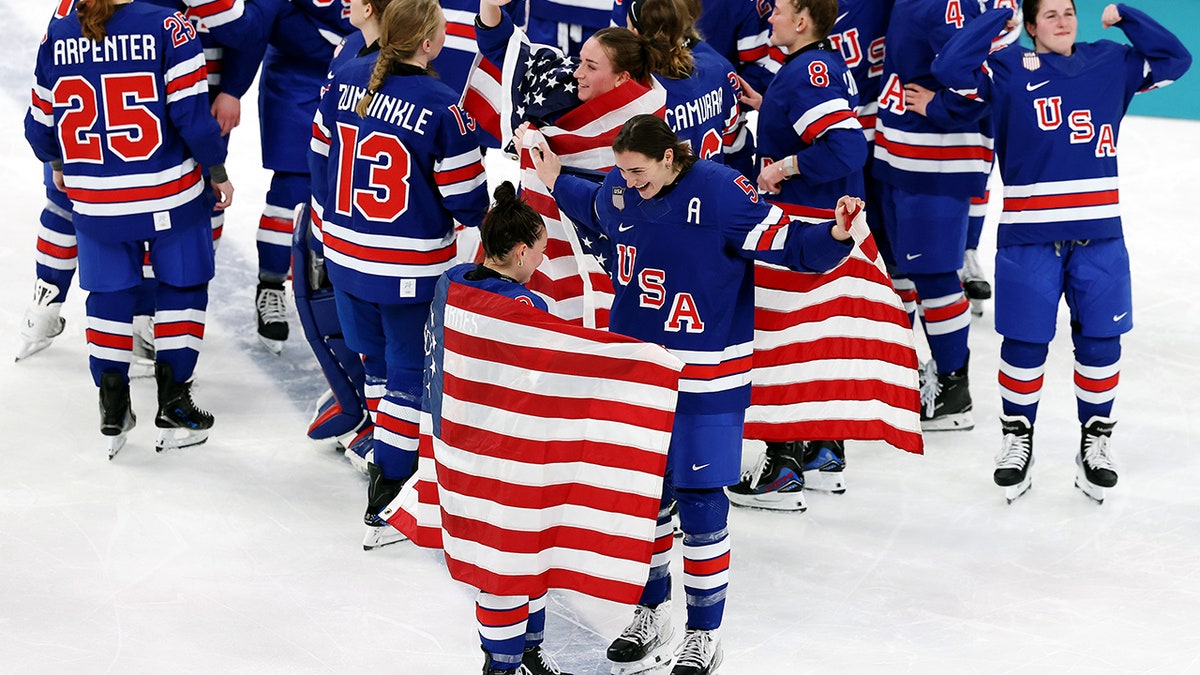
The related article mentioned, "US women’s hockey players crack jokes about men’s team on ‘Saturday Night Live’ after Trump controversy," suggests that the women’s team themselves may have engaged with the situation through humor, possibly as a way to diffuse tension or address the commentary in their own way. This further illustrates the multifaceted reactions and coping mechanisms within the sports community when faced with such politically charged situations.
In essence, Charles Barkley’s intervention in the White House hockey invitation controversy is a plea for sanity and a return to valuing national achievement over partisan squabbling. His critique is not solely directed at President Trump or his critics, but at the broader societal tendency to inject political division into every aspect of public life, including the celebration of athletic success. His words serve as a reminder that while sports can be a powerful arena for expression, they should also, ideally, be a space where Americans can come together to celebrate shared triumphs.