
 By admin
One of the most compelling entry points for this card is its introductory pricing structure. Citi currently offers a $0 annual fee for the first cardholder year; thereafter, a modest $99 annual fee applies. This "test drive" period is a rarity in the business credit card world and allows entrepreneurs to evaluate the card’s utility against their actual travel patterns before committing to a recurring cost. For a startup or a freelancer operating on thin margins, this first-year waiver provides immediate "in-the-black" value, especially when paired with the current limited-time welcome offer.
The Welcome Offer: A High-Value Entry Point
The current sign-up bonus is particularly aggressive. New cardholders can earn 75,000 AAdvantage® bonus miles after spending $5,000 on purchases within the first five months of account opening. To put this in perspective, many industry analysts, including those at The Points Guy, value American Airlines miles at approximately 1.7 cents each. This places the cash value of the welcome offer at a staggering $1,275.
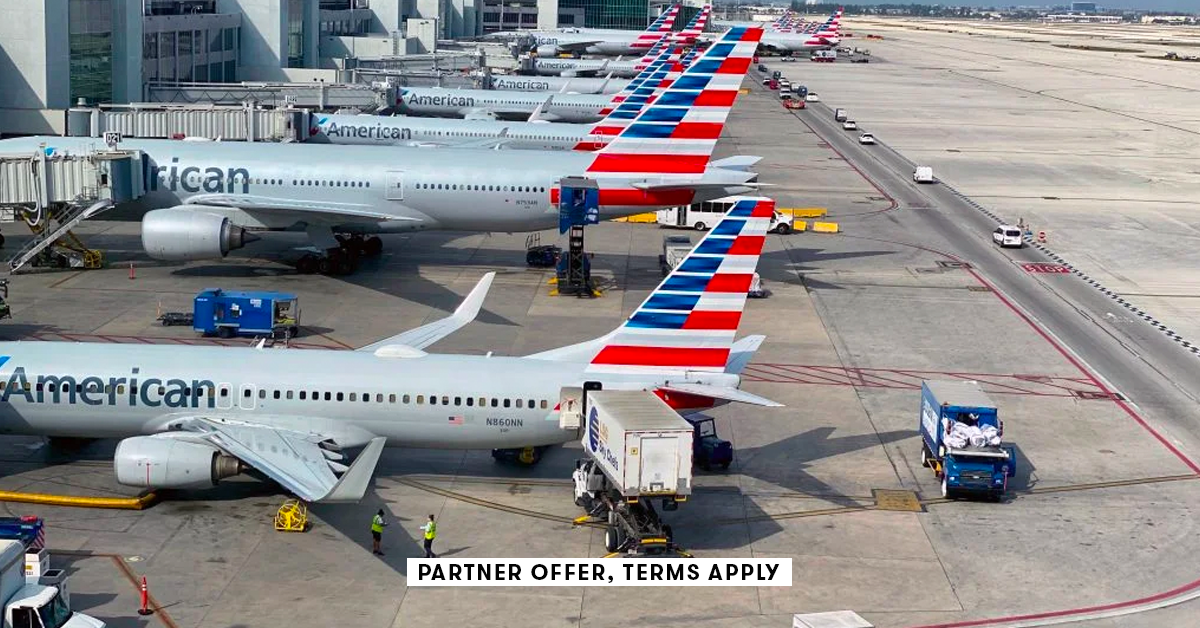
A 75,000-mile windfall is not just a number on a screen; it is a gateway to significant travel. In the current AAdvantage landscape, these miles could cover three round-trip domestic flights in main cabin, a one-way business-class ticket to Europe on a partner airline like British Airways or Iberia (provided you find "Saver" availability), or even a luxurious flight to Tokyo or Hong Kong on Japan Airlines. The five-month window to hit the $5,000 spending requirement is also more generous than the standard three-month window found on many competing cards, making it accessible even for businesses with lower monthly overhead.
Earning Potential and the Loyalty Point Revolution
The earning structure of the Citi / AAdvantage Business is streamlined to reward common business expenditures. Cardholders earn 2 miles for every $1 spent on eligible American Airlines purchases. Furthermore, the card offers 2 miles per $1 spent on gas stations, car rentals, and telecommunications merchants. All other purchases earn a flat 1 mile per $1 spent.
While these categories are solid, the true value of the card in the modern era of American Airlines travel lies in the "Loyalty Point" system. In 2022, American Airlines completely overhauled its elite status program, moving away from "Elite Qualifying Miles" and "Elite Qualifying Dollars" in favor of a single metric: Loyalty Points. Under this system, every $1 spent on the Citi / AAdvantage Business card earns 1 Loyalty Point.
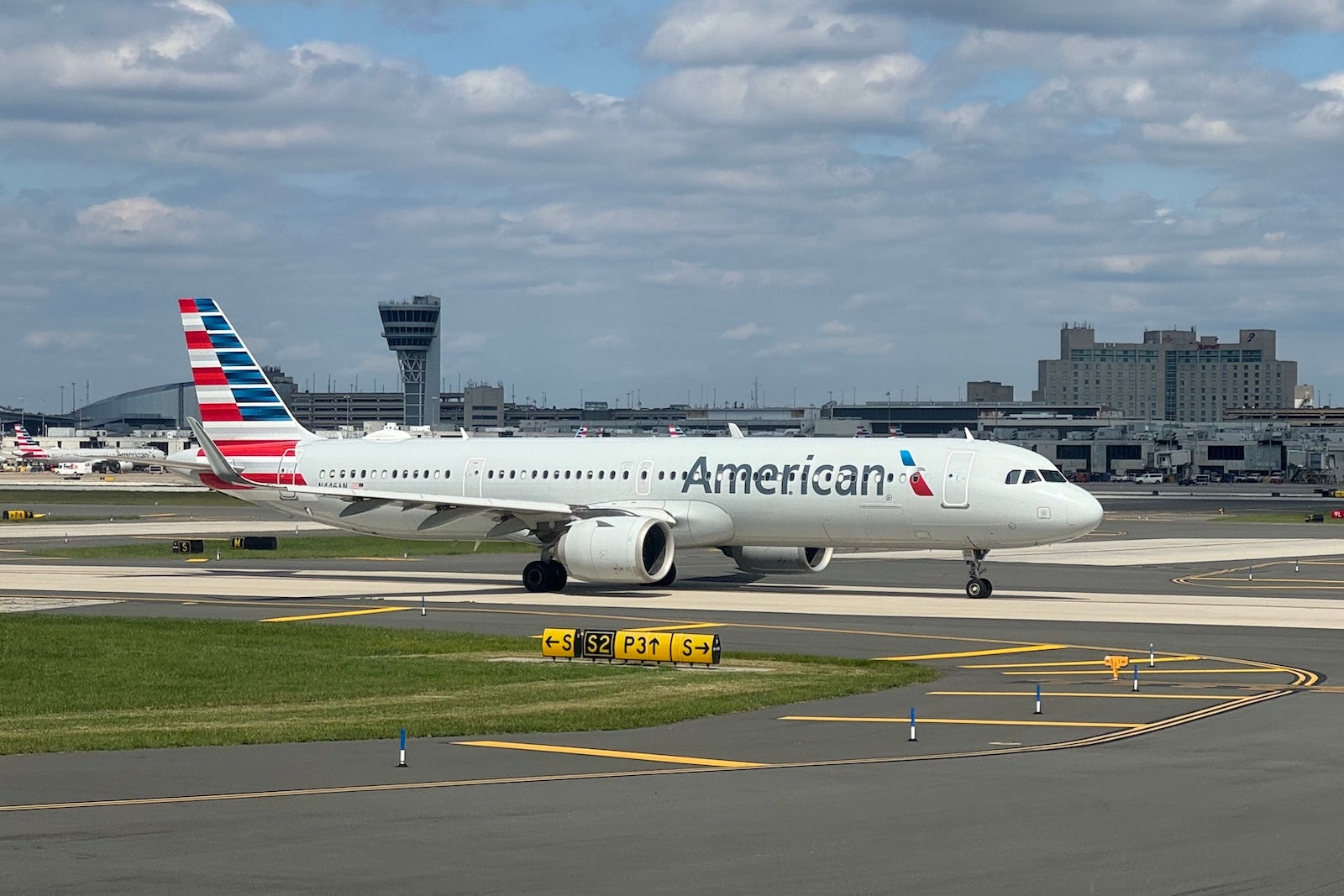
For a business owner, this means that the path to AAdvantage Gold, Platinum, or even Executive Platinum status no longer requires sitting in a plane seat for 100,000 miles. By shifting business expenses—such as office utilities, fuel, and travel—onto this card, an owner can effectively "spend" their way toward elite status. For instance, reaching AAdvantage Gold status requires 40,000 Loyalty Points. If a business owner spends $40,000 on the card annually, they secure status without ever having to step foot on a plane, though the benefits of that status (upgrades, extra baggage, priority check-in) are realized when they finally do fly.
Travel Benefits: Offsetting the Annual Fee
The card’s primary travel perks are designed to alleviate the friction of the airport experience. The most tangible benefit is the first checked bag free on domestic American Airlines itineraries. With American recently increasing baggage fees (often $35 for the first bag one-way), a single round-trip flight for a business owner and one colleague can save $140 in fees—instantly recouping the $99 annual fee (after the first year). This benefit extends to up to four companions traveling on the same reservation.
Beyond baggage, the card grants "Preferred Boarding," which typically translates to Group 5. While this isn’t the first group to board, it is ahead of the general boarding groups, ensuring that cardholders find space for their carry-on bags in the overhead bins—a critical advantage for business travelers who cannot afford to have their laptops or presentation materials gate-checked.

Additionally, the card offers a 25% discount on inflight Wi-Fi when purchased with the card on American Airlines flights. In an era where "staying connected" is a business requirement, this discount can add up to significant savings over a year of regional or transcontinental travel.
The Companion Certificate: A High Bar for High Value
A more elusive but potentially lucrative perk is the American Airlines Companion Certificate. To earn this, a cardholder must spend $30,000 or more on the card during a cardmembership year and then renew the card. The certificate allows you to bring a guest on a domestic main cabin round-trip flight for just $99 (plus taxes and fees).
However, the $30,000 spending requirement is a point of contention among rewards experts. For many small businesses, $30,000 is a significant amount of capital to tie up in a single card, especially when other business cards might offer higher multipliers or more flexible "transferable" points. If you are using that $30,000 to earn 1x or 2x miles, you are essentially "paying" for that certificate through the opportunity cost of not earning more valuable rewards elsewhere. That said, if your business naturally spends $30,000 a year and you are an AA loyalist, the certificate is a cherry on top of the Loyalty Points you’ve already earned.
Comparison: Business vs. Consumer Options
A common question is how this card compares to the consumer-focused Citi® / AAdvantage® Platinum Select® World Elite Mastercard®. Both carry a similar $99 annual fee and offer many of the same perks, such as the free checked bag and preferred boarding. The divergence is found in the bonus categories. The consumer version rewards "lifestyle" spending like restaurants and grocery stores, whereas the business version focuses on "operational" spending like telecommunications and car rentals.
Another competitor is the AAdvantage® Aviator® World Elite Business Mastercard issued by Barclays. The Barclays version often has a simpler "spend once" sign-up bonus and includes a 5% annual mileage bonus based on the total miles earned. However, Citi’s deep integration with American Airlines and the current 75,000-mile offer often make the Citi card the more attractive starting point for those looking to build a large mileage balance quickly.
Who Should Apply?
The Citi / AAdvantage Business card is ideally suited for two types of individuals. First is the "Solopreneur" or "Side-Hustler." Because you do not need a massive corporation to qualify for a business card—freelancers, eBay sellers, and consultants are often eligible—this card provides a way to separate business expenses from personal ones while double-dipping on travel rewards.

Second is the "Status Seeker." Because American Airlines has made credit card spend the primary engine for elite status, this card is a mandatory tool for any business traveler who wants to reach the higher tiers of the AAdvantage program without living in hotels.
However, the card does have its downsides. It lacks some of the robust travel insurance protections (like primary rental car insurance or trip delay reimbursement) found on the Chase Ink Business Preferred® or the American Express® Business Gold Card. Furthermore, the miles earned are "locked" into the American Airlines ecosystem. If American decides to devalue its award chart or if you need to fly Delta or United for a specific route, these miles offer no flexibility.
Expert Perspective and Final Verdict
From a journalistic and analytical perspective, the Citi / AAdvantage Business™ World Elite Mastercard® is a "utility player." It isn’t flashy, and it doesn’t offer lounge access or $200 statement credits for obscure services. Instead, it focuses on the fundamentals: reducing the cost of flying (bags/Wi-Fi), improving the airport experience (boarding), and accelerating the path to elite status.

For the first year, with a $0 fee and a massive 75,000-mile bonus, the card is essentially an "all-upside" proposition. The real decision comes in year two. If your business travel takes you through American Airlines hubs at least twice a year, the baggage savings alone justify the $99 fee. If you are a diversified traveler who flies whichever airline is cheapest, you might find more value in a card that earns transferable points, such as the Amex Business Gold or the Capital One Venture X Business.
Ultimately, the Citi / AAdvantage Business card succeeds because it knows its audience. It serves the American Airlines loyalist who manages a business and wants their daily overhead to fund their next vacation. In the current rewards climate, where Loyalty Points are king, this card remains one of the most efficient ways to climb the ranks of the AAdvantage program while keeping annual costs remarkably low.