
 By admin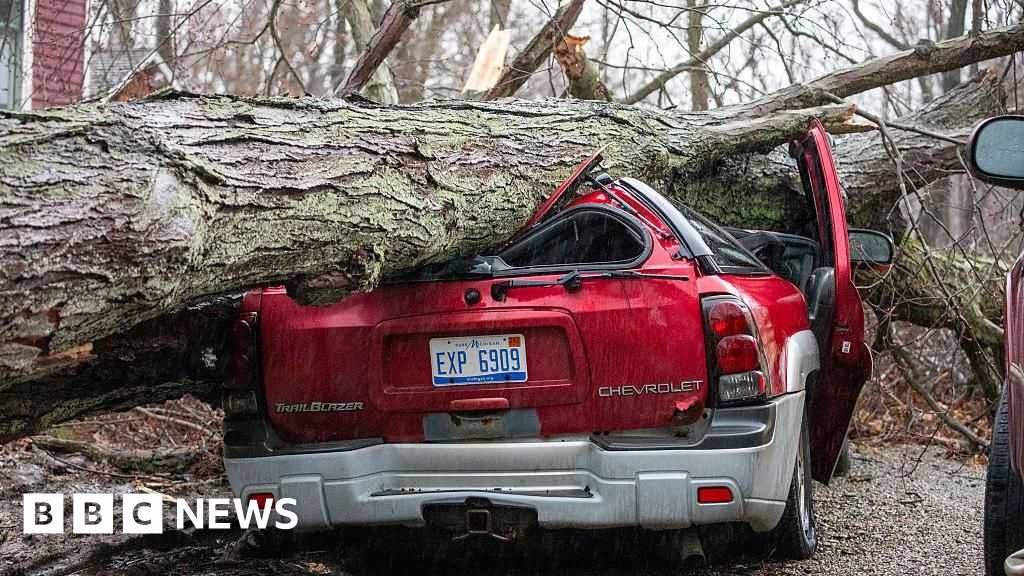
A devastating outbreak of severe storms, including powerful tornadoes, has ripped through parts of the United States, claiming the lives of at least six people and leaving more than a dozen others injured. The catastrophic weather event, which struck primarily on Friday, left a trail of destruction across southern Michigan and Oklahoma, uprooting trees, downing power lines, and reducing buildings to rubble. Rescue workers are continuing their arduous efforts to assess the full extent of the damage and provide aid to affected communities, as the National Weather Service warns that the volatile weather system could persist into the weekend, with the potential for further thunderstorms and flash flooding stretching from the Great Plains to Texas.
In the heart of Michigan, the impact of the tornadoes was particularly brutal. The Branch County sheriff’s department confirmed that three individuals lost their lives and 12 others sustained injuries near Union City, a community that bore the brunt of a direct tornado hit on Friday. The scale of destruction in this area was significant, with numerous homes and agricultural structures suffering severe damage, ranging from major structural compromise to complete obliteration. Power outages and road closures are expected to persist throughout the weekend, complicating recovery efforts and leaving many residents without essential services.
Approximately 50 miles (80 km) away, in Cass County, Michigan, another fatality was reported, along with several other injuries. The extent of structural damage in Cass County was also extensive, with authorities detailing that "multiple large structures – including homes and pole barns – sustained damage ranging from major structural impacts to complete destruction." This widespread devastation has left hundreds of residents without power, exacerbating the challenges faced by communities grappling with the aftermath of the storms.
Among the victims in Michigan was 12-year-old Silas Anderson, who tragically died from unspecified weather-related injuries in Edwardsburg, Cass County, as announced by Cass County Sheriff Clint Roach on Saturday. The sheriff’s office shared a poignant social media post stating, "Silas was surrounded by family at the time of his passing," underscoring the profound personal tragedy behind the broader disaster.
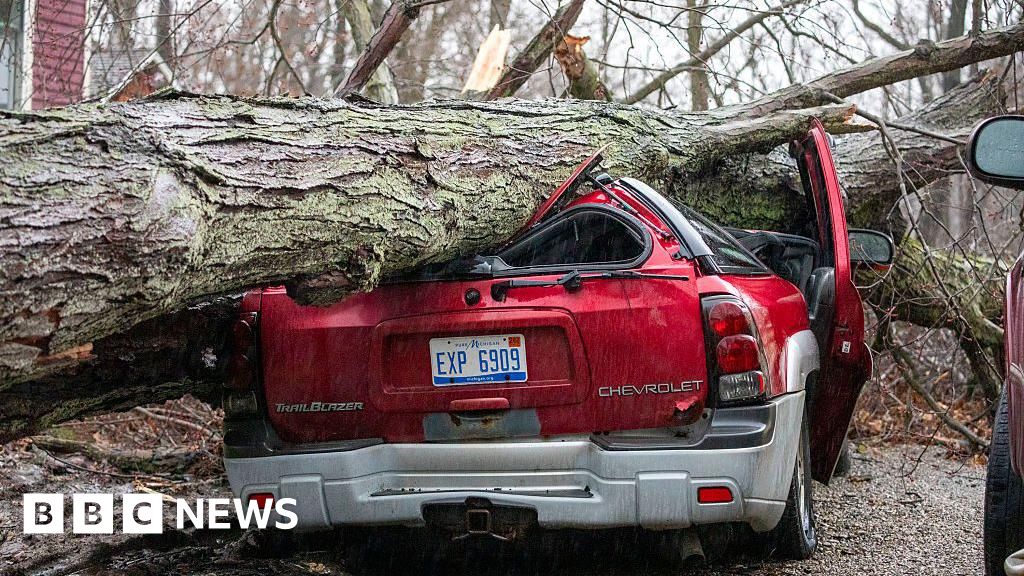
The raw power of the tornadoes was captured in harrowing videos shared across social media platforms. These clips depicted massive whirlwinds tearing through Union City, with immense clouds of debris and dust swirling violently across parking lots in the city of Three Rivers. The visual evidence underscored the immense destructive force unleashed by the storms.
One local resident in Three Rivers, speaking to the BBC’s US partner CBS News, recounted the terrifying experience of witnessing the storm’s approach. "We look out the window and saw the tornado go right down the strip and that’s where my daughter is, where my parents, where I live down the road," the resident shared, expressing immense relief and gratitude for the safety of their loved ones. "I was just very grateful that God protected my daughter and my mom and sister and my family." This personal account highlights the fear and uncertainty experienced by those directly in the path of the tornadoes, as well as the profound sense of relief when families are spared the worst.
In response to the widespread devastation, Michigan Governor Gretchen Whitmer declared a state of emergency for Branch, Cass, and St. Joseph counties. "We are working with emergency teams to monitor the situation and coordinate resources for those impacted," Governor Whitmer stated, emphasizing the state’s commitment to supporting affected communities. "My heart is with the families who lost loved ones and the Michiganders who were injured yesterday." Her administration is actively engaged in coordinating relief efforts, ensuring that emergency responders have the necessary resources to address the immediate crisis and begin the long road to recovery.
Emergency management officials on the ground are diligently continuing their search operations in the damaged areas, initiating crucial recovery efforts. The immediate priority is to ensure the safety of residents, provide medical assistance to the injured, and begin the process of clearing debris and restoring essential services.
Meanwhile, in Oklahoma, the severe storms also inflicted significant damage and claimed lives. In Okmulgee County, approximately 30 miles (48 km) south of Tulsa, a tornado carved a path of destruction estimated to be around 4 miles (6.4 km) long, according to Jeff Moore, the county’s emergency manager. "We’re just getting everywhere as fast as we can, clearing roads as fast we can," Moore said, describing the urgent and challenging task of reaching all affected areas and restoring access.
Two fatalities were reported in Beggs, Oklahoma, as confirmed by the Okmulgee County sheriff’s office, adding to the tragic toll of the storm outbreak. The impact in Oklahoma, while perhaps less widespread in terms of reported fatalities compared to Michigan, still represents a significant natural disaster for the affected communities.
Oklahoma Governor Kevin Stitt responded by declaring a state of emergency for eight counties: Alfalfa, Creek, Grant, Major, Okmulgee, Rogers, Tulsa, and Wagoner. This declaration aims to "ensure Oklahomans have the support and resources they need after last night’s storms," demonstrating a proactive approach to mobilizing state resources for disaster relief and recovery. The declaration allows for the expedited deployment of state assets and personnel to assist local authorities in their response efforts.
The National Weather Service’s forecast for the weekend underscores the persistent threat posed by this weather system. Warnings of thunderstorms and the potential for flash flooding across a broad swath of the country, from the Great Plains down to Texas, indicate that the danger is far from over. This prolonged period of severe weather necessitates ongoing vigilance and preparedness from residents in these regions. The meteorological conditions conducive to tornado formation and severe thunderstorms often involve a complex interplay of atmospheric factors, including significant moisture, atmospheric instability, and wind shear, which can create the rotating updrafts necessary for tornado development.
The economic and social ramifications of such widespread natural disasters are substantial. Beyond the immediate loss of life and injury, communities face the immense task of rebuilding damaged infrastructure, homes, and businesses. Power outages disrupt daily life and critical services, while road closures hinder emergency response and economic activity. The psychological toll on individuals and communities can also be profound, with the trauma of experiencing such destructive events leaving lasting impacts. Disaster relief organizations, government agencies, and local communities will need to collaborate effectively to provide both immediate aid and long-term support for recovery and rebuilding efforts. The resilience of these communities will be tested in the coming weeks and months as they navigate the challenges of recovery and strive to return to normalcy. The ongoing monitoring by meteorological agencies and the preparedness of local authorities will be crucial in mitigating future risks and ensuring the safety of residents as the weather system continues its trajectory.