
 By admin
In a significant diplomatic development, the Democratic Republic of Congo (DRC) and Rwanda have publicly committed to taking "concrete steps" to de-escalate mounting tensions and revive a faltering peace process. This agreement was reached following high-level talks hosted by the United States in Washington D.C., signaling a potential shift in the protracted conflict that continues to plague eastern DRC. The joint declaration, issued by the governments of the DRC, Rwanda, and the United States, underscores a shared recognition of the urgent need to address the ongoing violence and its destabilizing regional implications.
The announcement comes at a critical juncture, as the conflict in eastern DRC has shown little sign of abating despite a peace deal brokered by the US and signed by both nations with then-President Donald Trump in December of the previous year. This renewed commitment to peace, however, is tempered by the shadow of recent US sanctions imposed on the Rwandan Defence Forces and four senior Rwandan officials. The US accused Rwanda of direct support for the M23 rebel group, attributing the escalation of violence to this alleged backing. The sanctions highlighted the deep mistrust and the complex web of accusations that have characterized the conflict for decades.
The joint statement outlines a series of coordinated measures aimed at reducing hostilities and fostering progress on the ground. Central to these commitments is a mutual pledge to respect each other’s sovereignty and territorial integrity. Crucially, Rwanda has agreed to disengage its forces and lift "defensive measures… in defined areas in DR Congo’s territory." This specific commitment addresses concerns raised by the DRC and international observers regarding the presence of Rwandan military personnel within Congolese borders, which Kigali has consistently described as a necessary measure to counter threats to its own security.
In parallel, the DRC has committed to intensifying "time-bound" efforts to neutralize the Democratic Forces for the Liberation of Rwanda (FDLR). This Hutu rebel group, which includes individuals implicated in the 1994 Rwandan genocide, has been a persistent source of instability in eastern DRC and a primary security concern for Rwanda. Rwanda views the FDLR as a "genocidal militia" whose continued operation within DRC territory poses an existential threat to Rwandan national security. The DRC’s pledge to dismantle this group signifies a willingness to address a key Rwandan grievance.
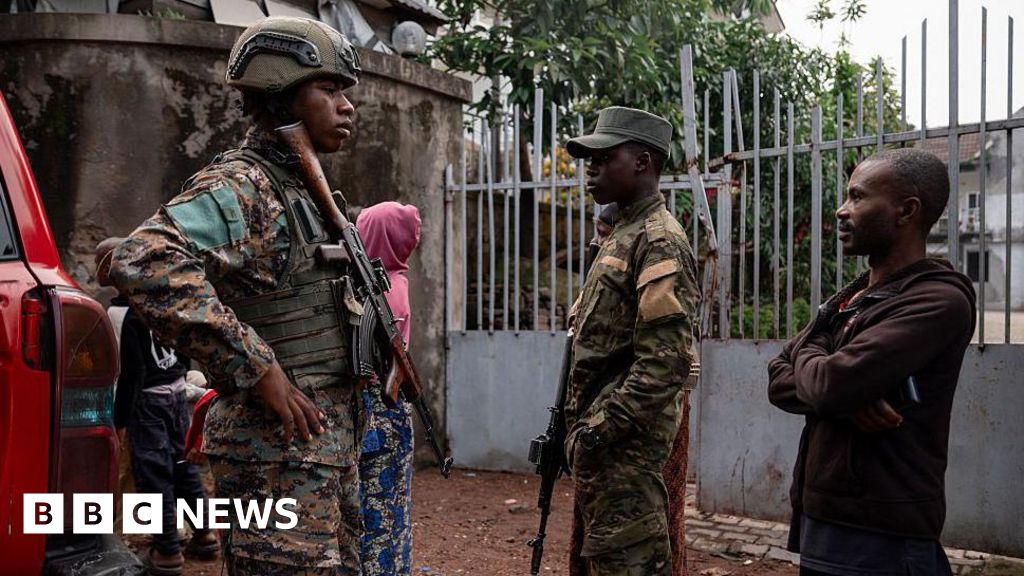
Rwanda has consistently denied allegations of supporting the M23 rebel group, despite what many international bodies and governments describe as overwhelming evidence. Kigali maintains that its military presence in eastern DRC is purely defensive, aimed at safeguarding its borders from armed groups operating with impunity in the chaotic eastern regions of the DRC. This stance has been a major point of contention, with the DRC and its allies viewing Rwandan involvement as a direct intervention that fuels the M23 insurgency.
The conflict in eastern DRC is one of the most complex and enduring humanitarian crises in the world. It is characterized by a multitude of armed groups, ethnic tensions, and a fierce struggle for control over the region’s rich mineral resources. The M23 rebel group, which re-emerged in late 2021, has been particularly effective in its offensives, capturing significant territory and displacing hundreds of thousands of people. The group’s stated aim is to protect the rights of Congolese Tutsi populations, who they claim are facing discrimination and persecution. However, critics argue that the M23 is a proxy force used by Rwanda to destabilize the DRC and exert influence over its eastern provinces.
The peace deal signed in December was hailed as a potential breakthrough, but its implementation has been fraught with challenges. Shortly after the signing ceremony, the M23 launched a significant offensive, capturing the strategically important city of Uvira near the Burundi border. While the group eventually withdrew under intense international pressure, the incident underscored the fragility of the peace efforts and the M23’s continued military capability. Despite this withdrawal, the M23 still controls substantial swathes of territory in eastern DRC, including areas surrounding major population centers like Goma and Bukavu.
The US sanctions, announced earlier this month, were a clear signal of Washington’s growing frustration with the lack of progress and its belief in Rwanda’s complicity in the M23’s actions. The US stated that the M23’s continued presence near the Burundian border, coupled with alleged Rwandan military support, posed "the risk of escalating the conflict into a broader regional war." This warning reflects broader anxieties among regional and international actors about the potential for a wider conflagration that could draw in neighboring countries.
Rwanda vehemently rejected the US accusations, characterizing the sanctions as unfairly targeting one side of the conflict and misrepresenting the complex realities on the ground. Kigali argued that the sanctions "distort the facts of the conflict" and accused the DRC of violating the peace agreement through "indiscriminate drone attacks and ground offensives." This counter-accusation highlights the deeply entrenched nature of the blame game that has defined the conflict for years, making genuine reconciliation a daunting task.
The military tactics employed by both sides are a testament to the evolving nature of modern warfare. The DRC army, though often geographically distant from front-line engagements, has been observed launching long-range drone strikes against M23 positions. Conversely, security sources indicate that the M23 also utilizes explosive drones, a tactic that has become increasingly prevalent in contemporary conflicts, adding a dangerous and unpredictable dimension to the fighting.
The ongoing conflict has had devastating humanitarian consequences. Millions of people have been displaced from their homes, facing severe food insecurity, lack of access to healthcare, and heightened vulnerability to sexual violence and other human rights abuses. The presence of numerous armed groups, including the FDLR and various Mai-Mai militias, further complicates the security landscape, creating a volatile environment where civilians are often caught in the crossfire. The struggle for control over eastern DRC’s vast mineral wealth, including gold, diamonds, and coltan, is widely believed to be a significant driver of the conflict, with various armed groups and neighboring countries vying for influence and illicit extraction.
The international community, including the United Nations peacekeeping mission in the DRC (MONUSCO), has been working to stabilize the region and protect civilians. However, MONUSCO has faced significant challenges, including limited resources, restrictions on its operations, and the complex political dynamics of the region. The mission’s mandate has often been criticized for being insufficient to effectively address the scale of the violence.
The Washington talks represent an attempt to break the cycle of violence and mistrust. The US, as a key diplomatic player, has sought to leverage its influence to bring the parties to the negotiating table. The agreement to de-escalate tensions, while tentative, offers a glimmer of hope. However, the true test of this commitment will lie in its tangible implementation on the ground. The withdrawal of Rwandan forces, the effective neutralization of the FDLR, and a genuine cessation of hostilities by the M23 are all critical steps that need to be achieved.
Furthermore, addressing the root causes of the conflict is paramount for lasting peace. This includes tackling issues of governance, ethnic discrimination, land rights, and the equitable distribution of natural resources. The involvement of civil society organizations, local communities, and victims of the conflict will be crucial in building sustainable peace from the grassroots up. The path forward is undoubtedly challenging, marked by a history of broken promises and deep-seated grievances. Yet, the recent agreement in Washington underscores the enduring imperative of diplomatic engagement and the shared responsibility of regional actors and the international community to forge a more peaceful future for the Democratic Republic of Congo and the Great Lakes region. The coming months will reveal whether this latest diplomatic effort can translate into meaningful change and alleviate the suffering of millions.