
 By admin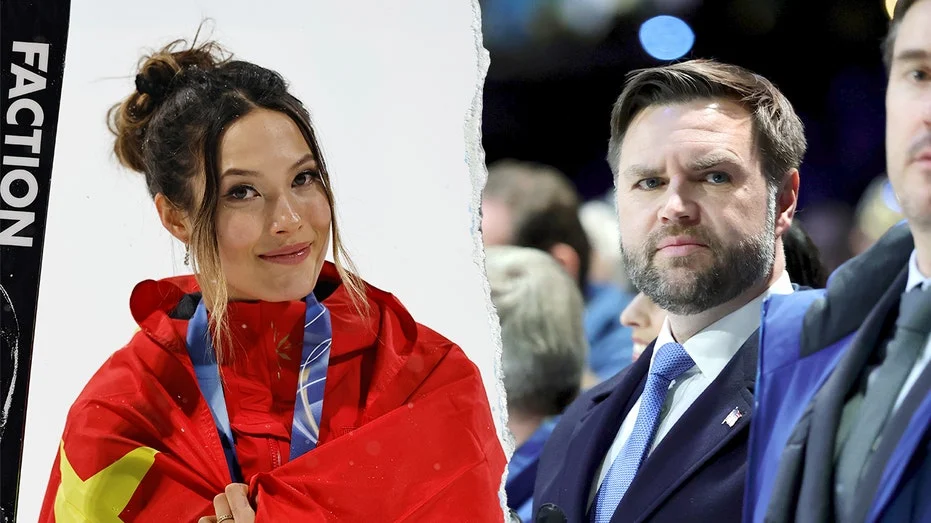
Eileen Gu, the American-born freestyle skier who has opted to represent China on the international stage, has broken her silence regarding the considerable global criticism she has faced throughout the Milan Cortina Winter Olympics. Her decision to compete for the People’s Republic of China, despite her U.S. upbringing, has ignited a firestorm of debate and condemnation from various quarters, including prominent American political figures. Among those who have voiced their opinions is U.S. Vice President JD Vance, who expressed his hope that athletes born in America would feel a natural inclination to compete for their home country.
Responding to Vance’s public sentiment, Gu stated, "I’m flattered. Thanks, JD! That’s sweet," as reported by USA Today. The skier was directly questioned about whether she felt she had become a "punching bag for a certain strand of American politics" following her recent competition. Her affirmative response, also relayed by USA Today, revealed a deeper perspective on the controversy. "I do," she admitted. "So many athletes compete for a different country. … People only have a problem with me doing it because they kind of lump China into this monolithic entity, and they just hate China. So it’s not really about what they think it’s about." Gu further elaborated, suggesting that her success on the slopes plays a significant role in the intensity of the backlash. "And also, because I win. Like if I wasn’t doing well, I think that they probably wouldn’t care as much, and that’s OK for me. People are entitled to their opinions."
This assertion comes on the heels of Gu’s previous revelations about the severe personal toll her decision has taken. She has previously detailed experiencing physical threats and harassment, stating she was "physically assaulted" for her choice to represent China. In a candid interview with The Athletic, Gu described the harrowing extent of these threats: "The police were called. I’ve had death threats. I’ve had my dorm robbed. I’ve gone through some things as a 22-year-old that I really think no one should ever have to endure, ever." These experiences underscore the extraordinary pressure and scrutiny she has endured, far beyond the typical anxieties of Olympic competition.
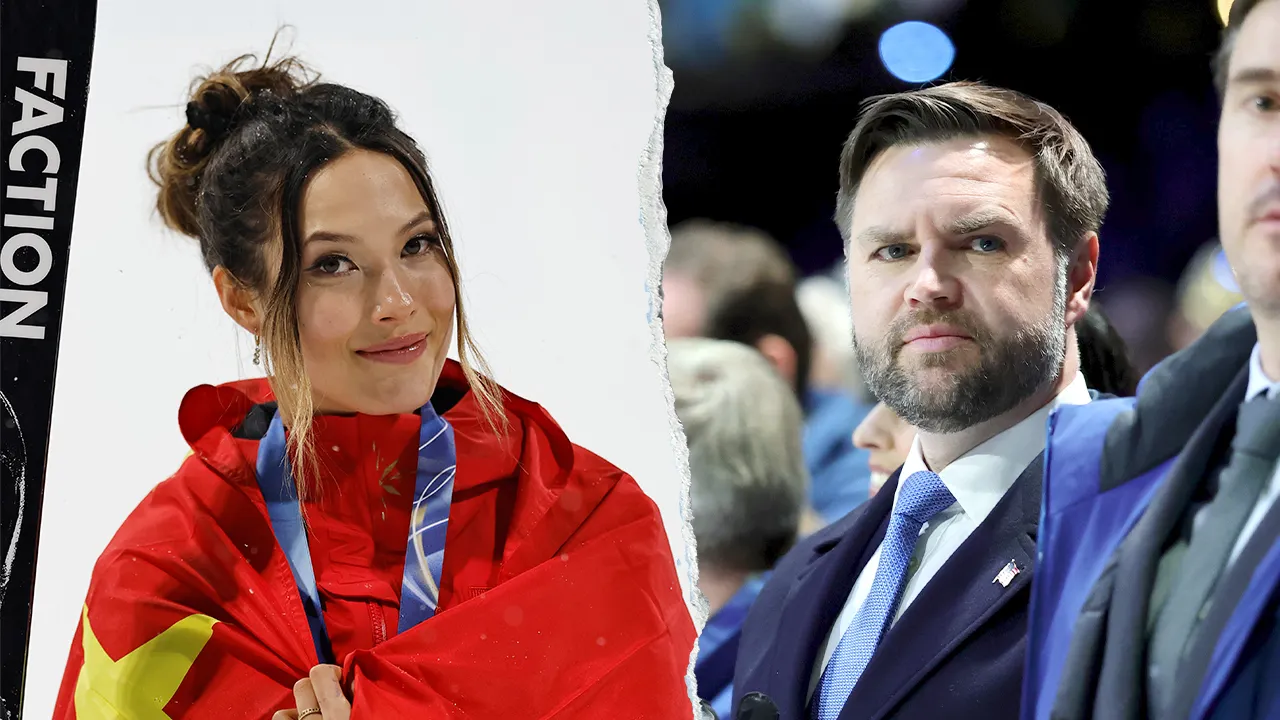
The controversy surrounding Gu’s dual identity and national allegiance is deeply intertwined with the complex geopolitical landscape between the United States and China. Gu, born and raised in San Francisco, California, to an American father and a Chinese mother, made the pivotal decision in 2019 to switch her national representation to China, a move that has been lauded by Chinese state media as a triumph of national pride and athletic excellence, while simultaneously drawing sharp criticism in the United States. This divergence in reception highlights the starkly different narratives at play, with China celebrating her as a homegrown prodigy and many in the U.S. viewing her choice as a betrayal of American sporting values and national identity.
The financial implications of Gu’s decision have also come under intense scrutiny. A report by The Wall Street Journal last week revealed that Gu, along with fellow American-born figure skater Zhu Yi who also competes for China, received a combined $6.6 million from the Beijing Municipal Sports Bureau in 2025. This payment was reportedly designated for "striving for excellent results in qualifying for the 2026 Milan Winter Olympics." The report further indicated that the duo had collectively received nearly $14 million over the preceding three years, raising questions about the motivations behind such significant financial incentives and the extent to which athletes’ national choices are influenced by economic factors.
Vice President JD Vance’s commentary on the matter during an appearance on Fox News’ "The Story With Martha MacCallum" provided a clear articulation of the sentiment held by many critics. "I certainly think that someone who grew up in the United States of America who benefited from our education system, from the freedoms and liberties that makes this country a great place, I would hope they want to compete with the United States of America," Vance stated. He continued, "So, I’m going to root for American athletes. I think part of that is people who identify themselves as Americans. That’s who I’m rooting for in this Olympics." This perspective emphasizes a belief in inherent national loyalty, particularly for individuals who have benefited from the opportunities and freedoms afforded by American society.
Gu’s athletic prowess is undeniable, with her performance at the Milan Cortina Winter Olympics solidifying her status as a dominant force in freestyle skiing. She has already secured silver medals in her initial events, the women’s slopestyle and big air competitions, and was set to compete in the women’s freestyle skiing halfpipe final. Her ability to consistently achieve podium finishes at the highest level of competition only amplifies the attention, both positive and negative, surrounding her. Her success serves as a potent symbol for China’s ambitions in winter sports, particularly as the nation gears up to host the 2026 Winter Olympics.

The narrative of athletes switching national allegiances is not new in the Olympic Games. Many athletes, for a myriad of reasons including better training facilities, greater opportunities for sponsorship, or familial ties, choose to represent countries other than their birthplaces. However, the geopolitical context of Gu’s situation, particularly the strained relations between the U.S. and China, imbues her decision with an added layer of political significance. This has transformed her from a mere athlete into a focal point for broader discussions about national identity, patriotism, and the intersection of sports and international politics.
The pressure on Gu to perform well is immense, not only from her own competitive drive but also from the expectations of the Chinese Olympic Committee and the millions of fans who have embraced her as a national hero. Conversely, the criticism she faces from some in the U.S. reflects a sentiment that international sporting events should be a clear-cut showcase of national pride, where athletes unequivocally represent the country of their birth. This perspective often overlooks the personal journeys of athletes and the multifaceted nature of identity in an increasingly globalized world.
Gu’s response, attributing the criticism partly to an anti-China sentiment and partly to her winning performance, suggests a strategic attempt to reframe the narrative and assert agency over her public image. By suggesting that her success is a catalyst for negative attention, she attempts to deflect from accusations of disloyalty and instead highlight the competitive nature of elite sports. Her acknowledgement of the entitlement of others to their opinions, while perhaps a diplomatic gesture, also underscores her determination to navigate the controversy on her own terms.
The financial disclosures, while adding another dimension to the discussion, also raise questions about the broader ecosystem of elite sports and the role of national sporting bodies in cultivating and retaining talent. The substantial sums involved suggest a concerted effort by China to invest heavily in athletes who can bring international prestige and promote the nation’s image on the global stage. This practice, while perhaps more transparent in Gu’s case due to her high profile, is likely a common strategy employed by various national Olympic committees seeking to maximize their medal counts and enhance their global standing.
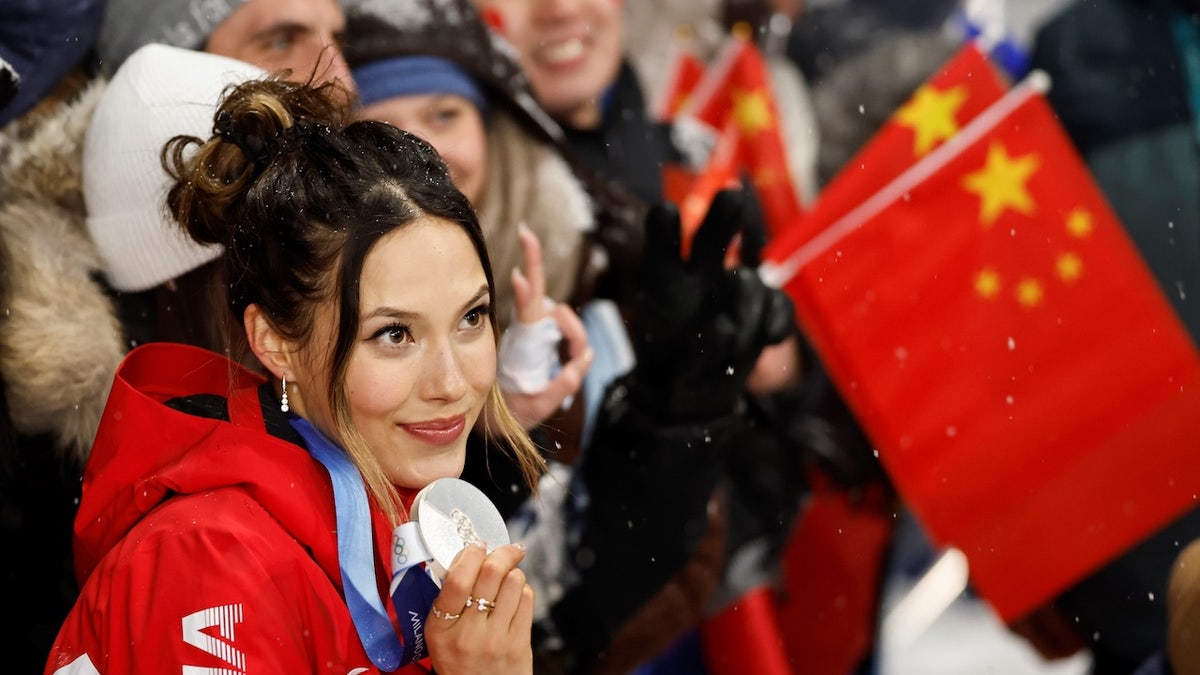
As Gu continues her pursuit of Olympic medals, her journey remains a compelling case study in the complexities of modern athletic identity. Her ability to perform at an elite level while navigating intense scrutiny and political pressure is a testament to her resilience. The ongoing debate surrounding her allegiance is likely to persist, reflecting deeper societal anxieties and political divisions that extend far beyond the realm of sports. Her frankness in addressing these issues, however, offers a glimpse into the personal challenges faced by athletes who find themselves at the nexus of national pride, geopolitical tensions, and the relentless pursuit of athletic excellence. The future may see more athletes like Gu, navigating dual identities and allegiances, further blurring the lines of traditional national representation in the global sporting arena. Her experiences highlight the evolving nature of sports diplomacy and the increasingly intricate relationship between athletes, nations, and the global public.