
 By admin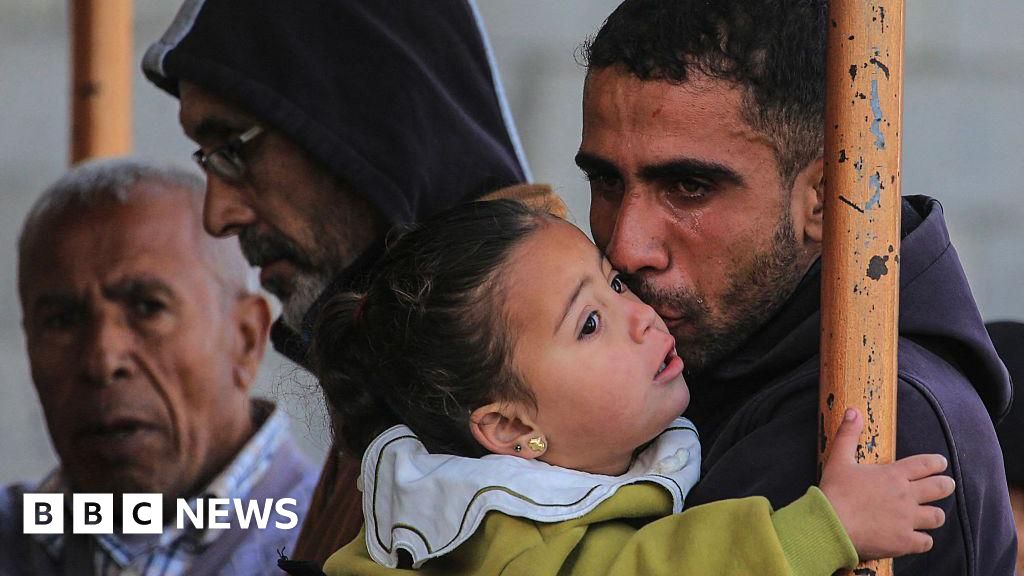
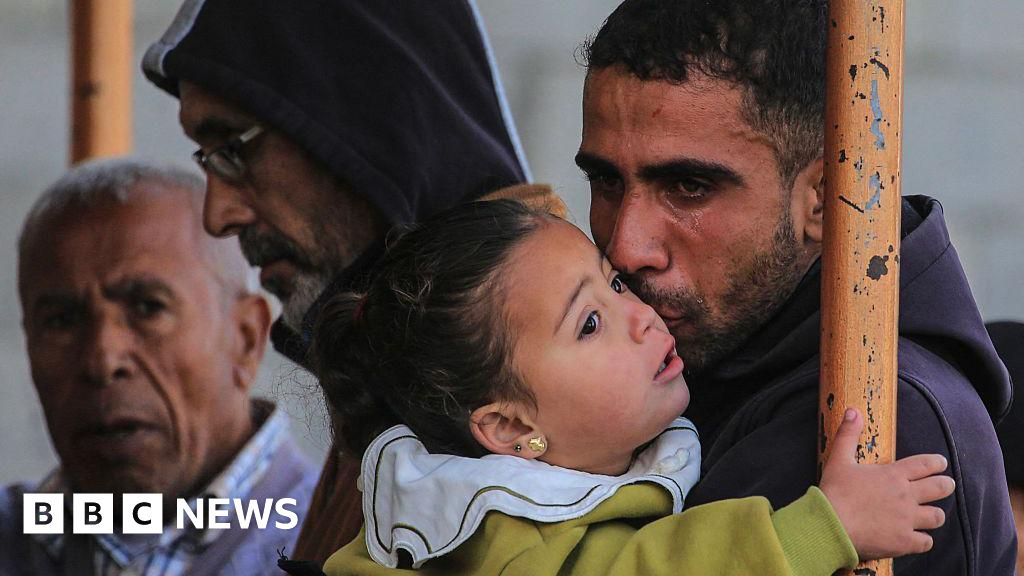
Eleven Palestinians, including at least six in a tent encampment in northern Gaza, were killed on Sunday morning in Israeli airstrikes, according to Palestinian civil defence and health officials. The Israeli Defence Forces (IDF) stated that the strikes targeted terror sites in response to what they described as ceasefire violations by Hamas. The IDF further claimed that militants were killed after emerging from a tunnel into an area of the Gaza Strip under Israeli military control. The Palestinian Red Crescent reported that another strike in the southern Gaza Strip resulted in five fatalities.
This escalation of violence occurs against a backdrop of near-daily accusations of ceasefire breaches by both Israel and Hamas since a fragile agreement took effect on October 10th. The Hamas-run Gaza health ministry has reported that at least 600 people have lost their lives since the ceasefire began. The latest strikes coincide with ongoing preparations for the second phase of a US-brokered ceasefire agreement, a process that has been fraught with challenges and renewed hostilities.
The recent fatalities underscore the volatile nature of the conflict and the persistent difficulties in maintaining any semblance of peace. The reported targeting of a tent encampment raises serious concerns about the protection of civilians and the adherence to international humanitarian law. While the IDF claims to have struck "terror targets," the high number of civilian casualties, as reported by Palestinian officials, necessitates thorough and independent investigation into the circumstances surrounding these strikes. The recurring allegations of ceasefire violations from both sides highlight the deep-seated mistrust and the complex web of grievances that continue to fuel the conflict.
The Hamas-run Gaza health ministry’s grim tally of over 600 deaths since the ceasefire began paints a stark picture of the human cost of these ongoing hostilities. This figure, if accurate, suggests a significant breakdown in the ceasefire’s effectiveness and raises questions about the mechanisms in place to monitor and enforce its terms. The international community, including the United Nations and key diplomatic actors, faces immense pressure to ensure accountability and to prevent further loss of life.
The context of these strikes is crucial for understanding the broader dynamics at play. The US-brokered ceasefire agreement, intended to de-escalate the conflict, has proven to be a fragile construct, easily undermined by renewed fighting. The preparations for the "second phase" of this agreement indicate a potential pathway towards a more sustained resolution, but the current reality on the ground suggests that significant obstacles remain.
A significant development in the diplomatic efforts to manage the conflict was the announcement last month by US President Donald Trump of a new body called the "Board of Peace." This initiative, with a mandate from the United Nations Security Council, aims to establish an international force tasked with securing Gaza’s borders and overseeing the disarmament of Hamas. The Board of Peace was scheduled for its inaugural meeting in Washington on February 19th. Its mandate extends beyond security, encompassing the formation of a new technocratic Palestinian government in Gaza and overseeing post-war reconstruction efforts. This multi-faceted approach signifies a renewed commitment from the international community to address not only the immediate security concerns but also the underlying political and economic factors contributing to the conflict.
The genesis of the current conflict can be traced back to the Hamas-led attack on southern Israel on October 7, 2023. This unprecedented assault resulted in the deaths of approximately 1,200 people and the abduction of 251 individuals who were taken hostage into Gaza. The scale and brutality of this attack sent shockwaves across the region and the globe, prompting a robust military response from Israel.
In retaliation for the October 7th attacks, Israel launched a comprehensive military campaign in Gaza. According to the territory’s health ministry, this campaign has resulted in the deaths of over 71,820 people. The immense civilian toll of Israel’s military operations has drawn widespread international condemnation and has raised serious questions about proportionality and the protection of civilian life in densely populated urban areas. The humanitarian crisis in Gaza, exacerbated by the ongoing conflict and blockade, has been a major focus of international concern, with reports of widespread destruction, displacement, and shortages of essential resources.
Beyond the immediate Gaza crisis, regional geopolitical dynamics continue to play a significant role. In a related development, Israeli Prime Minister Benjamin Netanyahu traveled to Washington on Wednesday to meet with US President Donald Trump. A primary agenda item for their discussions was the curbing of Iran’s nuclear program. Tehran has consistently maintained that its nuclear activities are solely for civilian purposes, a claim that has been met with skepticism and concern by Israel and several Western powers.
Prime Minister Netanyahu was reportedly keen to persuade President Trump to pursue an agreement that would halt Iran’s uranium enrichment activities and curtail its ballistic missile program. This represents a long-standing Israeli security priority, given the perceived threat posed by Iran’s regional influence and its nuclear ambitions. The meeting between Netanyahu and Trump underscored the close strategic alignment between the two nations on certain security matters, particularly concerning Iran.
However, following their meeting, President Trump indicated that "nothing definitive was reached" and that discussions with Iran would continue. This statement suggests that while the topic was on the agenda, a concrete breakthrough or a significant shift in US policy towards Iran did not materialize during the meeting. The ongoing complexities of the Iranian nuclear issue and its regional implications continue to be a source of tension and a significant factor in the broader Middle East security landscape.
The interconnectedness of these events – the ongoing violence in Gaza, the fragile ceasefire, the international diplomatic efforts, and the regional security concerns involving Iran – highlights the multifaceted and deeply entrenched nature of the Israeli-Palestinian conflict and its broader regional ramifications. The path towards lasting peace remains arduous, requiring sustained diplomatic engagement, adherence to international law, and a genuine commitment from all parties to de-escalate tensions and prioritize the protection of civilian lives. The effectiveness of the "Board of Peace" and its ability to navigate the complex political terrain of Gaza will be a critical determinant of future stability. Meanwhile, the recurring cycle of violence and accusations of ceasefire violations serves as a stark reminder of the urgent need for a comprehensive and sustainable resolution to the underlying issues that continue to plague the region. The international community’s role in facilitating dialogue, providing humanitarian assistance, and holding all parties accountable for their actions will be paramount in the challenging months and years ahead.