
 By admin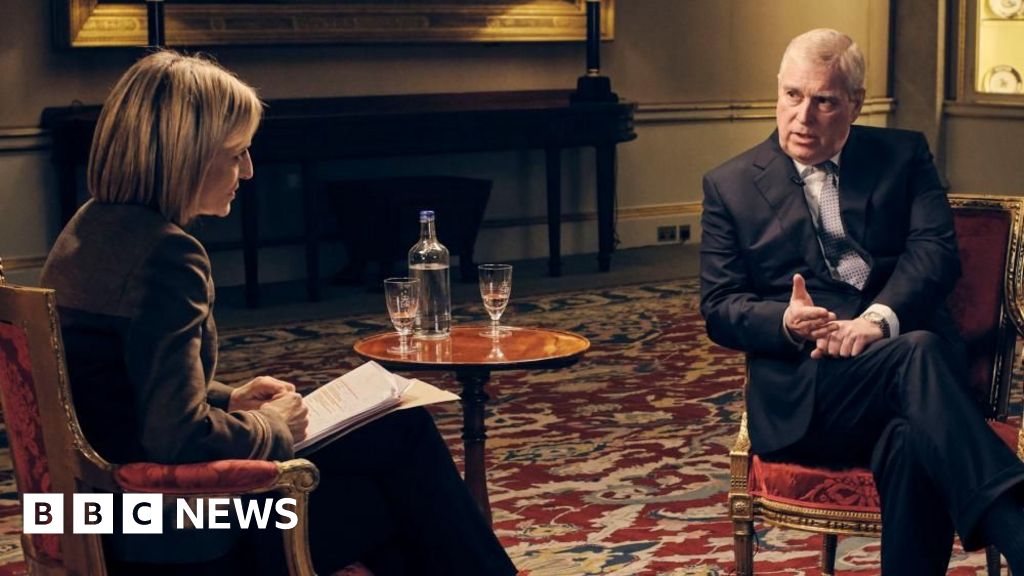
The recent unsealing of long-awaited documents related to the Jeffrey Epstein scandal has cast a fresh and intense spotlight on the claims made by Prince Andrew, the Duke of York, during his now infamous 2019 BBC Newsnight interview. The revelation of these files has prompted a renewed examination of the Prince’s assertions, particularly in light of newly accessible information and the ongoing legal and public pressure he faces. BBC journalists Sean Coughlan and Sarah Campbell have undertaken a detailed review of the original interview, meticulously comparing Prince Andrew’s statements with a series of emails that have reportedly been exchanged with and from the former royal. This comparative analysis aims to ascertain the veracity and consistency of his account in the wake of the latest disclosures.
The context for this heightened scrutiny is the escalating pressure from various quarters demanding Prince Andrew’s testimony in the United States concerning his alleged associations with the disgraced financier, Jeffrey Epstein. US officials, alongside the family of Virginia Giuffre, Prince Andrew’s prominent accuser, are increasingly vocal in their calls for him to provide sworn testimony. Giuffre has accused Prince Andrew of sexual abuse when she was a minor, allegations that the Prince has consistently and vehemently denied. The Epstein files, now being released in phases following a court order, are expected to contain further details and potentially new evidence that could shed light on these deeply troubling allegations and Prince Andrew’s alleged involvement.
Jeffrey Epstein, a once-powerful and wealthy financier, was convicted in 2008 for procuring a minor for prostitution. His life and illicit activities came to a dramatic and controversial end in August 2019 when he died by suicide in his Manhattan jail cell while awaiting trial on federal sex trafficking charges. His death left many questions unanswered and fueled further investigations into his network of associates and the alleged abuses that occurred within it. The ongoing release of documents aims to bring greater transparency to his operations and identify any individuals who may have facilitated or been complicit in his crimes.
The 2019 BBC Newsnight interview, conducted by Emily Maitlis, was a pivotal moment in Prince Andrew’s public life. Intended, it seemed, to rehabilitate his image and address the burgeoning allegations, the interview instead proved to be a public relations disaster. Prince Andrew’s demeanor, his specific denials of key allegations, and his explanation of his relationship with Epstein were widely perceived as unconvincing and out of touch. Notably, his assertion that he had no memory of ever meeting Virginia Giuffre, despite photographic evidence and her detailed accounts, drew widespread disbelief. His claim that he was at a Pizza Express restaurant in Woking on a specific date when he was allegedly with Giuffre became a particular point of derision. The BBC’s current re-examination of the interview, juxtaposing his spoken words with the content of the newly scrutinized emails, seeks to determine if these digital communications corroborate or contradict his televised statements.
The significance of these emails cannot be overstated. If they provide direct evidence of communication or interaction between Prince Andrew and individuals connected to Epstein’s alleged crimes, or if they reveal details about his movements and activities that differ from his public statements, their impact could be profound. The BBC’s journalists are reportedly analyzing the timestamps, content, and sender/recipient details of these emails to identify any discrepancies or confirmations. This granular approach to evidence is crucial in piecing together a comprehensive understanding of Prince Andrew’s alleged involvement and the credibility of his past denials.
The legal ramifications of the Epstein files are considerable. The US Department of Justice has been actively pursuing individuals who may have been involved in Epstein’s sex trafficking operation, either as facilitators, beneficiaries, or victims. Prince Andrew’s refusal to cooperate fully with US authorities and his continued residence in the UK have been points of contention. However, the unsealing of these documents may provide the impetus for renewed legal action or increased international cooperation to secure his testimony. The family of Virginia Giuffre, in particular, has been tireless in their pursuit of justice and accountability, and they see the release of the Epstein files as a crucial step towards achieving that goal. Their advocacy has played a significant role in keeping the spotlight on Prince Andrew and the allegations against him.
Beyond the immediate legal and public relations implications, the ongoing scrutiny of Prince Andrew’s conduct and his association with Epstein raises broader questions about accountability, privilege, and the responsibilities of individuals in positions of power. The Royal Family, as an institution, has faced significant damage to its reputation due to the Epstein scandal and Prince Andrew’s entanglement in it. The Palace has maintained a stance of support for the Duke of York while emphasizing his commitment to cooperating with any judicial process. However, the persistent nature of the allegations and the increasing volume of information emerging from the Epstein files are making it increasingly difficult for the institution to distance itself from the controversy.
Expert analysis of the situation suggests that the newly released Epstein files could contain a wealth of information that has not previously been accessible to the public or investigators. These documents, potentially numbering in the thousands, could include witness statements, financial records, travel logs, and correspondence that offer a more complete picture of Epstein’s operations and the individuals involved. The sheer volume of data necessitates careful and systematic review, a task that the BBC journalists have undertaken. Their work in dissecting the interview against the backdrop of these newly revealed emails could provide critical insights that have been missing.
The concept of "fresh scrutiny" implies that previous examinations, while perhaps thorough, may have been hampered by a lack of complete information. The Epstein files, by their very nature, are designed to fill these information gaps. The emails, in particular, can offer a more direct and unfiltered glimpse into communications and intentions, often providing context that spoken words might obscure or intentionally omit. The challenge for journalists and investigators alike is to discern genuine evidence from speculation or misinformation within the vast trove of documents.
Prince Andrew has consistently denied any wrongdoing and has stated his willingness to cooperate with any lawful investigation. However, the nature and extent of this cooperation have been a subject of debate. His previous legal settlement with Virginia Giuffre, which was reached without an admission of liability, did little to quell public concern or satisfy those seeking further accountability. The ongoing releases from the Epstein files are likely to continue to put pressure on all parties involved, including the Prince and the institution he represents.
The BBC’s decision to revisit the 2019 interview, armed with the latest revelations, underscores the enduring public interest in this case and the persistent questions surrounding Prince Andrew’s alleged connections to Jeffrey Epstein. The meticulous comparison of his televised statements with the content of these newly scrutinized emails represents a significant journalistic endeavor. The findings of Coughlan and Campbell’s analysis, when fully revealed, could offer crucial new perspectives on the credibility of Prince Andrew’s past statements and the ongoing saga of the Epstein scandal. The world will be watching to see how these fresh insights reshape the narrative and potentially influence future legal and public pronouncements. The repercussions of the Epstein files are far-reaching, and their impact on individuals and institutions continues to unfold with each new disclosure. The BBC’s detailed examination serves as a vital tool in navigating this complex and sensitive territory, striving for clarity and truth in the face of persistent controversy. The Prince’s previous denials, while firmly stated, are now subjected to a more rigorous and evidence-based examination, a process that is essential for any pursuit of justice and public confidence.