
 By admin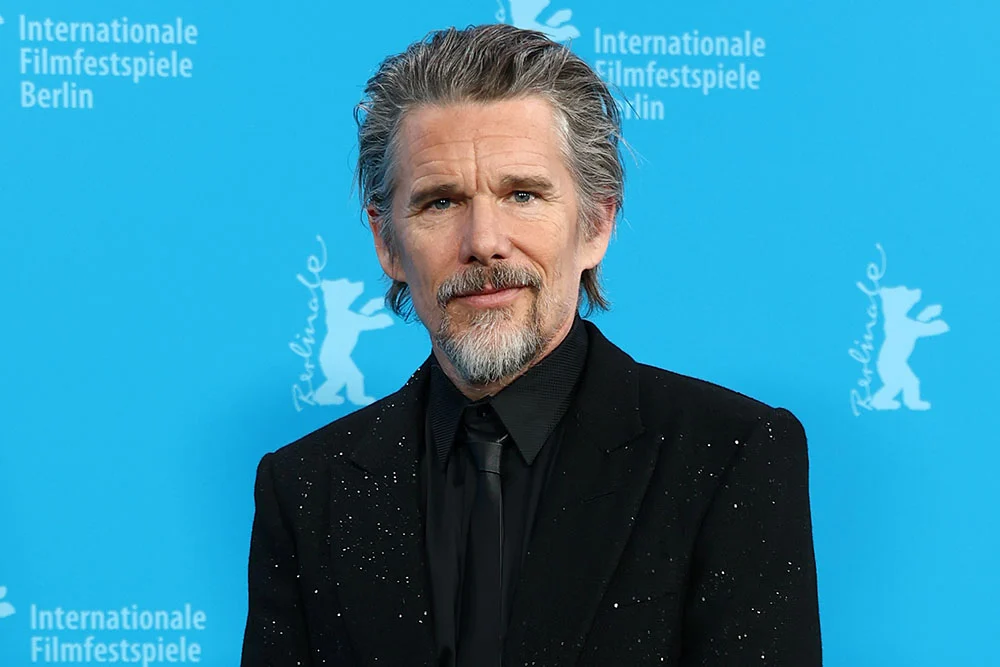
Berlin, Germany – Amidst the glittering premieres and intense discussions of the 74th Berlin International Film Festival, veteran actor Ethan Hawke offered a refreshingly candid and self-aware perspective on the role of artists in navigating the increasingly complex and often fraught political landscape. During a press conference for his latest film, the historical drama "The Weight," Hawke addressed a question regarding the responsibility of prominent figures to speak out on critical issues, including the resurgence of fascism, with a characteristic blend of humor and thoughtful consideration.
When prompted about the civic duty of well-known personalities to engage with pressing sociopolitical matters, Hawke paused, gathering his thoughts before delivering a memorable response that resonated with the assembled press corps. "Alright… The last place you probably want to look for advice in your spiritual counsel is a bunch of jet-lagged, drunk artists talking about their film," he quipped, drawing laughter and applause from the room. This initial, lighthearted dismissal, however, was merely a prelude to a deeper exploration of the matter.
Hawke then elaborated on his belief in the profound impact of cinema, drawing a parallel between the cathartic and restorative nature of dreams and the collective experience offered by film festivals. "I believe in the power of cinema to affect… you know how every night we all dream and those dreams kind of heal us and get us ready for the next day?" he mused. "I feel like, collectively, the whole festival – all of you, all of us here – are responsible for creating an international dream life. What is it? What are our dreams? What are we talking about? What are we thinking about?" This eloquent analogy underscored his view that artistic endeavors, at their best, contribute to a shared cultural consciousness, shaping our collective aspirations and anxieties.
Shifting to the thematic core of "The Weight," Hawke highlighted the film’s inherent engagement with pressing societal concerns. "At its core, [The Weight] is about a group of people who don’t think they have anything in common who band together to fight institutional greed and malevolence. And that’s worth fighting for," he explained, drawing a direct line from the narrative to the broader fight against oppressive forces. This statement implicitly positions the film itself as a commentary on the necessity of collective action in the face of systemic injustice.
While acknowledging the film’s thematic relevance, Hawke ultimately provided a more direct and unambiguous answer to the initial question about fascism. "Anything that fights fascism, I’m all for it," he declared, leaving no room for misinterpretation regarding his personal stance on this critical issue. This concise affirmation served as a powerful endorsement of vigilance and resistance against ideologies that threaten democratic values and human dignity.
The context of this discussion at the Berlinale is particularly significant this year. Politics has always been a prominent undercurrent at the festival, but it has taken on heightened importance in recent times. This year, the festival has been marked by a notable tension surrounding the willingness of prominent figures to address contentious global issues. The jury president, Wim Wenders, along with several celebrated actors such as Michelle Yeoh and Neil Patrick Harris, faced scrutiny for their reticence when questioned about the conflict in Gaza, U.S. Immigration and Customs Enforcement (ICE) raids, and the global rise of far-right political movements. This perceived silence prompted a strong reaction from within the film community.
In response to this climate of apprehension, an open letter was dispatched to the Berlinale administration on Tuesday. Signed by over 80 current and former participants of the festival, including esteemed figures like Tilda Swinton, Javier Bardem, and Adam McKay, the letter expressed sharp criticism of the festival’s "silence" regarding the ongoing conflict in Gaza. This collective expression of concern highlights a growing demand for greater accountability and vocal engagement from the international film community on matters of global significance.
"The Weight," directed by Padraic McKinley, made its European premiere at the Berlinale as a Special Gala presentation. The film boasts a formidable cast, with Hawke sharing the screen alongside the legendary Russell Crowe. While Crowe was not present at the press conference, Hawke was joined by his director, McKinley, and fellow cast members Julia Jones, Austin Amelio, Avi Nash, Lucas Lynggaard Tønnesen, and Sam Hazeldine, who collectively offered insights into the filmmaking process.
The film, which had its world premiere at the Sundance Film Festival just last month, chronicles the arduous journey of a group of convicts through a perilous landscape, both physically and morally. The official synopsis describes it as following "a group of desperate convicts on a journey through a physically and morally treacherous backcountry." Critics have already lauded the performances within the film, with particular praise directed towards Hawke for his "muscular performance as the film’s reluctant but resourceful hero." Russell Crowe has been noted for his "quietly menacing" portrayal of the antagonist, and Julia Jones has been recognized for bringing "dignity and defiance" to her role as Anna, the sole female character within the group.
Berlin has long held a special place in Ethan Hawke’s cinematic journey. The festival has served as a platform for some of his most memorable work, including the premieres of all three installments of Richard Linklater’s critically acclaimed "Before" trilogy. Last year, Hawke and Linklater debuted their biopic of Lorenz Hart, "Blue Moon," in competition at the Berlinale. That film subsequently garnered Hawke significant accolades, including nominations for best actor at prestigious awards ceremonies such as the Oscars, BAFTAs, Golden Globes, and SAG Awards, underscoring his enduring presence and impact on the international film scene.
Hawke’s measured yet firm stance at the Berlinale press conference reflects a nuanced understanding of the artist’s position in contemporary society. While acknowledging the potential for artists to be perceived as unreliable or ill-equipped to offer definitive political guidance, he simultaneously champions the power of cinema to inspire, provoke thought, and foster collective dreams. His articulation that "anything that fights fascism, I’m all for it" serves as a powerful reminder that artistic expression, when rooted in a commitment to humanistic values, can and should contribute to the ongoing struggle for a more just and equitable world. The surrounding discussions at the festival, marked by both critical silence and vocal dissent, further emphasize the heightened stakes and the evolving expectations placed upon the global artistic community to engage with the critical issues of our time. Hawke’s contribution to this dialogue, with its blend of self-deprecation and earnest conviction, offers a valuable model for navigating these complex responsibilities.