
 By Lina Irawan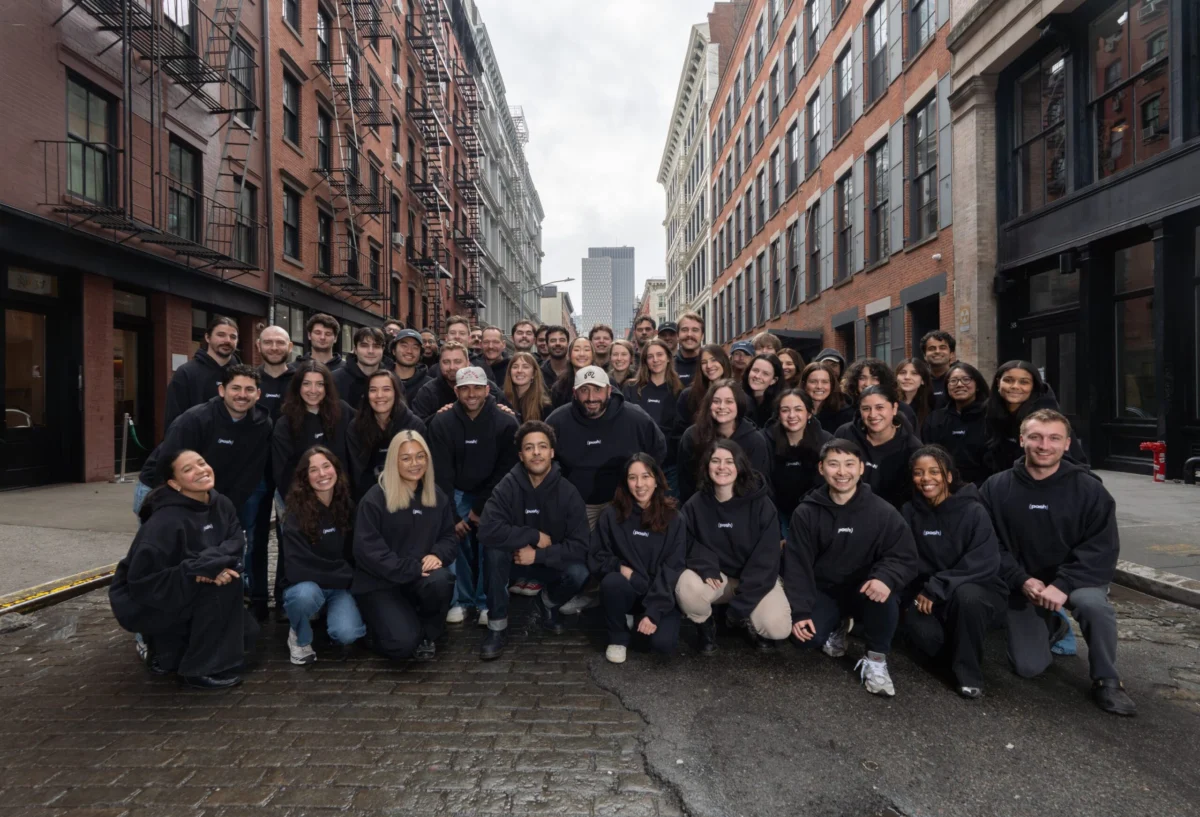
The "what are we doing tonight?" conundrum is more than just a casual question; it represents a significant friction point in social planning, often leading to inertia, missed opportunities, and the silent demise of well-intentioned gatherings. It’s a "tarpit" because while the problem is universally experienced and seemingly simple, building a scalable, effective, and engaging solution that genuinely converts intent into action has proven notoriously difficult. Users often grapple with disparate communication channels (texts, DMs, group chats), a deluge of event options, decision fatigue, and the logistical nightmare of coordinating multiple schedules and preferences. Posh aims to streamline this chaotic process, bridging the gap between social intent and real-world execution by offering a holistic platform for event organizers and attendees alike.
Founded in 2019 by then-New York University students Avante Price and Eli Taylor-Lemire, Posh emerged from a deeply personal pain point. As organizers themselves, they frequently encountered the limitations and frustrations of existing event management platforms, including being "cheated by promoters" and finding platforms like Eventbrite lacking essential functionalities. Price recounted to Fortune how he realized "the technology components were missing a ton of the capabilities that I needed" for effective event orchestration. This firsthand experience fueled their ambition to create a superior solution. Their initial vision was to build a "business-first platform where organizers, not the marketplace, sit at the center," a crucial distinction that set Posh apart from competitors focused primarily on consumer-facing discovery or large-scale ticketing. This organizer-centric philosophy empowered event creators with robust tools and greater control, fostering loyalty and a more professional execution of events. This focus positions Posh strategically within the burgeoning global events industry, which Statista projects to exceed $2 trillion by 2028, signaling a massive market opportunity for platforms that can effectively cater to its diverse needs.
The recent $37 million Series B funding round was exclusively learned by Fortune and led by prominent venture capital firm FirstMark Capital, with additional participation from Causeway Ventures, Goodwater Capital, Companyon Ventures, and Epic Ventures. This significant capital injection follows closely on the heels of their $22 million Series A funding, raised in 2024, demonstrating rapid investor confidence and strong validation of Posh’s market traction and future potential. The cumulative funding underscores a belief in Posh’s ability to not only capture but also expand its footprint within the highly competitive event technology sector.
Posh’s business model is designed for straightforward revenue generation and scalability. The company takes approximately a 10% cut on paid tickets, complemented by a 99-cent fee per ticket. This dual-pronged approach forms its primary revenue stream, directly aligning Posh’s success with the volume and value of transactions processed on its platform. The financial performance metrics are compelling: in 2024, Posh generated roughly $10 million in revenue from over $83 million in ticket sales, a testament to its growing influence in the market. Since its inception, the company has processed an estimated $350 million in Gross Merchandise Value (GMV) and facilitated 25 million ticket sales, accumulating approximately $40 million in cumulative revenue, according to Price. These figures highlight robust operational efficiency and strong market adoption. Notably, top organizers leveraging the Posh platform are generating over $10 million individually, indicating the platform’s capacity to support high-volume, successful event businesses. Price’s strategic insight, "What you have to do is you have to own the transaction first," encapsulates Posh’s core philosophy. By owning the transaction, Posh gains critical data insights, builds direct relationships with both organizers and attendees, and can continuously optimize the user experience and monetization strategies, thereby fostering a more sticky and valuable ecosystem.
For its first four years, Posh operated primarily as a "Shopify for events," concentrating on providing sophisticated white-label tools for event organizers, particularly within the nightlife sector. This included customizable white-label event pages, integrated SMS CRM for direct communication, referral kickback programs to incentivize promotion, linked ticket tiers for flexible pricing, and instant payouts to organizers, addressing a common pain point in the industry. This comprehensive suite of B2B tools empowered organizers to manage their events with unprecedented autonomy and efficiency, building their brands directly rather than relying solely on marketplace visibility.
However, Posh has strategically evolved beyond being just a back-end solution. With a substantial base of roughly 50,000 organizers and nearly 8 million users, the company’s center of gravity has shifted towards demand generation and user experience. Price describes this evolution as creating a "Netflix-style feed," a personalized discovery platform designed to surface relevant events. This feed intelligently recommends parties, activities, food and drink experiences, and other categories by leveraging a user’s broader social graph – showing where their friends and acquaintances are actually going. This shift is critical to solving the "what are we doing tonight?" problem, moving beyond simple ticketing to proactive social planning and discovery.
The platform’s versatility is evident in the diverse range of events it powers. Posh supports major music festivals like Palm Tree Festival and We Belong Here, showcasing its capability to handle large-scale, complex events. Furthermore, it has become a go-to platform for high-profile brand activations with global giants such as Lamborghini, Adidas, the NBA, Celsius, HBO, and Complex. This wide-ranging adoption by both independent organizers and major brands underscores Posh’s robust infrastructure and flexible offerings, proving its applicability across various event types and scales.
To achieve its ambitious goals, Posh has aggressively pursued top-tier talent, successfully poaching experienced professionals from leading tech companies like Meta, Reddit, Amazon, Hinge, Spotify, Block, and Canva. This influx of expertise in areas such as product development, engineering, marketing, and user experience design is vital for scaling the platform, refining its AI-driven recommendations, and expanding its social features. The caliber of its team reflects the significant potential investors and employees see in Posh’s vision.
Posh operates in a competitive landscape that includes established players like Eventbrite, Dice, Resident Advisor, and even the informal planning facilitated by social media platforms. However, Posh’s differentiator lies in its dual focus: it’s not just a ticketing platform, but a full-stack solution for organizers and a sophisticated discovery platform driven by authentic social connections. While Eventbrite often acts as a marketplace, Posh’s initial "Shopify for events" model gave organizers greater control and branding opportunities. Now, by integrating a "Netflix-style feed," Posh directly addresses the consumer’s need for personalized, socially relevant event recommendations, a space where many competitors have struggled to gain traction. The experiential economy, rebounding strongly post-pandemic, presents immense opportunities for platforms that can simplify event discovery and participation.
Looking ahead, Price articulates Posh’s profound ambition: "The solved problem is your core group chat. The harder problem is those 10 or 20 people you’d love to catch up with but never text. We’re trying to reintroduce that serendipity." This vision extends beyond mere event booking; it aims to revitalize casual social interaction and strengthen real-world connections. By leveraging social graph data and AI, Posh seeks to create moments of serendipitous discovery, allowing users to effortlessly find and join activities where their wider social circle is present, thereby fostering a more vibrant and connected social fabric. With this fresh capital, Posh is poised to further refine its AI-powered recommendation engine, expand into new event categories and geographies, and solidify its position as the definitive platform for turning social intent into unforgettable experiences.
VENTURE CAPITAL
- XBOW, a Seattle, Wash.-based autonomous offensive cybersecurity platform, raised $120 million in Series C funding. DFJ Growth and Northzone led the round and was joined by Alkeon Capital and Sofina and existing investors.
- Crossbow Therapeutics, a Cambridge, Mass.-based biotechnology company developing antibody therapies designed to treat cancers, raised $77 million in Series B funding. Taiho Ventures and Arkin Bio Capital led the round and were joined by Sixty Degree Capital, Hamilton Square Partners Management, LifeLink Ventures, Libbs Ventures, and others.
- Beautiful.ai, a San Francisco-based AI-powered presentation making platform, raised $45 million from General Catalyst.
- Paraform, a San Francisco-based AI-powered recruiting platform, raised $40 million in Series B funding. ScaleVP led the round and was joined by Felicis, **A*, and Liquid 2**.
- Edra, a New York City and London, U.K.-based developer of AI technology designed to learn how enterprise teams work and automate their workflows, raised $30 million in Series A funding. Sequoia led the round.
- Corridor, a San Francisco-based AI coding security startup, raised $25 million in Series A funding. Felicis led the round and was joined by Conviction, Timeless, Artisanal Ventures, Lux Capital, Sunflower Capital, Datadog, and SV Angel.
- RAVEN, a Palo Alto, Calif.-based cybersecurity company, raised $20 million in funding, including a seed rund led by Norwest and post-seed funding led by Elron Ventures.
- Cocoon Carbon, a London, U.K.-based cement replacement materials company, raised $15 million Series A funding. 2150 and Brick & Mortar Ventures led the round and were joined by TVC and others.
- Rivia, a Zurich, Germany-based developer of a data engine designed for clinical trial intelligence, raised $15 million in Series A funding. Earlybird led the round and was joined by Defiant and existing investors.
- Manifold, a San Diego, Calif.-based AI detection and response platform, raised $8 million in seed funding. Costanoa Ventures led the round and was joined by angel investors.
- Obin AI, a New York City-based developer of agentic AI technology for financial workflows, raised $7 million in seed funding. Motive Partners led the round and was joined by Fei-Fei Li and Lukasz Kaiser.
- VerbaFlo, a London, U.K.-based developer of conversational AI designed for customer interaction, raised $7 million in seed funding. Pi Labs led the round and was joined by Haatch, Navigate Ventures, Old College Capital, and others.
- Reson8, an Amsterdam, The Netherlands-based speech technology company, raised €5 million ($5.7 million) in pre-seed funding. Balderton Capital led the round and was joined by NP Hard.
- Respan, a San Francisco-based AI observability platform, raised $5 million in funding from Gradient Y Combinator, Hat-Trick Capital, XIAOXIAO FUND, Antigravity Capital, Alpen Capital, and angel investors.
PRIVATE EQUITY
- JF Group, backed by MidOcean Partners, acquired Midwest Petroleum Equipment, a Lincoln, Nebraska-based petroleum equipment and services company. Financial terms were not disclosed.
- Tech24, a portfolio company of Vestar Capital Partners and HCI Equity Partners, acquired Pacific Standard Service, an Albany, Calif.-based commercial cooking equipment company. Financial terms were not disclosed.
PEOPLE
- Behrman Capital, a New York City-based private equity firm, appointed Eric Smith as an operating partner.
- Oak HC/FT, a Stamford, Conn.-based venture capital firm, hired Marc Andrusko as a partner on the firm’s fintech investment team.