
 By admin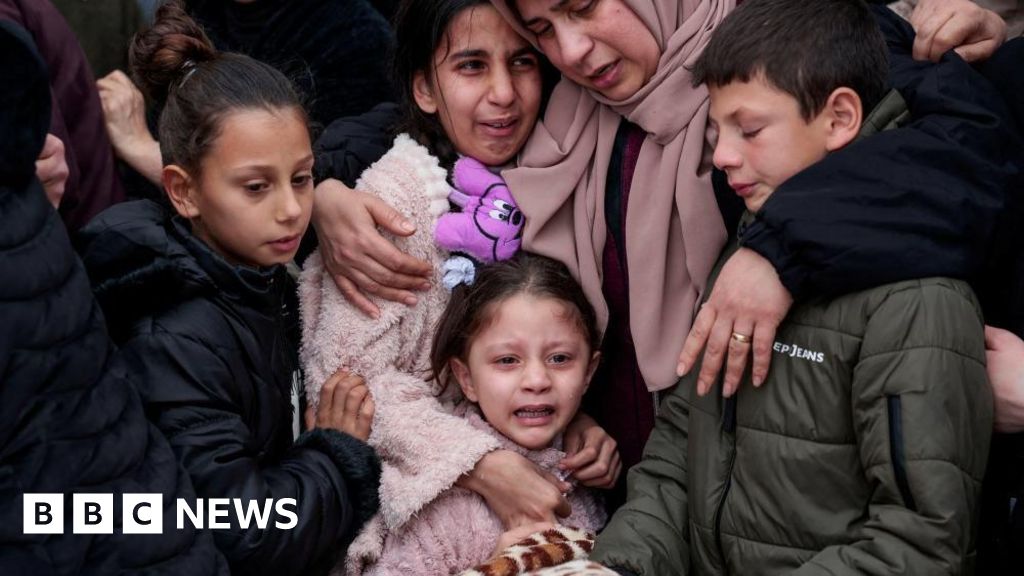
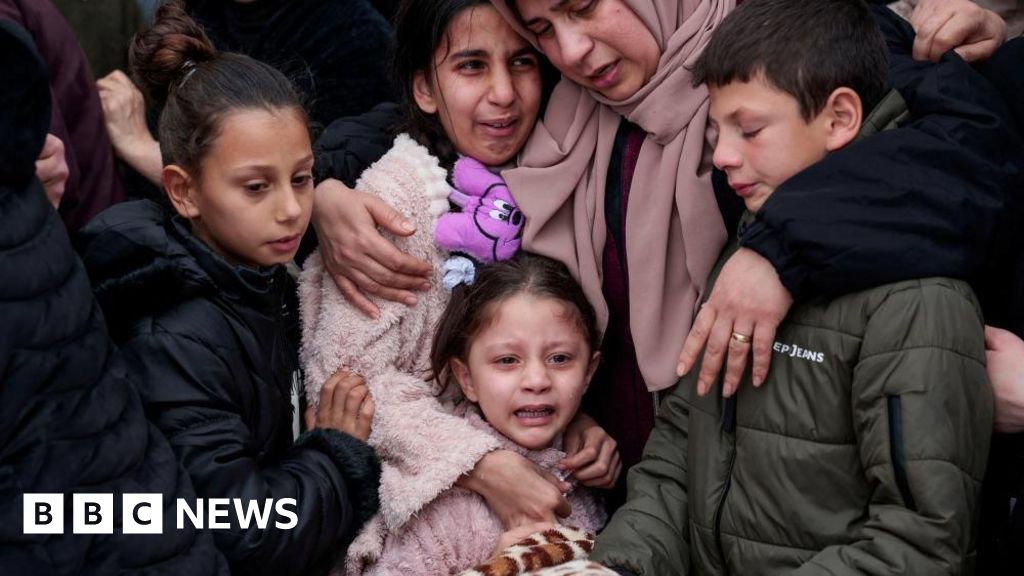
A devastating incident in the occupied West Bank has claimed the lives of a Palestinian husband and wife, along with two of their young children, after Israeli forces opened fire on their vehicle. The Bani Odeh family was reportedly traveling in their car in the town of Tammoun, located in the northern West Bank, when the fatal encounter occurred. While two other children in the car survived with injuries, the tragedy has sent shockwaves through the local community and reignited concerns about escalating violence in the region.
According to Israeli authorities, a joint operation involving the army and Israel’s paramilitary border police was underway in Tammoun at the time of the incident. The Israeli military and police issued a statement claiming that the vehicle "accelerated towards Israeli forces," leading them to perceive a threat and respond with gunfire. The statement confirmed that "as a result, four Palestinians in the vehicle were killed," and indicated that the circumstances of the incident were under investigation.
The Palestinian Ministry of Health provided further details, identifying the deceased as parents Ali and Waad Bani Odeh, and their sons, five-year-old Mohammed and seven-year-old Othman. The ministry reported that all four victims arrived at the hospital with gunshot wounds to the face and head, underscoring the severity of the attack. Two older children, an eight-year-old and an eleven-year-old, who were also passengers in the car and tragically witnessed the deaths of their family members, survived the incident with minor injuries sustained from shrapnel.
The Palestinian Red Crescent stated that their medical crews faced initial obstruction from Israeli forces, who reportedly prevented them from reaching the injured inside the car and ordered them to leave the area. This alleged delay in medical access further intensifies the gravity of the situation and raises questions about the response protocols during the incident.
The occupied West Bank has been under heightened movement restrictions since the outbreak of the war between the United States, Israel, and Iran on February 28th. This ongoing conflict has exacerbated existing tensions and contributed to a significant increase in violence. Palestinian authorities and the United Nations have reported a continued surge in violent attacks in the region, painting a grim picture of the current security landscape.
The current escalation of violence in the West Bank is deeply intertwined with the broader conflict that erupted following the Hamas attacks on October 7, 2023, which triggered the war in Gaza. The repercussions of these events have extended far beyond the Gaza Strip, impacting the lives of Palestinians across the occupied territories. According to data compiled by the United Nations Office for the Coordination of Humanitarian Affairs (OCHA), between October 7, 2023, and March 8, 2026, a staggering 1,064 Palestinians have been killed in the occupied West Bank. This grim statistic includes at least 231 children, highlighting the devastating human cost of the ongoing conflict on the youngest and most vulnerable members of the population.
The incident involving the Bani Odeh family is not an isolated event but rather a stark illustration of the pervasive insecurity and the tragically high stakes for civilians in the occupied West Bank. The continued military operations, coupled with the stated perception of threat by Israeli forces, create an environment where innocent lives are tragically caught in the crossfire. The claims of the vehicle accelerating towards forces, while part of the Israeli account, require thorough and independent investigation to ascertain the full sequence of events and ensure accountability.
The role of international bodies like the United Nations in monitoring and reporting on the situation is crucial. OCHA’s detailed reports provide vital data on casualties and the impact of the conflict on civilian populations. However, the effectiveness of these reports in instigating meaningful change or de-escalation remains a persistent challenge. The UN’s mention of heightened movement restrictions further underscores the difficult conditions under which Palestinians live and travel, potentially contributing to misunderstandings or perceived threats in security operations.
The psychological impact of such events on the surviving children cannot be overstated. Witnessing the violent deaths of their parents and siblings, and then enduring injuries themselves, will undoubtedly leave lasting trauma. The lack of immediate access to medical care, as alleged by the Palestinian Red Crescent, could further exacerbate their distress and potentially have long-term health consequences.
This tragedy underscores the urgent need for a comprehensive and impartial investigation into the incident. Beyond the immediate investigation, it highlights the persistent need for dialogue, de-escalation, and a renewed commitment to finding a lasting political solution that addresses the root causes of the conflict and ensures the safety and security of all civilians in the region. The cycle of violence has proven devastatingly effective at claiming innocent lives, and without a fundamental shift in approach, such heartbreaking incidents are likely to continue. The international community’s role in facilitating this shift and holding all parties accountable for their actions is paramount in preventing further loss of life and fostering a more stable future for the occupied West Bank and the wider region. The current geopolitical climate, marked by the war between Israel and Iran, adds another layer of complexity, making any potential for peace negotiations or de-escalation even more challenging. The focus on military operations and security responses, without addressing the underlying political grievances and human rights concerns, perpetuates a cycle of violence that has devastating consequences for civilian populations. The lives of the Bani Odeh family serve as a tragic testament to the urgent need for a more humane and just approach to resolving the long-standing conflict in the occupied West Bank.