
 By admin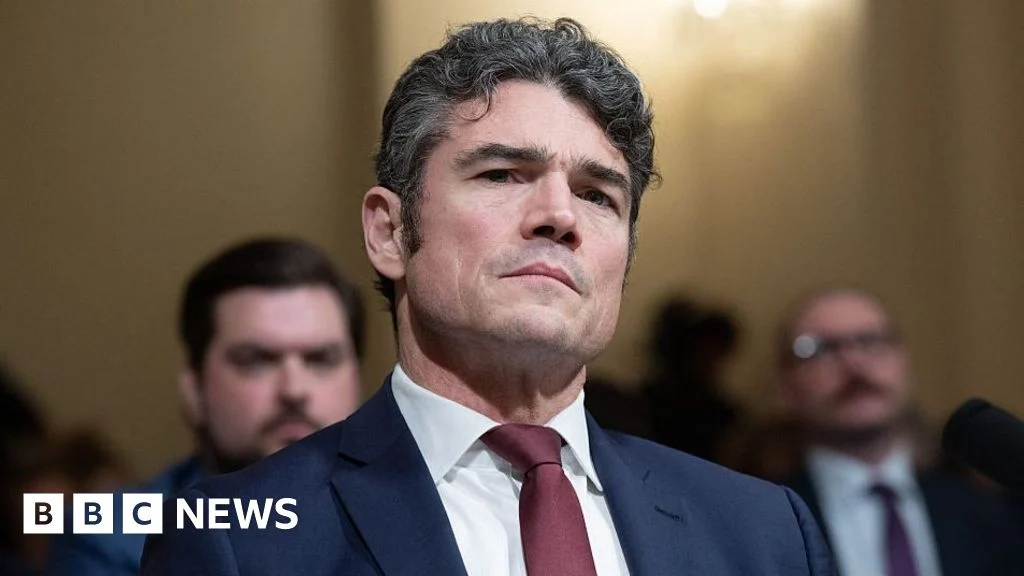
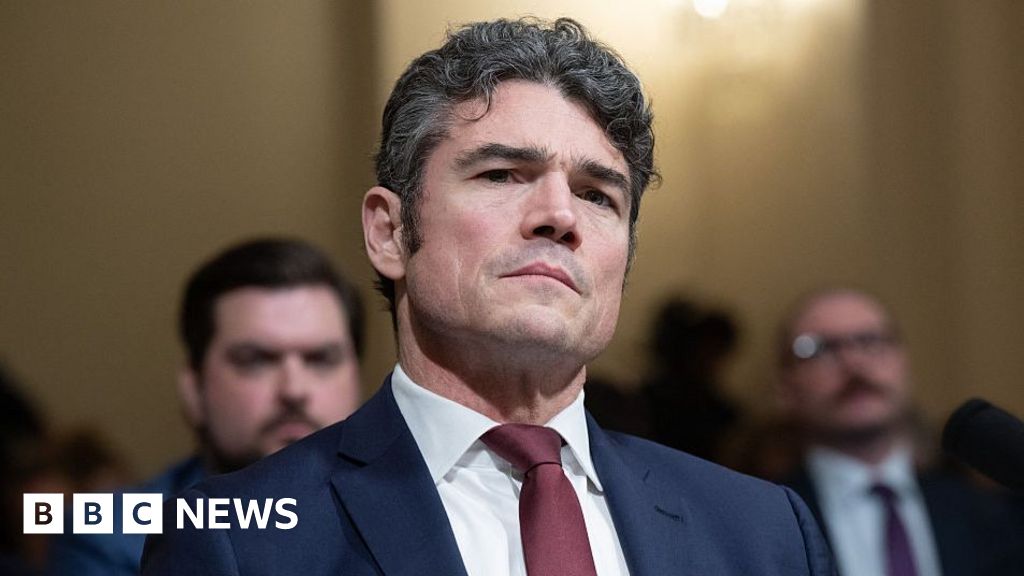
The Federal Bureau of Investigation (FBI) is reportedly investigating Joseph M. Kent, Donald Trump’s former top counter-terrorism official, for alleged leaks of classified information. Sources speaking to CBS News, the BBC’s American affiliate, revealed that the probe into Kent, who resigned from his position as Director of the US National Counterterrorism Center (NCTC) earlier this week, commenced prior to his departure. This development casts a shadow over Kent’s dramatic exit, which was precipitated by his public dissent against a potential military conflict with Iran.
Kent’s resignation, announced on Tuesday, was publicly framed by his assertion that he could not "in good conscience" support a war in Iran, which he argued "posed no imminent threat" to the United States. This stance directly contradicted the White House’s position, which maintained that there was compelling evidence of an imminent Iranian threat. The BBC reached out to Kent for comment regarding the leak allegations, but he did not immediately respond. The FBI, as per standard protocol in such matters, declined to comment on the ongoing investigation.
According to one source who spoke with CBS News, the investigation is being spearheaded by the FBI’s criminal division and has been actively underway for a significant period. This timeline suggests that the alleged leaks may have been a contributing factor, if not a primary driver, behind the scrutiny of Kent’s activities even before his public resignation.
Adding to the mounting pressure and controversy surrounding Kent, former Deputy White House Chief of Staff Taylor Budowich took to social media shortly after Kent’s resignation to claim that Kent was "often at the center of national security leaks." While Budowich did not provide specific details about the nature or content of these alleged leaks, he further accused Kent of having "spent all of his time working to subvert the chain of command and undermine the President of the United States." These accusations, if substantiated, would represent a grave breach of trust and professional conduct for an individual holding a sensitive national security post.
The roots of Kent’s public dissent and resignation appear to lie in his interpretation of the rationale behind a potential military engagement with Iran. In his letter of resignation addressed to President Trump, Kent explicitly stated that it was "clear" the war in Iran was initiated "due to pressure from Israel and its powerful American lobby." This assertion immediately drew sharp criticism from various quarters, including the Anti-Defamation League (ADL), a prominent US antisemitism monitor. The ADL issued a statement characterizing the accusations within Kent’s resignation letter as "traffic[king] in old-age antisemitic tropes." The reference to "old-age antisemitic tropes" likely alludes to long-standing conspiracy theories that often implicate Jewish individuals or groups, such as powerful lobbies, in orchestrating foreign policy decisions for their own perceived benefit, often at the expense of broader national interests.
Further amplifying his controversial views, Kent appeared on Wednesday evening with right-wing podcaster Tucker Carlson. During the interview, Kent reiterated his claim that Israel was the primary driver behind the decision to attack Iran. He asserted to Carlson, a former Fox News host known for his critical stance on US foreign policy and interventions, that there had been "no intelligence" to suggest Iran was planning a "sneak attack" on the United States. Moreover, Kent disputed the notion that Iran was on the verge of acquiring a nuclear weapon, a key justification often cited by proponents of military action against the country.
Kent also leveled serious accusations regarding the decision-making process leading up to the potential conflict. He alleged that some of the government’s "key decision makers" had deliberately limited access for President Trump in the crucial period preceding the Iran war. He further contended that there had been no "robust debate" or thorough consideration of alternatives before the strikes were contemplated or initiated. This portrayal suggests a deliberate manipulation of intelligence and a circumvention of proper advisory channels, aiming to push the US towards military action without full presidential awareness or democratic deliberation.
Despite the controversies, Kent maintained that he had a "great" conversation with President Trump regarding his resignation and believed they had "departed personally on good terms." This personal assertion contrasts sharply with the public statements made by the White House and Trump himself following Kent’s resignation.
Following Kent’s public announcement, the White House swiftly dismissed his letter, asserting that the President possessed "compelling evidence" that Iran was preparing to attack the US. This official rebuttal underscored the administration’s commitment to its stated justifications for its Iran policy.
President Trump himself later weighed in on Kent’s departure, describing him as a "nice guy" but characterizing his resignation as a "good thing" for the country. Trump added that he had always considered Kent to have been "very weak on security," a direct challenge to Kent’s professional competence and judgment, especially given his former role as head of counter-terrorism. This public criticism from the President, while seemingly aimed at distancing himself from Kent’s dissenting views, also served to indirectly validate the concerns about Kent’s alleged security shortcomings, potentially lending credence to the FBI’s investigation into leaks.
Joseph M. Kent’s background paints a picture of a dedicated public servant with a strong connection to the Trump administration’s policies. A decorated veteran of the US military, Kent was a vocal supporter of Donald Trump and made two unsuccessful attempts to run for Congress. His nomination to the NCTC position came early in Trump’s presidency, and he was confirmed to his post in July 2025. This tenure at a critical national security agency, coupled with his subsequent public disagreements and the unfolding FBI investigation, places him at the center of a significant national security controversy, raising questions about the integrity of classified information dissemination and the internal dynamics of the Trump administration’s foreign policy decision-making apparatus.
The implications of the FBI’s investigation into Kent are far-reaching. If Kent is found to have leaked classified information, it could have severe legal consequences for him and potentially reveal significant vulnerabilities in national security protocols. Furthermore, his public accusations about the influence of foreign governments and domestic lobbies on US foreign policy, even if framed controversially, highlight persistent debates about transparency, accountability, and the sources of influence within the American foreign policy establishment. The case also underscores the high stakes involved in national security decision-making, where disagreements over intelligence assessments and strategic objectives can have profound consequences, both domestically and internationally. The FBI’s ongoing probe will likely shed more light on the veracity of these claims and the extent of any alleged misconduct.