
 By admin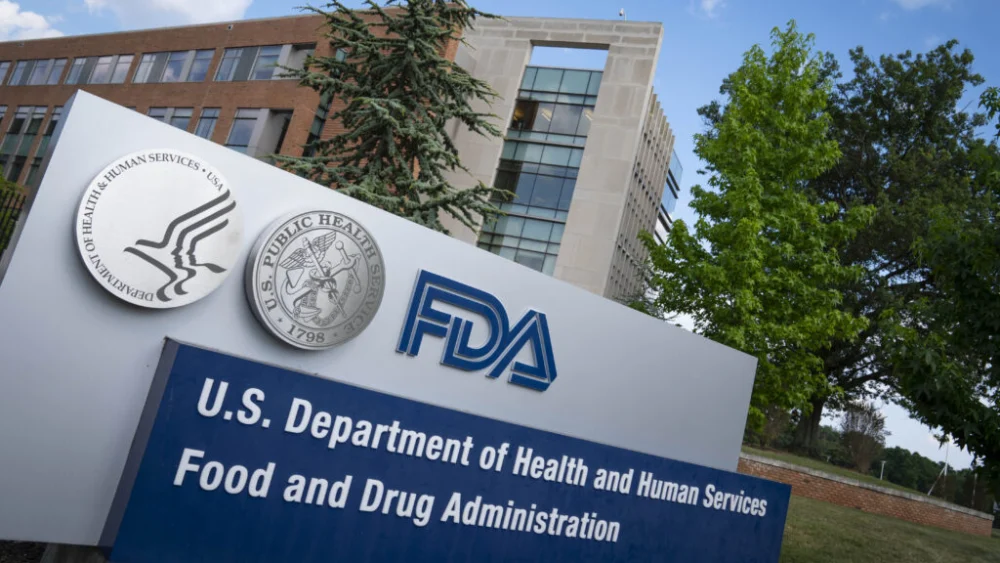
The experimental therapy for a rare blood cancer was on a seemingly clear path toward approval by the Food and Drug Administration last year—with internal reviewers recommending it be cleared—before the agency abruptly rejected the drug last month, according to people familiar with the matter. This unexpected decision has sent shockwaves through the biotechnology industry, particularly among companies specializing in allogeneic cell therapies, and has raised pointed questions regarding a potential shift in regulatory philosophy under the FDA’s most recent leadership transition. The therapy, known as tabelecleucel (tab-cel), represents a sophisticated approach to treating a devastating complication of organ and stem cell transplantation, but its rejection highlights the widening gap between clinical urgency and regulatory stringency in the post-pandemic era.
Developed by Atara Biotherapeutics in partnership with Pierre Fabre Pharmaceuticals, the cell therapy is intended to treat Epstein-Barr virus-positive post-transplant lymphoproliferative disease (EBV+ PTLD). This condition is a particularly aggressive type of lymphoma that can occur when the Epstein-Barr virus, which remains latent in most of the human population, reactivates in patients whose immune systems have been intentionally suppressed to prevent the rejection of a new organ or bone marrow. For the approximately 500 patients in the United States who develop this condition each year, the prognosis is often grim. When standard treatments—typically rituximab with or without chemotherapy—fail, these patients, ranging from young children to older adults, are frequently left with only weeks or months to live.
The FDA’s "Complete Response Letter" (CRL) issued last month cited deficiencies in the clinical data as the primary reason for the rejection. However, the move has been characterized by some close to the process as a jarring "complete reversal." A former agency employee with direct knowledge of the review, speaking on the condition of anonymity to discuss internal deliberations, told STAT that the technical staff within the Office of Therapeutic Products (OTP) had largely reached a consensus in favor of approval. "The reviewers saw the clinical benefit in a population with no other options," the former employee stated. "The sudden pivot toward rejection in the final weeks of the cycle is something I can’t help but think was due to the FDA’s new leadership and a renewed mandate for absolute data certainty over regulatory flexibility."
Tabelecleucel is an "off-the-shelf" or allogeneic T-cell therapy. Unlike traditional CAR-T therapies, which require the extraction, modification, and re-infusion of a patient’s own cells—a process that can take weeks—tab-cel is manufactured from healthy donor T-cells. These cells are primed to recognize and attack EBV-infected cells. This "ready-to-go" nature is critical for PTLD patients, for whom a three-week manufacturing delay can be the difference between life and death. The therapy had already gained approval in the European Union in late 2022, marketed under the name Ebvallo, based on data from the pivotal ALLELE study. That trial demonstrated an objective response rate (ORR) of approximately 50%, with many responders seeing durable remissions lasting over a year.

The discrepancy between the European Medicines Agency (EMA) and the FDA has long been a point of contention for Atara. While the EMA accepted the ALLELE study’s results as sufficient for a rare disease with high unmet need, the FDA reportedly demanded more extensive "comparability" data between the clinical trial batches and the commercial manufacturing process. Furthermore, sources suggest the FDA’s new leadership expressed skepticism regarding the use of historical controls to measure efficacy. In rare diseases where a randomized, placebo-controlled trial is often considered unethical or practically impossible, drugmakers frequently compare their drug’s performance against the documented outcomes of past patients. While previous FDA administrations had shown a willingness to accept such comparisons, the current climate appears to be shifting back toward a more rigid requirement for randomized data.
This regulatory hurdle comes at a precarious time for Atara Biotherapeutics. The company had bet its future on tab-cel, having sold the commercial rights to Pierre Fabre in a deal structured to provide much-needed non-dilutive capital upon FDA approval. With the rejection, those milestone payments are now indefinitely delayed, forcing the company to reconsider its operational runway and its broader pipeline of next-generation CAR-T therapies for autoimmune diseases and solid tumors. For Pierre Fabre, the French pharmaceutical giant, the rejection represents a significant setback in its ambition to expand its footprint in the lucrative U.S. oncology market.
The human cost of the FDA’s decision is perhaps the most poignant aspect of the story. Patient advocacy groups have long championed tab-cel, noting that for EBV+ PTLD patients who have failed first-line therapy, there is essentially no "Standard of Care." These patients are often caught in a medical limbo, where they have survived a life-saving transplant only to be threatened by a virus that their weakened immune system cannot control. Dr. Lawrence Miller, a transplant specialist not involved in the Atara trials, noted that the rejection feels like a "step backward" for the transplant community. "We are talking about a very small number of patients who are in a desperate situation," Miller said. "When you have a therapy that shows a 50% response rate in a population with a near-zero survival rate, the bar for ‘data deficiency’ should be weighed against the certainty of death for those patients."
The broader biotech sector is also watching the Atara case closely as a bellwether for the "new" FDA. Under the previous leadership, the agency had been praised by some—and criticized by others—for its use of accelerated approval pathways and its willingness to engage in "regulatory science" to bring orphan drugs to market faster. However, the current administration has signaled a desire to tighten these pathways, concerned that too many drugs are reaching the market with unproven clinical benefits. This tension between innovation and evidence is at the heart of the Atara rejection.
Industry analysts suggest that the FDA may be specifically targeting the "comparability" issues that plague cell and gene therapies. Because these treatments are biological products, ensuring that every batch is identical to the one used in the clinical trial is notoriously difficult. If the FDA has indeed raised the bar for manufacturing consistency, it could mean that dozens of other experimental cell therapies currently in mid-to-late-stage development will face similar rejections, regardless of how well they perform in patients.

In the weeks following the rejection, Atara and Pierre Fabre have reportedly requested a "Type A" meeting with the FDA to discuss a path forward. Such meetings are reserved for stalled drug programs and are intended to provide a roadmap for resolving the issues cited in a CRL. Possible outcomes include a requirement for a new clinical trial—which could take years and tens of millions of dollars—or a compromise where the companies provide additional retrospective data to satisfy the agency’s concerns. However, given the "reversal" noted by internal sources, the prospects for a quick resolution appear dim.
The fallout from this decision extends to the investor community as well. Biotech venture capitalists have already begun to adjust their risk models, noting that "regulatory risk" is no longer just about the drug’s safety and efficacy, but about the shifting political and leadership landscape at the FDA. The "Atara Precedent," as it is being called in some circles, suggests that even a positive recommendation from internal reviewers and a successful track record in Europe are no longer guarantees of U.S. success.
As the debate continues, the 500 patients diagnosed annually with EBV+ PTLD remain the most affected. For them, the nuances of FDA leadership shifts and manufacturing comparability data are secondary to the simple reality of survival. The rejection of tab-cel is not just a corporate or regulatory event; it is a pivotal moment in the ongoing struggle to balance the rigors of scientific proof with the urgent needs of the terminally ill. Whether the FDA will eventually relist or if this marks a permanent hardening of the agency’s stance remains the most critical question facing the cell therapy industry in 2026. Without a breakthrough in negotiations, the "off-the-shelf" hope that tab-cel represented may remain on the shelf for the foreseeable future, leaving a vulnerable patient population with few places to turn.