
 By Lina Irawan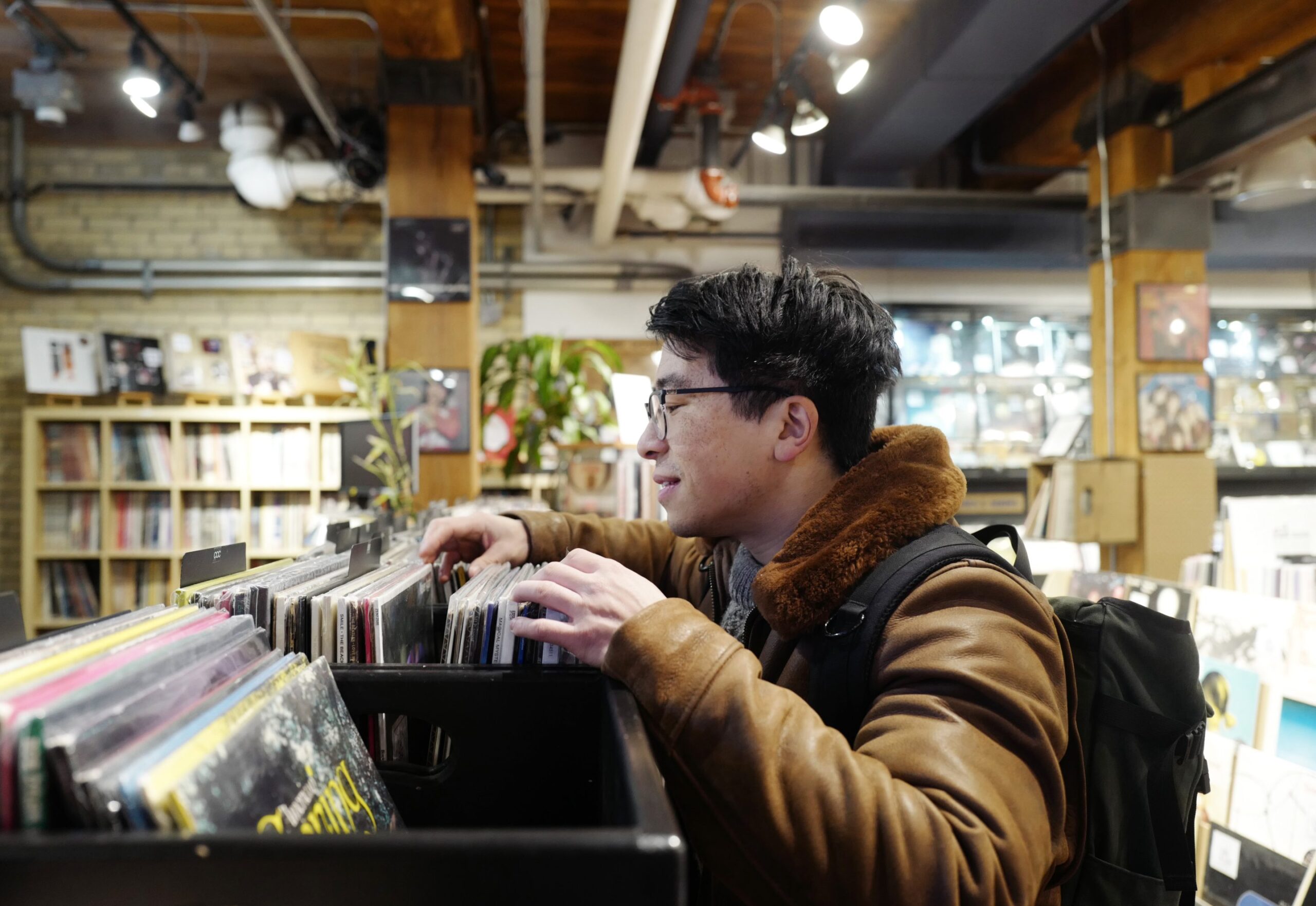
This evocative phrase, coined by James Dutton, a 24-year-old social media account manager based in Cincinnati, perfectly encapsulates the modern dilemma facing Generation Z. Dutton, like many of his peers, found his mornings increasingly dominated by a flurry of unwelcome bank notifications – a subtle but persistent bleed of funds into the digital ether. In a candid video posted to YouTube last month, Dutton shared his revelation: a meticulous audit of his monthly spending unveiled a staggering $120 vanishing into the digital void of forgotten subscriptions. Services like a streaming platform he hadn’t opened in weeks or a music app that had quietly hiked its price by a few dollars here and there, cumulatively amounted to a significant drain on his finances.
“I mean, it all adds up,” Dutton explained to Fortune, articulating a sentiment shared by a growing cohort of young Americans. “I felt like I could just allocate those funds to better resources than subscriptions that I really don’t even want to begin with.” His frustration is emblematic of a broader cultural shift, signaling a quiet but determined rebellion against the pervasive subscription economy, especially among younger demographics who are increasingly questioning the true value and long-term cost of digital convenience.
The era of unchecked subscription growth, particularly for streaming services, appears to be past its pandemic-fueled peak. What began as an irresistible promise of endless entertainment at one’s fingertips has, for many, devolved into a fragmented, costly, and ultimately unsatisfying experience. In response, a discernible trend is emerging: young Americans are actively disengaging from the ephemeral nature of digital rentals, instead seeking solace and satisfaction in the tangible, often imperfect, world of physical media. From the vibrant, neon-lit aisles of independent video stores making a surprising resurgence, to starter apartments adorned with curated vinyl collections, Gen Z is consciously choosing to shed the perceived convenience of the cloud in favor of something concrete, something truly their own.
Having Everything and Owning Nothing: The Digital Dilemma
The initial allure of streaming was undeniable, built on a powerful, seemingly revolutionary promise: an entire world of content, accessible anywhere, anytime, for a price often comparable to a few daily coffees. Netflix pioneered this paradigm in the early 2010s, quickly expanding its appeal with a robust library and a groundbreaking investment in star-studded original programming. Its success paved the way for a veritable explosion of competitors. By 2020, as global lockdowns confined populations to their homes, the “streaming wars” were in full swing, transforming living rooms across America into battlegrounds for industry giants like Disney, HBO, Amazon, Hulu, Apple TV+, and Peacock, all vying for subscriber attention and loyalty.
However, as 2026 unfolds, the initial fervor for streaming has noticeably cooled. While streaming services still significantly outpace traditional cable and satellite television in terms of user adoption – with Pew Research indicating that 83% of U.S. adults use streaming services – the rate of new sign-ups is decelerating dramatically. Data from Antenna, a leading subscription economy data provider, revealed a stark trend: subscription growth across all major premium video-on-demand (SVOD) services dipped to a mere 7% last year, a significant decline from 12% in 2024 and marking the first recorded year of single-digit growth. This slowdown suggests a saturation point has been reached, and consumers are re-evaluating their digital consumption habits.
The phenomenon is widely being termed “subscription fatigue.” A comprehensive survey by Forbes highlighted the financial burden, finding that the average American consumer juggles approximately 4.5 active subscriptions simultaneously, accumulating an annual cost of roughly $924. This figure, almost a thousand dollars annually, is increasingly scrutinized by a generation facing unprecedented economic pressures, including rising inflation, stagnant wages, burgeoning student loan debt, and an increasingly unaffordable housing market. For Gen Z, every dollar counts, and the aggregate cost of multiple, often underutilized, subscriptions has become a glaring target for austerity.
Civic Science, a consumer analytics platform, provided further compelling evidence of this fatigue among young adults. Between December and January, a striking 37% of Gen Z subscribers reported canceling one or more streaming services, citing subscription fatigue as the primary reason. An additional 29% expressed immediate plans to follow suit. Overall, a staggering 87% of Gen Z respondents admitted to experiencing some level of weariness with the subscription economy. This isn’t merely a financial calculation; it’s a psychological one. The constant barrage of notifications, the mental effort required to track multiple accounts, and the feeling of being perpetually "renting" rather than "owning" contribute to a sense of digital burden.
Beyond the immediate financial strain, the ubiquity of subscriptions has inadvertently underscored a deeper societal anxiety for many Americans: the erosion of true ownership. In an age where digital goods are increasingly prevalent, the concept of possession itself has become ambiguous. Even when one “buys” a digital movie or TV show, what they are often acquiring is not outright ownership, but a revocable license. This license can be rescinded if the streaming platform loses distribution rights, or if the service itself ceases to exist. This stark reality contrasts sharply with the enduring permanence of physical media.
Rudy Rodriguez, a 38-year-old medical IT worker and popular YouTuber from outside Atlanta, GA, eloquently articulated this sentiment. A devoted Seinfeld fan, Rodriguez maintains a Netflix account primarily to access the beloved 90s sitcom. Yet, he calculates that opting for Netflix’s top subscription tier, which could amount to nearly $300 annually, makes little financial sense compared to simply purchasing the complete Seinfeld physical boxset for around $100. The latter offers immutable ownership.
“Anything that’s digital is never yours,” Rodriguez emphasized to Fortune. “Amazon’s not going to come into your house and take your DVD movies. They’re yours forever.” This simple truth resonates deeply, highlighting a fundamental distinction that digital convenience often obscures.
The Analog Rebellion: Reclaiming Tangibility and Control
As subscription numbers begin to plateau and even contract, a fascinating counter-movement is gaining momentum: a resurgence of interest in physical entertainment goods. This isn’t just a niche market for aging collectors; Gen Z is at the forefront of this analog rebellion.
Consider the resurgence of vinyl records. In 2024, revenues from vinyl sales soared by 7% to $1.4 billion, according to the Recording Industry Association of America (RIAA), marking its 18th consecutive year of growth. In a symbolic milestone in 2023, vinyl purchases eclipsed CD sales for the first time since 1987, signaling a profound shift in music consumption habits. But the trend extends beyond music. Sales of luxury and independent print magazines and photo books have also experienced a significant surge, particularly among younger audiences who appreciate the tactile experience and curated aesthetic. Even retro items no longer in production are experiencing a surprising rebound in interest in 2026, from vintage gaming consoles like the Nintendo 64 and original PlayStations, to the once-ubiquitous iPods, now sought after for their nostalgic appeal and dedicated functionality.
This isn’t merely a superficial trend; it’s a conscious choice. Gen Z, having grown up in an always-on, algorithm-driven digital world, is actively seeking out experiences that offer authenticity, permanence, and a sense of connection. The tactile sensation of holding a record, the ritual of placing it on a turntable, the visual feast of album art and liner notes – these elements offer a multi-sensory engagement that streaming simply cannot replicate. Similarly, a physical movie collection displayed on a shelf speaks volumes about one’s cinematic tastes and preferences, acting as a personal curated library rather than a rented, invisible digital ledger.
A vivid illustration of this cultural shift can be found in northeast Los Angeles, where a historic cinema has been revitalized as a community hub. In 2023, the site reopened as a new location for Vidiots, a non-profit organization that seamlessly blends the charm of a video rental store, the cultural significance of a movie theater, and the inclusivity of a community gathering place. Robbie McCluskey, who directs the video store and the non-profit’s volunteer program, has witnessed this transformation firsthand. When he first started at Vidiots in 2013, the average renter was typically 50 years old or more. Today, the store is bustling with patrons in their mid-to-late 20s.
“It doesn’t seem like it’s a fad to me at all,” McCluskey told Fortune, underscoring the enduring appeal. His shop now rents out over 1,000 movies a week, a volume that surpasses even their busiest periods in the early 2000s. For these young cinephiles, the act of browsing the aisles of a physical store has evolved into a social ritual. It’s an antidote to algorithmic recommendations, fostering human interaction and serendipitous discovery. Instead of a sterile, personalized feed, they rely on human recommendations, the visual cues of cover art, and the tangible, imperfect joy of holding a disc in their hands.
While streaming is unlikely to disappear entirely – its sheer convenience remains a powerful draw for countless individuals, and not everyone has access to a charming local video store – its dominance is being challenged. For a generation that has spent their entire lives consuming entertainment dictated by algorithms, the simple act of popping a disc into a player, settling back, and knowing that their viewing experience will be uninterrupted by buffering, internet outages, or disappearing content rights, feels profoundly radical. It’s a reclamation of control, a statement against the ephemeral nature of the digital realm.
As James Dutton articulated in his YouTube video, reflecting on this resurgence, “I think it’s pretty cool that people are giving a damn about physical media again. It looks like physical media is here to stay.” At the very least, it offers a tangible alternative, a personal sanctuary immune to the predatory creep of forgotten subscriptions and the sudden, silent whisking away of $20 for a service one barely remembers, all to watch a show they’ve already seen five times over. The analog rebellion, then, is more than just a nostalgic whim; it’s a strategic embrace of ownership, permanence, and conscious consumption in an increasingly digital world.