
 By admin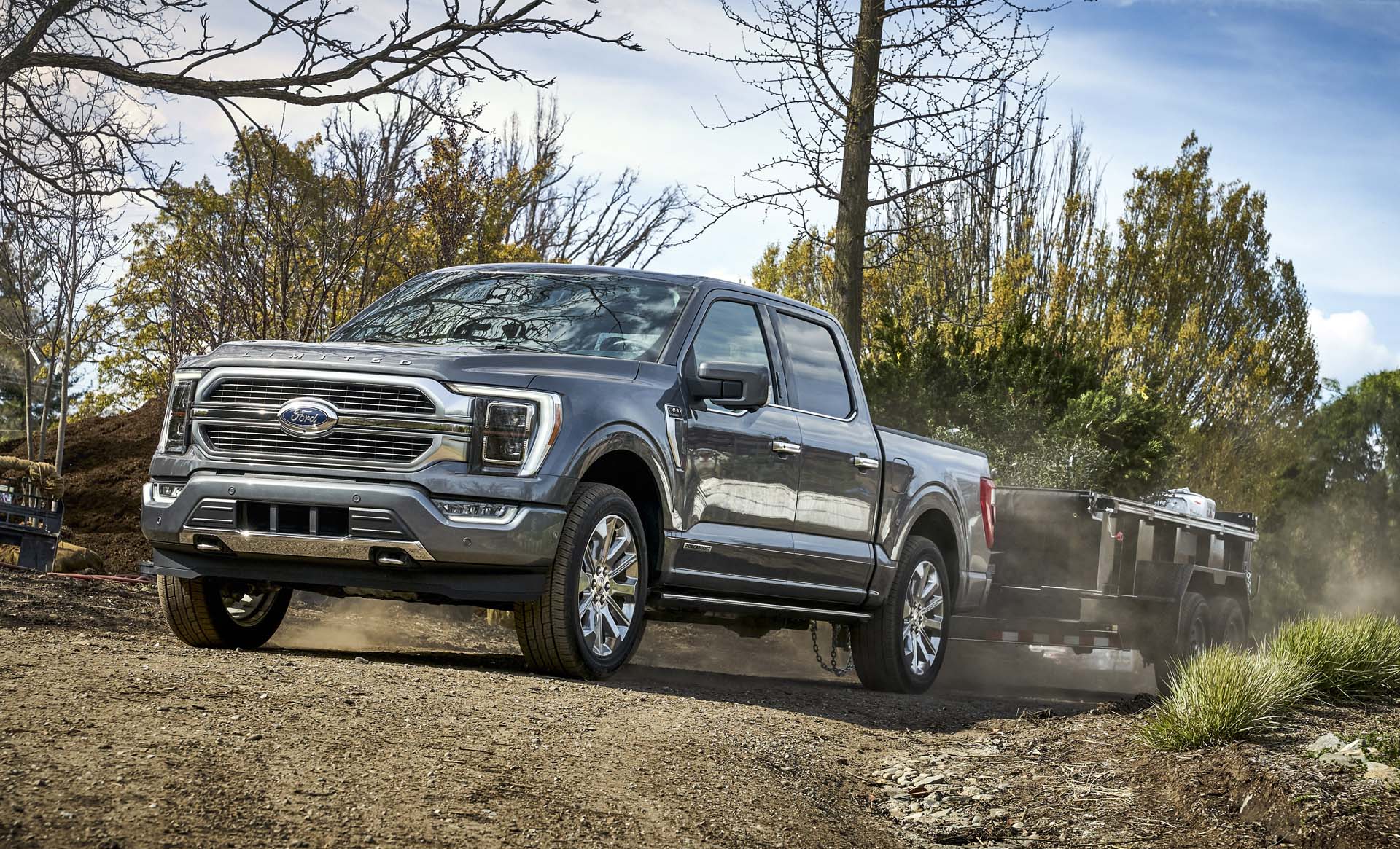
The affected vehicles, while not explicitly detailed in the initial alert beyond the broad categories of "pickup trucks and SUVs," are understood to be models equipped with Ford’s integrated trailer brake controller designed to manage electric or electric-over-hydraulic trailer braking systems. These typically include popular, high-volume towing vehicles like certain configurations of the F-Series (F-150, Super Duty), Expedition, and Lincoln Navigator, which are frequently used for hauling various loads, from recreational campers to heavy construction equipment. The specific models and production dates will be critical information for owners once Ford releases the full list.
At the heart of this safety concern is the potential for the trailer brake controller to malfunction, failing to properly apply the trailer brakes when activated by the driver. This defect can lead to significantly reduced braking performance, thereby lengthening stopping distances. In an emergency braking scenario, even a slight increase in stopping distance can be the difference between a near-miss and a severe collision, particularly when hauling heavy loads. The National Highway Traffic Safety Administration (NHTSA), the federal agency responsible for vehicle safety and recalls, underscores this risk, emphasizing that such a flaw directly increases the likelihood of a crash. For context, a fully loaded pickup truck towing a heavy trailer can easily exceed 15,000 pounds. At highway speeds, the kinetic energy involved is immense, and any compromise to the braking system can have catastrophic consequences, turning a routine stop into a dangerous slide. Industry experts often cite studies demonstrating that even a 10% reduction in braking efficiency can double the risk of a rear-end collision in certain situations.
The most troubling aspect of this recall is its "again" nature. Ford had previously issued a recall to address this very software issue. Dealers were instructed to install updated software to rectify the problem, ostensibly providing a permanent fix. However, investigations have revealed that the software tool utilized by dealerships during the initial recall service may not have successfully uploaded the correct software to all affected vehicles. This failure in the recall execution process raises serious questions about quality control at multiple levels—from the development and distribution of the diagnostic and update tools to the training and verification protocols at the dealership service bays.
A failed recall remedy is a significant issue for several reasons. Firstly, it erodes consumer confidence. Owners who have already taken the time and effort to bring their vehicles in for a safety repair expect that repair to be effective and permanent. Discovering that the fix was incomplete or incorrect is not only frustrating but also deeply unsettling, as it means they have been driving with an unresolved safety defect, unknowingly. Secondly, it represents a substantial logistical and financial burden for the manufacturer. A second recall means repeating the entire process—notifying owners, providing parts (in this case, software updates), scheduling appointments, and compensating dealerships for the work. This doubles the administrative overhead and labor costs, impacting Ford’s bottom line. Thirdly, it highlights potential vulnerabilities in the increasingly complex software ecosystems that underpin modern vehicles. With vehicles becoming "computers on wheels," the integrity of software deployment and updates is paramount.
Despite the gravity of the potential safety risk, Ford has stated to the NHTSA that it is currently unaware of any crashes or injuries directly linked to vehicles that remained in circulation with this underlying trailer brake software issue. While this is certainly a positive note, it does not diminish the potential for future incidents or the need for a definitive resolution. The absence of reported incidents could be attributed to various factors, including the specific driving conditions of the affected owners, their towing habits, or simply a lag in reporting such events. Nonetheless, the proactive nature of this second recall, even without direct evidence of harm, underscores Ford’s responsibility and the regulatory imperative to address known safety defects.

Owners of the affected vehicles will once again be required to bring their trucks and SUVs back to authorized Ford dealerships. The good news for consumers is that this repair, like all recall-related services, will be performed free of charge. Ford has also committed to reimbursing owners for any out-of-pocket expenses directly related to this recall. This typically covers costs such as fuel for the trip to the dealership, mileage, and in some cases, lost wages if the vehicle owner misses work, or costs for alternative transportation if the repair requires the vehicle to be at the dealership for an extended period. Owners are advised to retain receipts for any such expenses to facilitate the reimbursement process.
Ford plans to commence mailing owner notification letters around April 14. Upon receiving the notification, owners are strongly encouraged to contact their local Ford dealership to schedule an appointment for the software update. For additional information or clarification, owners can reach Ford’s customer service department directly at 1-866-436-7332. Furthermore, Ford’s dedicated recall website (https://www.ford.com/support/recalls/) provides a valuable resource where owners can enter their vehicle identification number (VIN) to confirm if their specific vehicle is included in this or any other open recall. The reference number for this particular recall is 25S18, which should be cited when communicating with Ford or its dealerships to ensure efficient service.
This incident is not an isolated one for Ford, and it unfortunately contributes to a broader pattern of recurring software-related recalls for the automaker in recent months. Just last month, Ford initiated two new recalls specifically for its Maverick pickup truck, both aimed at rectifying issues that had been the subject of previous, unsuccessful recall attempts. These included issues related to various systems, highlighting the complexity of modern vehicle software integration. Prior to that, in January, Ford recalled approximately 272,000 Maverick pickups and Bronco Sport crossovers to address a 12-volt battery issue, where, again, the initial recall remedy proved ineffective. These repeated recall failures suggest a deeper, potentially systemic challenge within Ford’s product development, software validation, or recall execution processes.
The automotive industry as a whole is grappling with the increasing complexity of "software-defined vehicles." Modern cars are equipped with hundreds of millions of lines of code, managing everything from engine performance and infotainment to critical safety systems like braking and steering. This exponential growth in software content presents immense challenges for manufacturers in terms of development, testing, integration, and over-the-air (OTA) update capabilities. While OTA updates hold promise for future, seamless recall resolutions, the current reliance on dealership visits for critical software fixes, coupled with potential tool or process inefficiencies, underscores the hurdles still faced.
Experts in automotive engineering and supply chain management point to several potential factors contributing to such recurring issues. These include intense pressure to shorten development cycles, leading to less rigorous testing; complexities in integrating software from multiple suppliers; and a potential disconnect between engineering teams developing the fixes and the dealership service technicians implementing them. The ability to deploy software updates accurately and consistently across a vast network of dealerships is a significant operational challenge. Each failed recall not only impacts Ford’s reputation for quality and reliability but also raises concerns among investors, as recalls translate directly into unbudgeted costs and potential liabilities. As vehicles become more autonomous and interconnected, the robustness of their software architecture and the efficacy of recall processes will be paramount to ensuring public safety and maintaining consumer trust in the evolving automotive landscape.