
 By admin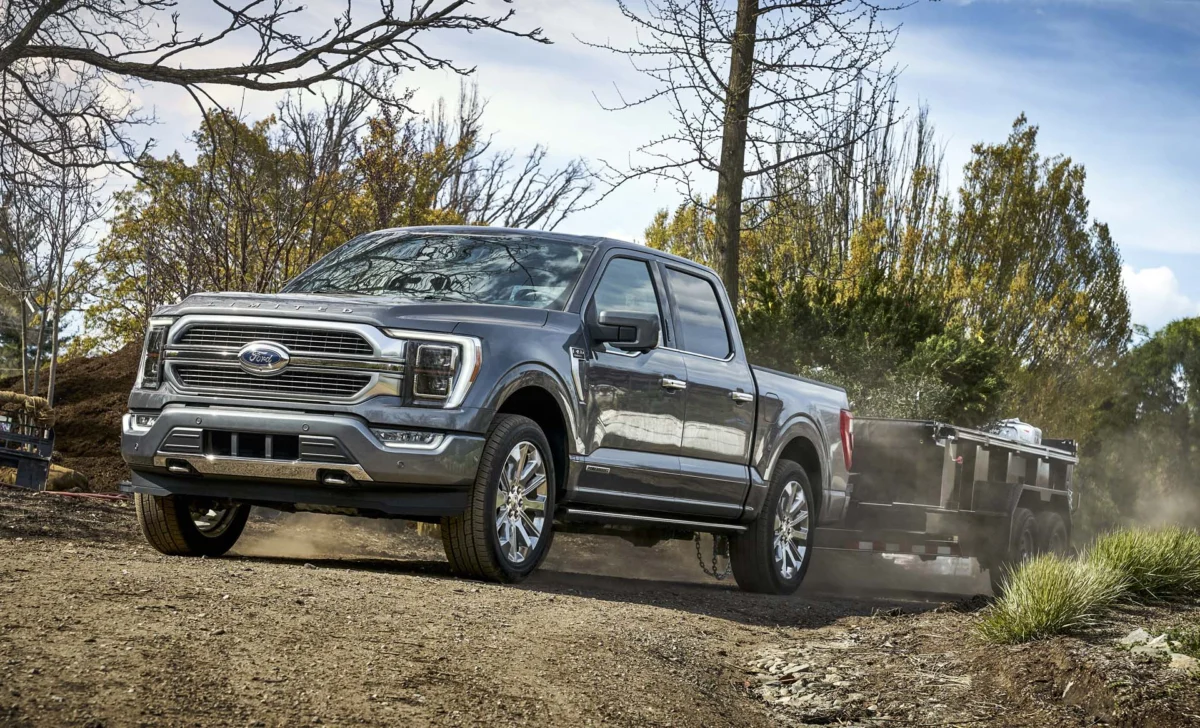
Ford Motor Company has once again found itself in the spotlight for a recurring safety concern, announcing a second recall for 10,627 pickup trucks and SUVs due to a persistent software glitch affecting the trailer brake controller. This latest action, designated recall number 25S18, addresses an issue that was supposedly rectified under a previous recall, highlighting the growing complexities and challenges associated with software-defined vehicles and their remedies. The fundamental problem, which can lead to significantly reduced braking performance when towing, underscores critical safety implications for owners and other road users.
At the heart of the matter is the vehicle’s trailer brake controller, a crucial component for drivers who frequently tow trailers equipped with electric or electric-over-hydraulic braking systems. In these vehicles, the controller is designed to synchronize the trailer’s brakes with those of the tow vehicle, ensuring smooth, stable, and effective stopping. However, the software defect means this synchronization may not occur properly, or the trailer brakes may not engage with sufficient force. The National Highway Traffic Safety Administration (NHTSA) has explicitly warned that this malfunction can result in "reduced braking performance," a euphemism for a dangerous scenario where stopping distances are lengthened considerably. For a driver pulling a heavy load, even a slight increase in stopping distance can be the difference between a safe stop and a catastrophic collision, especially in emergency braking situations, on downhill grades, or in adverse weather conditions.
The affected vehicles, while not exhaustively listed in the initial advisory beyond being "pickup trucks and SUVs," are understood to include models known for their robust towing capabilities, with the 2021 Ford F-150—a perennial best-seller and a workhorse for many—being a prominent example illustrated in the recall notice. Owners of these vehicles, who rely on them for everything from hauling recreational trailers to transporting heavy equipment, are now faced with the inconvenience and potential anxiety of yet another trip to the dealership for a fix that should have been permanent the first time around.
The "again" in the recall headline is particularly telling and points to a deeper systemic issue. The initial recall aimed to resolve the trailer brake controller problem by having dealers install updated software. This first attempt, however, proved insufficient. Ford’s communication with the NHTSA reveals that the failure stemmed not from the new software itself, but from the deployment mechanism: "the software tool used by dealers may not have uploaded the correct software to the affected vehicles." This explanation suggests a breakdown in the quality control process during the initial recall remedy. It could imply issues with the diagnostic tools themselves, insufficient training for technicians, or a lack of robust verification protocols to ensure the correct software version was successfully installed and activated. This type of failure mechanism is particularly concerning as it indicates that even when a solution is identified, its effective implementation can be hampered by procedural or technical shortcomings at the dealership level.
While Ford has stated it is currently unaware of any crashes or injuries directly linked to vehicles still operating with this uncorrected defect, the potential for severe consequences remains. Automotive safety experts consistently emphasize that any impairment to a vehicle’s braking system, especially when towing, poses a significant and unacceptable risk. Dr. Evelyn Reed, an independent automotive safety analyst, commented on the broader implications: "Modern vehicles are increasingly reliant on complex software systems. When these systems, particularly those governing critical safety functions like braking, fail to update correctly, it erodes consumer confidence and creates a dangerous game of ‘recall roulette.’ Manufacturers must ensure not only that their software is robust, but also that the deployment and verification processes for updates are foolproof."
For the owners, this means a second mandatory visit to a Ford dealership. The good news is that the corrective action, which involves installing the correct software, will again be performed free of charge. Furthermore, Ford has committed to reimbursing owners for any related out-of-pocket expenses incurred due to this repeated service, acknowledging the burden placed upon them. Owners are advised to keep receipts for any towing costs, rental vehicles, or other direct expenses related to the recall visit.

Ford’s plan to notify affected owners via mail by April 14th aims to ensure widespread awareness. In the interim, concerned owners can proactively contact Ford’s customer service department at 1-866-436-7332 or visit the dedicated recall section on Ford’s official website (ford.com/support/recalls) for more detailed information and to check their vehicle’s specific recall status using its Vehicle Identification Number (VIN). The reference number for this particular recall is 25S18.
This incident is not an isolated one for Ford, nor is it unique to the automotive industry as a whole, which is grappling with the rapid integration of advanced software and connectivity. However, Ford has faced a notable series of similar challenges recently. Just last month, the automaker initiated two new recalls specifically targeting the Maverick pickup for similar reasons—to fix issues that were supposed to have been resolved by previous recalls. In January, Ford also recalled a staggering 272,000 Mavericks and Bronco Sport crossovers to address a 12-volt battery issue, again after a previous recall remedy proved ineffective. These repeated recall scenarios paint a picture of a company struggling to consistently deliver effective and lasting software-related fixes.
The recurring nature of these recalls raises questions about Ford’s software development lifecycle, its diagnostic and quality assurance protocols, and the efficacy of its dealership service network in implementing complex software updates. In an era where "software-defined vehicles" are becoming the norm, and over-the-air (OTA) updates are touted as the future, the reliance on dealer-installed software updates, especially those that fail to "upload the correct software," is a significant concern. While OTA updates can resolve many non-safety critical issues, safety-critical systems often require more stringent in-person verification or specialized tools, which, in this case, appear to have fallen short.
The financial implications for Ford are not insignificant. Each recall incurs substantial costs related to parts (even if just software licenses), labor, logistics, and administrative overhead. More importantly, frequent recalls, particularly those that are re-dos, can severely damage brand reputation and erode consumer trust. In a highly competitive market for trucks and SUVs, where brand loyalty is a key differentiator, such issues can have long-term consequences on sales and market share. Consumers expect reliability and safety, and when a manufacturer repeatedly fails to deliver a complete fix, it fosters a sense of unease and frustration.
From a regulatory standpoint, the NHTSA closely monitors recall effectiveness. A pattern of repeated recalls for the same issue or recalls where the initial remedy fails to rectify the defect can lead to increased scrutiny, potential investigations, and even heftier fines. The agency’s mission is to ensure vehicle safety, and manufacturers are expected to provide durable and effective solutions to identified defects.
In conclusion, Ford’s second recall for the trailer brake software issue is a stark reminder of the intricate challenges facing the modern automotive industry. As vehicles become more sophisticated and software-driven, the demands on engineering, quality control, and the service network grow exponentially. While Ford’s proactive stance in addressing the issue is commendable, the recurrence of the problem necessitates a deeper examination of its internal processes to prevent similar lapses in the future. For owners, vigilance and prompt action remain paramount to ensuring their safety and the safety of others on the road.