
 By admin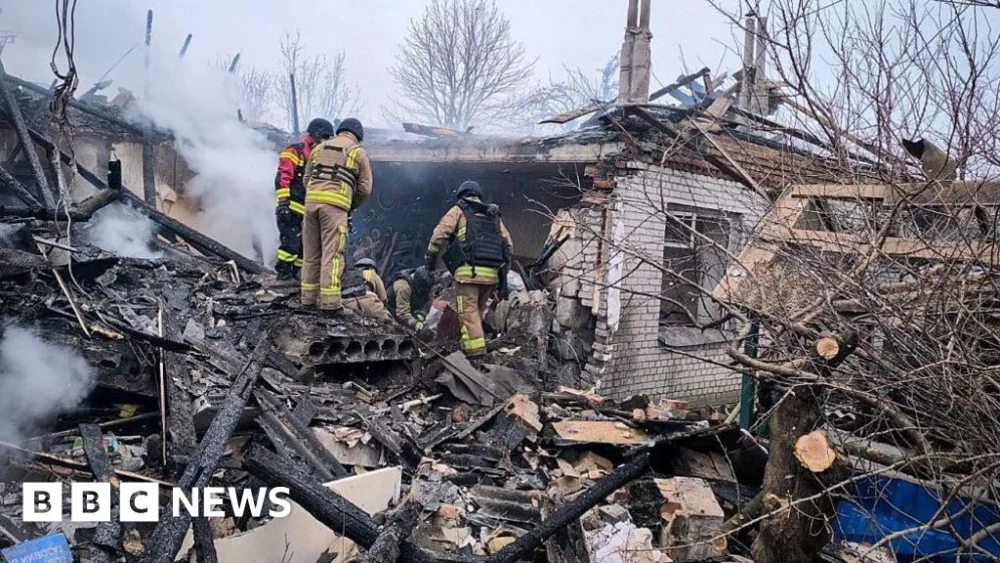
Geneva, Switzerland – As Russian and Ukrainian delegations prepare to reconvene in Geneva for US-brokered peace talks, the specter of ongoing conflict looms large, casting a shadow of doubt over the potential for any significant breakthroughs. Scheduled just a week before the fourth anniversary of Russia’s full-scale invasion of Ukraine, these discussions arrive with expectations for immediate progress at an all-time low. Moscow’s unwavering adherence to its maximalist territorial demands for Ukraine continues to present an insurmountable hurdle, while a relentless barrage of Russian aerial attacks on Ukrainian infrastructure underscores the stark reality of the enduring hostilities.
The latest offensive, a large-scale combined aerial assault launched mere hours before the delegations were set to convene, targeted 12 Ukrainian regions with an alarming arsenal of 400 drones and nearly 30 missiles. This devastating onslaught resulted in the tragic loss of at least three lives, further intensifying the humanitarian crisis and exacerbating the country’s already crippled energy sector. Ukrainian Foreign Minister Andrii Sybiha decried the attacks as a clear demonstration of "the extent to which Russia disregards peace efforts," highlighting the deep chasm between diplomatic aspirations and the grim reality on the ground. In response, Russia claimed its air defenses had successfully repelled over 150 drones, while a Ukrainian drone strike reportedly ignited a fire at an oil refinery.
The high-stakes negotiations in Geneva are being spearheaded by a distinguished American mediation team. Steve Witkoff, President Trump’s special envoy, and Jared Kushner, the president’s son-in-law, are tasked with navigating the complex and deeply entrenched positions of both warring parties. Ukraine’s representation includes National Security Council Secretary Rustem Umerov and the President’s chief of staff, Kyrylo Budanov, bringing a mandate to advocate for the nation’s sovereignty and territorial integrity. The Russian delegation, comprising presidential aide Vladimir Medinsky and key figures from military intelligence, is expected to maintain Moscow’s established negotiating stance. However, the prospect of immediate outcomes remains dim. Kremlin spokesman Dmitry Peskov tempered expectations, stating, "I don’t think we should expect any news today," and indicating that the talks would likely extend into Wednesday.
Adding to the palpable tension surrounding the diplomatic efforts, former President Donald Trump, speaking to reporters aboard Air Force One, urged Ukraine to "better come to the table fast." This sentiment echoes Trump’s previously expressed impatience with the protracted nature of the conflict and his desire for a swift resolution. His pronouncements, while reflecting a particular approach to foreign policy, underscore the international pressure for an end to the devastating war.
The core of the ongoing dispute remains Russia’s occupation of approximately 20% of Ukrainian territory, a significant portion of which lies within the eastern Donbas region. Moscow’s persistent demand for Ukraine to cede these territories is a non-negotiable point for Kyiv, which has unequivocally ruled out such concessions. For Ukraine, the prerequisite for any meaningful engagement with Russia on territorial matters hinges upon securing robust security guarantees from Western allies, a crucial element for ensuring future stability and preventing further aggression.
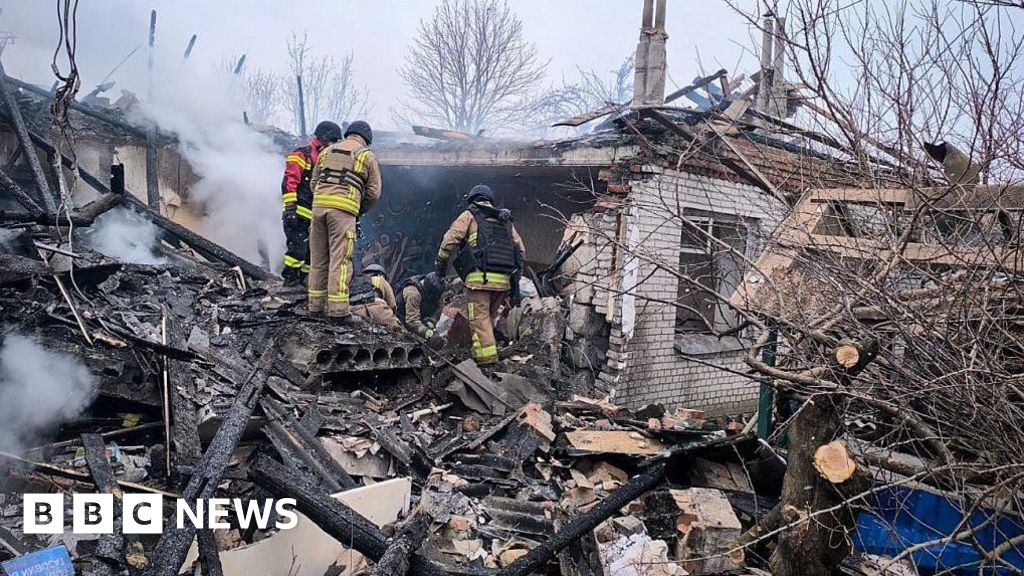
The human cost of this conflict continues to mount with each passing day. Monday’s overnight attacks, for instance, claimed the lives of at least three energy workers near the frontline city of Slovyansk, as announced by Ukraine’s deputy energy minister, Artem Nekrasov, on Telegram. President Zelensky further reported that nine additional individuals, including children, sustained injuries across the country, with more than ten residential buildings and vital railway infrastructure suffering damage. In a pointed statement on X, Zelensky emphasized the imperative of holding Russia accountable for its aggression, asserting, "For peace to be real and just, action must target the sole source of this aggression."
The widespread impact of the attacks is evident in the damage inflicted across twelve Ukrainian regions. The southern city of Odesa, in particular, found itself plunged into darkness, with thousands of residents left without power. DTEK, Ukraine’s largest private energy firm, described the damage to the city’s power infrastructure as "incredibly serious," warning that restoring functionality would be a protracted and arduous process. Ukraine is currently grappling with an acute energy crisis, a direct consequence of months of relentless Russian assaults on its critical infrastructure, compounded by the harsh realities of a freezing winter.
In a retaliatory move, Ukraine launched its own volley of attacks on Russian territory overnight. Officials confirmed that a fire erupted at the Ilsky oil refinery in the southern Krasnodar region following a drone strike, with a reservoir storing oil products also catching fire. The border region of Belgorod also continued to bear the brunt of Ukrainian attacks, with dozens of drones reportedly causing significant damage to power infrastructure.
These latest diplomatic overtures follow a series of trilateral talks held in Abu Dhabi last month, marking the first instance of three-way discussions between Russia, Ukraine, and the United States since the commencement of Moscow’s full-scale invasion in 2022. While those negotiations concluded without a definitive breakthrough, they were shortly followed by the first prisoner of war exchanges in several months, offering a glimmer of hope amidst the otherwise grim landscape of the conflict. The current Geneva talks, therefore, represent a continuation of these efforts, albeit under the shadow of intensified military action and entrenched diplomatic deadlock. The path to peace remains fraught with peril, demanding a delicate balance between de-escalation, accountability, and the unwavering pursuit of a just and lasting resolution.