
 By admin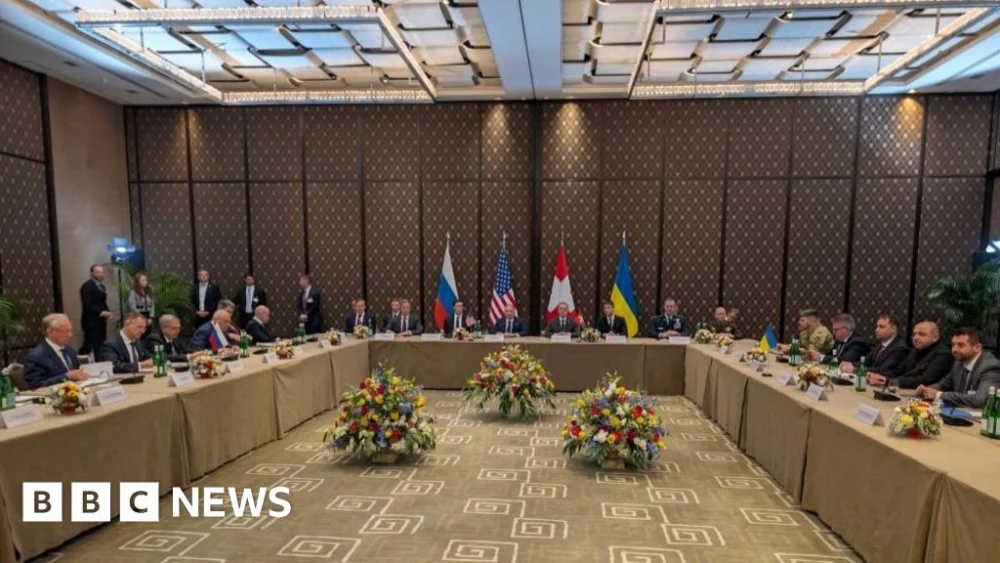
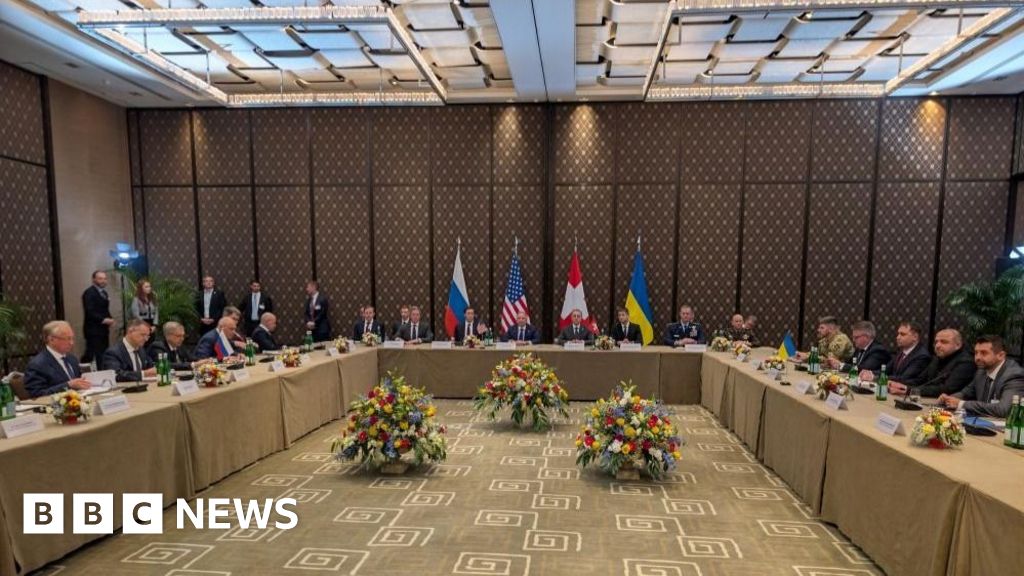
High-stakes trilateral negotiations aimed at de-escalating and ultimately resolving Russia’s brutal war in Ukraine concluded this week in Geneva without a decisive breakthrough, leaving the international community to grapple with the persistent chasm between Moscow and Kyiv’s core demands. The meetings, which saw representatives from Russia, Ukraine, and the United States convene, spanned two days, with initial optimism from the US envoy Steve Witkoff giving way to acknowledgments of the talks’ "difficult" nature from both Russian and Ukrainian sides. Despite the lack of immediate resolution, participants have indicated a commitment to continued dialogue, with a further meeting slated to take place "soon."
The fundamental discord between Moscow and Kyiv on critical issues, particularly regarding territorial integrity and the terms of a potential ceasefire, remains the central impediment to peace. Russia’s ongoing invasion, now in its fifth year, has created a complex and deeply entrenched conflict, with profound implications for regional stability and global security. The current impasse reflects the starkly divergent objectives of the warring parties, making any swift resolution an ambitious undertaking.
Kremlin negotiator Vladimir Medinsky, while conceding the challenging nature of the discussions, characterized them as "businesslike," a sentiment echoed by Ukrainian President Volodymyr Zelensky, who described the negotiations as "not easy" due to the significant divergence in their respective positions. However, Ukrainian negotiator Rustem Umerov offered a slightly more optimistic outlook, deeming the discussions "substantive and intensive." He emphasized that while progress had been made, the specifics could not be disclosed "at this stage," underscoring the sensitivity and complexity of the ongoing diplomatic efforts. "This is complex work that requires alignment among all parties and sufficient time," Umerov stated, highlighting the intricate nature of achieving a mutually agreeable outcome.
The urgency for a resolution was palpable, with President Zelensky, shortly before the talks’ conclusion, expressing frustration, accusing Russia of "trying to drag out negotiations that could already have reached the final stage." This sentiment underscores a perceived lack of genuine engagement from the Russian side, potentially aimed at consolidating territorial gains or exerting further pressure. The recent history of diplomatic engagement offers a mixed picture. The last direct meeting between Russian and Ukrainian delegations, facilitated by the US in Abu Dhabi in January, resulted in the first prisoner exchange in several months, a small but significant step. President Zelensky’s indication on Wednesday that another prisoner swap might be forthcoming suggests that some areas of potential cooperation, however limited, may still exist.
The diplomatic efforts are occurring within a broader context of international pressure and shifting geopolitical dynamics. US President Donald Trump, a key figure in spearheading diplomatic initiatives to end the conflict, has expressed increasing impatience with the protracted deadlock. His public statements, including a recent call for Ukraine to "come to the table, fast," have been met with resistance from Kyiv, with President Zelensky deeming it "not fair" that his nation should be the primary party expected to compromise. This highlights the delicate balance the Ukrainian government must strike between pursuing peace and safeguarding its sovereignty and territorial integrity.
The core of the conflict lies in Russia’s persistent demand for full control over Ukraine’s eastern Donbas region, encompassing the Donetsk and Luhansk oblasts. This demand is fundamentally incompatible with Ukraine’s assertion of its sovereign territory. Kyiv has consistently rejected any proposal that would cede Ukrainian land, particularly areas that include heavily fortified cities and a significant defensive line in Donetsk. The strategic importance of these territories, coupled with the deep-seated belief among many Ukrainians that relinquishing them would render the country vulnerable to further Russian aggression, makes this a non-negotiable point for Kyiv. President Zelensky’s recent statement to US media outlet Axios, where he indicated that any plan to hand over the Donbas would be overwhelmingly rejected by Ukrainians in a referendum, underscores the domestic political constraints on any such concession.
Beyond the Donbas, another critical point of contention revolves around the status of the Zaporizhzhia Nuclear Power Plant. This facility, the largest in Europe, has been under Russian occupation since March 2022 and is situated precariously on the front lines of the conflict. Ukraine’s demand for the return of the plant is a significant geopolitical and security concern. President Zelensky has previously suggested a potential arrangement for shared control with the United States, a proposal that Russia is highly unlikely to accept given its current military objectives and strategic interests in controlling vital infrastructure. The ongoing militarization of the nuclear facility also raises grave concerns about nuclear safety and the potential for catastrophic accidents.
The protracted nature of the conflict and the persistent diplomatic deadlock are indicative of deeper, more complex underlying issues. Russia’s broader geopolitical ambitions, its historical grievances with Ukraine, and its desire to reassert influence in its perceived sphere of influence continue to fuel the conflict. Ukraine, on the other hand, is fighting for its very survival as an independent nation, seeking to defend its sovereignty, territorial integrity, and democratic aspirations. The international community, while largely unified in its condemnation of Russia’s aggression and its support for Ukraine, faces the challenge of navigating a path toward a sustainable peace that respects international law and the principles of national sovereignty.
The economic ramifications of the war are also substantial, impacting not only Ukraine and Russia but also the global economy through disruptions to energy and food supplies. The ongoing conflict has exacerbated existing global economic fragilities, contributing to inflation and food insecurity in many parts of the world. International efforts to mitigate these consequences are ongoing, but a lasting solution to the underlying conflict remains paramount.
Expert analysis of the situation suggests that a breakthrough in negotiations will likely require significant shifts in the strategic calculus of both Russia and Ukraine, or a sustained and intensified diplomatic push from key international actors. Some analysts believe that Russia’s willingness to negotiate in good faith may be contingent on its battlefield successes or on internal political pressures. Others argue that a more unified and assertive international stance, potentially involving further sanctions or increased military aid to Ukraine, could alter the dynamics of the conflict.
The path forward remains uncertain, fraught with challenges and potential setbacks. The commitment to continued dialogue, however, offers a glimmer of hope. The upcoming meetings will be crucial in determining whether any common ground can be found, or if the conflict will continue to grind on, with devastating consequences for Ukraine and a persistent threat to global peace and stability. The international community will be closely watching these developments, hoping for a diplomatic resolution that respects Ukraine’s sovereignty and brings an end to the suffering caused by this devastating war. The current situation underscores the enduring complexities of international diplomacy in resolving protracted and deeply rooted conflicts, where national interests, historical narratives, and strategic objectives often collide.