
 By admin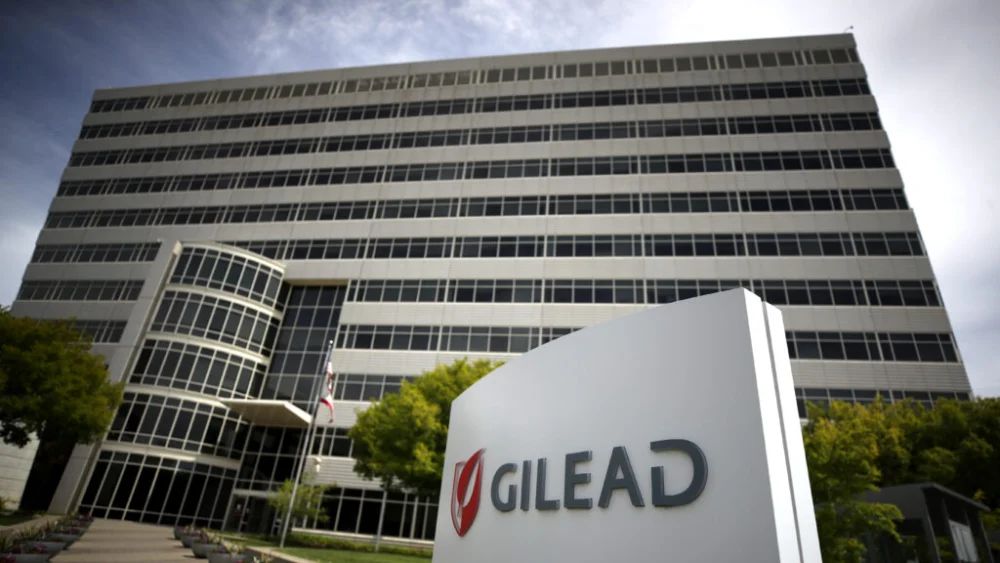
The acquisition marks the culmination of a highly successful three-year courtship between the two firms. Since early 2023, Gilead’s cell therapy subsidiary, Kite Pharma, has been working hand-in-glove with Arcellx to co-develop and co-commercialize anito-cel (formerly known as CART-ddBCMA), an investigational autologous CAR-T cell therapy. By moving from a partnership to a full acquisition, Gilead is signaling its absolute confidence in anito-cel’s potential to become a best-in-class treatment for patients with relapsed or refractory multiple myeloma, a bone marrow cancer that remains incurable for the vast majority of patients.
The centerpiece of this multi-billion-dollar bet is the unique architecture of anito-cel. Unlike traditional CAR-T therapies that utilize a single-chain variable fragment (scFv) as a binding domain, anito-cel employs Arcellx’s proprietary D-Domain. This synthetic binder is significantly smaller and more stable than traditional binders, which Arcellx and Gilead believe leads to higher surface expression on the T-cells and a lower risk of immune rejection. Clinical data presented at the American Society of Hematology (ASH) annual meeting in late 2025 served as the primary catalyst for this acquisition. In those trials, anito-cel demonstrated not only deep and durable responses in heavily pre-treated patients but also a remarkably clean safety profile—specifically, a lack of the delayed neurological toxicities (such as Parkinsonian-like symptoms) that have shadowed rival therapies.
For Gilead, the acquisition of Arcellx is a strategic masterstroke intended to shore up its oncology portfolio as its legacy HIV franchise faces eventual patent cliffs later this decade. Under the leadership of CEO Daniel O’Day, Gilead has aggressively pivoted toward oncology and inflammation, spending tens of billions of dollars to acquire companies like Immunomedics and Forty Seven. However, the 2017 acquisition of Kite Pharma for $11.9 billion remains the bedrock of Gilead’s cell therapy ambitions. By folding Arcellx into Kite, Gilead is doubling down on the belief that cell therapy is the future of hematological oncology.
The multiple myeloma market is currently a high-stakes battlefield. Currently, the landscape is dominated by two primary BCMA-targeted CAR-T therapies: Johnson & Johnson and Legend Biotech’s Carvykti, and Bristol Myers Squibb’s Abecma. While Carvykti has set a high bar for efficacy, showing unprecedented survival data in early-line settings, it has been plagued by manufacturing bottlenecks and rare but serious neurological side effects. Gilead and Kite believe that anito-cel can exploit these vulnerabilities. By leveraging Kite’s world-class manufacturing infrastructure—widely considered the most efficient in the industry—Gilead aims to ensure that anito-cel can be delivered to patients faster and more reliably than its competitors once it receives FDA approval.

The financial structure of the deal reflects the high premium currently commanded by late-stage biotech assets with de-risked clinical profiles. The $115-per-share price tag is a testament to the scarcity of high-quality CAR-T assets. Wall Street analysts noted that while the price is steep, the integration risks are minimal because the two companies have been operating as a single unit regarding anito-cel for years. The "plug-and-play" nature of the acquisition allows Gilead to bypass the typical friction associated with merging R&D pipelines. Furthermore, the $5-per-share CVR provides a "safety valve" for Gilead, ensuring that the final payout is tied to the commercial reality of the drug’s performance in a crowded market.
The broader implications for the biotechnology sector are significant. This deal marks one of the largest acquisitions in the cell therapy space since the initial wave of CAR-T M&A in 2017 and 2018. It suggests that despite the rise of "off-the-shelf" (allogeneic) therapies and T-cell engagers (bispecific antibodies), big pharma still views autologous CAR-T as the "gold standard" for curative-intent treatment in blood cancers. The move is likely to spark a renewed interest in other mid-cap biotech firms specializing in next-generation cell binders and manufacturing technologies.
Arcellx’s journey from a venture-backed startup to a $7.8 billion acquisition target is a classic success story of the modern biotech era. Founded on the premise that the limitations of CAR-T could be solved through protein engineering, the company focused on the D-Domain technology to overcome the "clumping" and exhaustion issues seen in earlier CAR designs. Their initial partnership with Kite in December 2022 involved an upfront payment of $225 million and a $100 million equity investment. Over the subsequent years, as the clinical data for anito-cel matured, the collaboration deepened, eventually making an outright merger the only logical conclusion for a Gilead management team hungry for growth.
However, the road ahead is not without challenges. The Federal Trade Commission (FTC) has become increasingly scrutinized of large-scale pharmaceutical acquisitions, particularly those that might consolidate power in specific therapeutic areas. Gilead will have to argue that the acquisition of Arcellx is pro-competitive, as it provides the necessary resources to bring a new treatment to market that can challenge the existing duopoly of J&J and BMS. Furthermore, the clinical success of anito-cel in later lines of therapy must be replicated in earlier lines of treatment if Gilead is to justify the $7.8 billion valuation. The company is already planning expansive trials to move anito-cel into second-line and even first-line settings, where the patient population is much larger and the potential for long-term remission is higher.
From a patient perspective, the acquisition is largely viewed as a positive development. One of the primary hurdles for CAR-T therapy has been accessibility. By utilizing Kite’s extensive network of authorized treatment centers and its proven manufacturing scale, Gilead can potentially shorten the "vein-to-vein" time—the period between when a patient’s cells are collected and when the engineered cells are re-infused. For a multiple myeloma patient whose disease is rapidly progressing, a difference of even a few days in manufacturing time can be life-saving.

The deal also highlights the importance of the American Society of Hematology (ASH) annual meeting as the premier venue for biotech valuation swings. The data presented by Arcellx and Kite at ASH 2025 showed that anito-cel achieved a 100% overall response rate in its Phase 1 expansion cohort, with a complete response rate that rivaled or exceeded that of Carvykti at a similar stage of development. Most importantly, the zero-incidence rate of Grade 3 or higher neurotoxicity was the "smoking gun" that convinced Gilead leadership to move forward with the acquisition.
As the transaction moves toward a close, expected in the second half of 2026, the biotech industry will be watching closely to see how Gilead integrates Arcellx’s broader platform. While anito-cel is the crown jewel, Arcellx also possesses a pipeline of "ARC-sparX" therapies—a programmable CAR-T platform that allows clinicians to "dial up" or "dial down" the intensity of the treatment after infusion using a separate "sparX" protein. This technology could potentially extend the reach of CAR-T into solid tumors, an area where Gilead has yet to find a definitive foothold.
In summary, Gilead’s $7.8 billion acquisition of Arcellx represents a definitive statement of intent. It is a bet on superior engineering, a bet on the continued dominance of autologous cell therapy, and a bet on Kite Pharma’s ability to out-manufacture the competition. For Arcellx, it is the ultimate validation of their D-Domain technology. For the multiple myeloma community, it promises a future where highly effective, safer, and more accessible treatments are within reach. As the ink dries on the deal, the focus now shifts from the boardroom to the manufacturing floor and the clinical ward, where the true value of anito-cel will be measured in lives extended and remissions achieved.