
 By admin
The travel industry’s worst fears are beginning to materialize as a volatile cocktail of geopolitical instability and soaring energy costs sends ticket prices into a steep upward trajectory. Just days after industry analysts warned of an impending spike in airfare, the reality has set in for travelers worldwide: the era of relatively affordable post-pandemic travel is facing its most significant challenge yet. A growing coalition of international and domestic airlines has begun implementing aggressive fuel surcharges, while others are quietly adjusting their base fares to offset the skyrocketing cost of jet fuel.
The catalyst for this sudden economic shift is rooted in a worsening conflict in the Middle East. The disruption centers on one of the world’s most vital oil transport corridors, which has been effectively shuttered by Iranian forces. This blockade has choked the global supply chain, causing a dramatic and immediate surge in crude oil prices. For the aviation industry, where fuel typically represents between 20% and 30% of total operating expenses, such a spike is impossible to absorb without passing the costs onto the consumer.
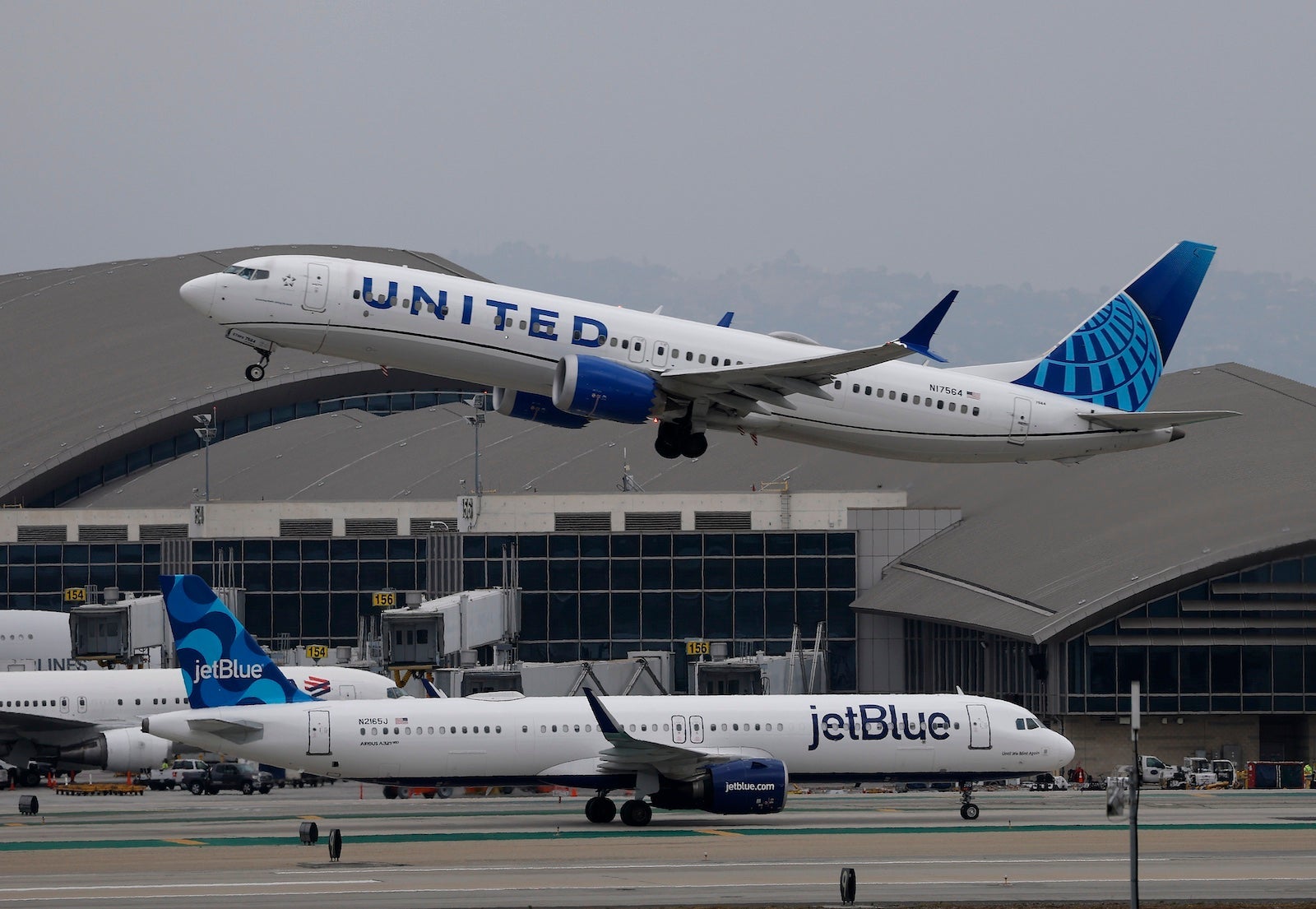
Earlier this month, United Airlines CEO Scott Kirby offered a sobering assessment of the situation, noting that higher flight prices would likely "start quick." His prediction has proven accurate. By mid-March, the industry saw a synchronized movement toward higher pricing structures. New data released by Deutsche Bank’s airfare tracker, which monitors three-week-out bookings, reveals that ticket prices have jumped sharply across almost every major corridor in the last seven days alone.
The most significant increases have been observed in premium and high-demand routes. Transatlantic flights to Europe, transcontinental journeys across the United States, and popular vacation routes to the Caribbean have seen the most aggressive price hikes. This trend is particularly damaging for families attempting to secure last-minute arrangements for spring break or those hoping to lock in rates for the upcoming summer peak.
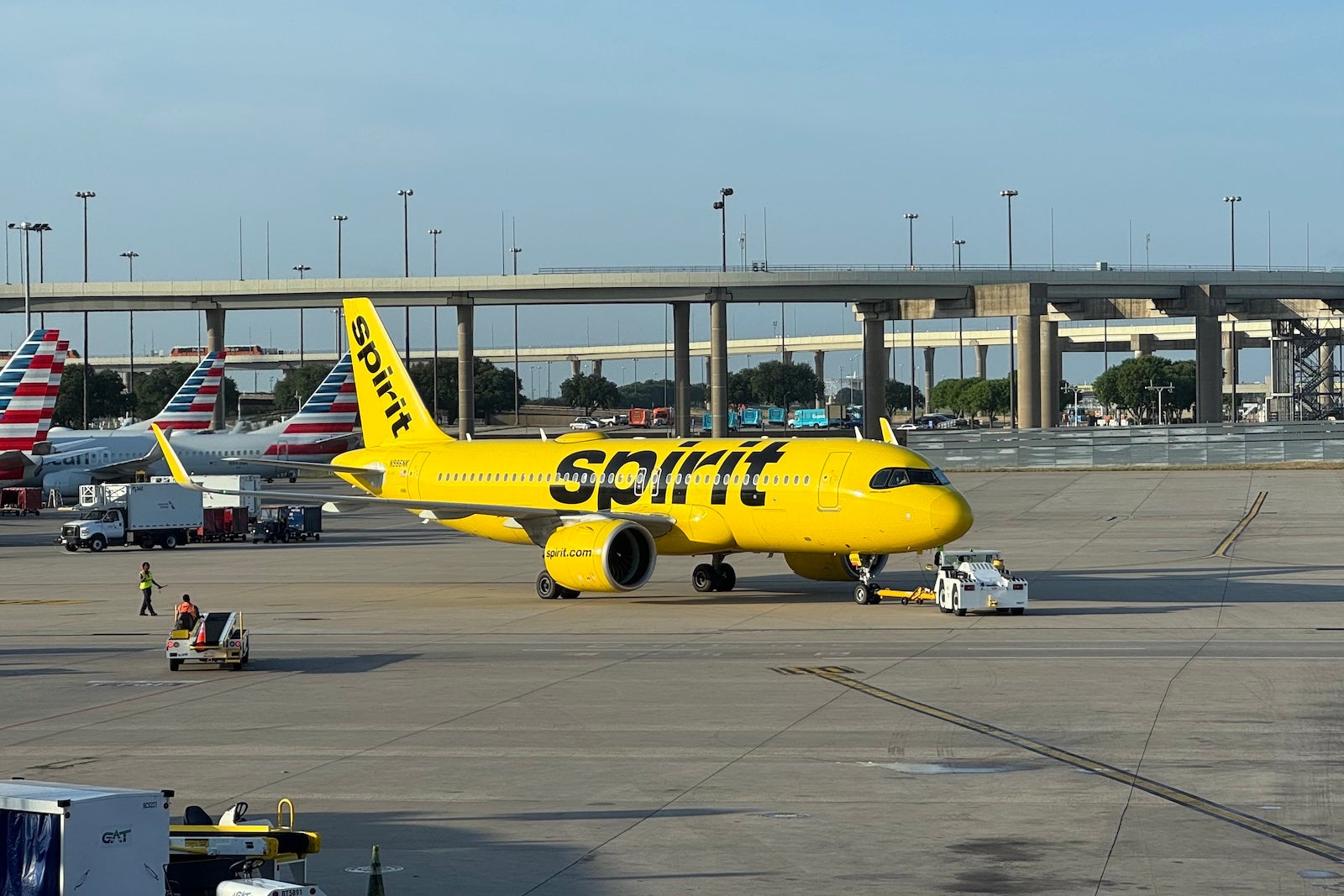
The impact is not limited to "legacy" carriers that cater to business travelers. Budget-friendly airlines, which traditionally operate on razor-thin margins, are feeling the heat even more acutely. Spirit Airlines, for instance, has seen some of the most dramatic percentage increases in its fare structures. According to Michael Linenberg, a senior airline industry analyst at Deutsche Bank, the industry is witnessing a global contraction. "We are already starting to see airlines around the world reduce their flying in response to higher fuel costs," Linenberg noted in a recent report. By reducing capacity—the number of available seats in the sky—airlines can maintain higher ticket prices even if demand begins to soften slightly.
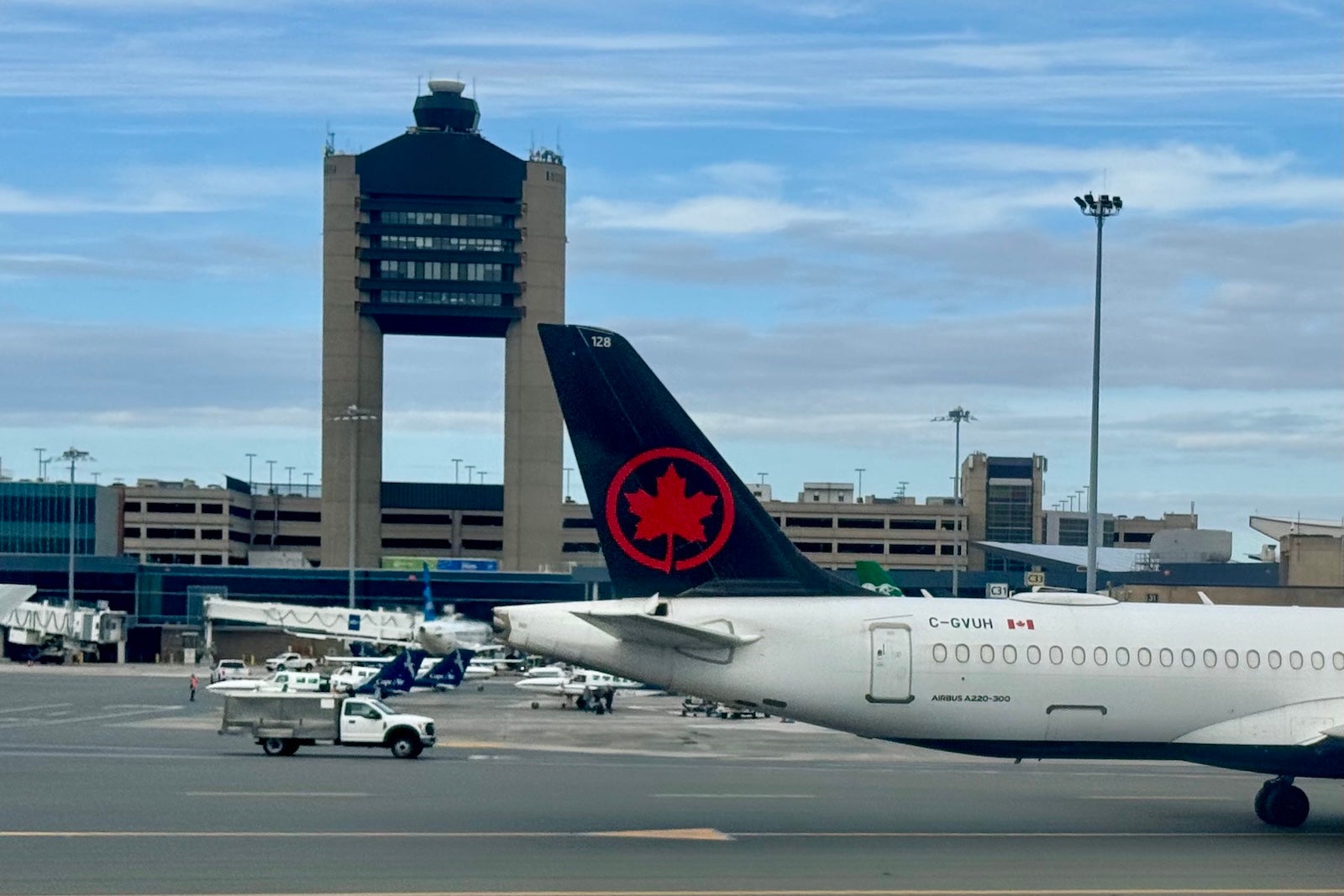
International carriers have been the most transparent about these adjustments. Air Canada recently confirmed that its pricing models are being continuously adjusted to reflect the "new reality" of fuel expenditures. Across the Atlantic, the Air France-KLM Group has taken a more direct approach by increasing its fuel surcharges. Initially set at 30 euros per round trip earlier this month, the surcharge was hiked to 50 euros (approximately $57 USD) this week. These surcharges are often added on top of the base fare, taxes, and fees, significantly inflating the final price shown to the consumer at checkout.
In the Pacific, the situation is even more dire. Air New Zealand executives informed local media that the carrier would be forced to cancel approximately 1,100 flights in the coming weeks. This represents a roughly 4% reduction in the airline’s planned schedule, a move aimed at conserving fuel and cutting losses on less profitable routes. For an island nation heavily dependent on air connectivity, these cancellations threaten to disrupt both tourism and essential trade.
The surge in airfare is occurring against a backdrop of broader economic strain. Travelers are not just paying more to fly; they are paying more to get to the airport. According to AAA, the national average for a gallon of regular gasoline hit $3.67 this Saturday, marking a staggering 25% increase from just one month ago. This "double whammy" of high gas prices and high airfare is beginning to weigh heavily on consumer confidence.
The University of Michigan’s preliminary consumer sentiment survey for March reflects this growing anxiety. Sentiment has dropped nearly 1.9% since February, while the outlook on the broader economy has plummeted by over 4%. As energy prices eat into discretionary income, the "revenge travel" trend that defined the last two years may finally be cooling off, replaced by a more cautious, budget-conscious approach to leisure.
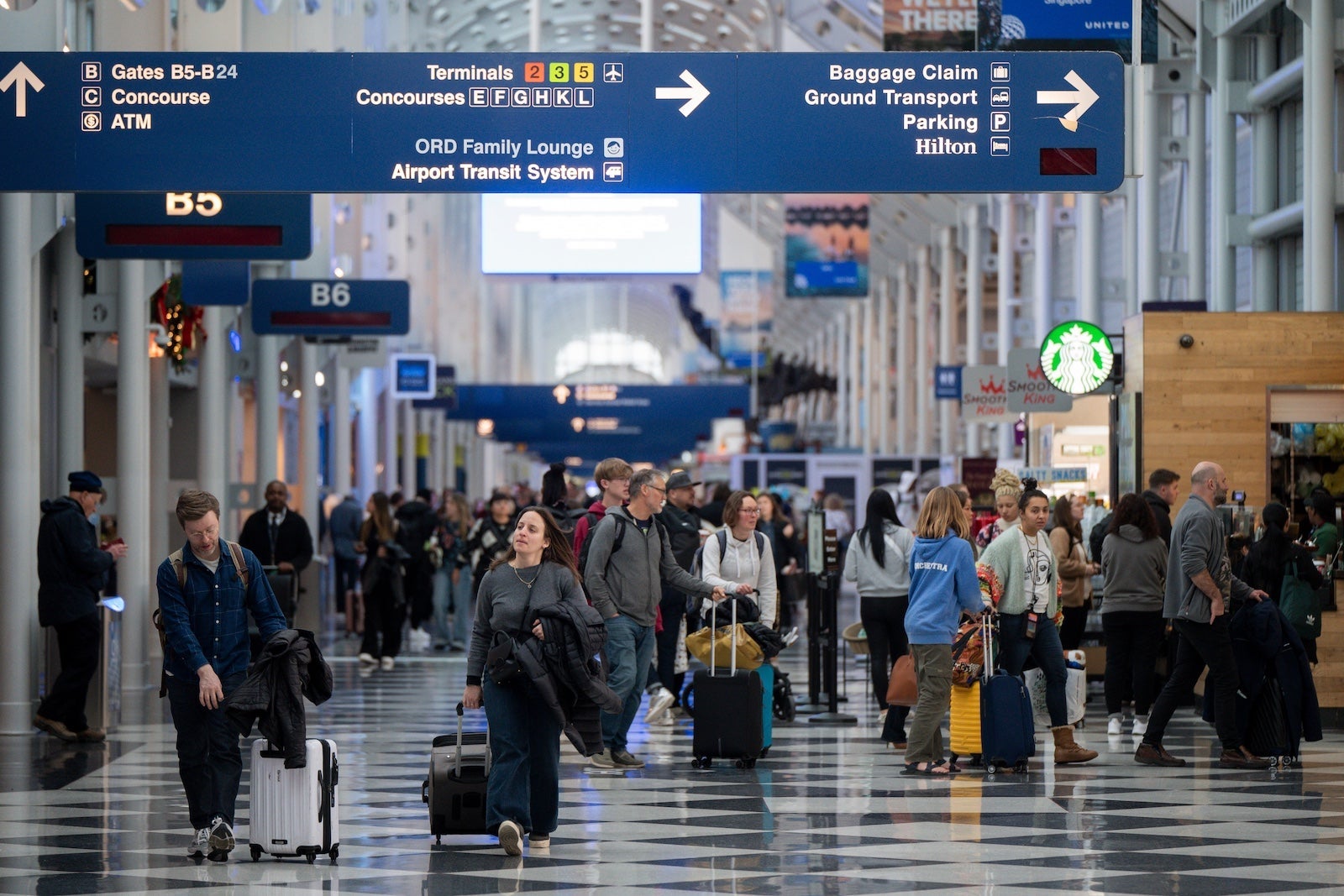
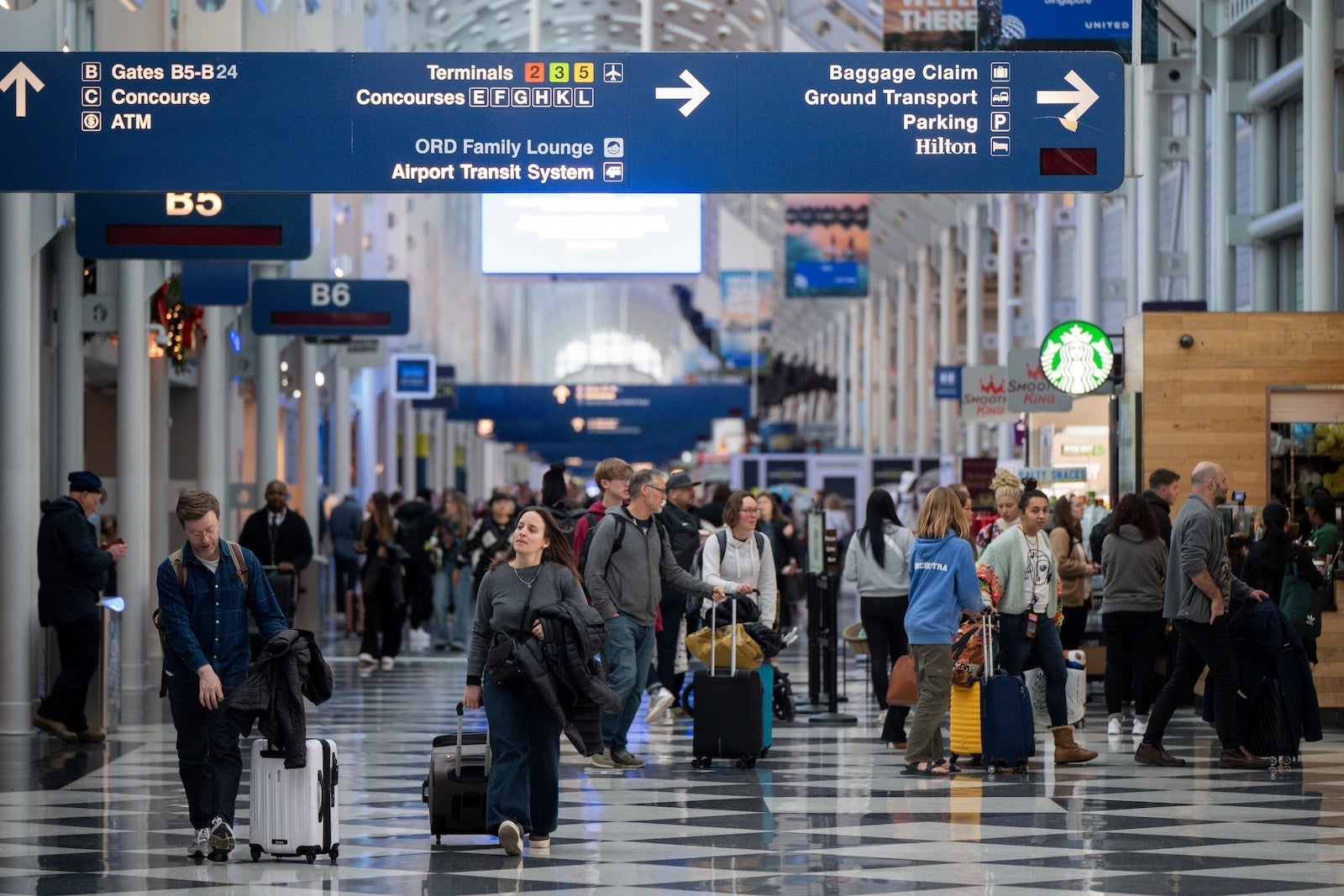
Adding to the frustration of travelers are the operational hurdles currently plaguing the U.S. aviation system. Thursday marked one of the busiest travel days of the year, rivaling the peak of the New Year’s rush. However, the surge in passenger volume coincided with a partial government shutdown, which has begun to take a toll on federal agencies. Travelers are reporting increasingly long security lines at TSA checkpoints as staffing levels fluctuate and morale dips among federal employees working without guaranteed pay dates. The combination of higher prices and deteriorating service levels at airports is creating a perfect storm of traveler dissatisfaction.
Industry experts suggest that the duration of this price hike depends entirely on the longevity of the Middle Eastern upheaval. Rob Handfield, a global supply chain expert at North Carolina State University, emphasizes the unpredictability of the current market. "There’s just not a lot of certainty about what’s going on," Handfield stated. "They don’t know how long this is going to last. It could go down in a week, or it could go up even more." This uncertainty makes it difficult for airlines to hedge their fuel costs effectively, leading many to rely on immediate fare increases to protect their balance sheets.
For consumers, the strategy for 2026 must be one of proactive planning and flexibility. Travel experts recommend booking summer flights immediately, particularly for those planning to travel during the peak months of June and July. Waiting for a "last-minute deal" is no longer a viable strategy in a high-fuel-cost environment. Instead, travelers should look for fares that offer flexibility, such as "Main Cabin" tickets that allow for changes without heavy penalties, or use airline miles and credit card points to buffer the cash cost of tickets.
Another tactical move is the "August Pivot." Historically, travel demand begins to taper off in late August as students return to school. This year, the price difference between July and late August is expected to be more pronounced than usual. By shifting a summer vacation by just a few weeks, a family of four could potentially save thousands of dollars in airfare and surcharges.
The long-term outlook for the aviation sector remains clouded. While full-service carriers like American, Delta, and United may have more success in passing costs to corporate travelers who are less price-sensitive, budget carriers are entering a period of extreme vulnerability. If fuel prices remain at these elevated levels, the industry may see a wave of consolidation or a further reduction in regional service to smaller cities.
As the global economy absorbs these energy shocks, the "wildcard" remains the resilience of the consumer. Will travelers continue to pay premium prices to see the world, or will the high cost of living finally force a significant pullback in domestic and international tourism? For now, the message from the airline industry is clear: the cost of the "friendly skies" has never been higher, and the window for finding a bargain is rapidly closing.
The intersection of geopolitical conflict, energy scarcity, and domestic political instability has created a volatile environment for the modern traveler. As the summer season approaches, the ability to navigate these challenges will require more than just a passport—it will require a significant increase in travel budgets and a great deal of patience at the terminal. With oil prices showing no signs of an immediate retreat, the flight path for 2026 is looking increasingly expensive and turbulent.