
 By admin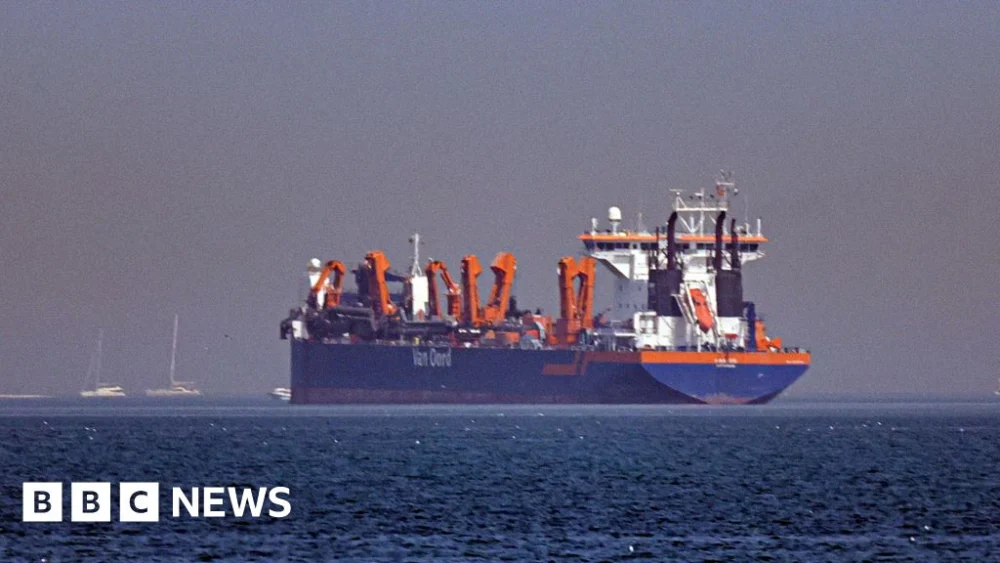
Global oil prices have experienced a significant upward surge, with Brent crude, the international benchmark, jumping by a dramatic 10% to breach the $82 a barrel mark. This sharp increase follows a series of escalating retaliatory strikes by Iran across the Middle East, a direct response to ongoing attacks attributed to the United States and Israel. The volatile geopolitical climate has sent shockwaves through global energy markets, with natural gas prices also witnessing a substantial spike of up to 25%.
The immediate catalyst for the market’s reaction appears to be the reported targeting of at least three ships near the strategically vital Strait of Hormuz over the weekend. Iran has issued stark warnings to vessels, urging them to avoid passage through this critical waterway, which serves as a crucial conduit for approximately 20% of the world’s oil and gas shipments. The potential disruption to this flow has understandably ignited concerns about supply security and triggered a speculative buying spree in energy commodities.
The ripple effects of this heightened tension have extended beyond the energy sector, impacting global financial markets. In London, the FTSE 100 index opened nearly 1% lower, with airline stocks bearing the brunt of the downturn as airspace closures were implemented across the Middle East. European stock markets experienced even more pronounced declines, with France’s CAC-40 index falling by 1.6% and Germany’s Dax shedding 1.7%. This broader market apprehension underscores the interconnectedness of global economies and their susceptibility to geopolitical instability.
Amidst this uncertainty, gold, a traditional safe-haven asset, has seen a notable appreciation of 2.3%, reaching $5,395.99 per ounce. Investors are seeking refuge in the precious metal as a hedge against the escalating risks in the broader market. The situation at the entrance to the Strait of Hormuz has led to an almost complete standstill in international shipping. Analysts are issuing grave warnings, suggesting that a prolonged conflict in the region could propel energy prices to even more alarming levels.
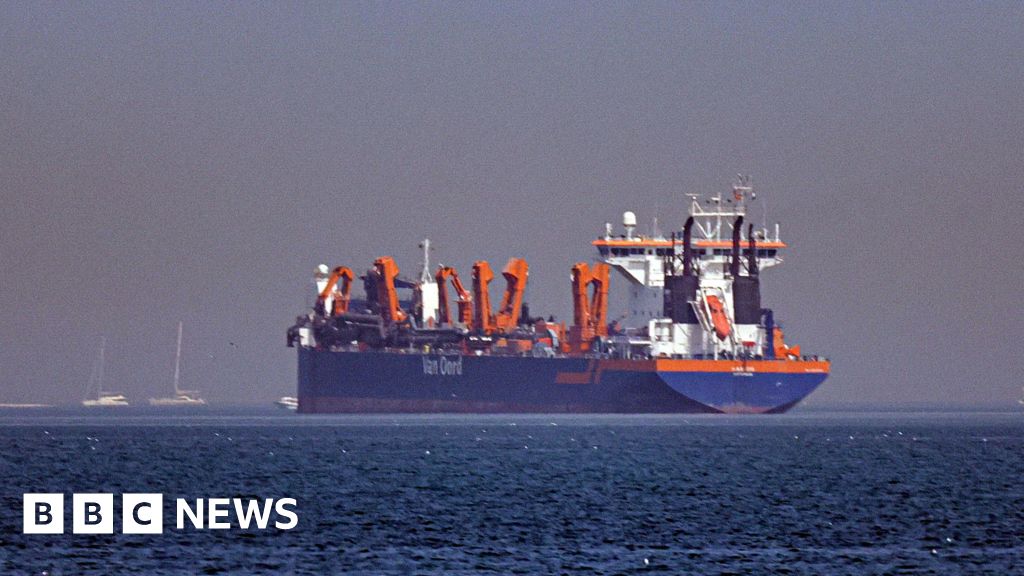
The UK Maritime Trade Operations Centre (UKMTO) has confirmed that two vessels were struck, and an "unknown projectile" was reported to have detonated in very close proximity to a third ship. While Brent crude saw an initial spike, it later receded to $79 a barrel, with US-traded oil showing a more modest increase of around 7.6% to $72.20. This fluctuation highlights the dynamic nature of market sentiment, which is heavily influenced by developing news and the perceived immediate impact on supply.
Saul Kavonic, head of energy research at MST Marquee, offered a nuanced perspective, stating, "The market isn’t panicking. There is more clarity that so far, oil transport and production infrastructure hasn’t been a primary target by any side." He further elaborated that the market’s focus would be on observing the resumption of traffic through the Strait of Hormuz, a development that would likely lead to a stabilization and potential decline in oil prices. However, Kavonic also acknowledged the potential for significant price escalation, with some analysts forecasting prices exceeding $100 a barrel in the event of a prolonged conflict. Such a scenario would undoubtedly have a cascading effect on global inflation and interest rates.
Robin Mills, chief executive of Dubai-based consultancy Qamar Energy and a former executive at oil giant Shell, noted the immediate price reaction, explaining, "The jump in prices will feed through almost immediately because the oil traders are very much following the news too." He also contextualized the current price levels, remarking, "At the moment, oil prices are not particularly high, they are still below where they were even two years ago so we’re not in full-blown oil crisis mode yet." This suggests that while the market is reacting sharply, it is not yet at the extreme levels seen in previous energy crises.
In an attempt to mitigate potential price hikes, the Opec+ group of oil-producing nations agreed on Sunday to increase their output by 206,000 barrels per day. However, some experts remain skeptical about the efficacy of this measure in cushioning the impact of significant supply disruptions. Edmund King, president of the AA, issued a stark warning about the potential for rising petrol prices worldwide. "The turmoil and bombing across the Middle East will surely be a catalyst to disrupt oil distribution globally, which will inevitably lead to price hikes," he stated. The magnitude and duration of these pump price increases, he cautioned, will be directly tied to the longevity of the conflict.
Subitha Subramaniam, chief economist and head of investment strategy at Sarasin & Partners, underscored the broader inflationary implications of sustained high oil prices. "It will start to cascade into other prices such as food, agriculture, industrial commodities and that’s just going to really bleed into inflation," she predicted. This forecast is particularly concerning for economies that have been battling persistent inflation. The easing pace of inflation in the UK had led to anticipation of interest rate cuts by the Bank of England. However, Subramaniam suggested that the central bank might now reconsider its stance and opt to leave interest rates unchanged at 3.75% for the time being, despite recent signals of potential future reductions. The threat of resurgent inflation, fueled by energy price shocks, could force a more hawkish monetary policy approach.
On Sunday, Iran’s Islamic Revolutionary Guards Corps (IRGC) claimed responsibility for striking three tankers from the UK and the US with missiles, asserting that they were ablaze. Neither the UK nor the US has officially commented on these specific claims, adding a layer of ambiguity to the situation. The UKMTO reported "multiple security incidents" across the Arabian Gulf and the Gulf of Oman, advising ships to "transit with caution." This advisory underscores the elevated risk levels for maritime traffic in the region.
Data from the ship-tracking platform Kpler reveals a significant congregation of vessels, with at least 150 tankers dropping anchor in open Gulf waters beyond the Strait of Hormuz. This precautionary measure reflects the perceived danger of transiting the strait under the current circumstances. A handful of Iranian and Chinese vessels, however, have reportedly passed through the waterway. Homayoun Falakshahi from Kpler explained the rationale behind the shipping standstill, stating, "Because of Iran’s threats, the strait is effectively closed." He elaborated that vessels are choosing not to enter due to the excessively high risks and the skyrocketing insurance costs associated with such passages.
Falakshahi anticipates that the United States will likely endeavor to safeguard shipping routes. If these efforts prove effective, they could prevent a substantial oil price spike. However, he cautioned that if the Strait of Hormuz remains closed for an extended period, oil prices could ascend "much, much higher." This scenario would have profound implications for the global economy, potentially triggering a significant inflationary spiral and impacting economic growth.
In a notable development, the Danish container shipping group Maersk announced on Sunday that it would temporarily suspend sailings through the Bab el-Mandeb Strait and the Suez Canal. The company intends to reroute its vessels around the Cape of Good Hope, a significantly longer and more costly journey. This decision by a major global shipping player signals the seriousness with which the industry is assessing the risks in the region and highlights the widespread impact of the escalating tensions on international trade and supply chains. The rerouting of ships around Africa will undoubtedly lead to increased transit times and higher shipping costs, which will ultimately be passed on to consumers in the form of higher prices for imported goods. The intricate web of global commerce is once again demonstrating its vulnerability to geopolitical instability, underscoring the importance of maintaining stable and secure international shipping lanes.