
 By Isnaini Azizah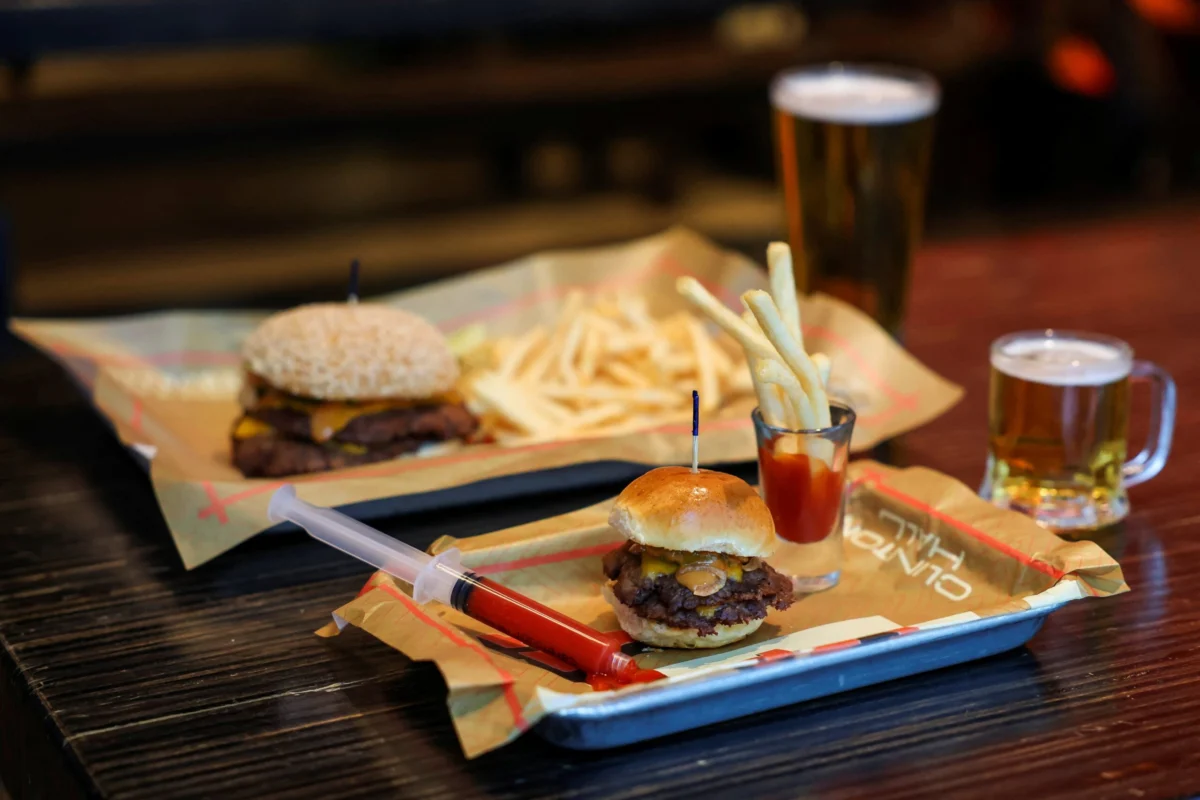
At Clinton Hall in New York City, the shift is visible on the plate. On December 8, 2025, the venue showcased its "Teeny Weeny Mini Meal"—a diminutive arrangement of a mini burger, mini fries, and a mini beer—positioned as a direct response to the shrinking appetites of a significant portion of the population. This isn’t just a culinary gimmick; it is a survival strategy. According to a November poll by the non-profit health policy tracker KFF, approximately one in eight American adults are currently prescribed a drug from the class of GLP-1 (glucagon-like peptide-1) agonists, such as semaglutide or tirzepatide.
The Biological and Economic Disruption
GLP-1 drugs function by mimicking a hormone that targets areas of the brain that regulate appetite and food intake. By slowing digestion and increasing satiety, these medications fundamentally alter the biological urge to consume. For the food industry, which has spent decades optimizing for "craveability" and volume, the consequences are stark. Data from KPMG indicates that adults utilizing GLP-1 treatments consume, on average, 21% fewer calories and spend nearly a third less on their weekly grocery bills.
The macro-economic implications are even more staggering. Analysts at JPMorgan estimate that the accelerating adoption of these medications could excise between $30 billion and $55 billion in annual sales from the food and beverage industry by 2030. With 18% of U.S. adults reporting they have taken a GLP-1 medication at some point, the addressable market for "reduced-calorie" living is expanding at a rate that traditional market forecasting has struggled to track.
This growth is being supercharged by a transition in delivery methods. While the early years of the GLP-1 craze were defined by weekly injections, the market is now flooded with oral alternatives. Novo Nordisk’s Wegovy pill launched in January 2025, and Eli Lilly is currently rolling out its own daily oral medication. By removing the "needle barrier," experts predict the user base will swell from 10 million in 2026 to more than 30 million by the end of the decade.
The Death of the Mindless Snack
The most immediate casualty of the GLP-1 era is the traditional snack. Historically, snacking has been one of the fastest-growing segments in the grocery sector, driven by convenience and emotional eating. However, a survey conducted by EY-Parthenon found that 70% of GLP-1 users who reduced their caloric intake specifically cut back on snacking.
"It is about the specific type of snack, but I do think they’re also snacking less," says Don K. Johnson, principal of strategy and execution for EY-Parthenon. "We see a definitive shift toward functional foods. Every calorie now has to work harder. Users are looking for more yogurt, nuts, and fruit, and significantly fewer chips or pretzels."
This shift is driven by clinical necessity. Rapid weight loss from GLP-1 drugs can lead to muscle mass depletion if protein intake is not prioritized. Consequently, the "GLP-1 diet" is characterized by a high demand for protein to maintain muscle, fiber to support gut health and digestion, and enhanced hydration to mitigate common side effects like nausea and headaches.
The Restaurant Re-Correction: Dinner and Breakfast Under Siege
The restaurant industry is feeling the pinch in specific day-parts. Approximately 60% of GLP-1 users report dining out less frequently. According to Dana Baggett, executive director of restaurant client strategy at RRD, the impact is not distributed evenly across the clock.
Lunch has remained relatively stable, often serving as a functional, controlled meal for workers. However, breakfast and dinner have taken significant hits. High-income users, who currently make up a disproportionate share of the GLP-1 patient base, are increasingly skipping sugary coffee drinks and breakfast pastries. Dinner, particularly in the fast-food sector, has seen traffic fall by roughly 6% among regular GLP-1 users.
"Dinner at a fast-food restaurant is often where the most caloric damage is done," Baggett notes. "As the number of consistent users grows, the pressure on dinner traffic will only intensify. This is an amazing opportunity for brands to start repositioning themselves toward what consumers now want: less sugar, higher protein, and a focus on fiber."
Even full-service restaurants are not immune. The EY-Parthenon survey found that 45% of users are drinking less alcohol—a high-margin category that many restaurants rely on for profitability. When users feel full faster, the "second drink" or the shared appetizer is often the first thing to be cut from the bill.
Big Food’s Strategic Pivot
Rather than panicking, industry giants are attempting to "innovate their way out" of the calorie deficit. PepsiCo CEO Ramon Laguarta recently told analysts that the trend offers more opportunities than threats. Pepsi has responded by releasing protein-fortified Doritos, relaunching Gatorade with enhanced hydration profiles, and unveiling fiber-rich varieties of SunChips and Smartfood popcorn.
Nestle has been even more aggressive. In 2024, the company launched "Vital Pursuit," a frozen-food brand specifically engineered for GLP-1 users. The packaging explicitly highlights protein and fiber content, and the portion sizes are calibrated for those with suppressed appetites. "It’s a big initiative for Nestle," says Nestle USA CEO Marty Thompson. "There will be products designed for GLP-1, and there will be companion products that support the lifestyle."
In the restaurant space, brands are experimenting with "right-sizing." Chipotle recently launched grab-and-go protein cups to cater to the snacking-as-a-meal trend. Darden Restaurants, the parent company of Olive Garden, introduced a "Lighter Portions" menu that downsizes classic entrees at a lower price point.
McDonald’s CEO Chris Kempczinski has also signaled that the Golden Arches are watching the trend closely. While touting existing protein options like the Quarter Pounder, Kempczinski noted that the company is experimenting with new menu items that account for the decrease in sugary beverage consumption and the rise in protein-first preferences.
The "Experiential" Defense
Some sectors believe they are insulated by the nature of their consumption. J&J Snack Foods, which owns Dippin’ Dots and Icee, makes the majority of its sales in "experiential" venues like theme parks, stadiums, and malls. CEO Dan Fachner argues that even those on GLP-1 drugs are likely to indulge during a special occasion or a family outing.
Nevertheless, J&J is not taking any chances. The company has challenged its product development teams to make their core products—pretzels, churros, and frozen novelties—more "GLP-1 friendly." This has resulted in the addition of protein to soft pretzels and the creation of "mini pops" for Luigi’s Italian Ice, which include added antioxidants and hydration benefits.
The Long-Term Outlook: A Cycle of Behavior
One of the most complex factors for the industry to navigate is the "cycling" of GLP-1 usage. Approximately 5% of users lapse in their treatment due to costs or side effects. Data suggests that after quitting the medication, consumers tend to maintain their new, smaller eating habits for only a few months before returning to higher caloric intakes.
"We don’t spend enough time talking about the fact that there may be a cycle of behaviors," says EY’s Johnson. "People going on and off the drugs creates a moving target for manufacturers. There is no ‘before’ and ‘after’—it’s a continuous process of adjustment."
As oral versions of the drug become the standard, the "injection stigma" will fade, likely bringing a more diverse demographic into the GLP-1 fold. This will shift the focus from high-income early adopters to the general population, making "GLP-1 friendly" options a requirement rather than a niche luxury.
The food industry is currently at a crossroads. The era of "more is more"—defined by supersized portions and high-fructose corn syrup—is being challenged by a pharmaceutical intervention that recalibrates the human brain’s relationship with food. Whether through "Teeny Weeny Mini Meals" or protein-packed snacks, the brands that survive will be those that learn to profit from a customer who is finally, for the first time in decades, full.