
 By admin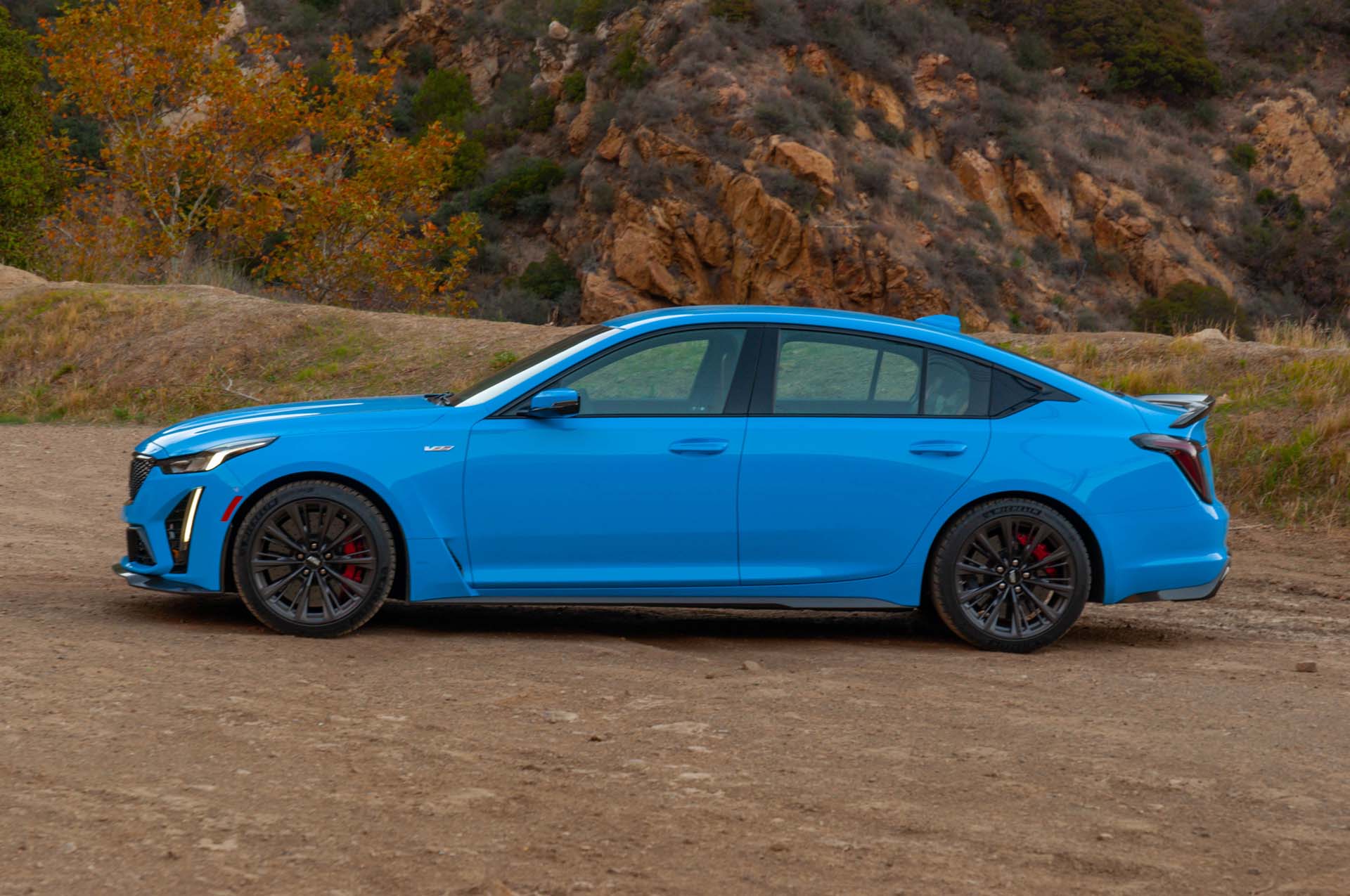
General Motors has initiated a significant safety recall impacting 90,081 Cadillac CT sedans and Chevrolet Camaro coupes, all equipped with the automaker’s advanced 10-speed automatic transmission. The urgent action comes in response to a critical defect in a transmission control valve that, over time, could lead to a momentary but potentially catastrophic lock-up of the vehicle’s wheels, posing a severe risk to driver and passenger safety. This disclosure, made public via the National Highway Traffic Safety Administration (NHTSA) on a recent Monday, underscores a serious concern for owners of these high-performance vehicles.
At the heart of this widespread issue lies a specific transmission control valve unique to the 10-speed automatic gearbox. Engineers have identified that these valves are prone to excessive wear over prolonged use. As this wear progresses, it leads to an eventual loss of hydraulic pressure within the valve assembly, a crucial component in the transmission’s precise operation. The immediate consequences for drivers can manifest as harsh and erratic gear shifts, disrupting the smooth power delivery expected from these sophisticated transmissions. More alarmingly, and as GM’s internal investigations have confirmed, this pressure loss can, "in rare cases," result in the vehicle’s wheels momentarily locking up while in motion. Such an event, even if fleeting, can cause a sudden loss of vehicle control, significantly increasing the risk of a crash, particularly at higher speeds or during maneuvers.
The recall specifically targets vehicles exclusively equipped with the 10-speed automatic transmission. While the comprehensive list of affected vehicles was not fully detailed in the initial disclosure, it encompasses specific Cadillac CT sedans—namely the CT4 and CT5 variants—and the iconic Chevrolet Camaro coupe. These models represent a significant portion of GM’s performance lineup, known for their powerful engines and dynamic driving characteristics, which makes the transmission flaw particularly concerning for their enthusiast owners. The 10-speed automatic transmission itself is a product of a collaborative effort between GM and Ford, designed to optimize both performance and fuel efficiency through a wide range of gear ratios. Its widespread adoption across various high-volume and performance models highlights the scale of this potential defect.
A particularly unsettling aspect of this defect is its indiscriminate nature regarding drive configuration. Even though the Cadillac and Chevrolet models involved are primarily rear-wheel-drive based, many Cadillac CT sedans can be optioned with an all-wheel-drive system. GM’s findings indicate that the wheel lock-up condition is not confined to the driven wheels but can affect either the front or rear axles, or even both simultaneously. One alarming incident cited in the recall documentation involved a Cadillac CT5 driver experiencing both front wheels locking up while the vehicle was in motion. This critical failure caused the transmission to default to neutral, necessitating the replacement of both the engine and the front differential – a testament to the severity of the forces involved and the potential for extensive mechanical damage, let alone the immediate danger to the occupant.
GM’s internal monitoring and analysis identified a substantial pattern of concern prior to issuing the recall. The automaker recorded 115 separate reports of wheel lock-up incidents related to this specific transmission issue. Disturbingly, one reported crash has been linked directly to the defect, underscoring the tangible safety risks. Recognizing the financial burden and inconvenience this flaw may have imposed on its customers, GM has committed to reimbursing owners who have already incurred out-of-pocket expenses for repairs related to this transmission issue. This commitment aligns with standard recall procedures, aiming to mitigate the impact on affected consumers.
The proposed recall fix for this complex issue is both innovative and, as described, "curious and specific." Rather than requiring a full transmission overhaul or the replacement of the faulty physical valve, GM dealers will primarily implement a new software update for the transmission control module (TCM). This updated software is designed to serve as an advanced diagnostic and mitigation system. It will continuously monitor the performance of the transmission control valve, specifically looking for indicators of excessive wear. Critically, this software is engineered to detect such wear approximately 10,000 miles before a complete wheel lock-up condition is predicted to occur, providing a significant safety buffer and early warning for drivers.

Once the new software detects excessive wear in the valve, it will trigger a series of warnings and protective measures. Drivers will observe a service engine light illuminating on their instrument cluster, accompanied by "reduced propulsion" messages, signaling a degradation in the vehicle’s operational capacity. Concurrently, the vehicle’s performance will become noticeably sluggish, matching these warnings. In an effort to prevent the dangerous wheel lock-up, the transmission will be capped at fifth gear. This "limp home" mode is intended to allow the driver to safely navigate the vehicle to a service center without risking the critical defect. The software’s current design implies that this fifth-gear cap will reset upon the next vehicle start, which could allow a driver to temporarily bypass the mitigation. However, ignoring these persistent warnings and driving repeatedly in a reduced propulsion state could lead to longer-term engine trouble due to increased strain and sub-optimal operating conditions, emphasizing the urgency for owners to seek service immediately after the warning appears. Subsequent model years of these vehicles have already been equipped with this updated software, suggesting GM’s engineers identified and addressed the potential for undue wear in later production runs.
The decision to implement a software-based solution rather than a mechanical replacement for the worn valve raises pertinent questions about the long-term efficacy and nature of the fix. While the software provides an early warning and a temporary mitigation strategy, it does not inherently rectify the underlying mechanical wear of the valve itself. This approach suggests that the primary goal of the recall is to prevent the most dangerous symptom—wheel lock-up—by alerting the driver and limiting the transmission’s function, thereby prompting a necessary service intervention where the mechanical issue can be properly addressed. The complexity of modern transmissions, particularly multi-speed units like the 10-speed automatic, relies heavily on precise hydraulic pressures and sophisticated electronic controls. A worn valve directly impacts this hydraulic integrity, and while software can monitor and react, a physical component may ultimately require replacement to ensure complete resolution and restore optimal performance.
The recall highlights the evolving landscape of automotive technology, where software plays an increasingly critical role not just in vehicle operation but also in safety diagnostics and recall strategies. High-performance vehicles like the Cadillac CT series and the Chevrolet Camaro push the boundaries of engineering, demanding precise control and robust components. The GM-Ford 10-speed automatic, celebrated for its smooth shifts and efficiency, exemplifies this complexity. Yet, even in such advanced systems, manufacturing tolerances or design characteristics can lead to unforeseen wear patterns under real-world conditions, necessitating these types of large-scale corrective actions. The ability to detect impending mechanical failure through software, as demonstrated by this recall, represents a significant step forward in predictive maintenance and safety, albeit one that still requires driver vigilance and timely mechanical intervention.
Owners of affected vehicles can expect to receive official notification by mail, with the initial wave of communications scheduled to commence as early as April 21. However, GM has indicated that the fix will be implemented in a phased approach, meaning that some vehicle owners might not have the necessary remedy immediately available by the initial notification date. Upon receiving their recall notice, owners will be instructed to schedule an appointment with an authorized GM service center for the transmission control module software installation. This service will be performed free of charge.
For any questions or to obtain further information regarding this recall, Cadillac owners are encouraged to contact Cadillac customer service directly at 1-800-333-4223. Similarly, Chevrolet owners can reach Chevrolet customer service at 1-800-222-1020. Additionally, owners can visit GM’s dedicated recall website at experience.gm.com/ownercenter/recalls to check their vehicle’s specific recall status by entering their Vehicle Identification Number (VIN). The National Highway Traffic Safety Administration (NHTSA) also maintains a comprehensive public database of all vehicle recalls on its website, providing another avenue for owners to verify their vehicle’s status and access detailed information.
This recall serves as a potent reminder of the paramount importance of vehicle safety and the continuous efforts by regulatory bodies like NHTSA and manufacturers to address potential defects. While the 10-speed automatic transmission offers impressive performance, the risk of momentary wheel lock-up is a severe safety hazard that requires immediate attention. Owners are strongly advised to heed all recall notices and promptly bring their vehicles to a GM service center to have the software update installed. Prioritizing this recall service is crucial not only for their own safety but also for the safety of others on the road, ensuring that these powerful machines remain both exhilarating and reliably secure. The incident underscores the ongoing challenge for the automotive industry to balance cutting-edge innovation with an unwavering commitment to occupant safety and vehicle reliability.