
 By admin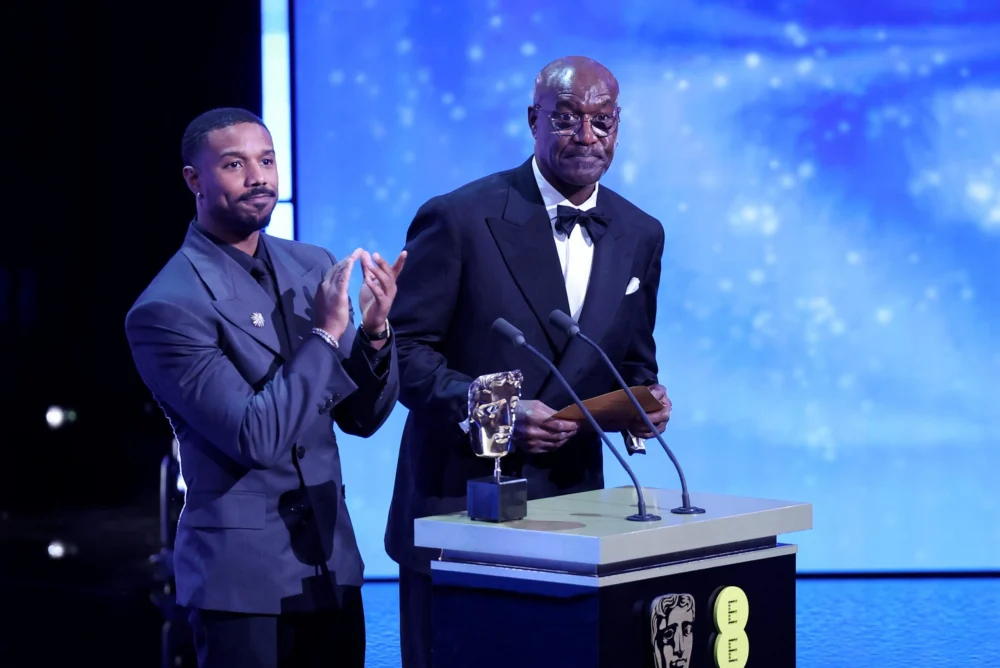
In a move that has sent ripples of concern through the digital landscape and amplified the ongoing discourse surrounding a racially charged incident at the recent BAFTA Film Awards, Google issued a sincere apology on Tuesday for dispatching an "offensive notification" that inadvertently included a racial slur. The notification, which was reportedly received by a "very small subset" of the tech giant’s app users who subscribe to push notifications, has ignited further debate and underscored the complex challenges of content moderation and algorithmic bias in the age of artificial intelligence.
Contrary to some initial, erroneous reports, Google has vehemently clarified that the deeply regrettable inclusion of the N-word in the notification was not a direct consequence of a system error involving artificial intelligence. Instead, the company explained in a statement to Variety, the issue stemmed from a failure of the system’s safety filters to correctly identify and flag a euphemism for an offensive term present on several web pages. In a cascading error, these filters then "accidentally applied the offensive term to the notification text." This intricate explanation highlights a critical vulnerability in automated content analysis, where nuanced language and euphemisms can slip through the cracks, leading to unintended and harmful outputs.
The notification in question was designed to alert users to an article published by The Hollywood Reporter, bearing the headline, "How the Tourette’s Fallout Unfolded at the BAFTA Film Awards." Google’s notification, however, appended the phrase "See more on," immediately followed by the N-word, creating a jarring and offensive juxtaposition that linked a discussion of a real-world controversy directly to a racial slur. This particular error underscores the delicate balance required in summarizing and disseminating information, especially when dealing with sensitive and historically charged language. The decision to include the N-word, even if through an algorithmic misstep, has drawn sharp criticism and reignited discussions about the responsibilities of major technology platforms in curating and delivering content.
A Google spokesperson, in a statement released on Tuesday, expressed profound regret for the incident. "We’re deeply sorry for this mistake," the spokesperson stated. "We’ve removed the offensive notification and are working to prevent this from happening again." This commitment to rectification and future prevention, while necessary, comes at a time when public trust in the efficacy of AI and content moderation systems is already under scrutiny. The company’s assurance that it is actively working to prevent recurrence is a crucial step, but the incident itself serves as a stark reminder of the ongoing evolution and inherent complexities of ensuring digital safety and inclusivity.
The notification controversy is inextricably linked to the ongoing fallout from Sunday’s BAFTA Film Awards ceremony. During the prestigious event, a distressing incident occurred when Tourette’s syndrome activist John Davidson involuntarily shouted the N-word while actors Michael B. Jordan and Delroy Lindo were on stage presenting an award. The moment, captured and aired without explicit editing, has since become a focal point of intense discussion regarding the portrayal of involuntary outbursts, the impact of Tourette’s syndrome on public discourse, and the enduring power and pain associated with racial slurs. The fact that this sensitive moment was broadcast to a wide audience, and subsequently amplified by a major tech platform’s misstep, has amplified the emotional and societal ramifications.
In the wake of the BAFTA incident, BAFTA itself has acknowledged the gravity of the situation. In a letter addressed to BAFTA members, sent on Tuesday, BAFTA Chair Sara Putt and CEO Jane Millichip addressed the incident directly. Their communication conveyed a clear intent to "acknowledge the harm this has caused, address what happened and apologise to all." Furthermore, they announced that a "comprehensive review" into the events of the night is now underway. This internal review by BAFTA is critical for understanding how such an incident occurred and for implementing measures to prevent future occurrences. The parallel apology from Google, though for a different but related reason, highlights the interconnectedness of media, technology, and societal sensitivities in the modern era.
The incident at the BAFTA Awards, and Google’s subsequent notification error, serve as powerful case studies in the challenges of managing sensitive content in a digitally saturated world. The involuntary utterance of the N-word by John Davidson, while framed as a symptom of Tourette’s syndrome, has inevitably brought to the forefront the deeply ingrained historical context and offensive power of the slur. For many, the involuntary nature of the outburst does not mitigate the profound harm and offense it can cause, particularly to Black individuals and communities who have historically been subjected to racial discrimination and violence. The decision by the BAFTA organizers to air the moment without editing has also been a point of contention, with some arguing for a more sensitive approach to broadcasting such potentially triggering content, while others emphasize the importance of transparency and accurately representing events as they unfold, even when uncomfortable.
The role of technology platforms like Google in this unfolding narrative is multifaceted. On one hand, they serve as vital conduits for information, democratizing access to news and events. On the other, they wield immense power in shaping public perception and disseminating content, making their content moderation policies and algorithmic accuracy paramount. Google’s explanation of its safety filter failure, while technical, points to a broader challenge: the difficulty of teaching AI to understand the complex, often subtle, and context-dependent nature of human language, especially when it intersects with deeply sensitive historical and social issues. The fact that a euphemism, a word or phrase used to avoid saying something unpleasant or offensive, could be misinterpreted and lead to the inclusion of the actual offensive term is a testament to the limitations of current AI capabilities in grasping human nuance and intent.
Experts in AI ethics and natural language processing have long warned about the potential for algorithmic bias and misinterpretation. Dr. Anya Sharma, a leading researcher in AI and society, commented on the Google incident, stating, "This is a clear example of how AI systems, while powerful, can lack the sophisticated contextual understanding that humans possess. The N-word is not just a string of letters; it carries immense historical weight and emotional baggage. For an algorithm to misinterpret a euphemism and then erroneously apply the slur highlights the ongoing need for robust ethical frameworks and continuous human oversight in AI development and deployment." She further emphasized that the issue is not necessarily about malicious intent on the part of the AI, but rather about the inherent limitations of current machine learning models in comprehending the full spectrum of human communication and its societal implications.
The incident also brings into sharp focus the ongoing debate about freedom of speech versus the need for a safe and inclusive online environment. While platforms are often reluctant to overtly censor content, the potential for harm from offensive language, whether intentionally or unintentionally disseminated, cannot be ignored. Google’s apology and commitment to improvement are necessary steps, but the incident serves as a catalyst for a deeper examination of the technological and ethical safeguards that are in place to protect users from offensive content.
The comprehensive review being undertaken by BAFTA is also crucial. It is imperative that such reviews go beyond mere damage control and delve into the underlying systemic issues that allowed the incident to occur. This could involve examining broadcasting protocols, diversity and inclusion training for staff and presenters, and the ethical considerations of airing potentially distressing content. The involvement of Tourette’s syndrome advocacy groups in this review process would also be vital to ensure that the condition is understood and discussed with sensitivity and accuracy, without resorting to sensationalism or perpetuating harmful stereotypes.
In conclusion, the Google notification incident, inextricably linked to the BAFTA Awards controversy, serves as a potent reminder of the complex interplay between technology, media, and societal sensitivities. While Google has apologized and pledged to prevent future errors, the event underscores the critical need for continuous vigilance, ethical development of AI, and a nuanced understanding of language and its impact. The ongoing discourse initiated by both the BAFTA Awards and Google’s subsequent misstep highlights the persistent challenges in navigating a digital landscape that is increasingly shaped by algorithms, and the enduring importance of human empathy, accountability, and a commitment to fostering a more inclusive and respectful online and offline world. The path forward demands not only technological solutions but also a deeper societal engagement with issues of race, prejudice, and the responsible dissemination of information in an interconnected age.