
 By Rifan Muazin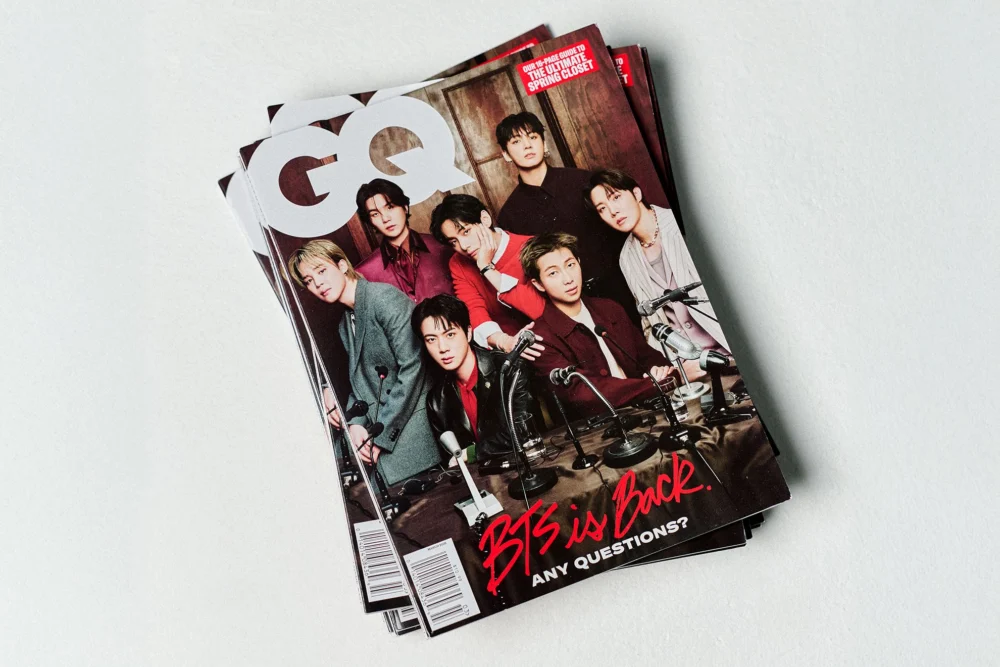
In an era where the digital landscape moves at the speed of a scrolling thumb, the tactile world of print media is undergoing a radical, high-stakes transformation. GQ, the definitive voice in men’s style and culture for over six decades, has officially announced a pivot that signals a profound shift in how luxury media is consumed. For the first time in a generation, the magazine is intentionally "bulking up," trading the high-frequency cadence of the past for a more substantial, premium physical presence. This evolution is not merely a change in page count; it is a strategic repositioning of the magazine as a collectible object of art, a move that defies the prevailing narrative of print’s decline by leaning into the very qualities that digital cannot replicate: weight, texture, and permanence.
The most immediate change for regular subscribers and newsstand browsers is the physical "heft" of the publication. The new GQ is described by its editorial leadership as "sturdier" and "bigger of bone," a deliberate departure from the leaner, sometimes "anemic" feel that had begun to characterize the monthly print cycle. To achieve this more robust physique, the magazine is upgrading its production values across the board. This includes the transition to a thicker, higher-quality paper stock—a move that enhances the color depth of high-fashion photography and provides a sensory experience that resonates with the luxury brands that populate its pages. By increasing the number of pages per issue, the publication is effectively transforming from a monthly periodical into a bi-monthly "mook"—a hybrid between a magazine and a book.
To facilitate this increase in quality and volume, GQ is adjusting its publication schedule from eight issues per year to six. This reduction in frequency is a calculated gamble, rooted in the reality of the modern media ecosystem. In the "always-on" era of digital-first publishing, the concept of "frequency" has been redefined. GQ.com and its various social media platforms operate on a minute-by-minute basis, delivering news, trend reports, and celebrity profiles in real-time. In this context, the role of a physical magazine is no longer to provide the latest news, but to provide the ultimate curation. The editorial team, led by Editor-in-Chief Will Welch, has long advocated for this shift, arguing that if GQ is to remain the ultimate arbiter of luxury and taste, the physical act of reading the magazine must itself feel like a luxurious experience.

This "premiumization" of print is a trend observed across the Condé Nast portfolio and the wider publishing industry. As advertising dollars have shifted toward digital and social video, the revenue model for print has evolved to favor high-end, "lean-back" reading experiences that attract affluent demographics. By becoming more substantial and less frequent, GQ aligns itself with the "slow media" movement, offering a curated respite from the digital firehose. This strategy is also a response to the "Amazon-ification" of the newsstand; when consumers do buy a physical magazine today, they are often looking for a keepsake or a deep-dive experience rather than a quick flip-through.
The content within these thicker volumes is also being reimagined to match the new format. One of the most anticipated editorial shifts is the return of the "What to Wear Now" section, a beloved fixture from the GQ Style era. This move signals a return to the magazine’s roots in hardcore sartorial expertise, catering to a "style-conscious" audience that values specific, expert-driven advice. Furthermore, each issue will now feature a comprehensive, "honking" service guide. These guides are designed to be definitive resources for the modern man, covering everything from building a foundational spring/summer wardrobe to navigating the complex social and style codes of the summer wedding season. This commitment to "service journalism" ensures that the magazine remains an indispensable tool for self-improvement and personal branding.
The timing of this relaunch is punctuated by the March issue, which features a global icon who embodies the magazine’s new direction: Jungkook of BTS. The choice of a K-pop powerhouse as the cover star for this "sturdier" era is no coincidence. In the current cultural climate, few fanbases value physical media as much as those in the K-pop world, where magazines, photo books, and physical albums are treated as sacred artifacts. By featuring Jungkook—photographed by the renowned Tyrell Hampton—GQ is not only capturing a moment of peak cultural relevance but also tapping into a global market that views the magazine as a collectible item rather than a disposable commodity. The high-resolution imagery and expanded editorial features allowed by the new paper stock provide the perfect canvas for such high-profile collaborations.
Beyond fashion and celebrity, the new GQ is also expanding its lifestyle coverage to include the intersection of technology, fitness, and science. The editorial team has hinted at upcoming deep dives into modern fitness science, utilizing the expanded page count to provide long-form analysis of biohacking, advanced workout tech, and the evolving psychology of wellness. This holistic approach to masculinity—covering everything from the cut of a suit to the efficiency of a metabolic workout—reflects the multifaceted nature of the modern man. It acknowledges that style is not just about what one wears, but how one lives, thinks, and takes care of one’s body.

From an industry perspective, GQ’s move is a bold assertion of confidence in the enduring power of the printed word. While many publications have shuttered their print editions entirely to go digital-only, GQ is doubling down on the physical. This strategy recognizes that in a world of infinite, ephemeral digital content, scarcity and quality are the ultimate luxuries. A thicker, more beautiful magazine that arrives six times a year becomes an event—a "drop" in the parlance of modern streetwear culture—rather than a routine delivery. It creates a sense of anticipation and ensures that when the magazine does arrive, it demands the reader’s full, undivided attention.
The economic logic behind the shift is equally compelling. By reducing the number of issues, the publisher can significantly cut down on distribution and mailing costs, which have skyrocketed in recent years. These savings are then reinvested into the product itself—the paper, the ink, and the high-end photography—creating a virtuous cycle of quality. For advertisers, particularly those in the luxury sector like LVMH, Kering, and Richemont, the new format offers a more prestigious environment for their campaigns. A thick, high-quality magazine is more likely to sit on a coffee table for months, providing a longer "shelf life" for advertisements compared to a digital banner that vanishes in seconds.
Furthermore, this transformation reflects the editorial philosophy of Will Welch, who has steered GQ toward a more progressive, high-fashion, and culturally integrated identity since taking the helm in 2019. Under his leadership, GQ has moved away from the "lad mag" tropes of the early 2000s, embracing a more nuanced and diverse definition of masculinity. The new, "bulkier" GQ is the physical manifestation of this vision—a magazine that is confident enough to slow down, take up space, and demand a higher level of engagement from its audience.
As the March issue hits newsstands and mailboxes, it serves as a litmus test for the future of luxury publishing. The initial reaction from the fashion community and the "Army" of BTS fans suggests that the demand for high-quality, physical artifacts remains strong. By embracing its new "physique," GQ is not just surviving the digital age; it is attempting to master it by offering the one thing the internet cannot: a tangible, weighted, and beautifully curated slice of the cultural zeitgeist. The message is clear: GQ is looking and feeling more like itself than it has in years, and it is inviting its readers to join in this new era of robust, unapologetic style. The magazine’s commitment to "helping you get there too" through its expanded service guides and expert curation suggests that while the frequency of the magazine may have decreased, its impact and authority are poised to reach new heights. This is a big moment for GQ, and for the world of print media, it may well be the blueprint for a sustainable and luxurious future.