
 By Titik Puspa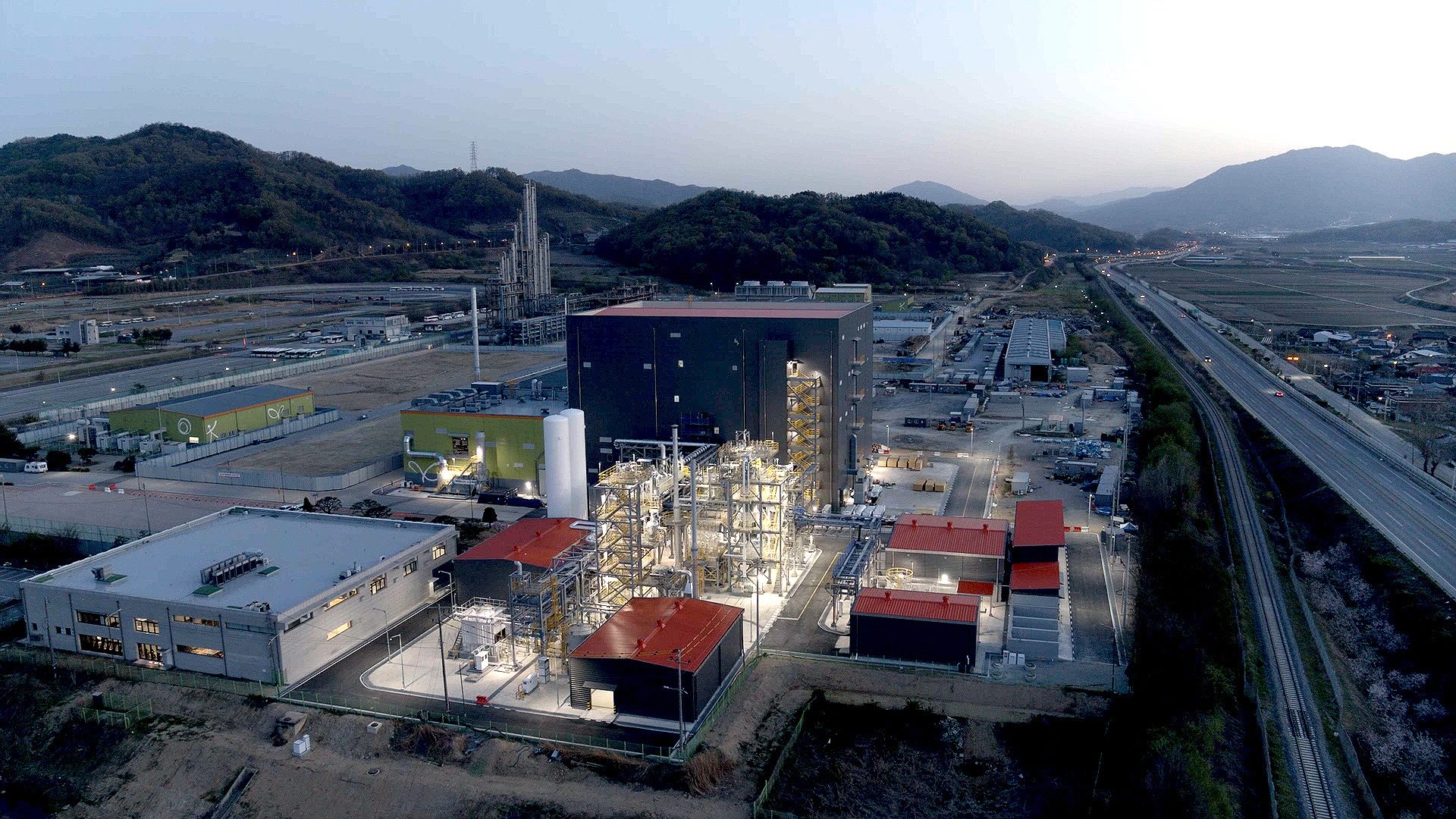
The long-anticipated era of silicon anode batteries, a technology poised to redefine energy storage for electric vehicles (EVs) and power-hungry smartphones, is rapidly accelerating. For years, drivers dreaming of lightning-fast charging and EVs with unprecedented range, alongside users of high-performance portable electronics, have eagerly awaited the widespread adoption of silicon anodes. These advanced battery components promise a dramatic leap in energy density, allowing for smaller, lighter batteries that store more power, and a significant reduction in charging times, potentially transforming the user experience.
The promise of silicon anodes isn’t a nascent one; the technological groundwork has been laid over the past decade by numerous pioneering companies. While the EV market represents the ultimate prize, dwarfing consumer electronics by an order of magnitude in terms of demand according to industry analysts at Benchmark Minerals, the technology has already begun to subtly infiltrate our daily lives. Wearable fitness tracker manufacturer Whoop, for instance, leverages materials sourced from Sila, a company at the forefront of silicon anode development. Similarly, Group14, a key player in this burgeoning field, has seen its innovative battery materials integrated into a range of contemporary smartphones, offering users enhanced battery life and faster charging capabilities. However, the true paradigm shift hinges on scaling production to meet the colossal demands of the automotive sector.
To achieve this critical scaling, Group14 announced a significant milestone: the commencement of production at its BAM-3 factory in the industrial heartland of South Korea. This state-of-the-art facility boasts an impressive annual capacity of 2,000 metric tons of silicon battery materials. This output is substantial enough to power approximately 10 gigawatt-hours of energy storage, translating directly to the needs of around 100,000 long-range electric vehicles. This strategic expansion marks a pivotal moment for Group14 and, by extension, the entire battery industry.
"It’s a big deal for us, and I think it’s a big deal for the industry, too," stated Rick Luebbe, co-founder and CEO of Group14, in an exclusive interview with TechCrunch. His sentiment underscores the profound implications of this manufacturing ramp-up. The BAM-3 facility itself represents a strategic collaboration, initially conceived as a joint venture between Group14 and SK, a prominent South Korean battery manufacturer. While SK initially held a 75% stake in the project, Group14 strategically acquired SK’s share last summer, a move Luebbe explained was influenced by evolving market dynamics.
"SK has had their own challenges – financial and reprioritizing their battery and battery materials strategies all at the same time," Luebbe elaborated. "It did open up a great opportunity for us to acquire it from SK." This acquisition solidified Group14’s control over a crucial manufacturing asset, enabling them to accelerate their ambitious production goals and solidify their position as a leader in silicon anode technology.
The fruits of Group14’s labor are already finding their way into the development pipelines of various industry leaders. The startup has forged partnerships with a diverse array of companies, including Porsche’s dedicated battery division, Cellforce Group, the fast-charging battery innovator StoreDot, battery manufacturer Molicel, and the advanced materials developer Sionic. Porsche’s commitment to Group14’s technology is further evidenced by its investment in the company through its venture capital arm, signaling strong confidence in the future of silicon anode integration within high-performance vehicles.
The fundamental advantage of silicon anodes lies in their inherent electrochemical properties compared to the incumbent anode material: carbon. While graphite anodes, the standard in most modern lithium-ion batteries, perform adequately, they possess a significant limitation. Silicon, in contrast, has the theoretical capacity to store up to ten times more lithium ions than graphite. This vastly superior ion storage capability is the key to unlocking higher energy densities, meaning more energy can be packed into a given volume or weight. However, the widespread adoption of pure silicon anodes has been hampered by a persistent engineering challenge: durability. Pure silicon is prone to significant volumetric expansion and contraction during the charging and discharging cycles. This swelling and shrinking can lead to mechanical stress, causing the anode material to crack, crumble, and ultimately degrade rapidly, rendering it unsuitable for the thousands of charge cycles required for long-lasting batteries in EVs and consumer electronics.
Group14’s innovative solution to this vexing durability problem lies in its proprietary "hard carbon scaffold" technology. This ingenious design involves creating a robust, porous scaffold made of hard carbon. Within this intricate framework, minuscule silicon particles are precisely embedded and held in place. This structural integrity prevents the silicon from undergoing excessive swelling and crumbling during operation. Furthermore, the scaffold is engineered with nanoscale pores, facilitating the unimpeded flow of lithium ions and electrons, crucial for efficient electrochemical reactions. This carefully designed architecture not only enhances durability but also significantly contributes to the anode’s ability to charge rapidly without compromising its structural integrity or lifespan.
The impact of Group14’s silicon anode technology is already being realized by its customers. Some, like Sionic, are reporting substantial improvements in energy density, with their silicon anode-enhanced batteries achieving up to a 50% boost. This translates to EVs with longer ranges or devices that can operate for extended periods on a single charge. Other partners, such as Molicel, are focusing on harnessing silicon’s remarkable fast-charging potential. Molicel has demonstrated a design that can take a battery from a completely depleted state to a full charge in an astonishingly short 90 seconds.
This level of rapid charging capability has the potential to fundamentally disrupt the EV market. The implications are so profound that industry observers, including Luebbe, are convinced that Chinese EV giant BYD is already implementing silicon-carbon technology in its latest battery advancements. BYD recently unveiled a new battery pack that boasts a "flash charge" capability, allowing it to charge from 10% to 70% in a mere five minutes. "It has to be," Luebbe asserted, highlighting the critical role of silicon-carbon in achieving such speeds.
The widespread availability of such rapid charging infrastructure for EVs would effectively consign "range anxiety" to the annals of automotive history. Currently, automakers strive to offer 300 to 400 miles of range primarily to assuage consumer fears about running out of power. However, achieving these extended ranges often necessitates the inclusion of larger, heavier, and more expensive battery packs. The advent of flash charging, capable of delivering substantial driving range in mere seconds, would liberate car manufacturers from this constraint. They could then design slimmer, lighter, and more cost-effective battery packs, leading to more affordable and efficient EVs.
"I’ve got a Rivian with a 130 kilowatt-hour battery in it, which is ungodly expensive," Luebbe remarked, illustrating the current cost implications of large battery packs. However, he posited that with the advent of flash charging, even seemingly futuristic concepts like inductive charging at traffic lights, which currently appear outlandish, could become a practical reality. "You’d never think about charging ever again," he envisioned, painting a picture of a future where charging is as seamless and unobtrusive as driving itself. This technological leap could fundamentally alter the user experience of EV ownership, making it as convenient, if not more so, than refueling a gasoline-powered vehicle. The ripple effects of this advancement extend beyond consumer vehicles, potentially influencing the design and deployment of electric buses, trucks, and other forms of electric transportation, accelerating the global transition to a sustainable mobility ecosystem. The integration of silicon anodes is not just an incremental improvement; it represents a foundational shift in battery technology, unlocking new possibilities and accelerating the electrification of our world.