
 By Lina Irawan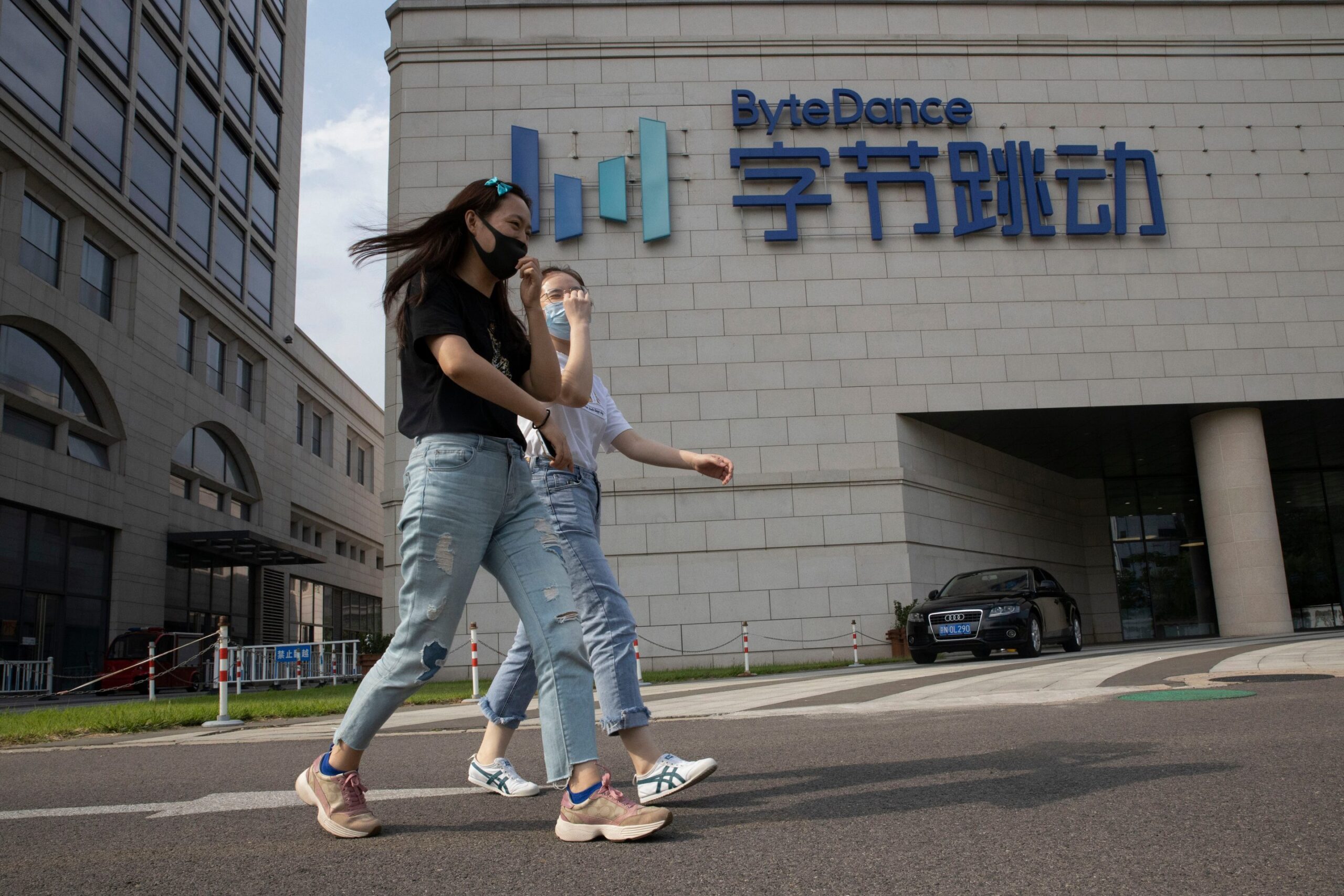
A new artificial intelligence video generator, Seedance 2.0, developed by Beijing-based ByteDance, the prolific creator behind the global social media phenomenon TikTok, has ignited a firestorm of condemnation from Hollywood organizations. These influential bodies are vehemently asserting that the nascent AI tool blatantly violates established copyright laws and exploits the likeness of actors and other creative professionals without consent or authorization, posing an existential threat to the entertainment industry’s foundational principles.
Seedance 2.0, currently accessible exclusively within China, represents a significant leap in generative AI capabilities, allowing users to craft high-quality, complex video content from mere text prompts. This technological advancement, while impressive, has been met with immediate and widespread scorn from the American movie and television industry, which views it not as innovation but as an egregious act of intellectual property theft and a direct assault on human creativity.
The Motion Picture Association (MPA), the powerful trade group representing the major Hollywood film studios, issued a scathing indictment, declaring that Seedance 2.0 "has engaged in unauthorized use of U.S. copyrighted works on a massive scale." Charles Rivkin, chairman and CEO of the MPA, did not mince words in his statement on Tuesday. "By launching a service that operates without meaningful safeguards against infringement, ByteDance is disregarding well-established copyright law that protects the rights of creators and underpins millions of American jobs. ByteDance should immediately cease its infringing activity," Rivkin asserted, underscoring the severity of the perceived transgression and the economic implications for the American creative workforce.
The outrage extends beyond corporate statements, resonating deeply with individual creators who fear for their livelihoods. Screenwriter Rhett Reese, known for his work on the highly successful "Deadpool" movies, articulated a profound sense of despair on X (formerly Twitter) last week. "I hate to say it. It’s likely over for us," Reese posted, a sentiment that captured the pervasive anxiety gripping the creative community. His comment was a direct response to a viral video shared by Irish director Ruairí Robinson, which showcased a chilling demonstration of Seedance 2.0’s capabilities: an AI-generated clip depicting strikingly realistic versions of Hollywood megastars Tom Cruise and Brad Pitt engaging in a fight within a post-apocalyptic wasteland. This particular example vividly illustrates the core concern: the AI’s ability to convincingly replicate not just styles or scenarios, but the very personas and images of living, working actors without their permission.
Adding its formidable voice to the chorus of criticism, the Screen Actors Guild – American Federation of Television and Radio Artists (SAG-AFTRA), the union representing over 160,000 actors, broadcasters, and media professionals, released a statement on Friday expressing its unwavering solidarity with the studios. "SAG-AFTRA stands with the studios in condemning the blatant infringement" enabled by Seedance 2.0, the union declared. Their statement further highlighted the direct impact on their members: "The infringement includes the unauthorized use of our members’ voices and likenesses. This is unacceptable and undercuts the ability of human talent to earn a livelihood." The union’s words carry particular weight, coming on the heels of the historic 2023 Hollywood strikes, where safeguarding against unchecked generative AI was a central and fiercely debated demand. SAG-AFTRA emphasized, "Seedance 2.0 disregards law, ethics, industry standards and basic principles of consent. Responsible AI development demands responsibility, and that is nonexistent here."
The crux of Hollywood’s grievance lies in the widely accepted premise that generative AI models, to achieve their sophisticated output, are typically trained on vast datasets of existing media—images, videos, text, and audio—much of which is copyrighted material. Without explicit licensing agreements or permission from the rights holders, the use of such data for commercial AI training is seen as a form of mass-scale copyright infringement. The ability of Seedance 2.0 to generate recognizable actors like Tom Cruise and Brad Pitt strongly suggests that their likenesses, or data derived from their performances, were part of the training data without their consent, infringing upon their publicity rights and the control over their own images and voices.
ByteDance, in response to the escalating criticism, issued a statement on Sunday, attempting to assuage fears while maintaining its commitment to innovation. The company stated that it "respects intellectual property rights" and acknowledged, "(We) have heard the concerns regarding Seedance 2.0. We are taking steps to strengthen current safeguards as we work to prevent the unauthorized use of intellectual property and likeness by users." However, critics are likely to scrutinize the nature and effectiveness of these "safeguards." The fundamental question remains whether ByteDance will address the origin of its training data and implement mechanisms that genuinely prevent infringement at the source, rather than merely attempting to police user-generated content after the fact.
The controversy surrounding Seedance 2.0 is not an isolated incident but rather the latest flashpoint in a burgeoning global conflict between rapidly advancing generative AI technology and the creative industries. For over a year, artists, writers, musicians, and actors have been vocal about the existential threat posed by AI models that can mimic human creativity, often without attributing or compensating the original creators whose work formed the AI’s "knowledge base." Lawsuits have already been filed against other AI developers, such as Stability AI (by Getty Images) and OpenAI (by various authors), alleging similar mass copyright infringement in the training of their models.
The global nature of ByteDance, a Chinese company with immense technological capabilities and a track record of disrupting industries (as seen with TikTok), adds another layer of complexity. While Seedance 2.0 is currently confined to China, the global reach of ByteDance and the borderless nature of digital content raise concerns about potential future expansion or the influence of its technology on the international AI landscape. The enforcement of U.S. copyright law against a foreign entity operating predominantly within its own jurisdiction presents significant legal and diplomatic challenges.
For Hollywood, the stakes are incredibly high. The industry is a massive economic engine, supporting millions of jobs directly and indirectly, from writers and actors to set designers, camera operators, and visual effects artists. Generative AI tools like Seedance 2.0 threaten to automate or significantly reduce the need for many of these human roles. Actors fear their digital twins could be created and used indefinitely without further compensation, while screenwriters worry about AI generating scripts that devalue human storytelling. The fear is not just about direct job displacement but also about the erosion of creative control, fair compensation, and the very concept of artistic ownership.
The debate also highlights the current vacuum in comprehensive global regulations for generative AI. While the European Union has passed its landmark AI Act, and discussions are ongoing in the U.S. Congress and the Copyright Office, the pace of technological development far outstrips the speed of legislative action. This regulatory lag allows companies like ByteDance to launch powerful AI tools into a largely uncharted legal and ethical territory.
Experts suggest that potential solutions could involve mandatory licensing frameworks, where AI developers would pay for the right to train their models on copyrighted works, akin to how music licensing operates. Another proposed measure includes "opt-out" mechanisms for creators who do not wish their work to be used for AI training, and digital watermarking to identify AI-generated content. However, implementing such systems globally and ensuring compliance remains a formidable challenge.
The call for "responsible AI development" from SAG-AFTRA encapsulates the broader demand from the creative community: that innovation must proceed with ethical considerations, transparency, and respect for human rights and intellectual property at its core. ByteDance’s promise to "strengthen current safeguards" will be closely watched, as the global entertainment industry grapples with what many perceive as an unprecedented threat to its very foundations. The conflict over Seedance 2.0 is not just a legal skirmish; it is a battle for the future of creativity, human labor, and the economic models that have long sustained the world’s most influential storytelling machine. The outcome of this confrontation could set crucial precedents for how AI integrates with, or irrevocably transforms, the creative landscape for decades to come.