
 By Isnaini Azizah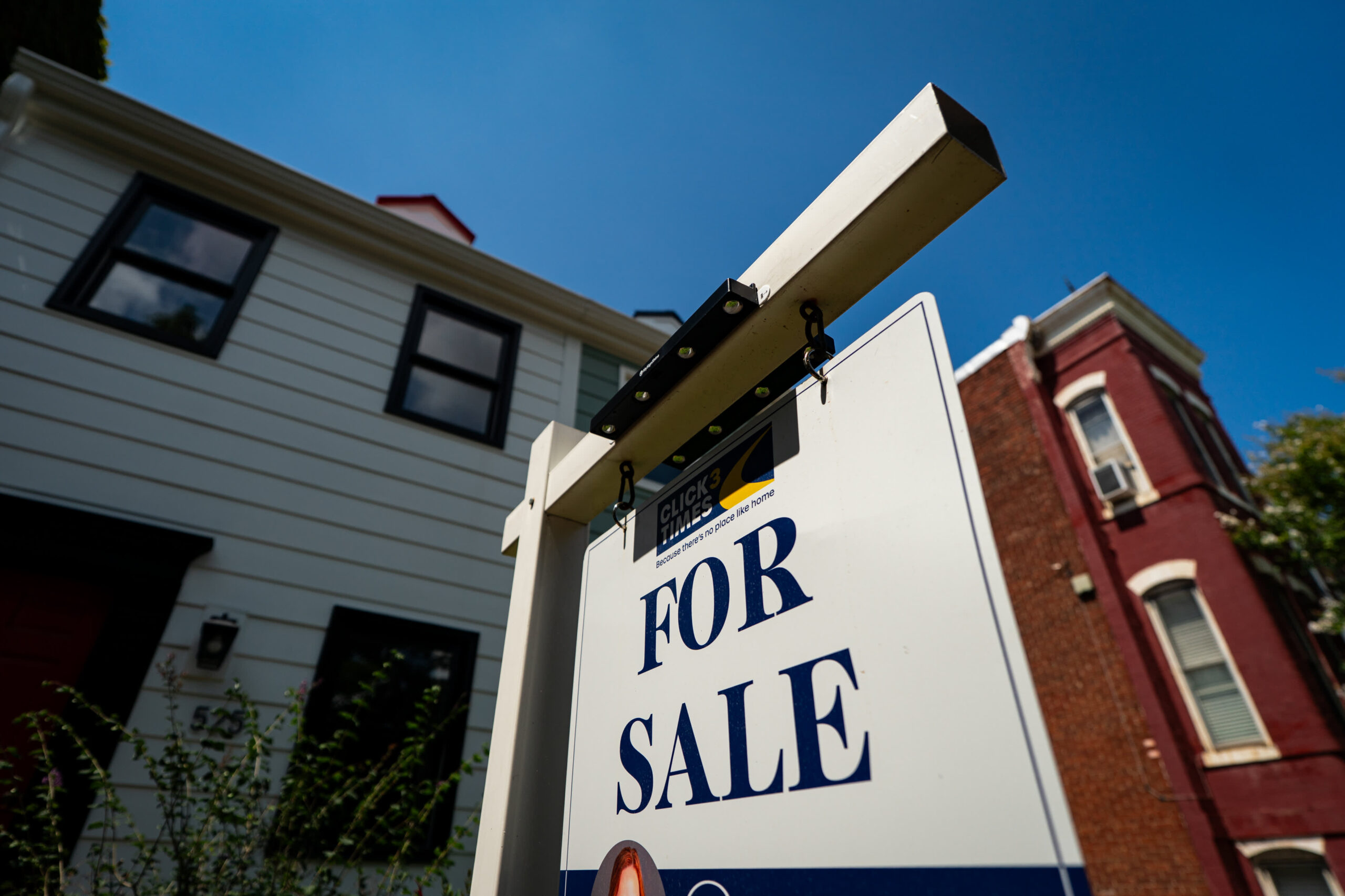
The January figures come as Redfin reported a record number of sellers pulling their homes off the market last September. Close to 85,000 sellers delisted, up 28% from September 2024. Higher mortgage rates last year, still-high home prices, and growing uncertainty in the economy sidelined buyers last fall, taking sellers out of the driver’s seat, where they had been in the years during and just after the pandemic. During that post-pandemic frenzy, the market was defined by bidding wars, waived inspections, and lightning-fast sales. However, as the Federal Reserve maintained its restrictive monetary policy to combat inflation, the cost of borrowing rose sharply, causing a "lock-in effect" where homeowners with ultra-low mortgage rates—often below 3% or 4%—refused to sell and trade up for a new loan at significantly higher rates. This created a stalemate where inventory vanished and transaction volumes plummeted to their lowest levels in decades.
Ashley Rummage, a real estate agent in Raleigh, North Carolina, in response to CNBC’s fourth-quarter Housing Market Survey, said in December that more sellers were being asked for concessions, and some just refused. The power dynamic, which had heavily favored sellers for nearly three years, began to tilt back toward a more balanced state, or at least one where buyers felt empowered to demand repairs or mortgage rate buy-downs. "A lot of sellers I’ve encountered and worked with have just thrown their hands up in the air and said, ‘If we can’t get what we want for our house right now, or what we think is it’s worth, then we’re gonna go ahead and take it off to market and try again, maybe in the spring,’" Rummage said. This "wait-and-see" approach appears to be the primary driver behind the January relisting spike, as the turn of the year often brings a renewed sense of hope for both buyers and sellers looking to move before the start of a new school year.
Despite this influx of "second-chance" listings, the broader inventory picture remains complicated. The overall inventory of homes for sale nationally is higher than it was a year ago, but the gains are plateauing, according to Realtor.com. Active listings were up 7.9% in February, year over year, but that number has been shrinking for nine straight months. This deceleration in inventory growth suggests that the market is struggling to build the necessary momentum to return to pre-pandemic normalcy. Listings are still down 17% from 2019, highlighting the deep deficit that continues to underpin high home prices despite higher borrowing costs. The lack of supply is not just a remnant of the pandemic; it is a structural issue decades in the making, exacerbated by a decade of underbuilding following the 2008 financial crisis.
"Inventory has improved for more than two years, but the momentum has faltered in recent months," said Danielle Hale, chief economist at Realtor.com. "Supply gains have been concentrated in the South and West and skewed toward homes priced below $500,000. While the Northeast and Midwest have seen growth, they remain significantly undersupplied." This regional divergence is a critical component of the current housing narrative. In the Sun Belt and Western states, a surge in new construction has helped alleviate some of the pressure on the resale market. Developers in these regions have been more aggressive in offering incentives, such as mortgage rate buy-downs, to move inventory. Conversely, in the Northeast and Midwest, where land is more scarce and zoning laws are often more restrictive, the supply of existing homes remains dangerously low, keeping price growth more resilient even as demand fluctuates.
The "skew" toward homes priced below $500,000 is also a notable trend. While this price bracket is the most in demand by first-time homebuyers, it is also the segment where competition is fiercest. Investors, who often pay in cash, frequently compete with traditional buyers for these entry-level properties, further squeezing the available supply for families looking to enter the market. The relisting of homes in January may provide some relief in this segment, but it is unlikely to satisfy the pent-up demand from buyers who have been waiting on the sidelines for several years.

With mortgage rates now hovering near four-year lows, the market is at a crossroads. Hale noted that a key question is whether this "thaw" spurs more buyers or more sellers. In theory, lower rates should encourage both: buyers see improved affordability, while sellers feel less "locked in" to their current low rates. However, the psychological threshold for many sellers remains high. Many are waiting for rates to drop back toward the 5% range before they feel comfortable listing their homes and taking on a new mortgage. Mortgage rates have climbed slightly higher in recent days, due to the ongoing war with Iran and renewed fears over inflation. This volatility is a reminder that the housing market remains tethered to the broader geopolitical and macroeconomic environment.
The conflict in the Middle East has historically led to "flight-to-safety" behavior in the bond market, which can sometimes drive down Treasury yields and, by extension, mortgage rates. However, if the conflict leads to a spike in energy prices, it could reignite inflationary pressures, forcing the Federal Reserve to keep interest rates higher for longer. This uncertainty creates a "start-stop" rhythm in the housing market, where a week of declining rates leads to a flurry of mortgage applications, only to be followed by a retreat when rates tick back up. For sellers who relisted in January, the hope is that the spring window remains open long enough to capture a buyer before the next wave of economic volatility.
The current environment also highlights a growing divide between "aspirational" sellers and "motivated" sellers. Aspirational sellers are those who relisted their homes at prices that may no longer be supported by the current high-rate environment, hoping to find a buyer who is willing to pay a premium. Motivated sellers, on the other hand, are those who must move due to job relocation, family changes, or financial necessity. The latter group is more likely to accept the concessions that agents like Ashley Rummage are seeing in the field. As the spring market progresses, the success of these relisted properties will likely depend on how realistic sellers are regarding their asking prices and their willingness to negotiate on terms like closing costs or home inspections.
Furthermore, the role of institutional investors and the rental market cannot be ignored. While some sellers are relisting their homes for sale, others have opted to turn their properties into rentals rather than sell at a discount. This trend further reduces the supply of homes available for purchase. For real estate investors, the current "Property Play" involves navigating this low-inventory, high-price landscape by looking for value in markets where the supply-demand imbalance is most acute. The weekly insights provided by experts like Diana Olick emphasize that while the traditional path of buying and selling a primary residence has become more difficult, opportunities for savvy investors remain in the evolving landscape of residential real estate.
As we move deeper into the spring, the trajectory of the housing market will be defined by the delicate balance between inventory growth and mortgage rate stability. While the record number of relistings in January is a positive sign for supply, the 17% deficit compared to 2019 levels indicates that the market is far from a full recovery. The plateauing of active listings suggests that the "Seller’s Strike" is not entirely over, but rather evolving. For the spring housing market to truly flourish, a sustained period of rate stability and a continued influx of new listings—both from existing homeowners and new construction—will be required. Until then, the market remains a challenging environment where timing, location, and price sensitivity are the primary determinants of success for both buyers and sellers.